
Some fans start with a drama. Others start with a place they have always wanted to see, and work backwards to find out which show was filmed there. This page is for the second group — a region-by-region index of C-drama filming locations in China, so you can pick a corner of the country and find out what was shot there.
The short answer: C-drama filming locations in China cluster into nine usable regions, and one of them is not a region at all but a season — the far north, for skiing. Four regions sit on the high-speed rail corridor that radiates from Shanghai Hongqiao and can be combined into a single trip: Zhejiang, Jiangsu, Shanghai and Shandong. Yunnan, Guizhou, Fujian and Hubei are each a journey of their own. Pick your region by how much time you have, not by which drama you love most, and the trip plans itself.
How to use this guide to C-drama filming locations in China
Each region below tells you four things: what was filmed there, how to actually reach it, the best months to go, and whether a single day is enough. Every region links out to full guides for the individual locations inside it, so you can go from this overview of C-drama filming locations in China straight to the spot you want to stand in.
If your trip is built around the big studio parks rather than a region, start instead with our Hengdian vs Xiangshan vs Wuxi comparison — it puts the three side by side and tells you which one matches the drama you came for.
If you are building your first itinerary, read the pre-departure plan before you commit to a region. The administrative side of travelling in China — entry status, mobile payment, rail booking — takes longer to sort out than the flights, and it shapes what is realistic.
Zhejiang: the province that builds its own history
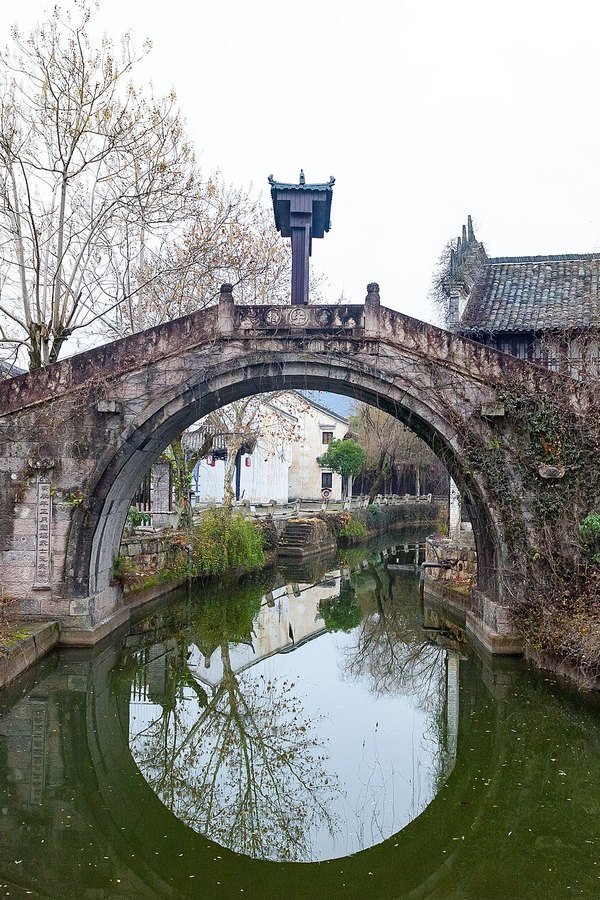
Zhejiang is where a C-drama pilgrimage usually begins, and for one reason: Hengdian World Studios, the largest film park in China and the single most productive one on earth. Roughly eighty percent of The Untamed was shot inside it, along with the great halls of Joy of Life and Lost You Forever. Swords Into Plowshares was shot across six cities in the province, much of it on purpose-built Wuyue Kingdom sets.
Zhejiang is also the province of real, walkable history. Hangzhou’s West Lake, the canal town of Shaoxing, the ancient city wall at Linhai and the lanes of Wenzhou all appear in period dramas — and all are ordinary cities you can reach by rail. The trick is that Hengdian is in the middle of nowhere, in Dongyang, so you either commit two days to the park or you skip it entirely.
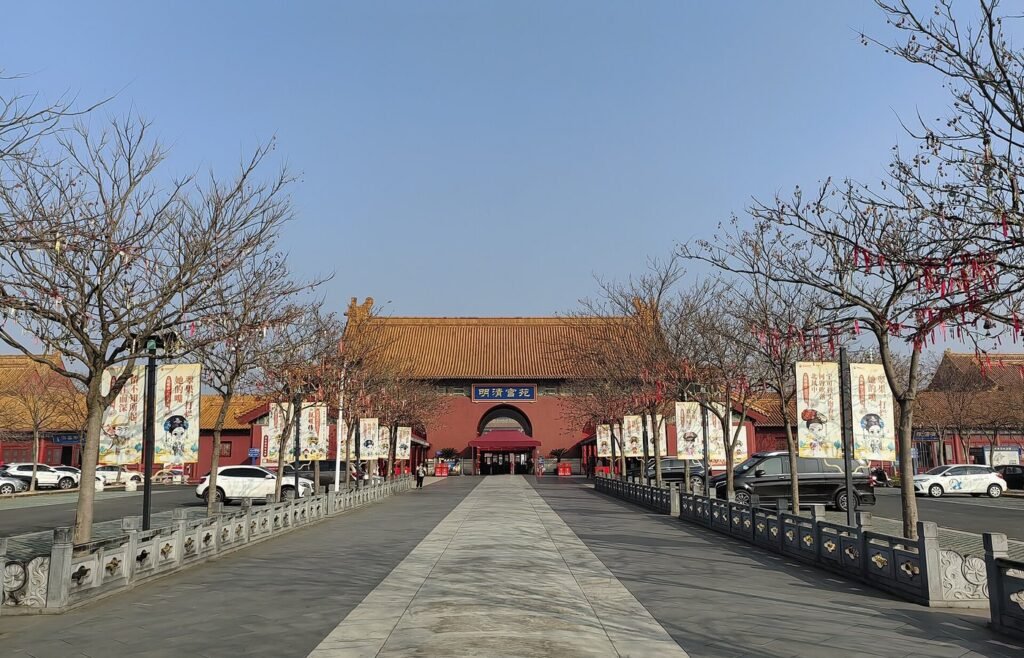
Getting there: Shanghai Hongqiao to Yiwu by high-speed rail, about 1 hour 40 minutes, then the Yidong light rail to Ming Qing Palace station — which sits at the gate of the Ming Qing Palace zone, not on the edge of town. Since September 2024 there is also a station at the studios themselves, Hengdian station (横店站), on the Hangzhou–Wenzhou line. Hangzhou works too. Fly into Yiwu or Hangzhou if you are coming from further afield.
When, and how long: Spring and autumn. Zhejiang summers are brutally humid and the sets have no shade. Two days is the realistic minimum for Hengdian; add one to two more days if you want a real city like Hangzhou or Shaoxing on the same trip. See the Hengdian guide, the Ming Qing Palace guide and the Swords Into Plowshares guide.
Zhejiang holds three more locations that are easy to overlook. On the coast, Xiangshan Film City in Ningbo built half of Joy of Life‘s capital — and since September 2026 it is finally reachable by metro, with Ningbo’s new Line 12 running south to Damuwan. Inland, Jinyun Xiandu in Lishui is not a studio at all but a national 5A landscape: a 170-metre stone spire and red-cliff gorges that supplied the cliffs of Joy of Life 2 and the peaks of Lost You Forever. And on the coast further south, Yandang Shan near Wenzhou is the volcanic geopark that plays the mountain in Nirvana in Fire — a real landscape, and its high-speed rail station is two kilometres from the gates. See the Xiangshan guide, the Jinyun Xiandu guide and the Yandang Mountain guide.
Xianju (仙居) in Taizhou, a mountain county that had a film career long before it had a drama — the peaks, the old town and the cliffs here had already appeared in The Forbidden Kingdom and Nirvana in Fire. Its Yong’an Creek and the rhyolite pillars of Shenxianju are where Pursuit of Jade was shot; see the Pursuit of Jade filming locations guide.
And the province’s capital needs no set at all. Hangzhou plays itself in the 2025 romance The Best Thing — the causeways of West Lake, the canal lanes of Wuliu and Xiaohe, and the old canal town of Tangqi, all reached by metro and a ¥3 water bus. See the Hangzhou guide and the The Best Thing filming locations guide.
Ningbo does the same on the coast. The 2023 drama Fireworks of My Heart was shot entirely on the city’s own streets — the Fortune Center tower everyone calls the corn building, the old lane of Guangren Street, Tianyi Square and the Grand Theatre — with no studio park anywhere in it. See the Fireworks of My Heart filming locations guide.
And one place in the province is the counter-argument to all of the above. Wuzhen, 80 km from Hangzhou and 140 km from Shanghai, is the most successful piece of heritage tourism in China and the clearest case of a town being rebuilt rather than repaired: 1,300 years of plan, about twenty-five years of operation, the residents of the western half relocated, and a ticket gate on both halves that were reworked. It is what “the province that builds its own history” means when it is taken literally. It also has a real screen credit — Time Flows Like Water (2003) was shot in Dongzha in 2002, and the town was already receiving a million visitors a year before the series aired. See the Wuzhen guide.
Anhui: the white-walled villages that play an imagined China
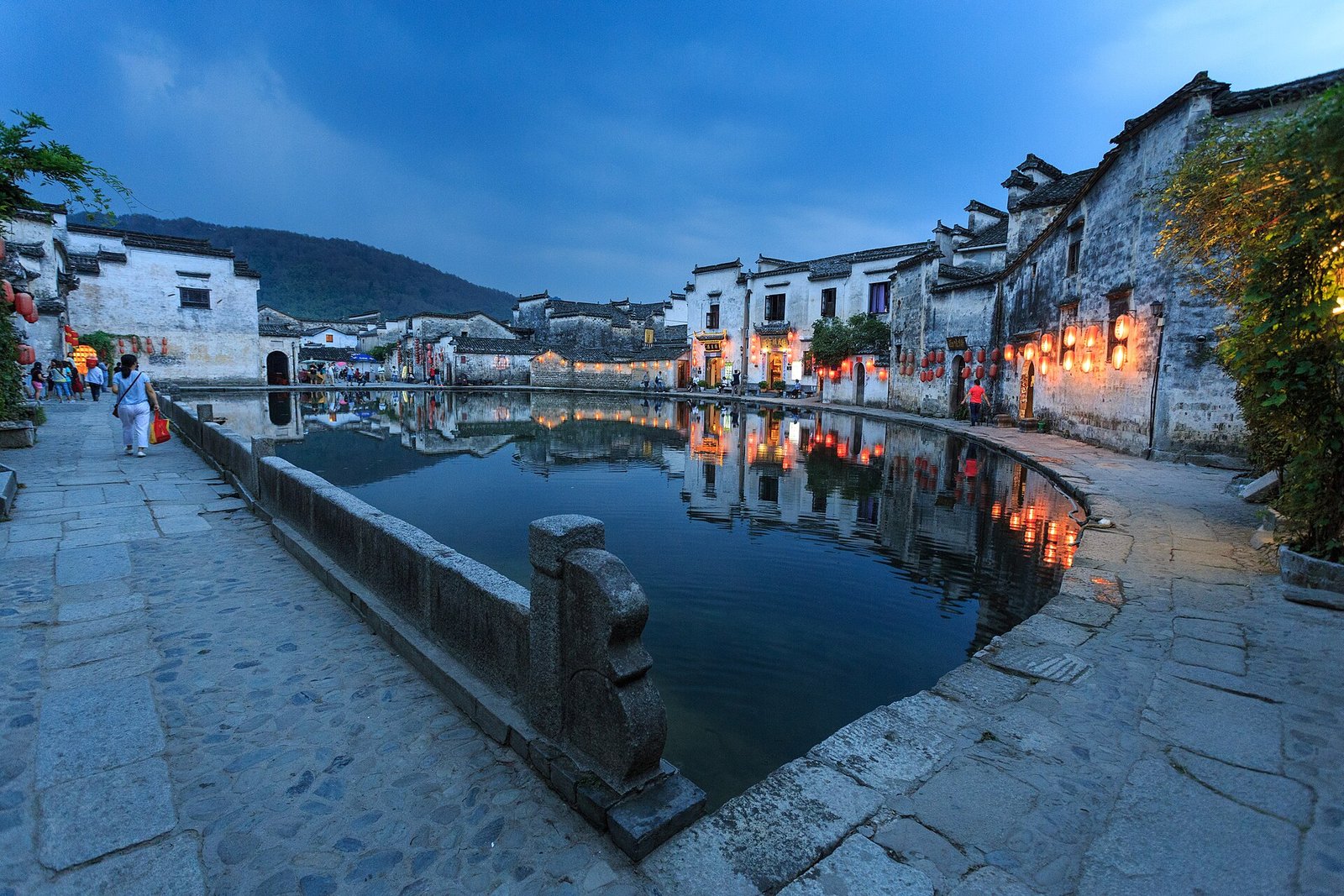
Anhui, in eastern China south-west of Nanjing, is the home of Huizhou architecture — the white walls, black tiles and stepped horse-head gables that most of the world pictures when it imagines “old China”. The villages of Hongcun (宏村) and Xidi (西递) in Yixian County were inscribed as a UNESCO World Heritage site in 2000, and Hongcun’s mirrored courtyards and rooftops appear in Ang Lee’s Crouching Tiger, Hidden Dragon. The region is anchored by Huangshan (黄山), the Yellow Mountain, a UNESCO mixed site and one of China’s most famous landscapes. See the Crouching Tiger, Hidden Dragon filming locations guide.
Getting there: fly into Huangshan Tunxi International Airport (TXN) or take the high-speed rail to Huangshan North — about 2h40m from Shanghai Hongqiao and 1h30m from Hangzhou. A shuttle bus runs from Huangshan North to Hongcun in about 1h20m for around ¥30.
When, and how long: late March to April for the rapeseed flowers, and October to November for clear air and autumn colour; winter for Huangshan under snow. Allow two to four days — the villages take a day, and Huangshan needs its own day and an advance timed booking.
Shanghai: the city that plays itself
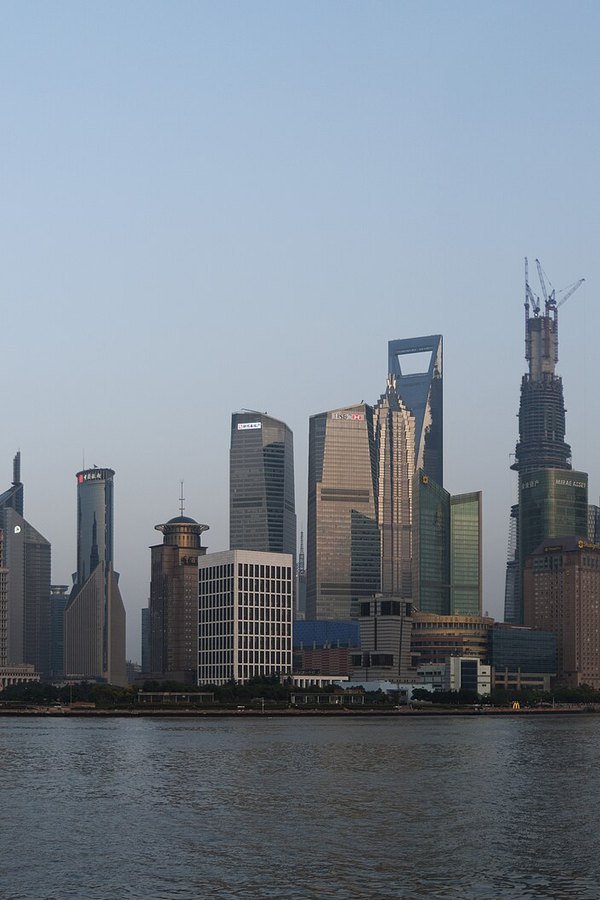
Shanghai is the one place on this site where the locations are not a day trip — they are the city you are already standing in. Blossoms Shanghai turned Huanghe Road, the Peace Hotel and the Bund into a 1990s time capsule, and the former French Concession supplies the lilong lanes that appear in almost every modern drama. Rose Story moves between Beijing and Shanghai, and the Shanghai half is entirely walkable.
Getting there: Pudong or Hongqiao, both with metro links into the centre. Shanghai Hongqiao is also the hub for the high-speed rail network, which makes it the natural first stop on almost any itinerary — you land, spend two days on locations, then take a train to Hengdian or Yiwu for the studios.
When, and how long: Shanghai is the easiest city in China for foreign visitors — English signage, card payments at hotels, reliable ride-hailing. Two days covers the Blossoms Shanghai layer thoroughly and gives you a pass at the modern-drama spots. It is also the best place to arrive in China for the first time, so you can sort your mobile payment before heading somewhere harder. See the Shanghai guide and the Blossoms Shanghai locations.
Yunnan: Kunming, Dali, Xishuangbanna and the slow south-west
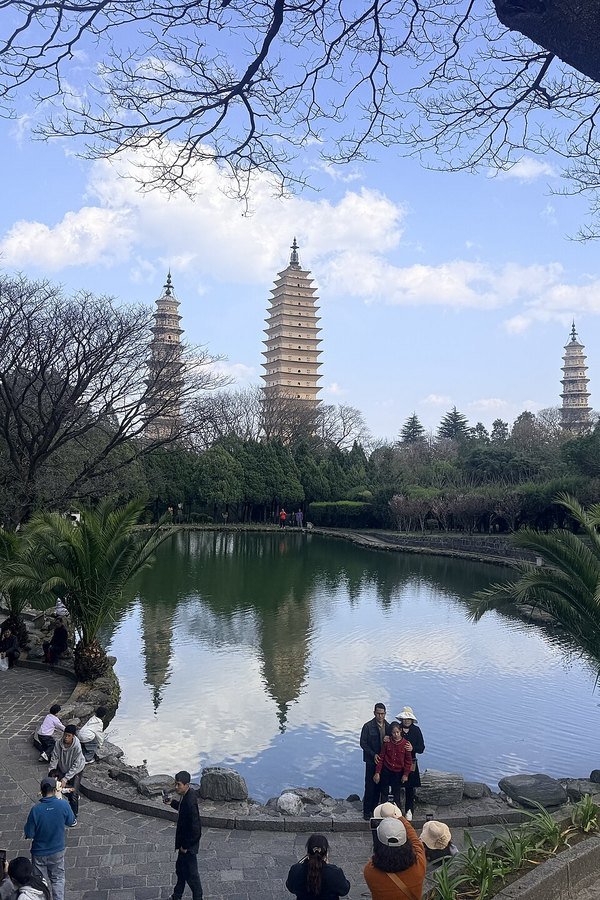
Yunnan is the region for people who loved Meet Yourself and wanted to live inside it. Almost none of that drama was shot on a set — it was shot in real Yunnan towns, which is exactly why it feels the way it does. Dali sits on the Yunnan plateau beside Erhai Lake with the Cangshan mountains behind it; the old caravan town of Shaxi, three hours north, is the quieter half of the show’s world.
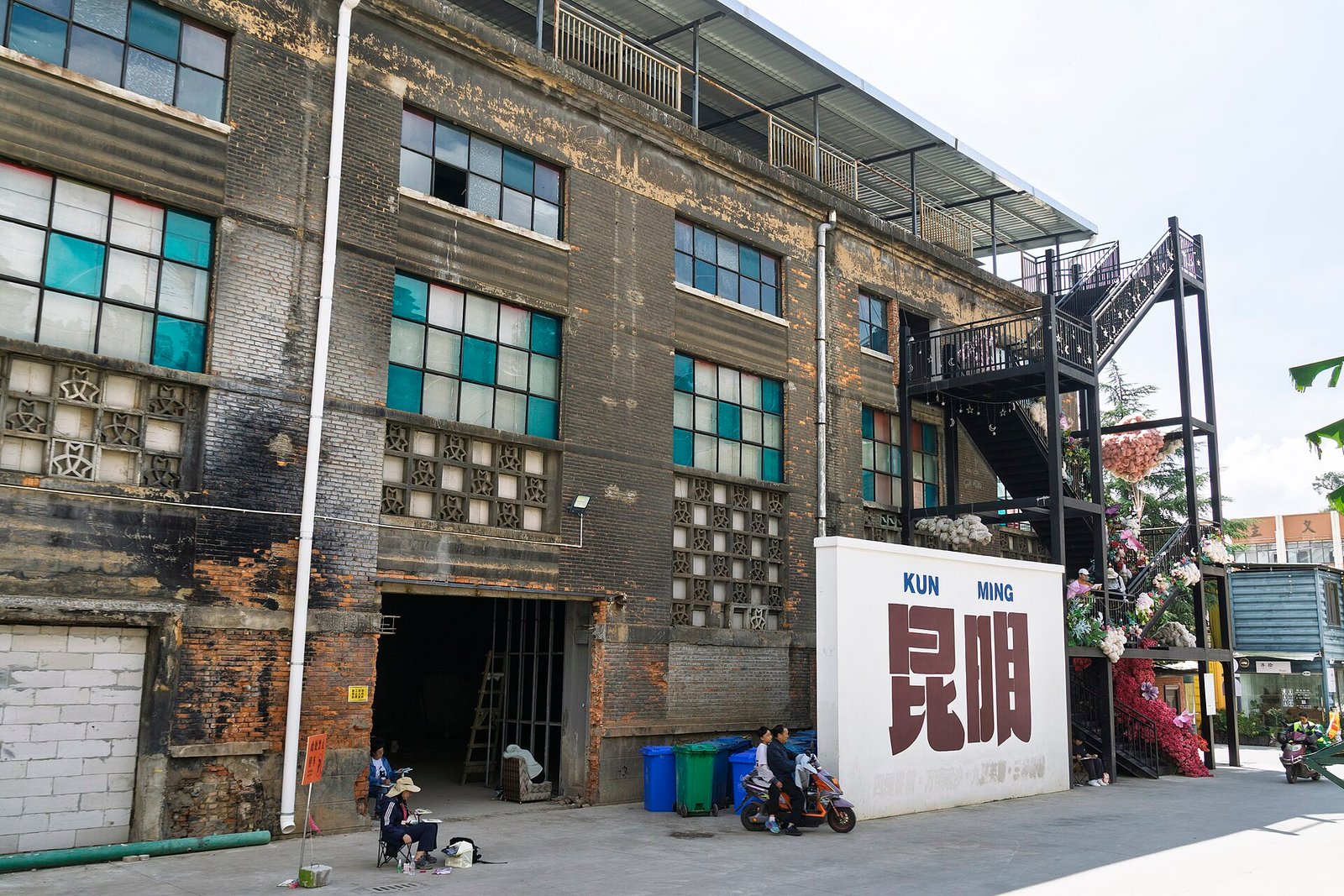
Kunming is the other Yunnan, and the one almost everyone flies into. It is also where The Long Season (漫长的季节, 2023) was shot — a drama set in a fictional north-eastern steel town, but filmed 3,000 kilometres south in the Kungang ironworks at Anning and the old factory districts around the city. Kunming is the gateway to Dali and Lijiang by high-speed rail, sits beside Dianchi Lake under the Western Hills, and has the Stone Forest a short train ride east. See the The Long Season filming locations guide.
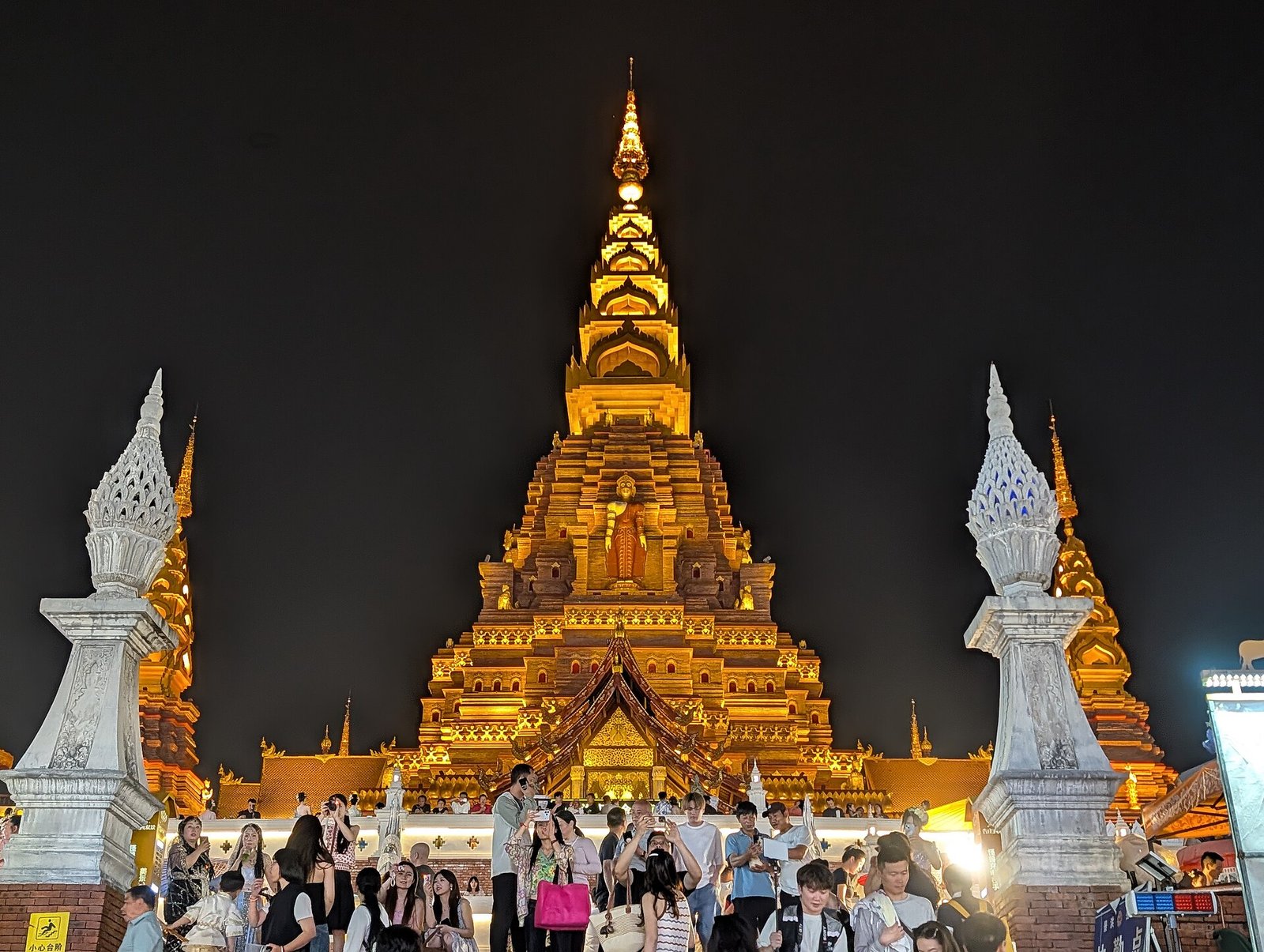
Xishuangbanna is the third Yunnan, and the one that feels like a different country. Four hours south of Kunming by the China–Laos Railway (about three hours from Kunming South), it is a Dai autonomous prefecture of golden pagodas, stilt houses and tropical rainforest, on the border with Laos and Myanmar. It is also where Escape from the Trilateral Slopes (边水往事, 2024) was shot: a crime drama set in an invented borderland that was filmed entirely on location around Jinghong, Mengla and Menghai — the Dai Park at Ganlanba, the Wangtianshu rainforest canopy, and the Gaozhuang night market on the Mekong. Beyond the drama, it is the home of Pu’er tea, the Wild Elephant Valley and the great Tropical Botanical Garden. See the Escape from the Trilateral Slopes filming locations guide.
Getting there: Dali has its own airport, and a railway station on the line from Kunming. Most foreign visitors fly in from Shanghai, Beijing or Chengdu. Distances between the lake, the old town and Xizhou are real — 20 to 40 kilometres — so a car and driver for a day is the practical choice.
When, and how long: Spring (March–May) and autumn (September–November). The rainy season runs roughly June to August, when the mountains simply disappear into cloud. Three days minimum for Dali and Erhai; add two more for Shaxi. Dali sits at around 2,000 metres, so give yourself an easy arrival day. See the Dali & Shaxi guide and the Meet Yourself locations.
Guizhou: the landscapes that look unreal
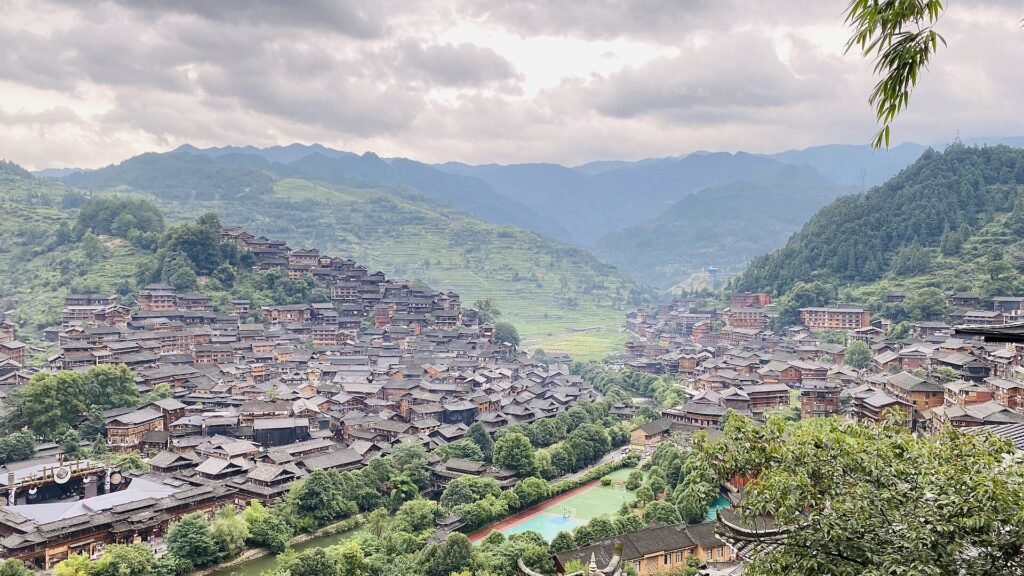
Guizhou is where The Untamed got its feeling — the bamboo ridges, the low mist, the sense of a landscape that is genuinely old and genuinely indifferent. Hengdian gave the show its halls; Guizhou gave it the mountains. It is one of China’s poorest and most mountainous provinces, which is precisely why it still looks like that, and far less has been tidied up for visitors than in Zhejiang or Yunnan.
Guizhou’s studio layer is at Duyun, where the Qin & Han studio city has hosted more than 400 productions — among them Love Like the Galaxy, which used its Qin-and-Han streets and lantern-festival set, alongside Joy of Life and The Untamed. See the Love Like the Galaxy filming locations guide.
Getting there: Fly to Guiyang, then take high-speed rail south to Duyun East — around 40 minutes. The filming sites are spread out and not all are formal attractions, so you will almost certainly need a car and driver for at least one day. Base yourself in Duyun city.
When, and how long: Spring and autumn for a balance of green and visibility. Guizhou is wet in most months, and the mist that makes the scenery is the same weather that can wash out a day entirely — build in a buffer day. Allow two to three days on the ground, and expect less English than anywhere else on this list. See the Duyun & Guizhou guide and the Untamed locations.
Hubei: the Tang city in the east, and the canyon in the west
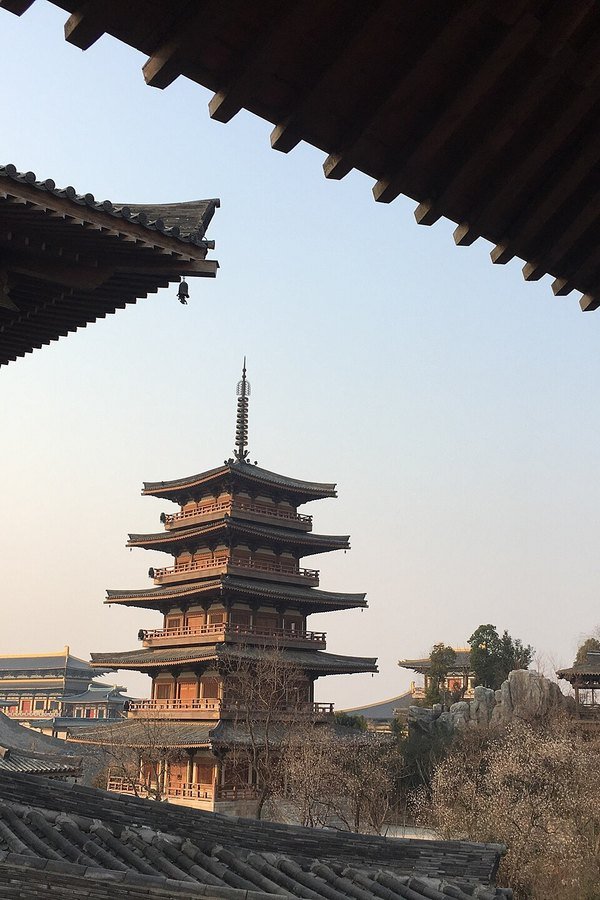
Hubei is the least obvious stop on the C-drama map and, for many fans, the most rewarding. It also holds two places that are opposites: a purpose-built set in the east, and a landscape in the west that no set could reproduce. Tang City (唐城) in Xiangyang is a purpose-built Tang-dynasty film set — the primary location for Joy of Life — and beside it sits a real city with a well-preserved ancient wall along the Han River and far fewer foreign visitors than the coast.
Getting there: High-speed rail to Xiangyang East — about 1 hour 30 minutes from Wuhan, or roughly 4 to 5 hours direct from Shanghai. Wuhan is the natural routing from most of eastern China. From the station to Tang City, take a taxi or DiDi, around 30 to 40 minutes.
When, and how long: April to May and September to October; Hubei summers are hot and humid. One full day covers Tang City, half a day covers the city wall, so two days is a comfortable visit. Expect less English than Shanghai or Hengdian — have your phone prepared. See the Xiangyang & Tang City guide and the Joy of Life locations.
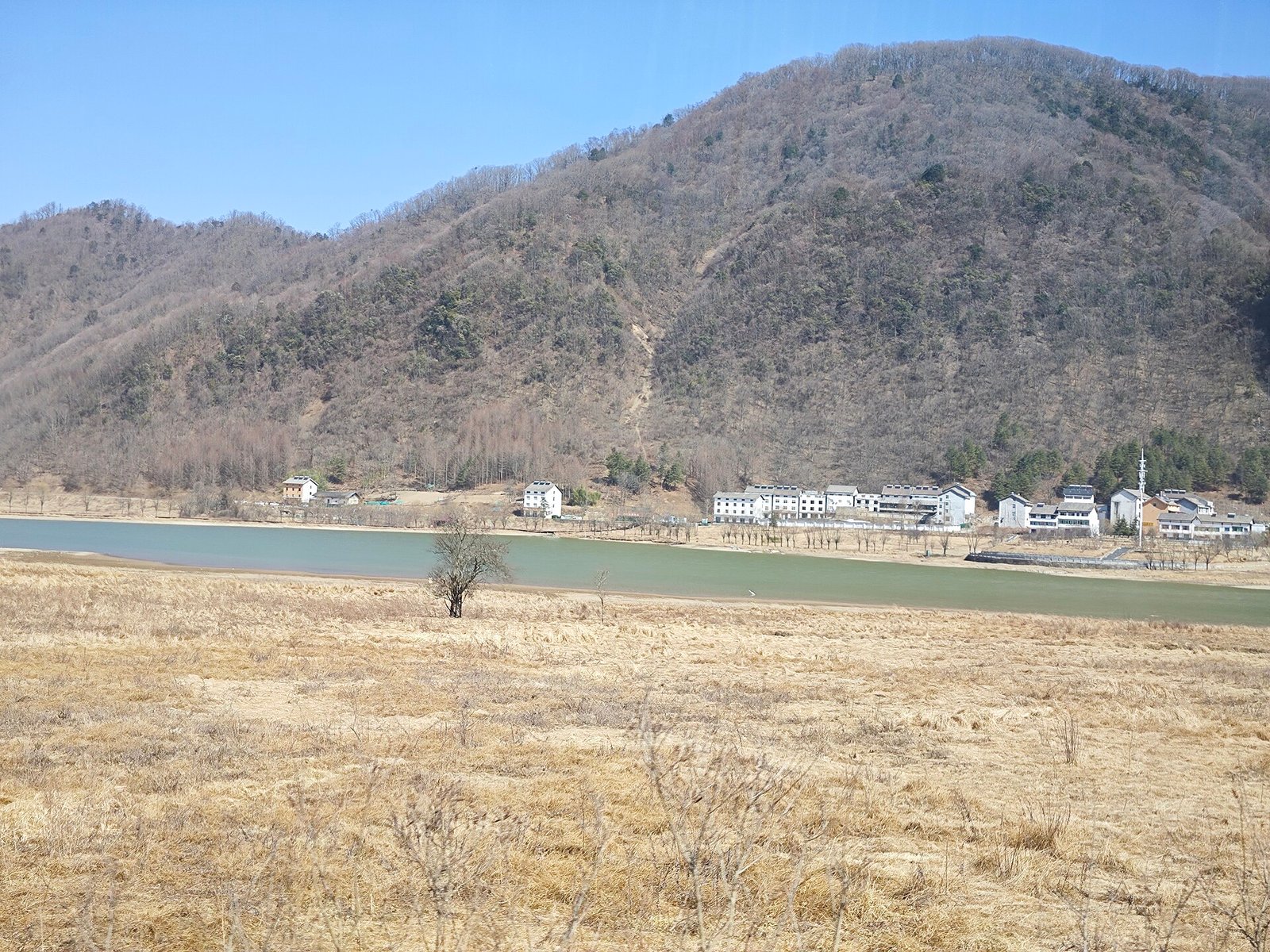
Enshi is the second Hubei entry and the opposite of Xiangyang in every way that matters. It is not a built set but a karst landscape that a production could not fake: in 2018 the crew of The Wrath of Time: Xiangxi scouted the Xiangxi region of Hunan, which is where their story is set, could not find a location that matched, and moved the exterior shoot here instead — the Yunlong River reservoir inside Enshi Grand Canyon, plus Tenglong Cave, Haohan Slope, the Qingjiang dry riverbed and Heidong near Lichuan. The tomb interiors were built at Xiangshan Film City in Zhejiang, because as the lead actor put it, the exteriors “cannot be built”. In March 2024 the canyon and cave were jointly inscribed as a UNESCO Global Geopark.
Getting there: Enshi station is high-speed and sits inside the city; Xujiaping Airport is about ten minutes from the centre. Lichuan, where three of the four named locations are, is an hour away by train. North of the prefecture, Shennongjia is a separate trip with its own high-speed station (open since June 2022) and a mandatory shuttle into the Dajiuhu wetland.
When, and how long: April to June and September to October. Give Enshi three days — the canyon takes a full day on foot, the Lichuan cave and riverbed another, and the third covers Pingshan or Suobuya. Add two to three nights at Shennongjia if you want the wetland at dawn. See the Enshi and Shennongjia filming locations guide.
Chongqing: the city with no ground floor
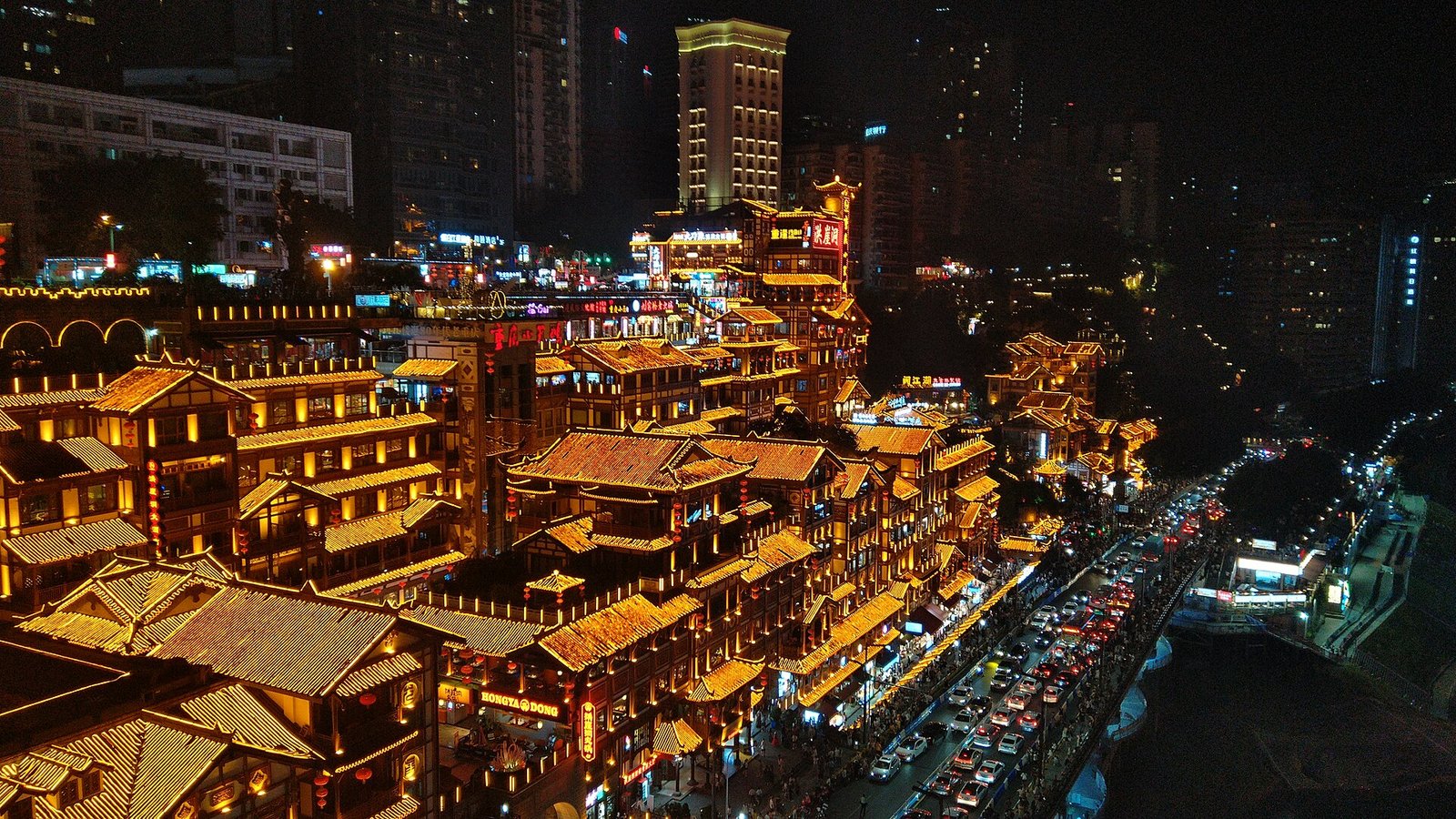
Chongqing is the municipality that runs the set-jetting logic backwards. It became famous on its own — a vertical, neon-lit city built where the Jialing meets the Yangtze, with monorails through apartment blocks and no reliable ground floor — and only then did a drama use it undisguised. The First Frost (难哄) was shot here, and its fictional “Nanwu” is Chongqing wearing another name. Almost everything you came for is free; the one thing to plan around is a residential block that never asked to become an attraction.
Getting there: high-speed rail into Chongqing North or Chongqing West, or fly into Jiangbei. From Enshi in western Hubei the train takes about two hours, which makes the two provinces one logical run. Two full days covers the city; add a third for Wulong.
When, and how long: March to May and October to November — the summer heat and humidity here are genuinely punishing. See the Chongqing filming locations guide and the The First Frost locations.
Beijing: where the country films itself
Beijing is the odd one out on this page, because it is not a film town at all — it is the production capital of the country, filmed so often that its ordinary streets have a second life on screen. Rose Story alone used around 260 Beijing locations across six districts, from the Bell and Drum Towers to the Olympic Park. North-east of the city, in Huairou, the China Film Capital is a working production base that is unusually open to visitors — and free to enter.
Getting there: Beijing is the arrival point for most long-haul flights into China, so it is often the natural place to start a trip rather than a detour. The city locations sit on the metro network; the Huairou base is reached by bus 866 from Dongzhimen.
When, and how long: April to May and September to October. Two days minimum — one for the public filming trail, one for Huairou. See the Beijing guide and the Rose Story guide.
Hebei: the province that played Beijing
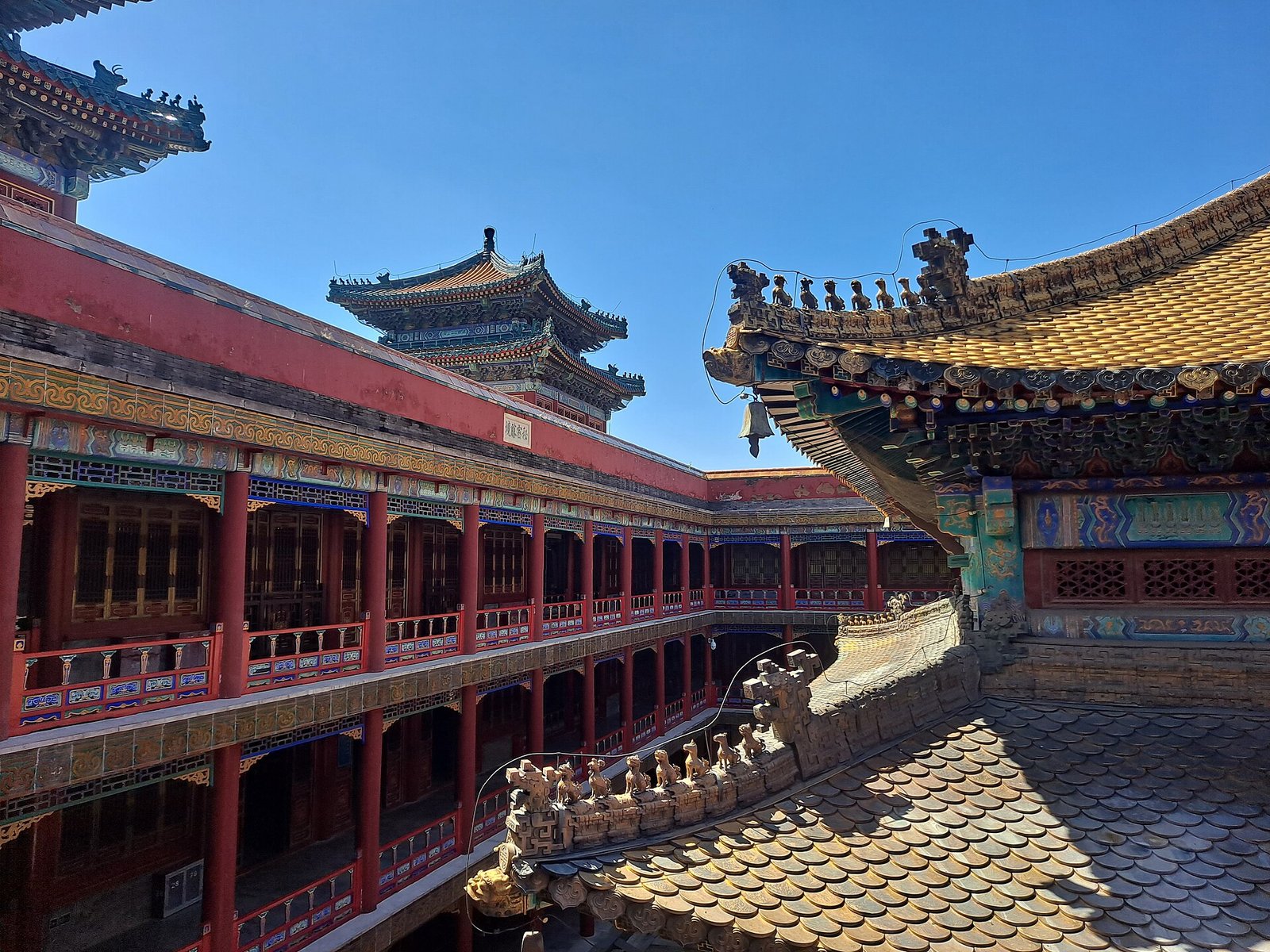
Hebei surrounds Beijing, and for three centuries its job was to hold the things the capital could not. Chengde, 200 km north-east of the city and 49 minutes away by high-speed rail, is the clearest case: a 564-hectare imperial garden built between 1703 and 1792 as the court’s summer seat, with twelve royal temples ranged along the hills behind it. In the 1990s Chinese television discovered that its lakes and pavilions could pass for the Forbidden City, and Yanyu Lou — itself a 1780 copy of a tower in Jiaxing — spent years playing a room in a Beijing palace. See the Chengde filming locations guide.
The practical correction here is the one that costs money. The “Eight Outer Temples” is not a count: twelve were built, seven survive and five can be entered, and they are sold under four separate tickets that total 340 yuan in peak season. There is no combined ticket, and no English-language guide tells you that before you arrive. The second correction is geographic. Jinshanling, one of the most photographed stretches of the Great Wall and routinely sold as a Beijing day trip, is in Luanping County, Chengde.
Getting there: Beijing Chaoyang to Chengde South in 49 minutes at the fastest, since the Beijing–Shenyang line went to 350 km/h on 1 July 2025. Jinshanling is about 130 km from Beijing and 90 km from Chengde city, which means it pairs with the city rather than with the capital.
When, and how long: May to October for the garden, and late September for the wall. Two days minimum — one for the lakes and the palace zone, one for the temples — and three if Jinshanling is in. A day trip from Beijing is possible and is a poor use of 49 minutes of train.
Hainan: the island that played another country
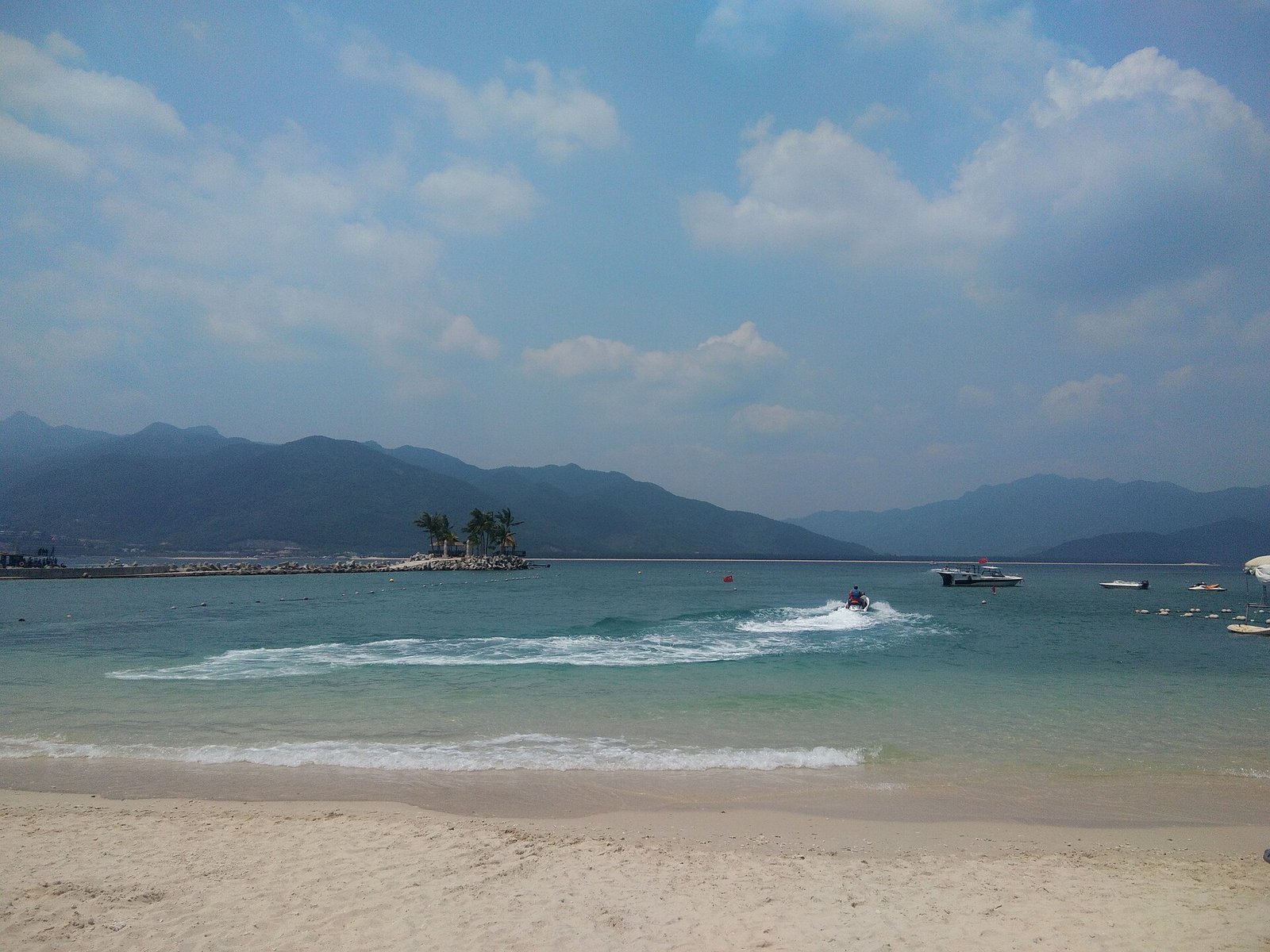
Hainan is the one province on this page whose film role is the opposite of every other: it does not play itself. The island has 1,944 km of coastline and 68 natural harbours, and what productions want from it is a stand-in for somewhere else. Lost in the Stars (2023), directed by Cui Rui and produced by Chen Sicheng, is set in Southeast Asia and was shot entirely here — the director says the crew built Southeast Asian streets across Sanya, Lingshui, Baoting and Wanning and hired several hundred foreign extras so the island would read as another country. The provincial tourism department published the seven locations in August 2023. See the Hainan filming locations guide.
Two of the corrections here cost money, and one is our own. Shiling Film Base in Baoting, built in 2014 with a Republican-era street and a government-office block, is still listed by the province as a visitor attraction while accounts from 2020 and 2026 describe it as empty and unstaffed — do not build a day around it. Feng Xiaogang Movie Town in Haikou is real and open, 93 hectares from 9:00 to 22:00, but three mutually incompatible ticket prices circulate and the operator’s site did not resolve when checked, so this site prints no figure. The third correction is that this site’s visa page said for months that Hainan had no C-drama filming location. It has seven, and the sentence has been removed.
Getting there: the Hainan Ring Railway is 653 km, closed into a complete loop on 30 December 2015 — the first in the world — and links twelve cities and counties. Haikou to Sanya is 1 hour 30 minutes at the fastest, and Haikou Meilan airport has its own station on the line. Sixty-one nationalities can enter the province visa-free for 30 days, but the island is the whole of the visa: leaving for the mainland needs a separate permit.
When, and how long: November to April is the dry season; December to February has the best weather and the worst crowds, because the rest of the country is cold. The typhoon window runs roughly May to November. Four to five days for the island — two for Sanya and Lingshui, one each for Wanning, Baoting and Haikou.
Jiangsu: a film town, and the real old cities beside it
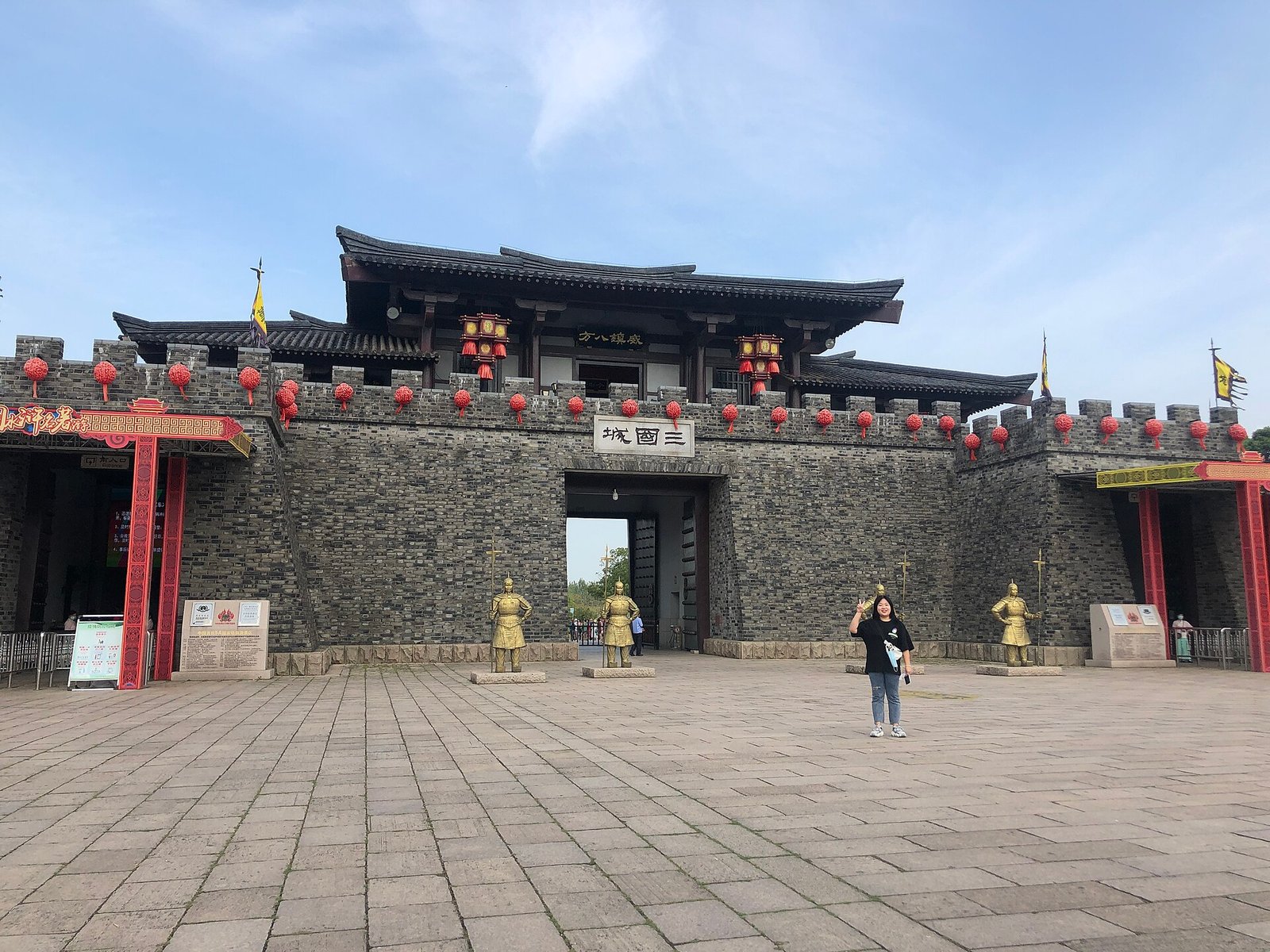
Jiangsu is not where the famous dramas were made. It is where the idea of a studio park that tourists pay to walk around was invented. The CCTV base on the shore of Lake Tai, beside Wuxi, opened in 1987 — four years before Hengdian — and it still explains every studio that came after it. It holds three areas: Tang City, Three Kingdoms City and Water Margin City. The last of those is where A Dream of Splendor shot its opening act: the tea house, the water mill and the fishing village are all here, standing in for a river town the show never actually visited.
Getting there: high-speed rail from Shanghai Hongqiao to Wuxi railway station (not Wuxi East), comfortably under an hour, then bus 82 from the East Square bus stop. It runs to Three Kingdoms City in about 40 minutes for ¥2, passing Water Margin City and Tang City on the way. This is one of the easiest studio parks in China to reach without a car.
When, and how long: spring and autumn. A full day covers the three areas properly. The operator does not publish a price list on its website, so read the ticket section before you go. See the Wuxi Film Studios guide and the A Dream of Splendor locations.
Suzhou is the counter-example the same province offers: a city that was never a backlot, and never needed to be. It arrives on this site through a modern drama, All Is Well (都挺好, 2019), whose filming locations are the old town itself — the Su family home is Tongdeli, a 1930s lane off Wusa Road; the “carnivore” restaurant is modelled on the Han’er Yuan teahouse on Pingjiang Road; and the modern half of the show is Jinji Lake in Suzhou Industrial Park. Nine of the city’s classical gardens are on the UNESCO World Heritage list, and the old town — lanes, canals, gardens — is free to walk. Getting there, and how long: 23 to 30 minutes by high-speed rail from Shanghai, and since January 2025 a direct service (G99/G100) links Hong Kong West Kowloon with Suzhou South in about seven and a half hours. Allow two days: one for the old town and a garden, one for Jinji Lake or the Lake Tai village of Mingyue Bay. Pair it with Wuxi, an hour up the same line.
Nanjing is the third Jiangsu entry and the oldest city on this page: a walled former capital, filmed as itself in the family drama The Bond (乔家的儿女, 2021). Its filming locations are the city’s own monuments — the Ming city wall at Zhonghua Gate and above Xuanwu Lake, the Republican-era villas of Yihe Road, the old lane of Shaomao, and the Yangtze River Bridge that closes so many scenes. The wall, the lake and the old streets are free to walk; only the wall and the bridgehead charge. Getting there, and how long: about 1 hour 30 minutes by high-speed rail from Shanghai (second class from around ¥117) and 3 to 4 hours from Beijing; Nanjing Lukou Airport runs a dedicated desk for the 240-hour transit visa-free scheme. Allow two days, and pair it with Suzhou and Wuxi on the same line.
Fujian: the island city, the old port, the tea mountains and the tulou
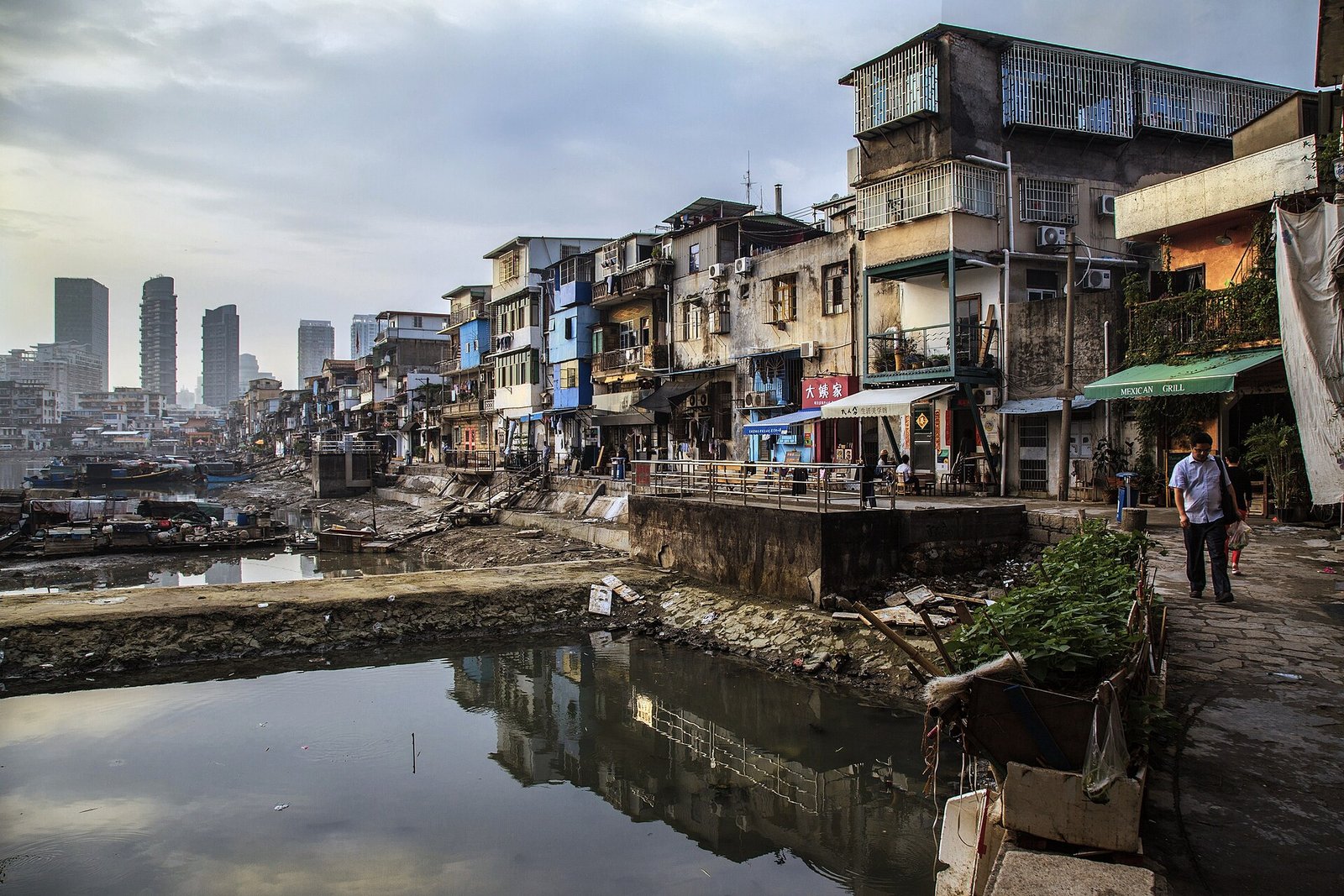
Xiamen is the rare C-drama city that is easier to love than to explain. It is a real island — ringed by a causeway and two bridges — with a subtropical climate, a colonial waterfront and a car-free island sitting in the middle of its own harbour. Hidden Love built nothing: it pointed a camera at streets that were already photogenic and left them alone. The show’s fictional university is a working campus you can walk into, and the old fishing basin at Shapowei is the backdrop the leads’ home was built around.
Getting there: Xiamen has its own airport — one of the ports covered by China’s 240-hour visa-free transit rule — and two railway stations. The island is compact and the metro is good, which makes it one of the easier Chinese cities to do without a car. The one thing to plan around is the crossing to Gulangyu: it is a real-name ferry, and the sailings sell out on holidays.
When, and how long: Xiamen is a year-round city, but summer and early autumn bring typhoons. Two days on the island, plus half a day across the bay in Jimei. See the Xiamen guide.
Quanzhou is the second Fujian entry on this map, and the one that was a world port in the Song and Yuan. The 2024 drama Will Love in Spring was shot almost entirely on location here, and its locations are the old town itself: the lane of Jiuguanyi off Xijie, the twin pagodas of Kaiyuan Temple, the Clock Tower at the head of Zhongshan Road and the lanes behind it, and Chongwu Ancient City out on the coast. Quanzhou was the great port of the Song and Yuan dynasties, and its UNESCO listing covers 22 sites — a rare case of a city where the drama locations and the sightseeing are the same list. It is about half an hour from Xiamen by high-speed rail, so the two fit into one Fujian trip. See the Will Love in Spring filming locations guide.
Wuyishan is Fujian’s fourth entry and the only one here that is a mountain rather than a town. The 1986 Journey to the West shot episode five here — The Monkey King Escorts the Monk — using Jade Maiden Peak as the backdrop for the mountain the monkey is pinned under, the Nine-Bend Stream for the ravine where the white horse is taken, and the Dahongpao cliffs for the headband scene. It is also a UNESCO dual heritage site since December 1999, one of China’s first national parks since October 2021, and — through 31 December 2026 — free to enter, with only the shuttle bus and the raft to pay for.
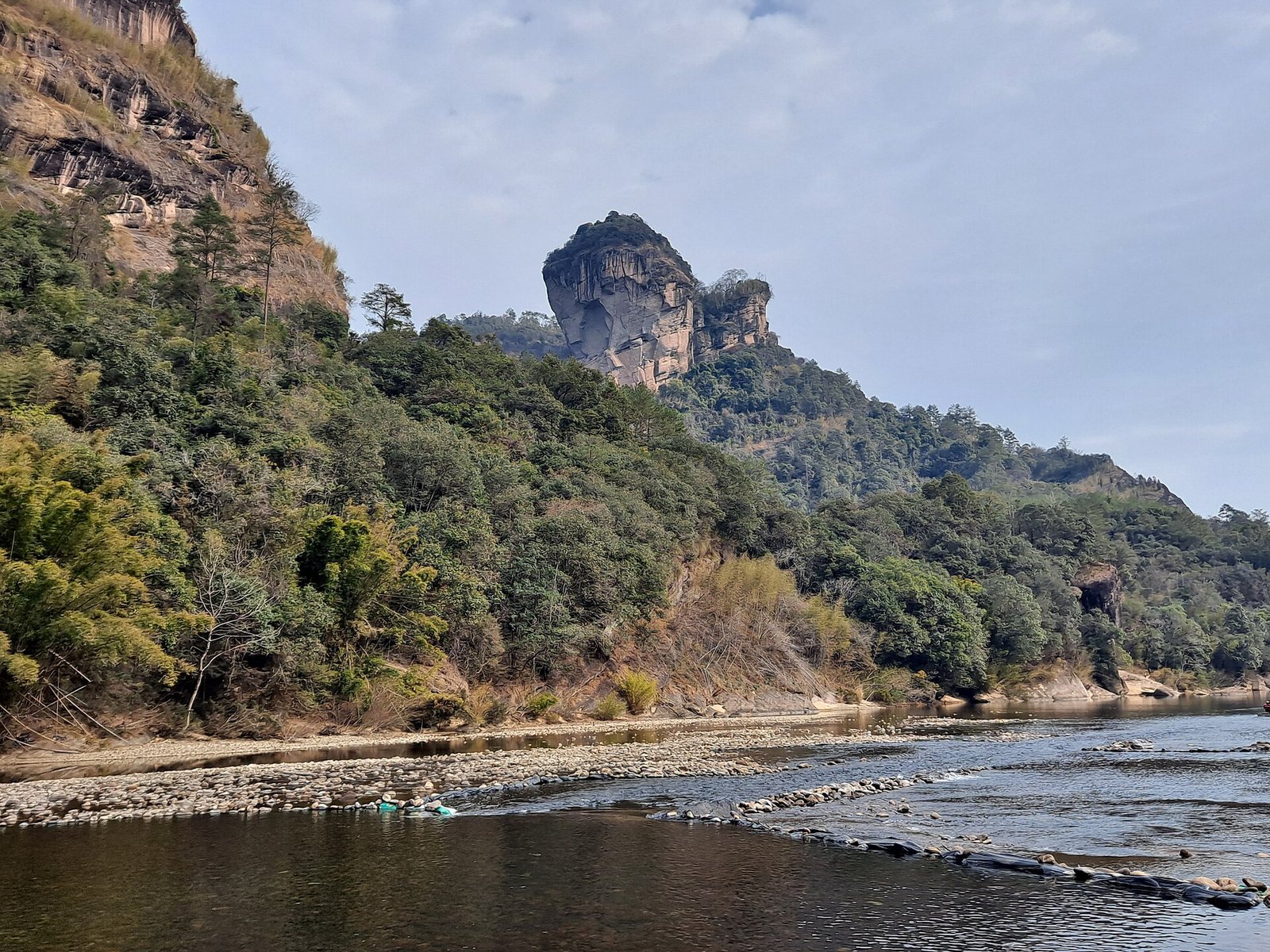
Getting there: the Hefei–Fuzhou high-speed line runs through it, and the station you want is Wuyishan North — about 10 km and 20 minutes from the scenic area. Nanping City station is 34 km away in a different district, and buying the wrong ticket is the most expensive mistake available to you. Wuyishan is also about an hour from Wuyuan on the same line, which makes the two a natural pair.
When, and how long: two days — one on the water, one on foot. March to May for tea and morning fog, September to November for clear air. Book the raft a week ahead; there is no ticket window at the landing. See the Wuyishan filming locations guide.
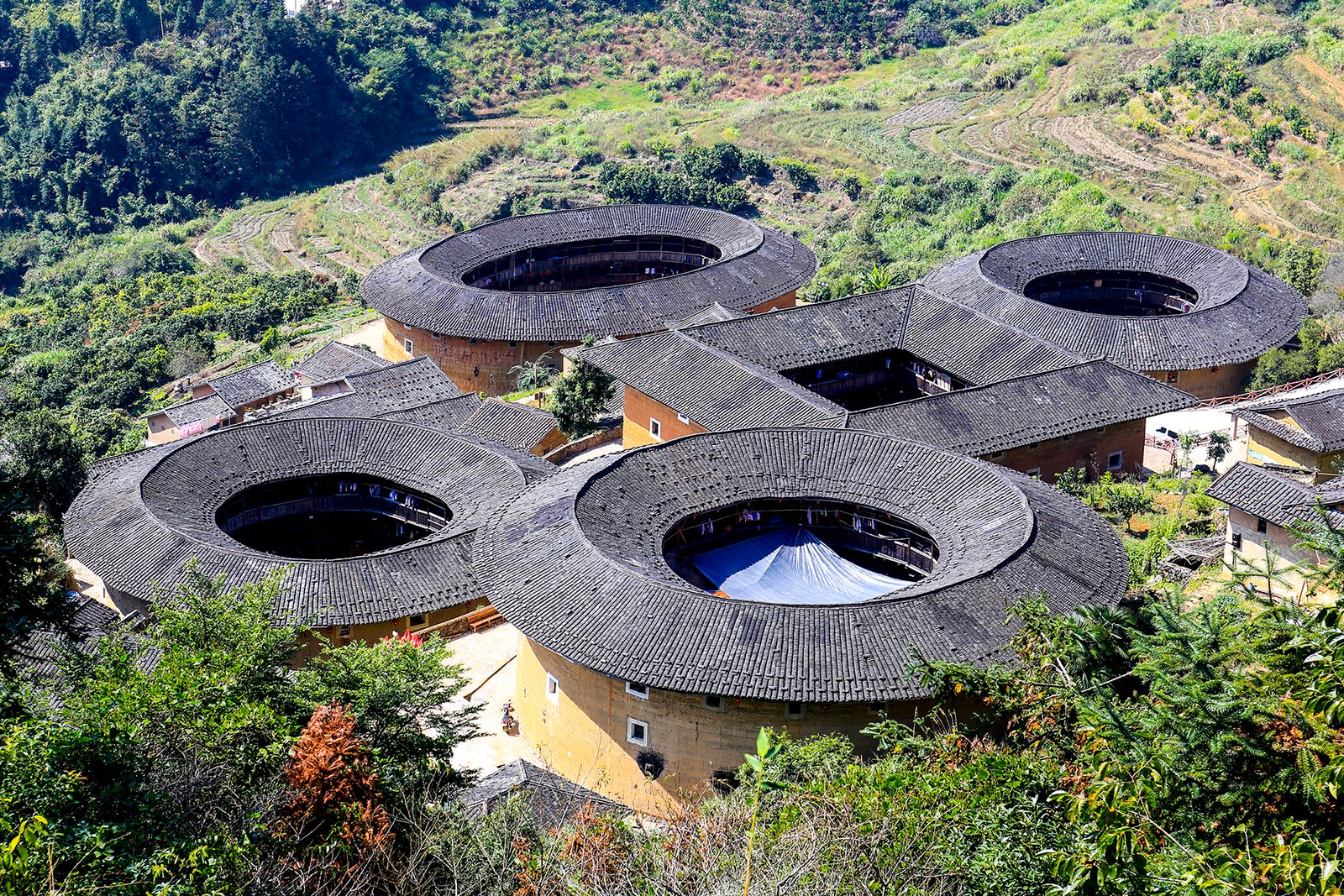
Zhangzhou is the fourth Fujian entry, and the only place on this map where a village took a film’s name. Yunshuiyao — formerly 长教 — is where The Knot (2006) was shot on location, and the name on the bus stop is now the film’s title rather than the village’s own. The county holds four of the 46 World Heritage structures: the Tianluokeng cluster, the Hekeng cluster, Huaiyuan Lou and Hegui Lou. Tianluokeng is the image on the nomination file.
One correction worth carrying. Big Fish & Begonia (2016) is routinely filed under this county, including by an official Xinhua feature on Zhangzhou’s film routes, but it is an animation with no shoot at all, and the building its directors actually chose after two research trips — Chengqi Lou — is in Yongding District, Longyan, about 48 km and one prefecture away.
Getting there: 南靖站 on the Longyan–Xiamen line, open since June 2012 and about half an hour from Xiamen, then bus 1 into the county town and bus 6 out to the Yunshuiyao scenic area. Driving from Xiamen takes 2 to 2.5 hours. The two scenic areas — Yunshuiyao and Tianluokeng — are 40 minutes apart by mountain road and sell separate 90-yuan tickets.
When, and how long: March to May or September to November. Give it two days — one for Yunshuiyao and its two World Heritage buildings, one for the Tianluokeng line and Yuchang Lou. Add a day and 48 km if you want the Begonia prototype. See the Zhangzhou filming locations guide.
Jiangxi: a porcelain city, and the county that has been filmed for fifty years
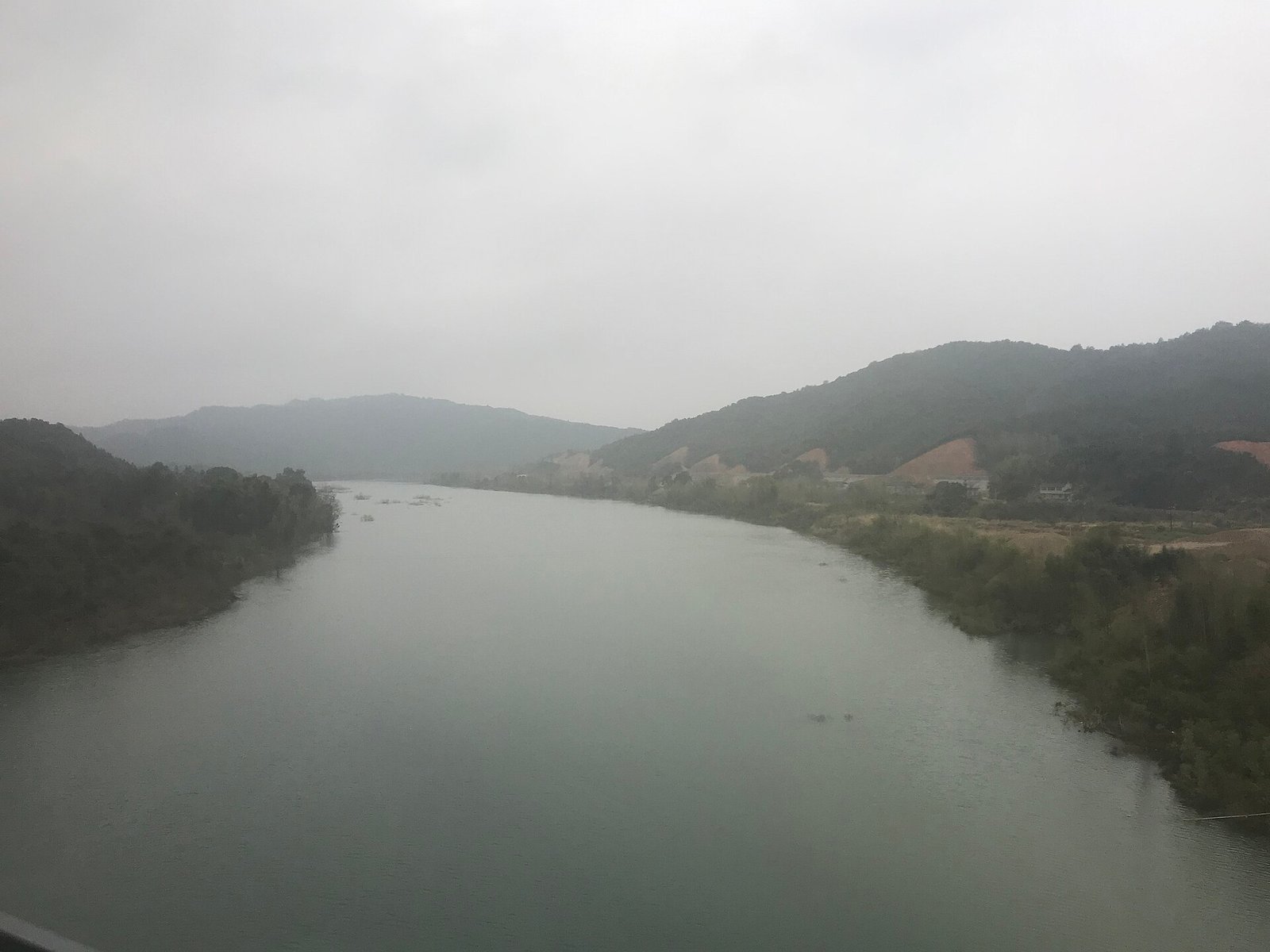
Jingdezhen is the city entry for Jiangxi, and it is a different proposition from Wuyuan: an industrial town that has been on screen twice, fifty years apart, for opposite reasons. In 1974 The Sparkling Red Star turned Fuling County’s rivers, bridges and camphor trees into a revolutionary battlefield; in 2023 Reblooming Blue used its kilns, factories and old towns as the set for a drama about making porcelain. The film locations are in the county, not the urban districts — that is the single most useful thing to know before you book. In July 2026 the city’s porcelain industry relics were also inscribed as a World Heritage site, China’s first in the industrial-heritage category.
Getting there: Jingdezhen North is on the Hangzhou–Huangshan–Nanchang high-speed corridor — Nanchang just over an hour, Hangzhou and Shanghai four to five hours. The city is also one of only two ports in Jiangxi in China’s 240-hour visa-free transit scheme. The village sites — Jinxi Bridge, the camphor at Zulu Yuan, the Zangwan market — need a car and a driver.
When, and how long: late September to early November gives the clearest light and the most reliable weather. Give it two days: one for Taoyangli, the Imperial Kiln Museum and the Taoxichuan market, one for the county. See the Jingdezhen filming locations guide.
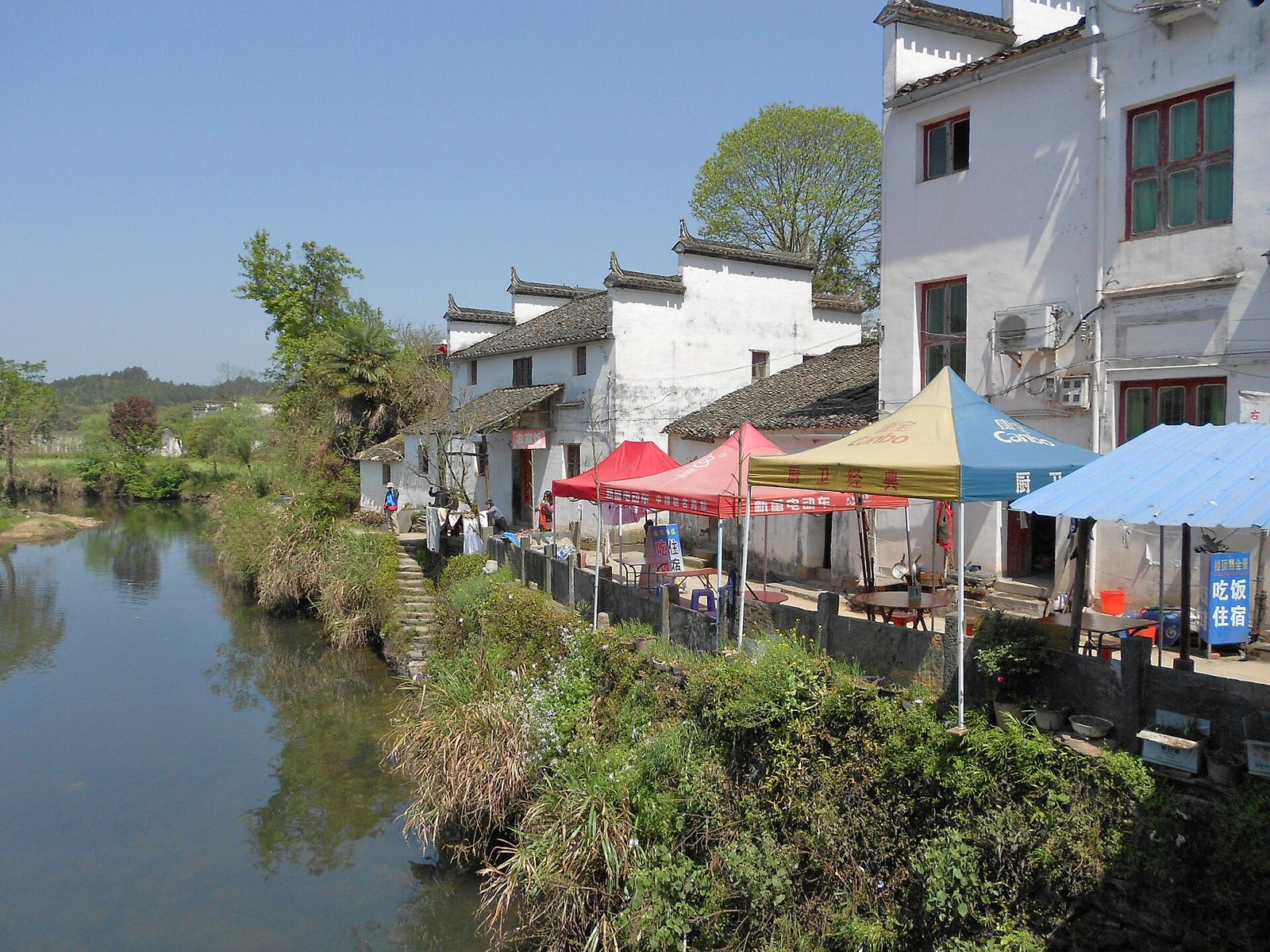
Wuyuan, the other Jiangxi entry, is the odd one out on this map. It is not a city and it has no film studio; it is a county of white-walled Huizhou villages in the far north-east of Jiangxi, pressed against Anhui and Zhejiang, and it has been used as a film set for half a century. The Sparkling Red Star put a boy on a bamboo raft here in 1974. The Liaozhai television series shot in Zhangcun in the late 1980s. Huo Jianqi’s Warm won Tokyo’s top prize after shooting at Qingyuan in 2002. And Feng Xiaogang put a circular frame around Chaguan and Shangtan for I Am Not Madame Bovary in 2016. Four productions, four decades, all on location, none of them in a studio.
Getting there: Wuyuan station sits on the Hefei–Fuzhou high-speed line, about 25 minutes from Shangrao and 23 minutes from Huangshan North, with direct services from Hangzhou and Shanghai. The station is roughly 35 km from Huangling — 40 to 60 minutes by road, with a shuttle between the station or the county town and the visitor centre. The Tiankeng Library is in the county town itself. Everything else — Chaguan, Shangtan, Zhangcun, Qingyuan — needs a car.
When, and how long: two windows matter. Late March to early April for the rapeseed terraces, and late October to mid-November for the sun-drying racks at Huangling and the dawn mist at Shicheng. Give it two days: one for Huangling and the county town, one for the film villages. See the Wuyuan filming locations guide.
Guangdong: Shenzhen, Jiangmen and the coast between them
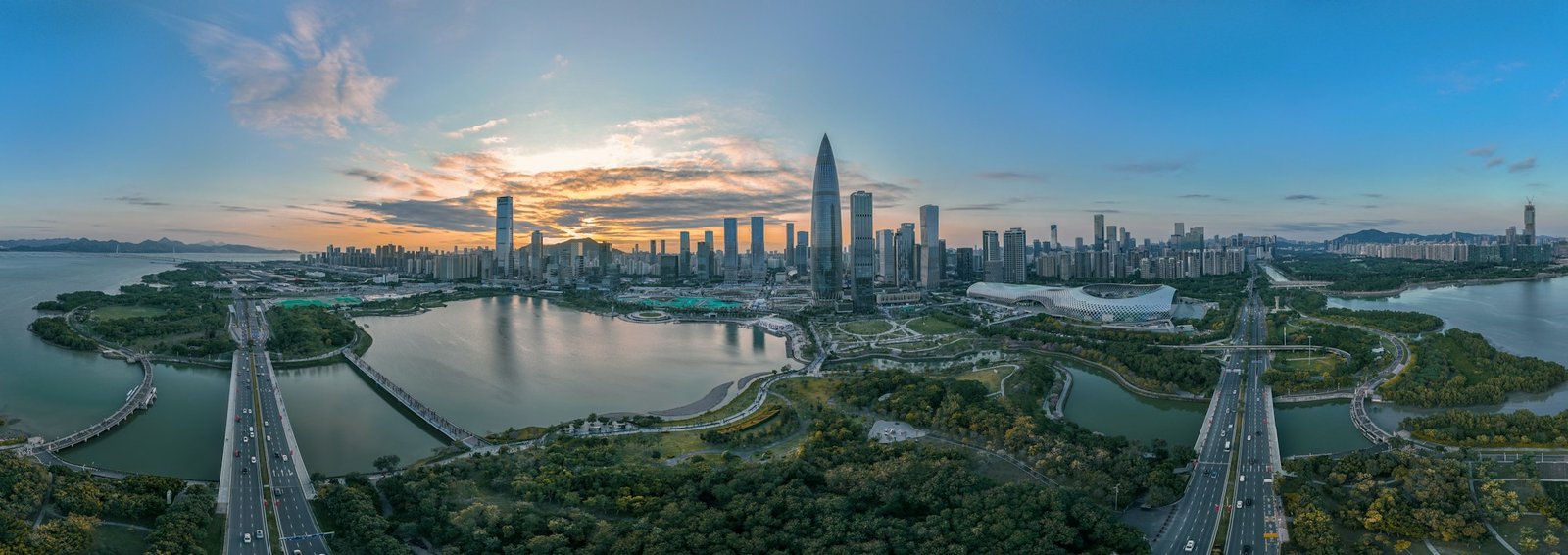
Shenzhen is the province’s newest city and its least provincial — the market town that became a megacity in forty years, and the place China’s reforms were piloted in. It arrives on this site the way most visitors meet it: through a drama. The Love You Give Me (2023) was shot on location across the city, and its filming locations run from the Bay Area Light ferris wheel on the Bao’an waterfront, through the Ming-dynasty walled town of Dapeng Ancient City and the beaches of the Dapeng peninsula, to the reservoir boardwalk in the eastern hills and the old port district of Shekou, where the city’s first factories stood. There is no studio park on the list.
Getting there, and how long: Shenzhen is one of the easiest cities in China to reach — a major international airport, and high-speed rail that puts Guangzhou about half an hour away and Hong Kong just across the border. The city itself is metro country; the Dapeng peninsula is bus country. Allow two days: one for the waterfront-and-Shekou city day, one long day out to the walled town and the coast. If you are driving the peninsula between 1 May and 8 October, weekends and public holidays need a vehicle reservation — and the metasequoia at Enshang Reservoir turns red in winter. Guangdong earns a second mention in that same guide: a few of the drama’s beach exteriors were shot at Tenli Silver Beach in Huizhou, just over the Shenzhen border.
Jiangmen is the second Guangdong entry, and a different city altogether: a low-rise delta port an hour west of Guangzhou whose arcaded old town was never torn down. The Knockout (狂飙, 2023) was shot almost entirely here, and its filming locations centre on the Changdi Historic District — Sanshisan Xu Street and Qiming Li standing in for the show’s invented “Old Factory Street” — with further scenes at Mei Courtyard in Taishan and the UNESCO diaolou watchtowers of Kaiping. Getting there, and how long: Jiangmen is 30–40 minutes from Guangzhou by high-speed rail, and since 11 October 2026 Taishan has a direct train from Hong Kong West Kowloon in 2 hours 10 minutes. The old town is free and walkable in a morning; Taishan and Kaiping each have their own station but need a car or a local train for the last stretch, and a full day. Pair it with Shenzhen for a two-city Guangdong trip.
Kaiping, half an hour west of Jiangmen city, is the third Guangdong entry and the only one that is a World Heritage Site. Its countryside holds about 1,833 fortified towers — diaolou — built mostly in the 1920s and 1930s by emigrant families who had worked in North America, Australia and Southeast Asia and came home with concrete, steel and postcards. UNESCO inscribed “Kaiping Diaolou and Villages” in 2007, Guangdong’s first. Four clusters are ticketed — Zili, Li Garden, Majianglong and Jinjiangli — and the five-site combo costs 180 yuan and is valid two days, which is the detail that makes the county walkable rather than rushed.
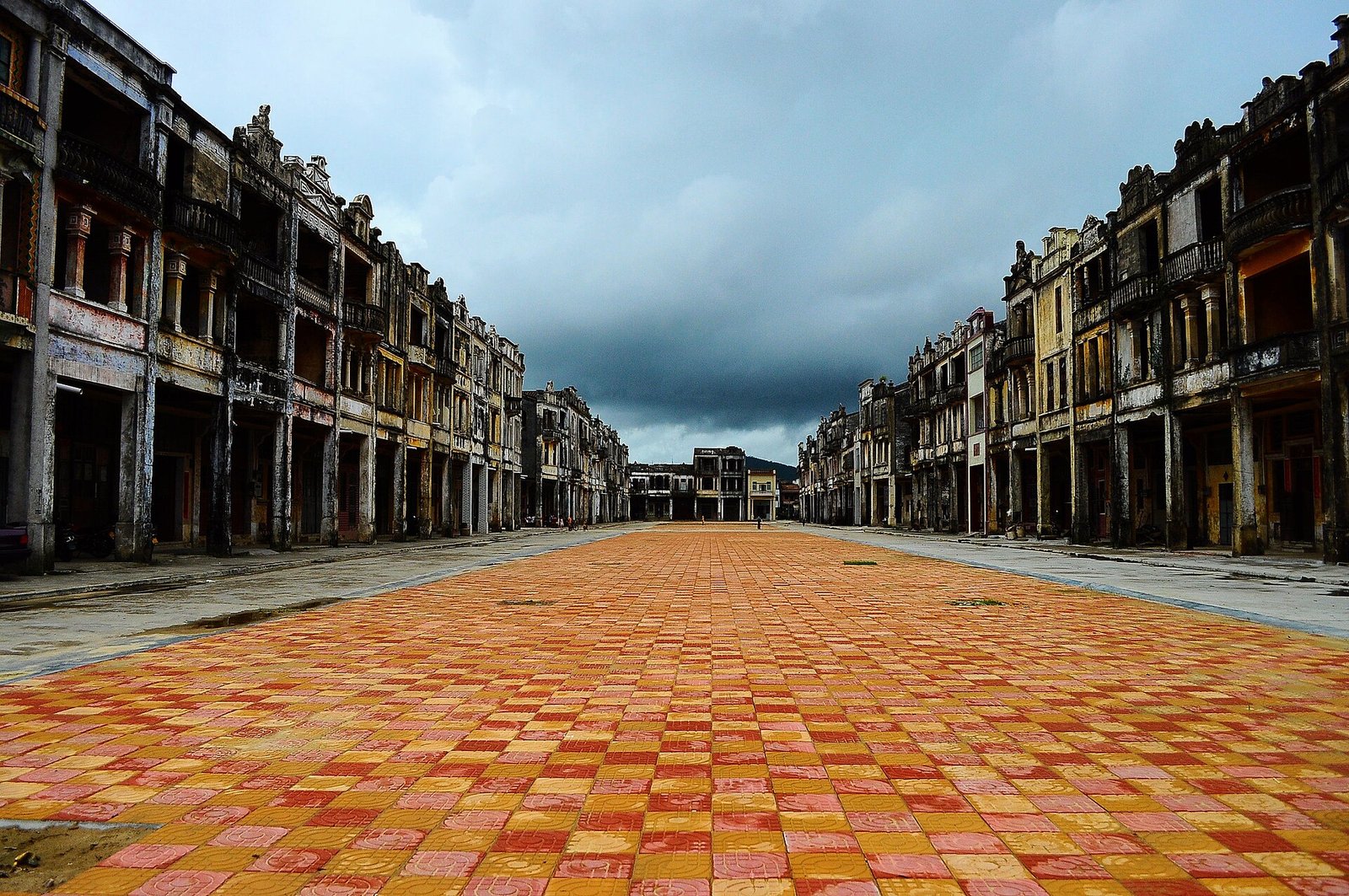
It is also where Chinese cinema keeps going when it needs old Guangdong. Let the Bullets Fly (2010) is set in a town called Goose City that never existed: the square and the gate are in Taishan, at Mei Courtyard and Gangning Xu, while the villain’s house is Mingshi Lou in Zili Village, in Kaiping — three sets, two county-level cities, forty kilometres apart. The same villages have since played at least four other fictional cities, which is the whole argument of our Kaiping diaolou guide. Chikan, twenty minutes from the towers, is the caution: a free working town until 2017, 120 yuan on the 2023 trial, and 150 yuan since January 2025 — the 60 that every English-language post still quotes was the concession ticket, not the adult one.
Getting there, and how long: the Jiangmen–Zhanjiang line puts Jiangmen, Taishan and Kaiping South on one corridor, and since 11 October 2026 Hong Kong West Kowloon runs direct to Taishan in 2 hours 10 minutes. None of the three stations is near a tower, so the last stretch is a taxi or a hired car — and there is no shuttle between the sites. Two days: one for Taishan, one for Kaiping, with the fields gold in late October and November.
Zhanjiang is the third Guangdong entry, and the one most itineraries skip: a French-leased port at the bottom of the Leizhou peninsula, where the arcades were never restored because nobody ever needed to. The Bad Kids (隐秘的角落, 2020) was shot almost entirely here — the old town grid, the bookshop on 92 First Road, the swimming pool that has since produced five Olympic diving champions, and the rusting Japanese passenger ship on the Xiashan promenade. Its filming locations are free, open and still lived in, which is exactly what Chikan in Kaiping stopped being in 2017.
The catch is in the opening scene. The mountain the series begins on, Liufengshan, is not in Zhanjiang at all — it is in Lingshan County, Qinzhou, in Guangxi, about three hours away, and it is the only major location in the show outside Guangdong. Almost every Chinese travel article about the series calls it a Zhanjiang location, which is why our guide prints the whole table sorted by administrative unit.
Getting there, and how long: Zhanjiang Wuchuan airport (ZHA) opened in March 2022, forty kilometres north-east of the city — note the name, because that is why English-language readers cannot find it. The coastal high-speed line has reached Zhanjiang West since 2018, and the same corridor serves Jiangmen and Taishan. Two days: one for Chikan old town and the Xiashan promenade, one for Naozhou island or Huguangyan. Go in October or November — the city was affected by eleven typhoons in 2025, a record.
Guangxi: the landscape on the 20-yuan note
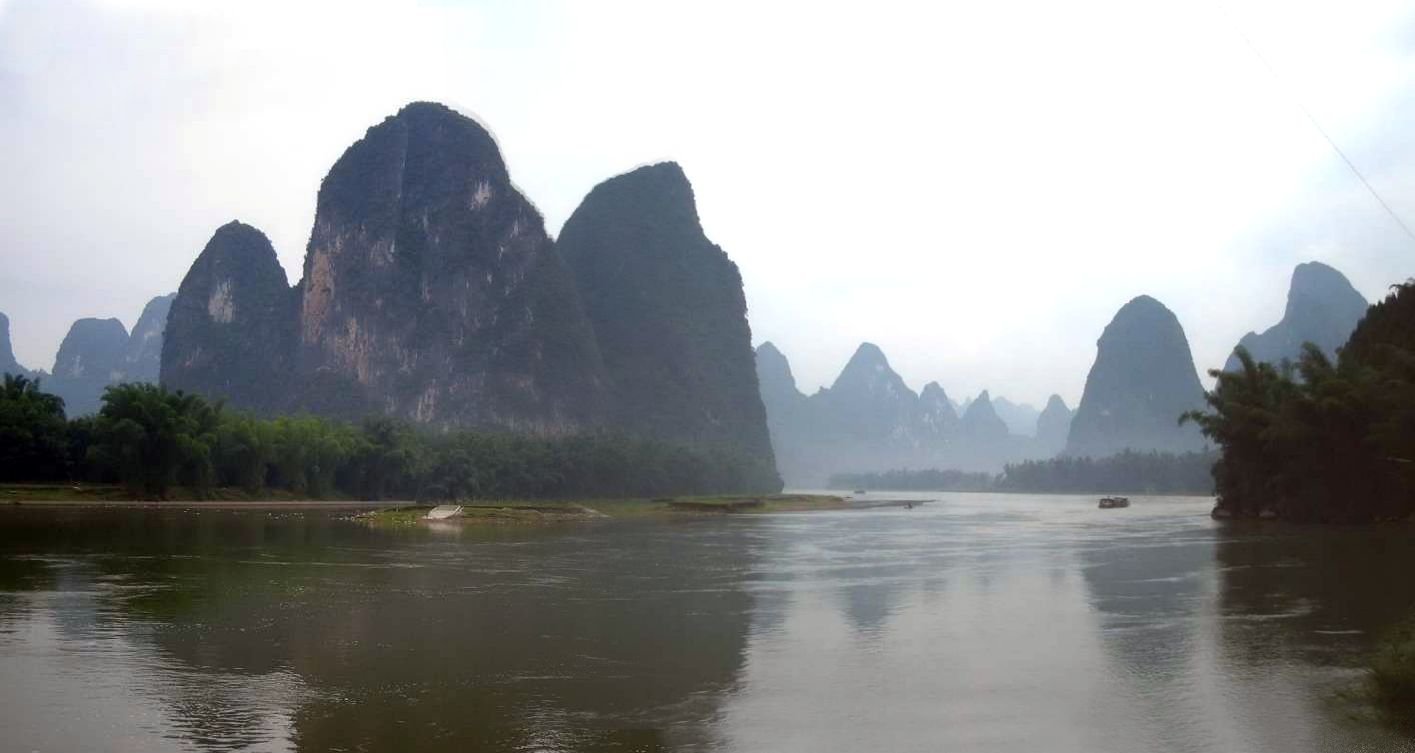
Guangxi is the southern province whose karst peaks around Guilin (桂林) and Yangshuo (阳朔) are the single most photographed scenery in China — the view printed on the back of the 20-yuan note, taken from the Li River at Xingping. It is also where the 1960 film Liu Sanjie (刘三姐) was shot; it came out of the Changchun Film Studio, and Zhang Yimou’s open-air Impression Sanjie Liu still plays on the river at Yangshuo each night. Add the Longji rice terraces in the hills to the north and you have one of the most cinematic regions in the country. See the Guilin and Yangshuo guide.
Getting there: fly into Guilin Liangjiang International Airport (KWL), which is one of Guangxi’s 240-hour visa-free transit ports, or take the high-speed rail. Guilin has four high-speed stations, including one at Yangshuo; the fastest trains from Guangzhou South reach Guilin West in about two hours and five minutes.
When, and how long: April to October is the best window, with September to November the golden stretch — clear skies, mild days and golden terraces. Allow three to four days for the Li River cruise, Yangshuo and the rice terraces.
One Guangxi entry arrives sideways. Liufengshan in Lingshan County, Qinzhou, is a national AAAA scenic area of six limestone peaks rising out of a county town on the Mingke River — and it is where The Bad Kids opens, which is why a large number of Chinese guides file it under Zhanjiang. It is not in Zhanjiang. See our Zhanjiang guide for the full account, including why almost every source gives its height as 182 metres when that is the relative height rather than the elevation, and why two entries in the same encyclopaedia disagree on the elevation by a hundred metres.
Hunan: the stone forest that plays other planets
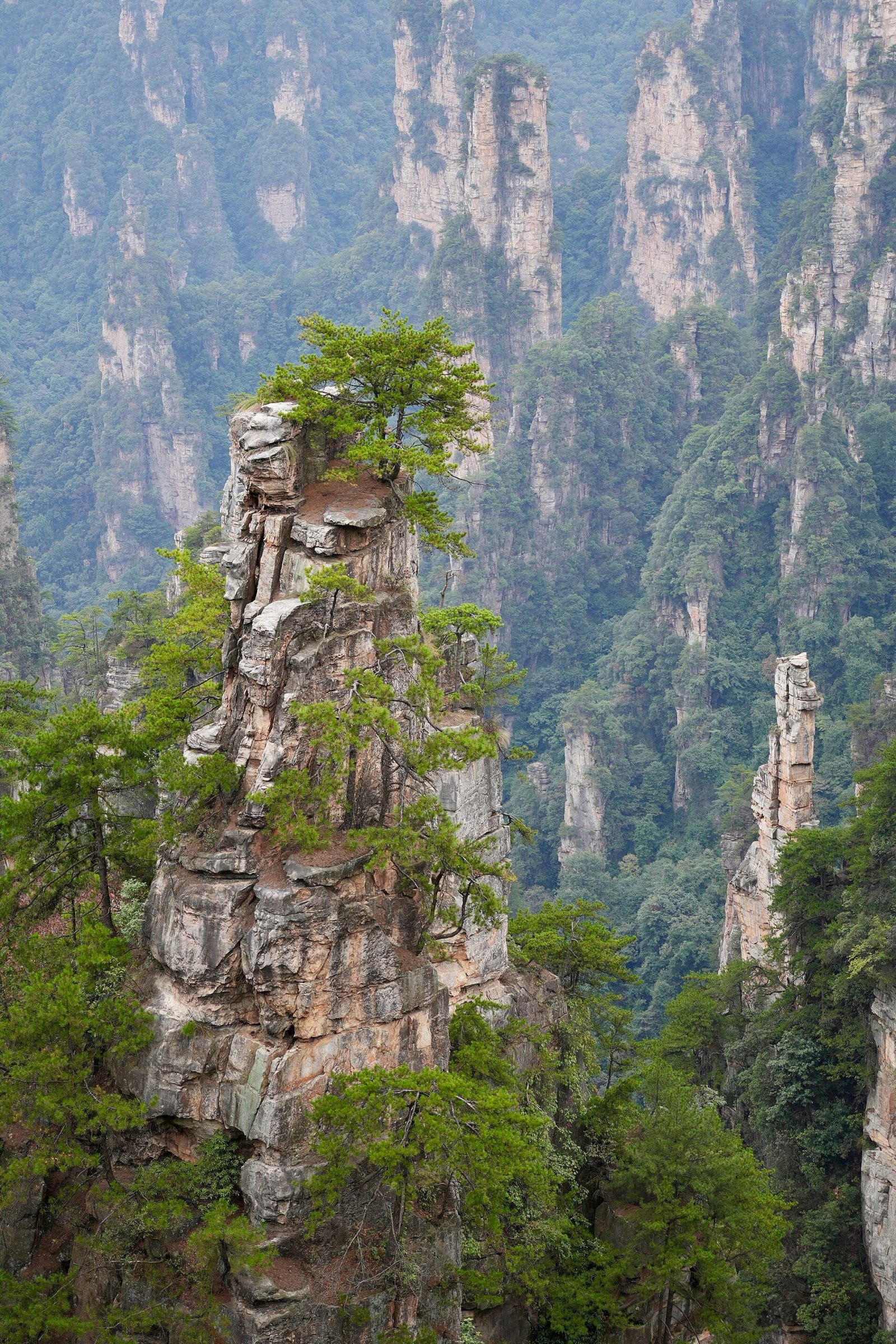
Hunan is the province in the middle of the country whose north-west corner holds Zhangjiajie (张家界) and the quartz-sandstone pillars of Wulingyuan — more than 3,000 spires rising out of the forest, and the landscape that inspired the Hallelujah Mountains of Pandora in Avatar. The park renamed one of its pillars “Avatar Hallelujah Mountain” in 2010. What was genuinely filmed here is the 1986 television Journey to the West, shot at Golden Whip Stream, Huangshizhai and Baofeng Lake, alongside the 1987 drama Wulong Mountain Bandits, which gave the Wulong Stronghold its name. Add Tianmen Mountain with its 7,455-metre cableway and the Grand Canyon glass bridge, and you have the most cinematic landscape in central China. See the Zhangjiajie guide.
Getting there: fly into Zhangjiajie Hehua International Airport (DYG), a 240-hour visa-free transit port since December 2024, or take the high-speed rail to Zhangjiajie West. The fastest trains from Changsha South take about two hours and thirty-six minutes, and from Shanghai Hongqiao about eight hours and forty-six minutes.
When, and how long: April to October is the best window, with September to November the golden stretch; spring and early summer bring the sea-of-cloud photographs. Allow three to four days for the park, Tianmen Mountain and the glass bridge.
Fifty kilometres west along the coast, Oriental Movie Metropolis is the other half of the Shandong story and it works the opposite way round. The city sells you streets that were built for people and later filmed; the studio sells you a film industry and then puts a fence round it. The development is 376 hectares, of which the film industrial park is 170 — 40 sound stages, 32 scenery workshops, a 21 by 10 by 6 metre underwater tank and a virtual production stage. The other 206 hectares are a mall, an amusement park, four hotels, a marina and an island of apartments. Our Qingdao film studio guide is organised around the three doors that result: the working door the productions use, the tour door that admits guided groups to whatever stage is empty, and the commercial door, which is free and has never had a crew in it.
What that means on the ground: there is no ticket to the sound stages, and the 148 yuan that circulates online as “Oriental Movie Metropolis admission” is a Sunac Park ride pass for the amusement park next door. Take Metro Line 13 to Chaoyangshan for the mall, Star Island and the Coral Shell Bridge; the stop named Zhaojiamiao (Film Industrial Park) is the one that reaches the studio, and it reaches a fence. The backlot with period street sets is at Cangma Mountain, 35 km inland, and its ticket office sells the forest park rather than the sets. Budget two hours for the free parts and a full day only if a tour product is running on your dates.
Shandong: the city that plays every school
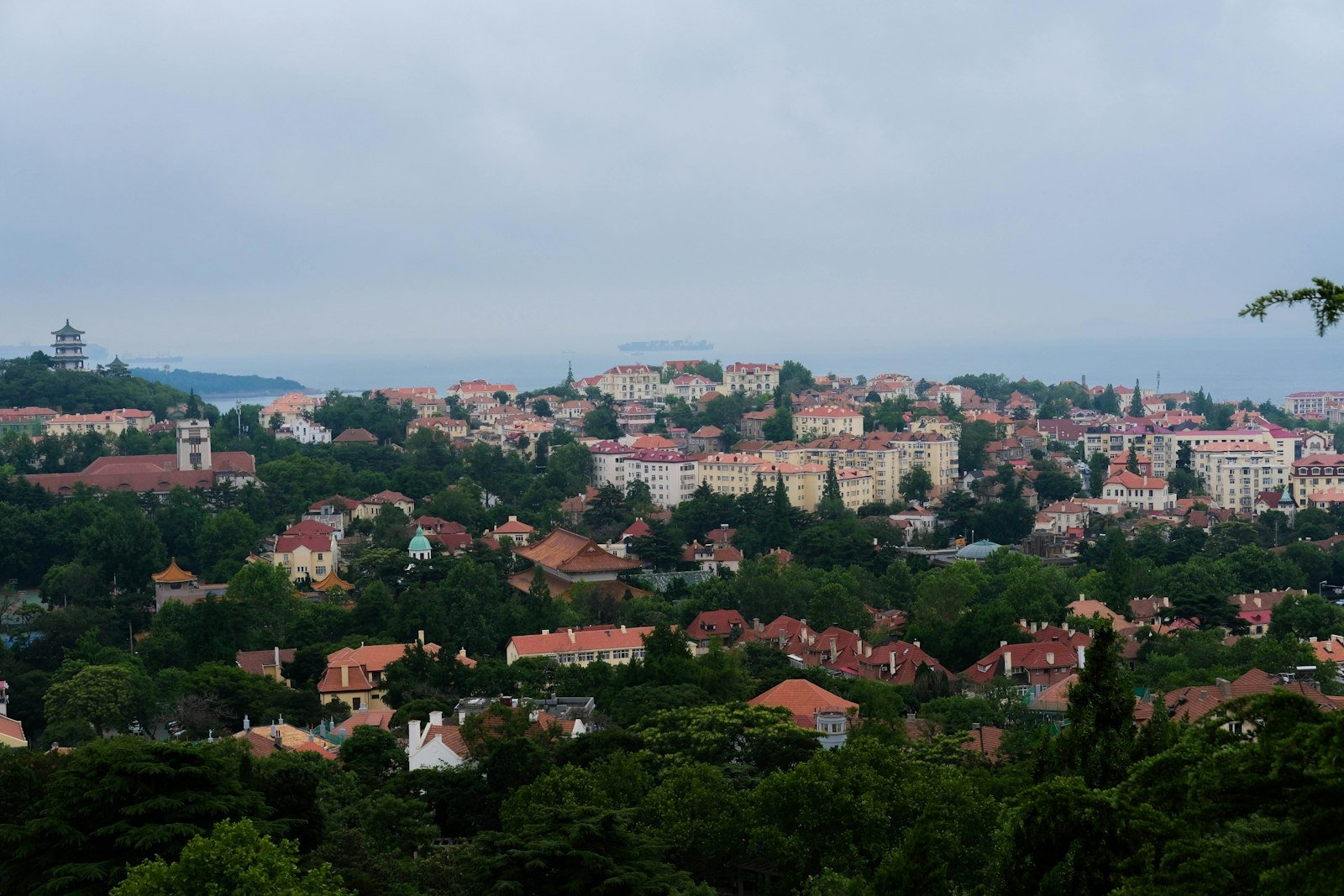
Qingdao is the only Chinese city we have found that publishes its own drama-location trail: the municipal tourism bureau lists three routes and names the productions shot along each. That is genuinely useful — and, if you came for a high-school romance, it is also the wrong map, because the spots fans actually want are not on it. The look that sells the city is the old town: red tile roofs, green trees, blue sea, blue sky. The youth dramas were shot at a working school you cannot enter, and on the streets of Badaguan, which are free.
Getting there: high-speed rail from Beijing or Shanghai, or the airport at Jiaodong, north of the city. Metro Line 3 is the old-town line — it links the railway station with the parks around Badaguan — and Line 1 reaches the Textile Valley.
When, and how long: May to June, or September to October. Avoid mid-July to mid-August entirely: that is the beer festival, and the coast runs at capacity. Two to three days. See the Qingdao guide.
Xinjiang: the far north-west, and the country My Altay was shot in
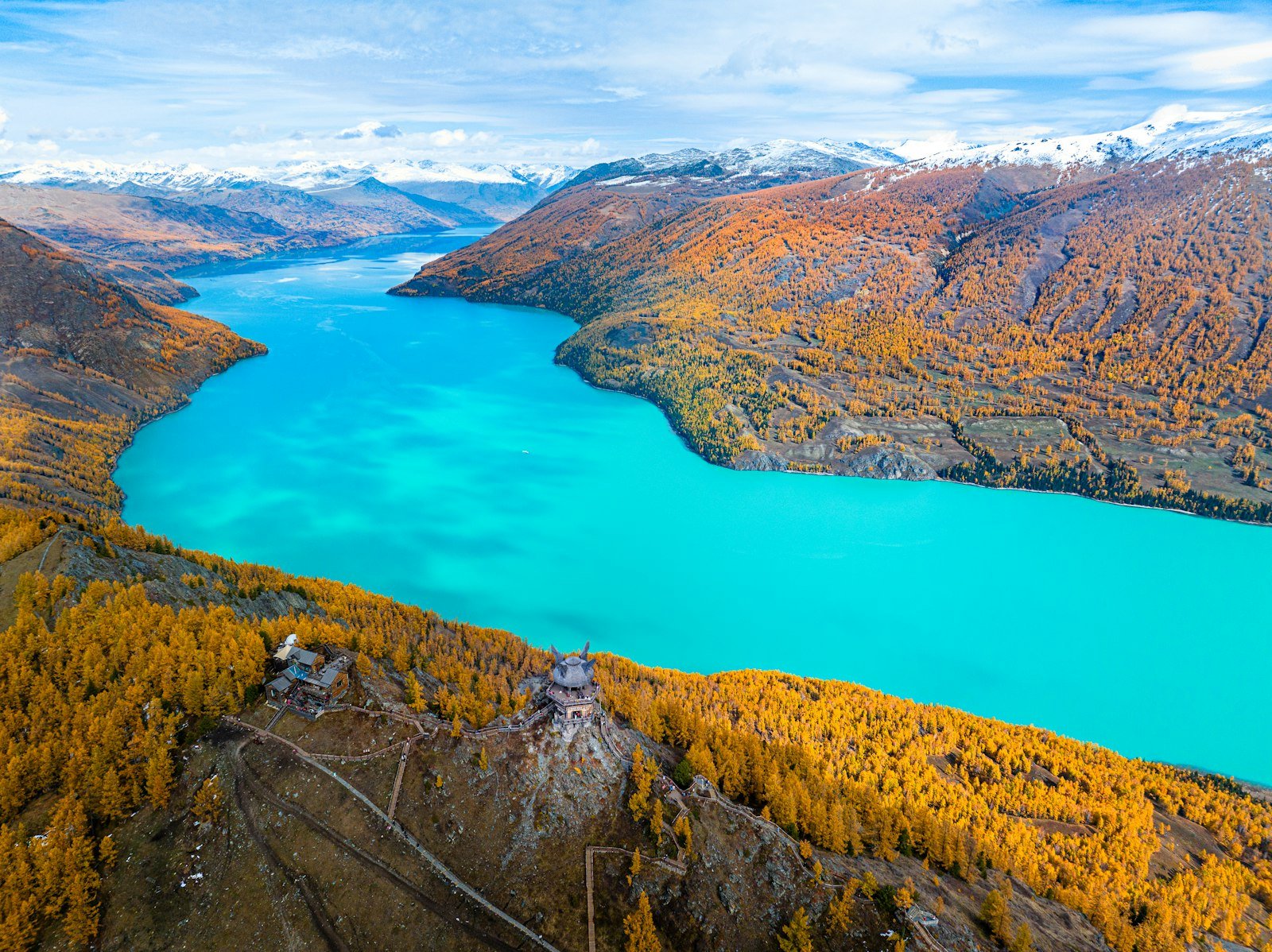
Altay is the prefecture at the very top of Xinjiang, pressed against Kazakhstan, Russia and Mongolia — a country of high pasture, birch forest and a lake that changes colour with the light. It entered this map the way Jilin did: through a drama. My Altay (我的阿勒泰, released internationally as To the Wonder, 2024) was shot across Habahe and Burqin counties, and its filming locations run from the rebuilt village of Caihong Bulake and the border settlement of Baihaba to Kanas Lake and the Tuva village of Hemu. It is the least convenient region on this site and the most spectacular: there is no train to any of it, the far north-west is a flight-and-driver trip, and Baihaba sits inside a border area that foreign visitors need a pass to enter. Go in late September for the birch colour, or in winter for the snow and the skiing at Jikepulin.
Gansu: the desert corridor, and the rainbow hills along it
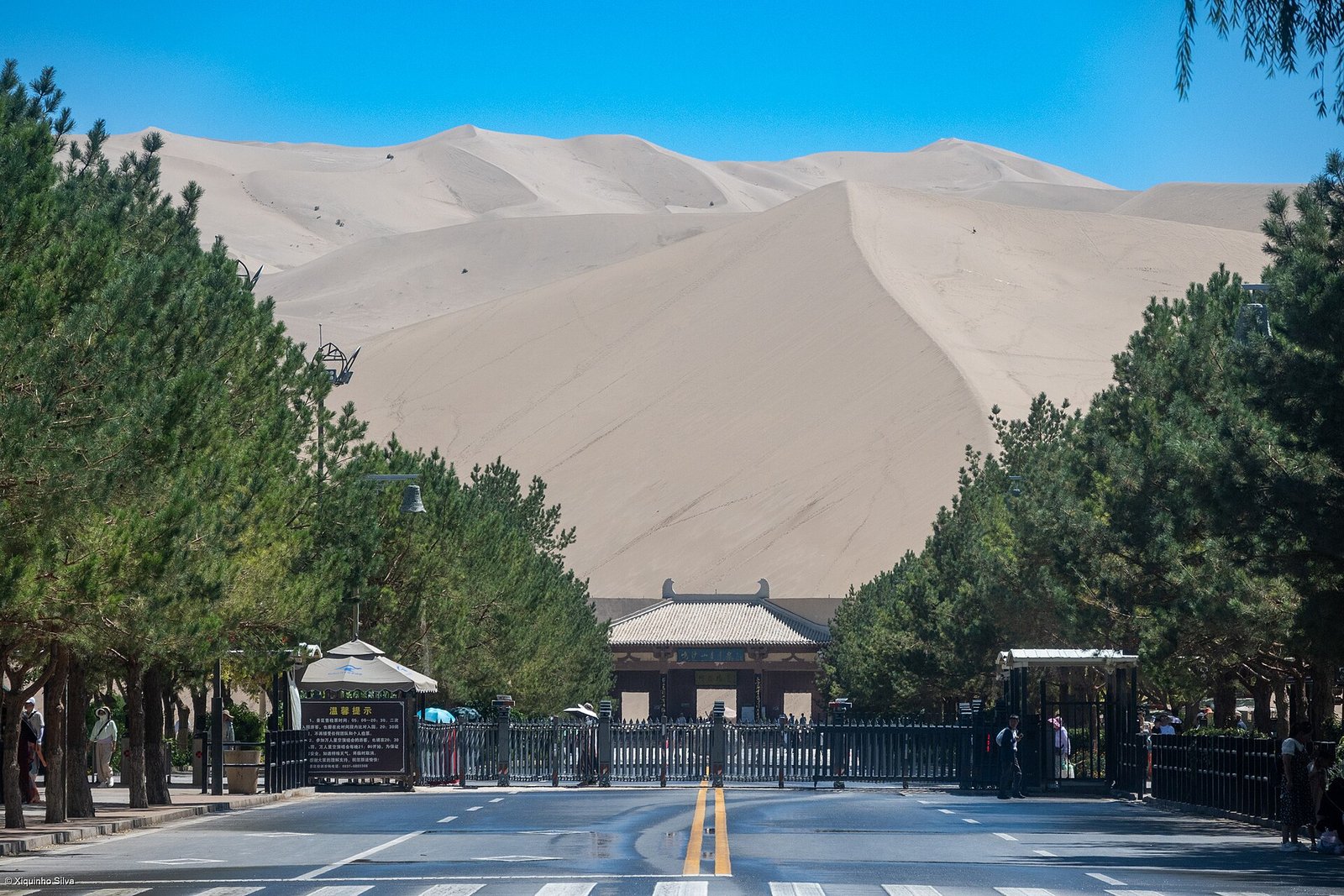
Gansu is the long, thin province that carries the Hexi Corridor — the string of oasis towns that linked China to Central Asia — and at its western end sits Dunhuang (敦煌), the last great Silk Road city before the desert. It is the western of the two Gansu entries on this page, and the desert scenes of A Chinese Odyssey (1995) were shot at Mingsha Mountain and Crescent Lake, and the 2019 drama Goodbye My Princess used the dunes and the Huyang Gorge in neighbouring Aksai as its princess’s homeland. The headline sight is the Mogao Caves, 735 painted grottoes cut into a cliff over a thousand years and a UNESCO World Heritage Site — the western sibling of Luoyang’s Longmen Grottoes. See the Dunhuang guide.
Getting there: Dunhuang Mogao International Airport (DNH) has direct flights from Beijing, Shanghai, Xi’an, Lanzhou and more, and Dunhuang station is about 10 km from the centre, roughly 4.5 hours from Lanzhou by bullet train. Do not book to Guazhou or Liuyuan South — both are far from the city.
When, and how long: late spring and early autumn are best; winter (December to March) brings off-season prices across every major site. Allow two days for the Mogao Caves and the dunes, and a third for the western line — the Yumen Pass, the Han Wall and the Yadan geopark.
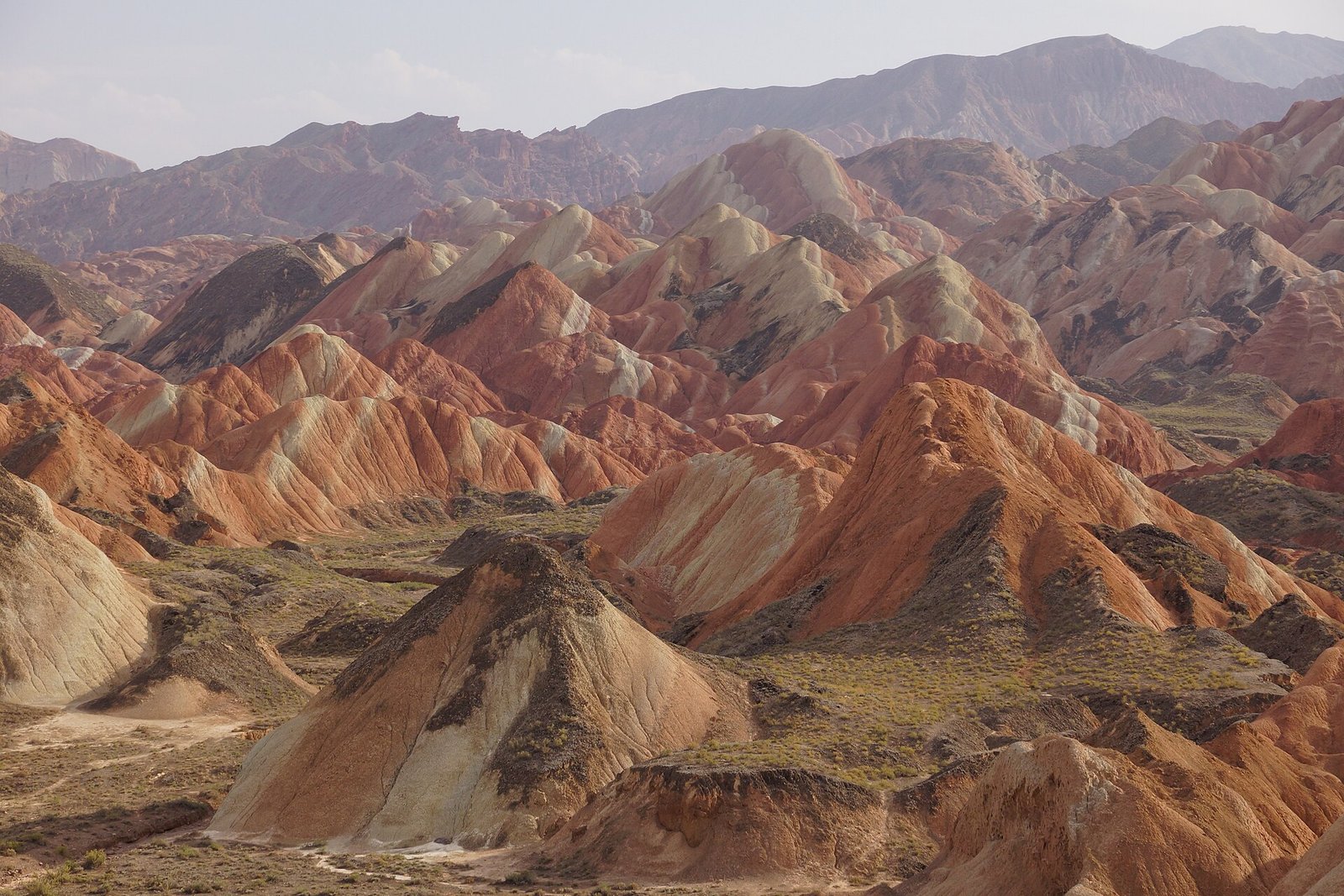
Zhangye is the second Gansu entry, and it is nothing like the first. Four hundred kilometres east of Dunhuang, in the middle of the Hexi Corridor, a set of low hills has been stripped of vegetation and left banded in rust, ochre and grey — the landscape everyone calls Seven-Colour Danxia. It is a UNESCO Global Geopark rather than a World Heritage site, and the rock is officially classified as colourful hills rather than danxia, a distinction that decides which of the two scenic areas you should actually visit. The municipal government’s own page names the productions that have shot here: Jiang Wen’s The Sun Also Rises, Zhang Yimou’s A Woman, a Gun and a Noodle Shop and The Great Wall, and the television series Amazing Detective Di Renjie, which used neighbouring Binggou Danxia.
Getting there: Zhangye West is on the Lanzhou–Xinjiang high-speed line, three to three and a half hours from Lanzhou and about an hour and a half from Jiayuguan; Zhangye Ganzhou Airport is roughly 40 km out. The scenic area is 40 km west of the city in Linze County, and the last leg is a taxi, a chartered car or the 15-yuan bus from Zhangye West bus station — which stops running before sunset.
When, and how long: June to September for reliable light, and avoid the first week of October. Two days, and sleep at the gate rather than in the city: the hills only work in the hour after sunrise and the hour before sunset. Admission is 70 yuan plus 38 yuan for the shuttle since January 2026. See the Zhangye filming locations guide.
Ningxia: the film city in the desert
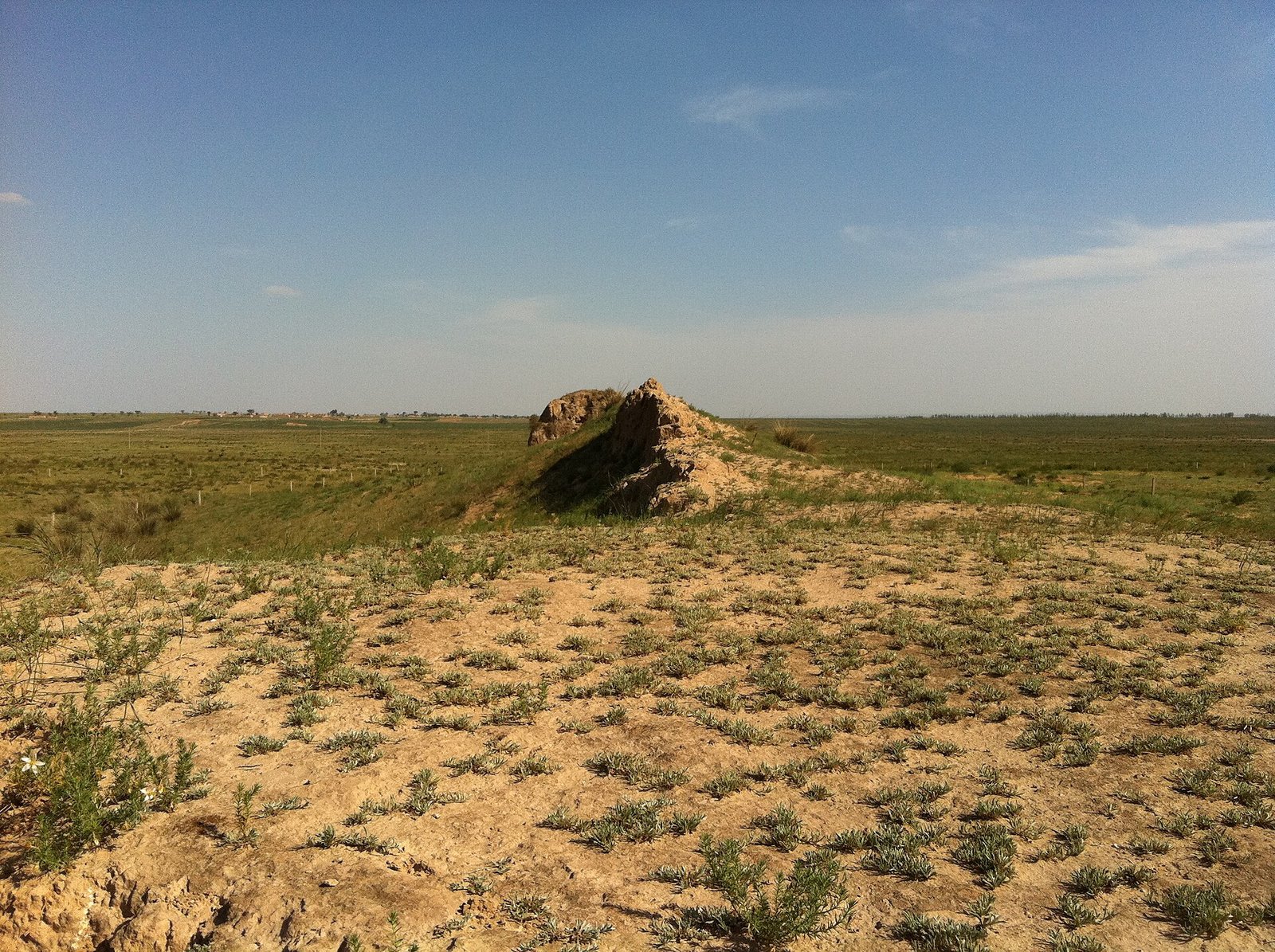
Ningxia is the small region on the Yellow River where the desert begins, and its capital Yinchuan (银川) is home to China’s most storied film studio. The Zhenbeibao West Film Studio, 35 km north-west of the city, was built inside two Ming forts by the writer Zhang Xianliang in 1993, and it has since hosted more than a hundred films — among them Zhang Yimou’s Red Sorghum (1987), Wong Kar-wai’s Ashes of Time (1994) and A Chinese Odyssey (1995), whose main scenes were shot here. West of the city, the Xixia Imperial Tombs joined the UNESCO World Heritage List in July 2025. See the Yinchuan filming locations guide.
Getting there: Yinchuan Hedong International Airport (INC) has a high-speed rail link to the city, and since December 2025 the Baotou–Yinchuan high-speed line gives Yinchuan a direct rail link to Beijing (about six and a half hours). The Yinchuan–Xi’an line runs south in about three hours.
When, and how long: late spring and early autumn are the most comfortable, and the tomb plain looks best in the low autumn light. Allow two days — the film studio and the city on one, the Xixia tombs and the Helan Mountains on the other — and a third for Shahu and the rock art.
Shaanxi: the old capital that films itself
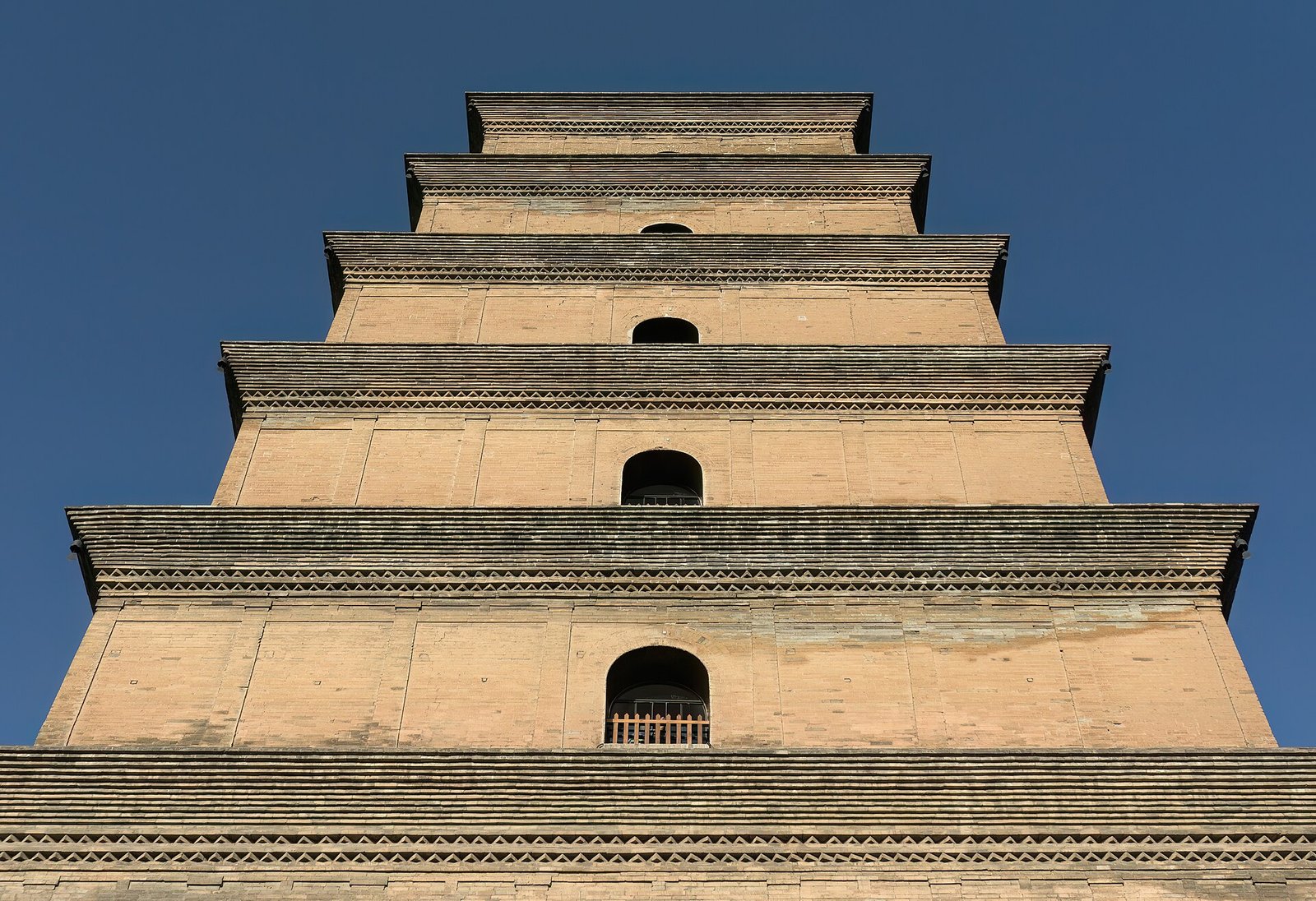
Xi’an is the oldest city on this page and the only one that was a capital for thirteen dynasties — which is exactly why dramas keep using it as itself. The contemporary romance Forever and Ever (一生一世, 2021) drops a modern couple into the old city and lets the place do the work: they meet inside Qinglong Temple, a Sui-founded temple that became the ancestral home of Japanese Shingon Buddhism; the scene that echoes a past-life fall is played out on the Ming city wall at Andingmen and Yongningmen; their first meal is a bowl of paomo in the Muslim Quarter; and the modern scenes cluster in Qujiang, around the Big Wild Goose Pagoda. See the full Forever and Ever filming locations guide.
Xi’an is also the easiest of the big destinations to reach: the airport intercity line (Metro Line 14) runs to Xi’an North railway station in about 45 minutes for around ¥16, and the city wall, the temple, the food quarter and the pagoda district are all on the metro. The Terracotta Army and the Shaanxi History Museum are the two stops that need booking days ahead, and both sell out. The airport is a 240-hour transit visa-free port, with the whole province as the permitted stay area. Allow two to three days — and pair the city with the studio towns of Zhejiang if you want the other half of the story.
Shanxi: the merchant mansions and the walled city that never came down
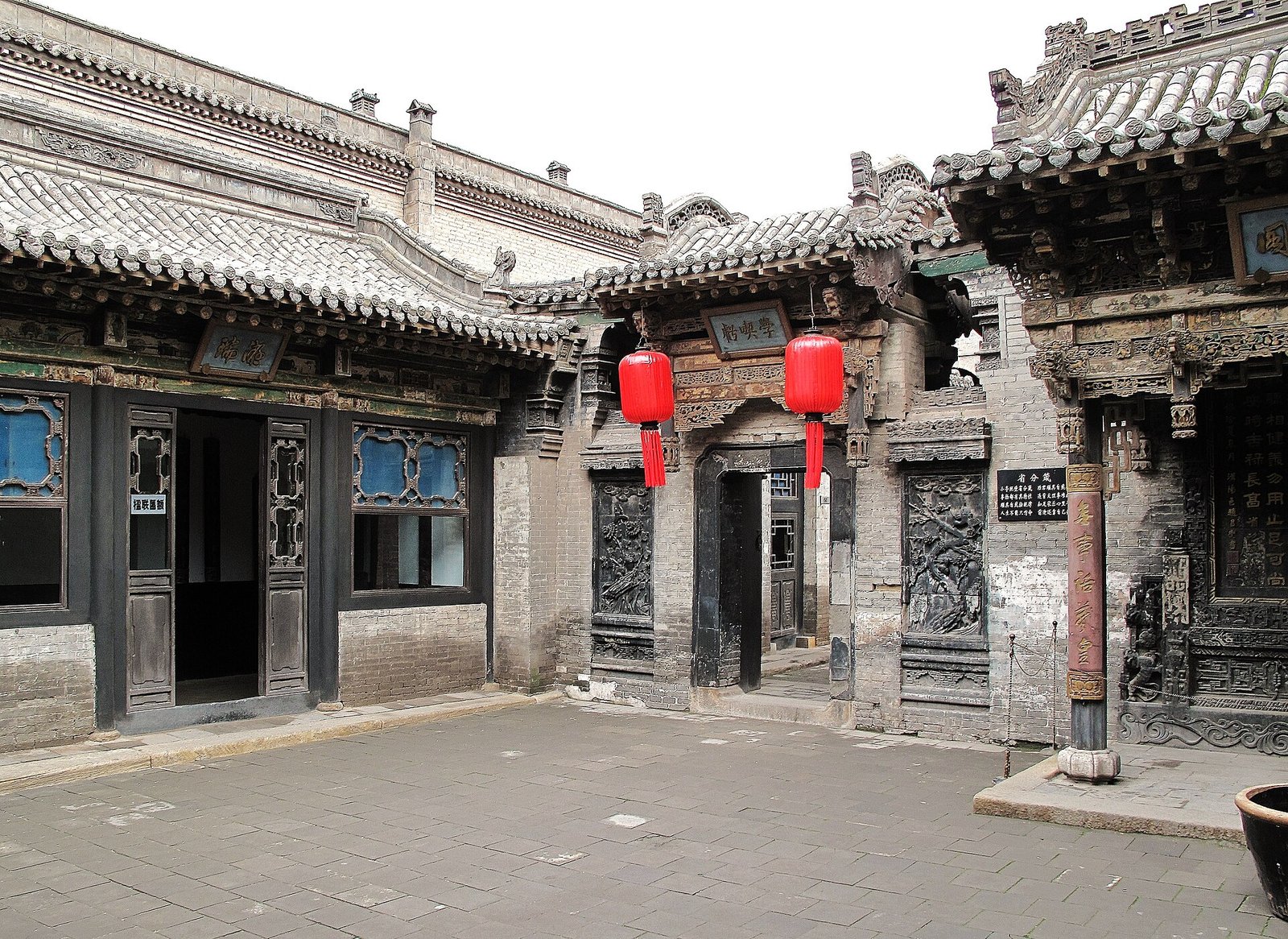
Shanxi, the province south-west of Beijing, is where China’s imperial banking families built their grey-brick courtyard mansions — and where Zhang Yimou shot the film that made his name abroad. Raise the Red Lantern (大红灯笼高高挂, 1991) was filmed inside the Qiao Family Compound (乔家大院) in Qi County, a Qing merchant’s mansion about 40 km from Pingyao, the intact Ming-and-Qing walled city inscribed by UNESCO in 1997. The two outlying temples, Shuanglin and Zhenguo, became unexpectedly famous after Black Myth: Wukong used them as settings. See the Raise the Red Lantern filming locations guide.
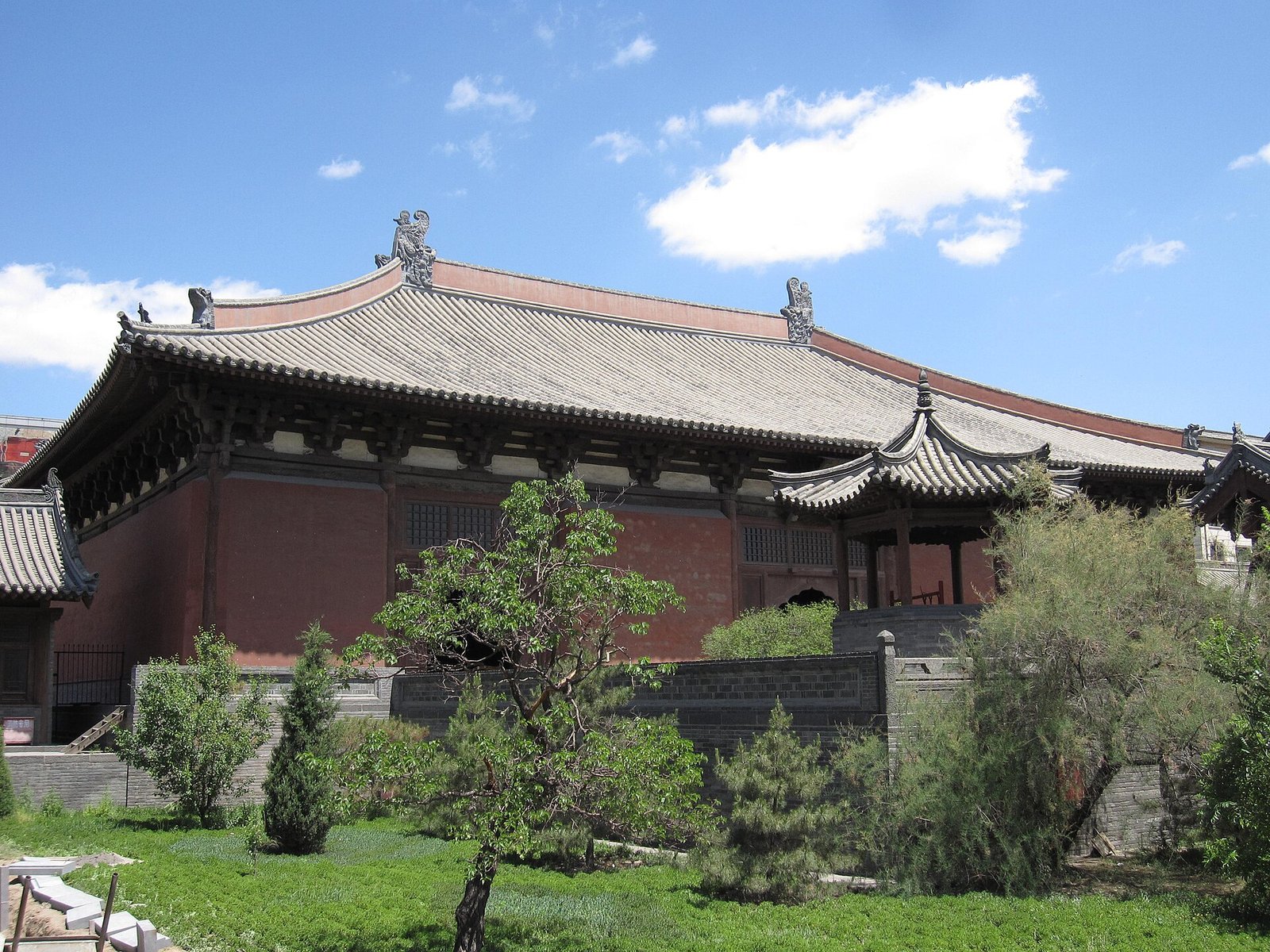
The province has a second filming region in the far north: Datong (大同), the old Northern Wei capital of Pingcheng, about two hours from Beijing by high-speed rail. Its Yungang Grottoes are a UNESCO World Heritage Site with 45 main caves and more than 51,000 carvings, and the Hanging Temple at Mount Heng is the oldest suspended wooden monastery in China. Black Myth: Wukong scanned six Datong monuments, and the director Jia Zhangke has filmed in the city for twenty years, most notably Ash Is Purest White (2018). See the Datong filming locations guide.
Getting there: fly into Taiyuan Wusu International Airport, then take the high-speed rail south from Taiyuan South to Pingyao Gucheng in about half an hour. The Qiao Family Compound is reached by road, usually as a stop on the drive between Taiyuan and Pingyao. For Datong in the north, take the high-speed line from Beijing (under two hours) or from Taiyuan.
When, and how long: spring and autumn are the most comfortable; winter is cold and quiet and is the season that matches the film. Allow two to three days — the compound takes half a day, the walled city a full day, and the temples a half-day add-on.
Taiyuan is the Shanxi stop most itineraries cut, and it is the one with the Song dynasty hall. The city is usually treated as a station between Beijing and Pingyao, which means most visitors see the high-speed platform and nothing else — and miss Jinci, twenty-five kilometres south-west, where the Shengmu Hall has stood since the eleventh century with its original painted clay figures still inside it.
South of the city, in Jinyuan district, are three different places that all get called “Taiyuan ancient city”. Jinyang, founded around 497 BC and burned and flooded by the Song in 979, is earthen ramparts in farmland with five villages on top of it. The Ming county town, founded in 1375, was rebuilt between 2013 and 2021 and is what every visitor photographs. Downtown Taiyuan is the third, founded after 979, and it is where the twin pagodas are. Full River Red (满江红, 2023) was shot almost entirely inside one five-courtyard compound in the north-east quarter of the rebuilt town, which is why our Taiyuan guide is organised around the difference between those three cities rather than around the film.
Getting there, and how long: the airport code is TYN — search the code, not the city, because “taiyuan airport” autocompletes mostly to Taoyuan, 1,800 km away. Metro Line 1, open since 22 February 2025, connects the airport, Taiyuan South and the old central station on one line, but nothing on the metro reaches Jinyuan: allow forty minutes by taxi. Two days is right — Jinci and the walled town on one, Tianlongshan and the Jinyang site on the other. Avoid March and April, when dust off the plateau sits in the basin.
The province’s second life is not a film one. Black Myth: Wukong (2024) used 27 Shanxi sites out of a claimed 36 nationwide, and the number every English listicle gets wrong is not 27 — it is the verb. Nothing was filmed. No crew went on location. The studio scanned the buildings, and a second team redesigned part of the Mount Wutai material afterwards, which is why the game looks like Shanxi without matching it. Our Black Myth Wukong locations guide works through what that changes: the 27 are real and most are open, but they are three clusters about 300 km apart, the official eight-day self-drive route covers 1,410 km and still stops at only 12 of them, and the province’s own list and the province’s own itinerary disagree about which buildings belong on it.
The part that decides the trip is size. The game’s third chapter is called Xiaoxitian and contains a snow ridge, a frozen lake and a mountain; the Xiaoxitian at Xi County is a nunnery whose Mahavira Hall measures 169.6 m² and holds nearly 2,000 painted figures, about forty visitors at a time, and 17,626 people on a single day in October 2024. The Tiefo Temple hall at Gaoping is 72 m², twenty-eight figures, ten people inside at once, free, and capped at 500 bookings a day since it opened in August 2024. Together those two rooms come to 241.6 m² — less than a doubles tennis court. Plan around the booking slot, not the map, and remember there are three different temples called Tiefo in this province.
Henan: the central plain where the Tang was invented
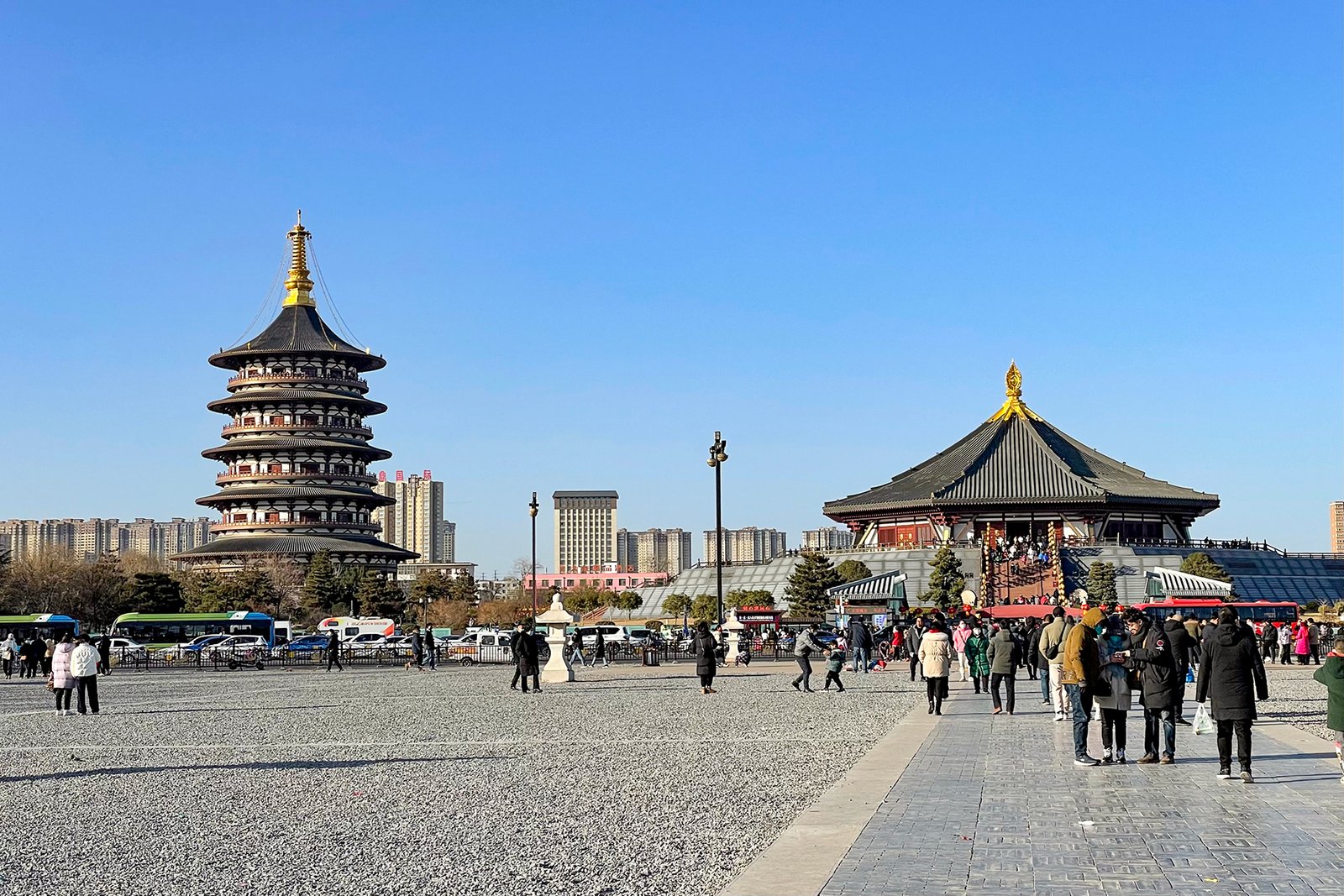
Henan is the province of the central plain, and its old capital Luoyang (洛阳) was the eastern capital of the Tang — the city Wu Zetian ruled from, and the one where the Longmen Grottoes were carved. More than 100,000 Buddhas fill the limestone cliffs above the Yi River, and the 17-metre Vairocana Buddha of Fengxian Temple is the one thing no film studio can build. The twist for drama fans is that the 2021 series Luoyang and the Tang scenes of The Longest Day in Chang’an were shot on the replica sets at Hengdian, not here. What the real city has is the archaeology: the Sui-Tang Luoyang City axis with the rebuilt Yingtian Gate, Mingtang and Tiantang, the 2,000-year-old White Horse Temple, and the old town around the Lijing Gate. See the Luoyang guide.
Getting there: Luoyang Longmen station sits on the Zhengzhou–Xi’an high-speed line — about 37 minutes from Zhengzhou East, 1 h 45 from Xi’an North, three hours from Beijing West and about five hours from Shanghai Hongqiao. The grottoes are a short taxi ride south of the city.
When, and how long: April is peony season and the busiest month; spring and autumn are the best all-round windows. Allow two to three days for the grottoes, the Sui-Tang city site, White Horse Temple and the old town, with an extra day if you add Laojun Mountain.
Sichuan: the city that plays a tower, and the valley at 4,600 metres
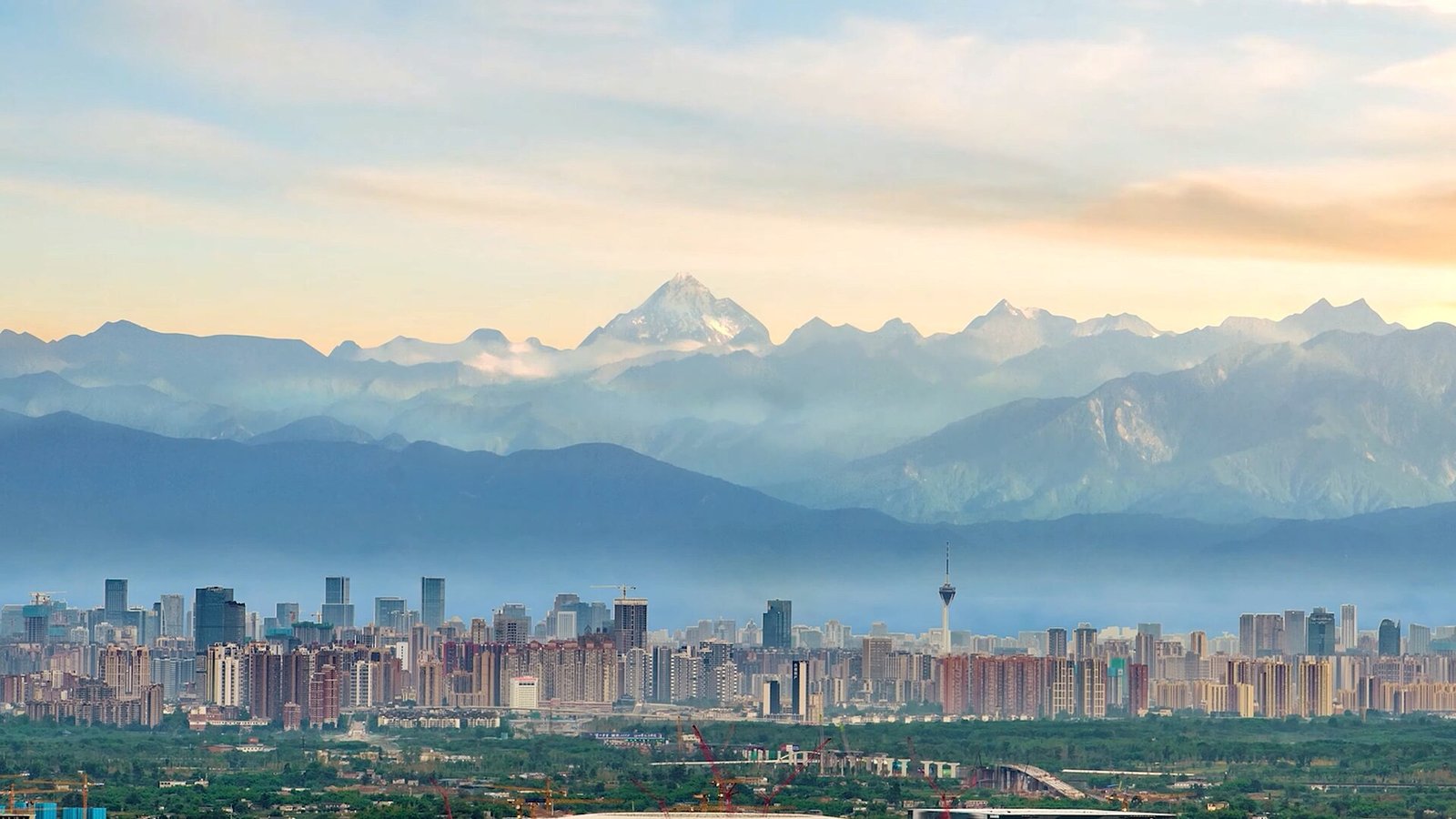
Chengdu is the capital of Sichuan and the gateway to the whole south-west, and it is on this map because of a building that does not exist. A Murderous Affair in Horizon Tower (摩天大楼, 2020) is a mystery set inside a fictional residential high-rise, and about 80 per cent of it was filmed in the real city — the production shot inside a mall bookshop (Zhongshuge at Yintai Center in99), on a rooftop dessert terrace, in a cramped record shop in Qijia Lane, at a hotpot restaurant on Beida Street and along a lane at Chengdu University of Technology, with the downtown skyline around Chunxi Road, Taikoo Li and the IFS doing the rest. See the full A Murderous Affair in Horizon Tower filming locations guide.
Chengdu is also the easiest big city on this page to enjoy without chasing a drama at all: the panda base (around ¥55, online reservation only), the free old lanes of Jinli and Kuanzhai Alley, the industrial-chic Eastern Suburb Memory, and Sichuan hotpot and teahouses on every other corner. The day trips are the real draw — Dujiangyan, Qingcheng Mountain, the Leshan Giant Buddha and Sanxingdui are all within about an hour by high-speed rail. Both Shuangliu and Tianfu airports are 240-hour transit visa-free ports, and the metro reaches nearly everything. Allow three to four days.
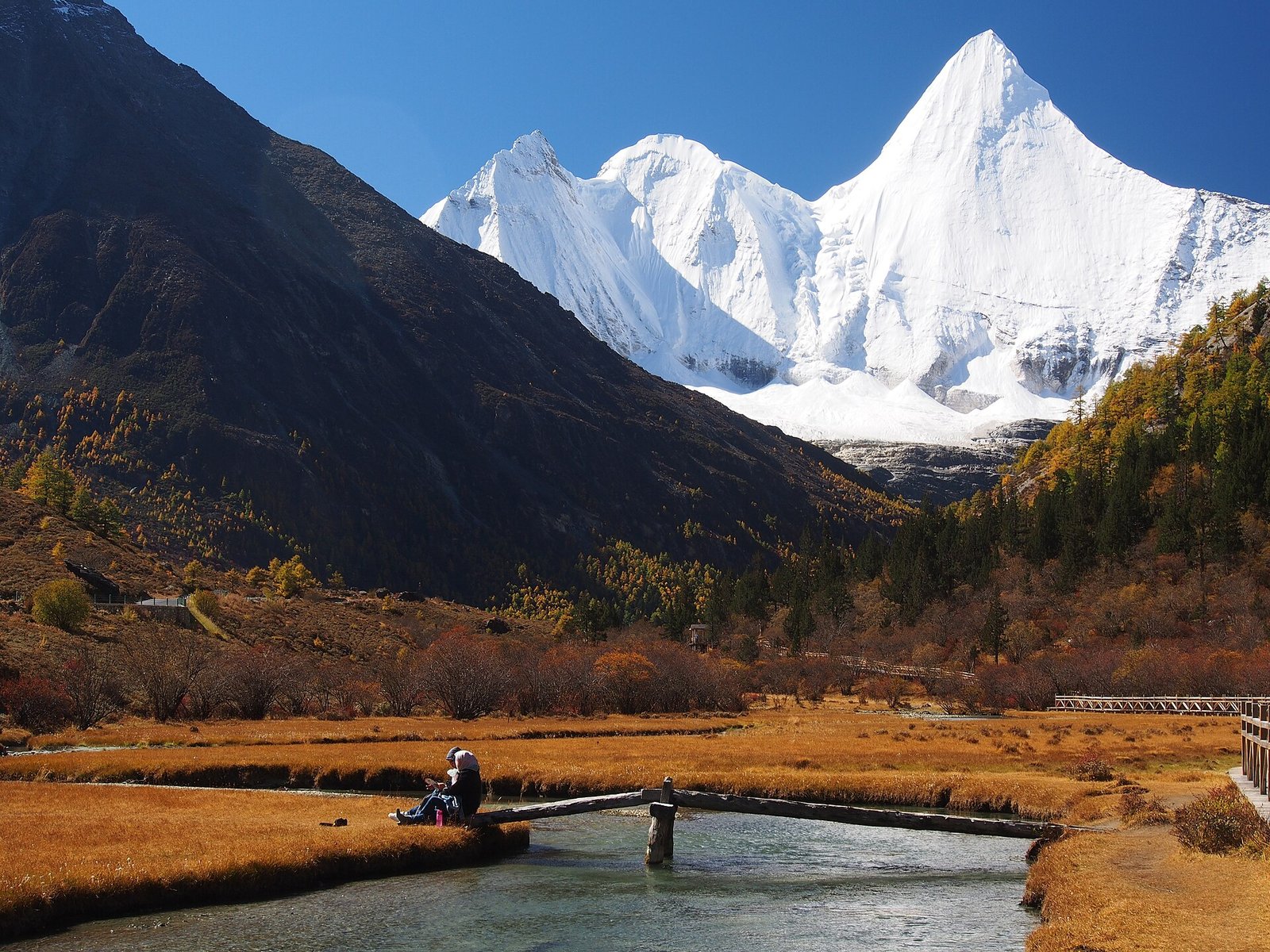
Far to the west, and 1,400 metres higher, is the other Sichuan entry here, and the opposite of the first. Daocheng Yading does not play anything. Three peaks of just under and just over 6,000 metres stand around a pasture, a national nature reserve since 2001 and a 5A area since 2020, and the only screen credit that matters is I Belonged to You (2016), whose proposal scene was shot at Luorong Pasture at 4,150 m. The street scenes the film labels “Daocheng” were shot in neighbouring Xiangcheng County. See the Daocheng Yading guide.
The practical fact here is altitude, not scenery. Daocheng Yading Airport is the highest civilian airport in the world at 4,411 m, and Five Colour Lake, the high point of the standard walk, is at about 4,600 — you land 189 vertical metres below the highest thing you came for, with none of the acclimatisation that the two-day drive from Chengdu provides. Admission has been free for all visitors from 1 August to 31 October 2026, and the shuttle bus and electric cart charges have been suspended since 29 May 2026 after a ministry reprimand and a public dispute over charging on the S462 provincial road. What the price will be after 31 October had not been published when we checked.
Heilongjiang: the ice city that plays China’s coldest crime scenes
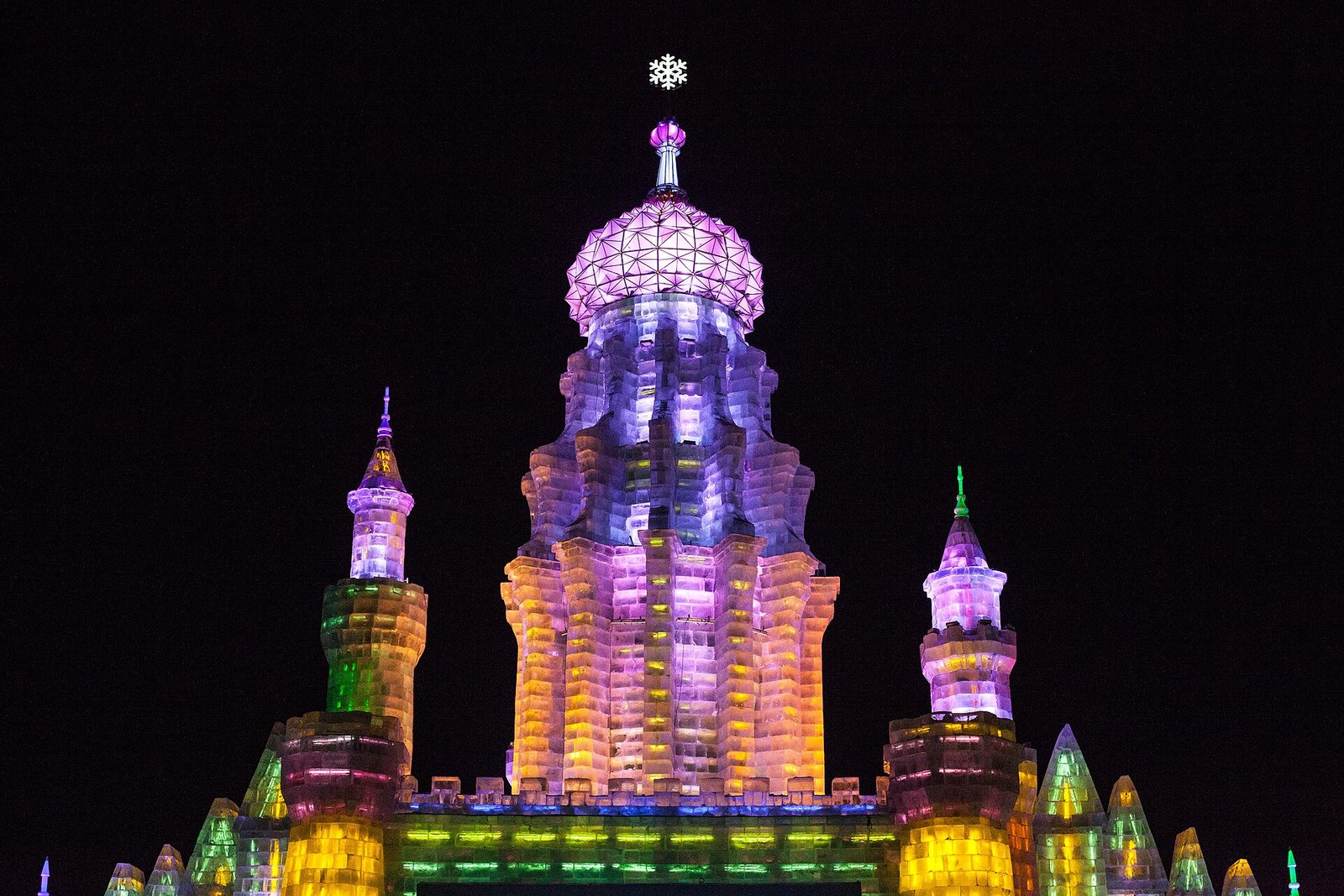
Harbin, the capital of Heilongjiang, is China’s coldest big city and, for a decade, its favourite crime scene. Its Russian-built centre of Beaux-Arts streets, its industrial edges and its brutal winters mean filmmakers call it a “natural film set” — and the big productions have followed. Black Coal, Thin Ice (白日焰火, 2014) won the Golden Bear at Berlin with its frozen-river story; Burning Ice (无证之罪, 2017) filmed through a minus-27-degree winter; and Zhang Yimou’s Cliff Walkers (悬崖之上, 2021) used Central Street and the Madie’er Hotel. The locations — Central Street, the Saint Sophia Cathedral, the Chinese-Baroque quarter at Daowai and the frozen Songhua River — are all free and in the centre. The city’s other headline act is the Ice and Snow World festival, the largest in the world. See the Harbin filming locations guide.
Getting there: fly into Harbin Taiping International Airport (HRB), or take the Beijing–Harbin high-speed line — about four and a half hours from Beijing Chaoyang to Harbin West. The metro covers the centre.
When, and how long: winter (late December to late February) for the ice festival and the film-set atmosphere, summer for a milder, cheaper trip. Allow three to four days — the film locations take a day, the ice festival an evening, and the snow country beyond the city is a day trip of its own. See the China ski resorts guide for Yabuli and the wider northeast.
Jilin: the city where Chinese cinema began
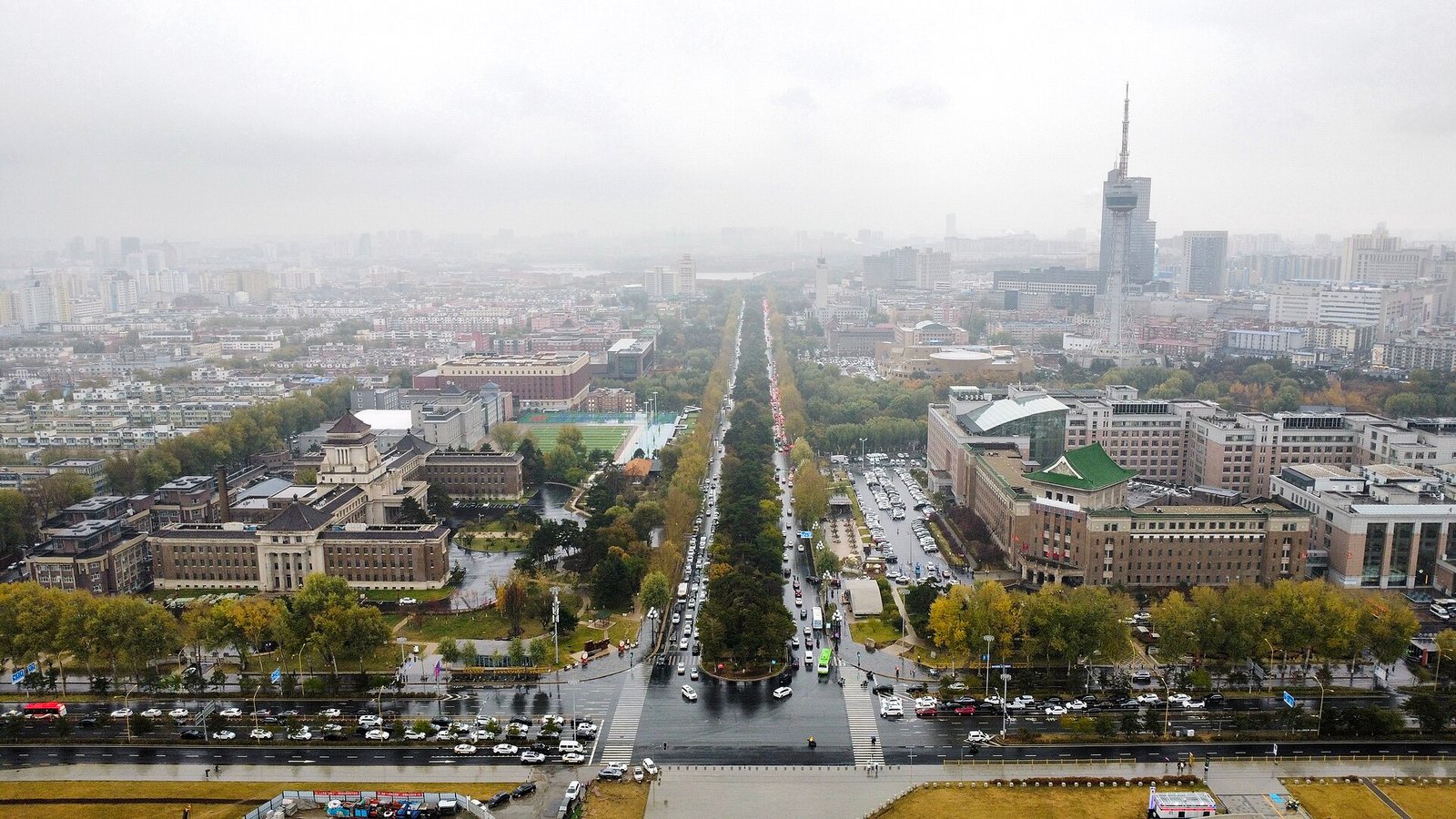
Jilin is the north-eastern province whose capital, Changchun (长春), is where Chinese cinema began: the country’s first film studio, Changchun Film Studio (长春电影制片厂), was founded here in 1945, and its old site is now a museum. The city is also the location of the 2022 drama A Lifelong Journey (人世间), and it hosts the Changchun Film Festival each August. Beyond film, Changchun holds the Puppet Emperor’s Palace (伪满皇宫), where Puyi lived as a puppet ruler, and Jingyuetan (净月潭), a forest park that turns white with cross-country skiing in winter. See the Changchun film-studio guide.
Getting there: fly into Changchun Longjia International Airport (CGQ), which has its own rail link to the city, or take the high-speed rail — about one hour from Harbin, one hour from Shenyang and four hours from Beijing, arriving at Changchun West.
When, and how long: late September to October for autumn colour, or December to February for the full winter — snow, the Jingyuetan ski hill and the Vasaloppet cross-country festival. Allow two to three days for the studio, the palace and the parks.
Liaoning: the city that plays other cities
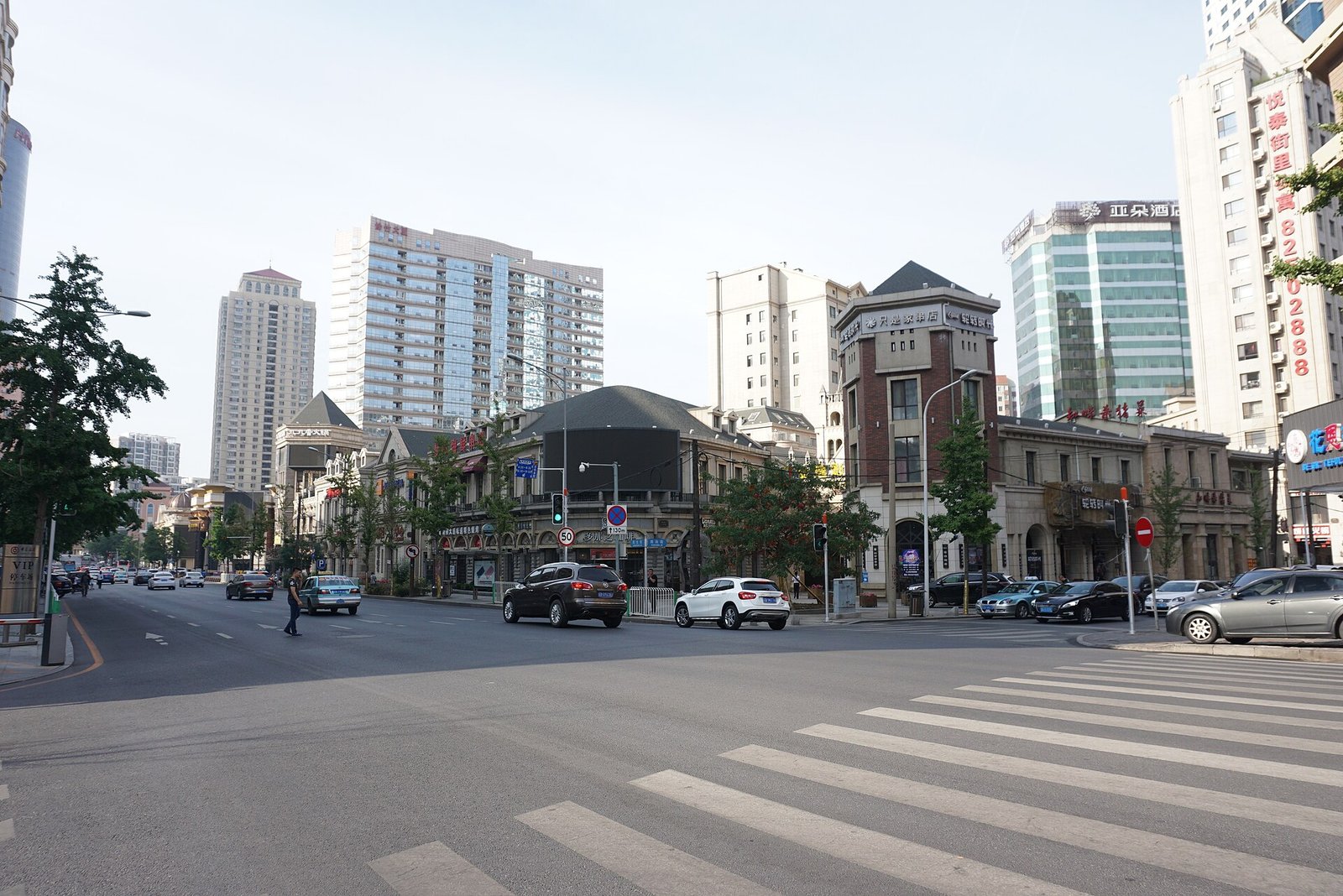
Liaoning is the southernmost of the three north-east provinces, and the reason it is on this map is a coastal city that does not usually play itself. Russia laid out Dalian from 1898 and Japan kept building after 1905, and what they left behind is a stock of stone facades, colonnades and domes that productions borrow whenever a script needs a street that reads as foreign — Shanghai in the 1930s, an occupied northern town, a European port. Zhongshan Square puts Gothic, Baroque, Romanesque-classical, Western classical and eclectic buildings around a single circle, all of them built between 1900 and the 1930s, most of them still banks or civic offices. That is why four different productions have stood four different fictional cities inside the same 200-metre ring.
Getting there: fly into Dalian Zhoushuizi International Airport (DLC), which sits inside the city rather than an hour outside it, or take the high-speed rail into Dalian North; the older Dalian station in the centre is a European-style terminus and is itself a location. The two are linked by metro. Dalian is about two hours by rail from Shenyang, which connects onward to Changchun and Harbin — the three north-east provinces can be done in one line.
When, and how long: July and August for swimming, September and October for the seafood season and the clearest air. Allow two days — one for the centre and one for the coast and Lüshun. Binhai Road runs about 35 km along the southern edge and is one-way in sections, so hire a car rather than relying on buses.
Inner Mongolia: the grassland that plays every dynasty
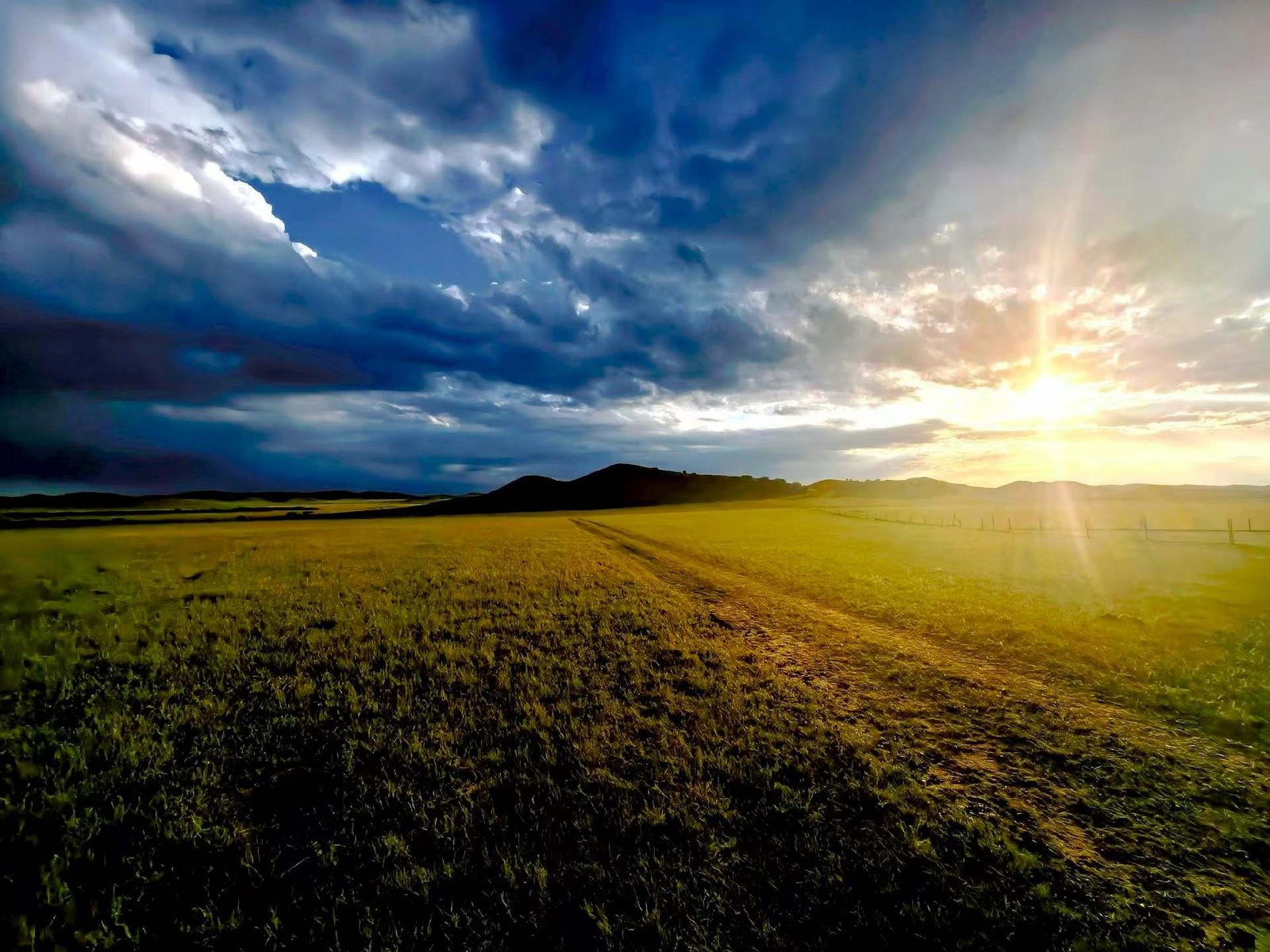
Inner Mongolia enters this map through one place, and it is not a city. Wulanbutong, in Hexigten Banner, Chifeng, is a stretch of rolling grassland at 1,200–1,700 metres that has been used as an outdoor film location for three decades — My Fair Princess, Kangxi Dynasty, Hanwu the Great and The Legend of the Condor Heroes all shot their largest sequences on it, and Chinese sources put the total at 60-plus productions, with some counts above 100. The reason is historical as much as scenic: this ground was part of the Qing imperial hunting reserve, kept deliberately empty for two centuries, so there is nothing built on it to get in the way of a camera.
Getting there: there is no railway anywhere near the scenic area. The standard approach is a six-hour drive from Beijing via Chengde and the Weichang North exit, or high-speed rail to Chengde South or Chifeng followed by a hired car for three to four hours. Fill the tank before you enter — there is one petrol station inside the scenic area. Note that the road from Beijing passes through Hebei, and that Saikhanba, the forest park on the Hebei side, is a separate park on a separate ticket.
When, and how long: mid-July to late August for green grass and cool days, or 20 September to 10 October for the autumn colour, which is the photographic peak and lasts about three weeks. Allow two days, using the ¥120 ticket that runs 72 hours from first scan. Winter is possible and almost empty — it is also minus 20, and the snow is what Wolf Totem actually filmed here.
The far north and the far west: a season, not a region
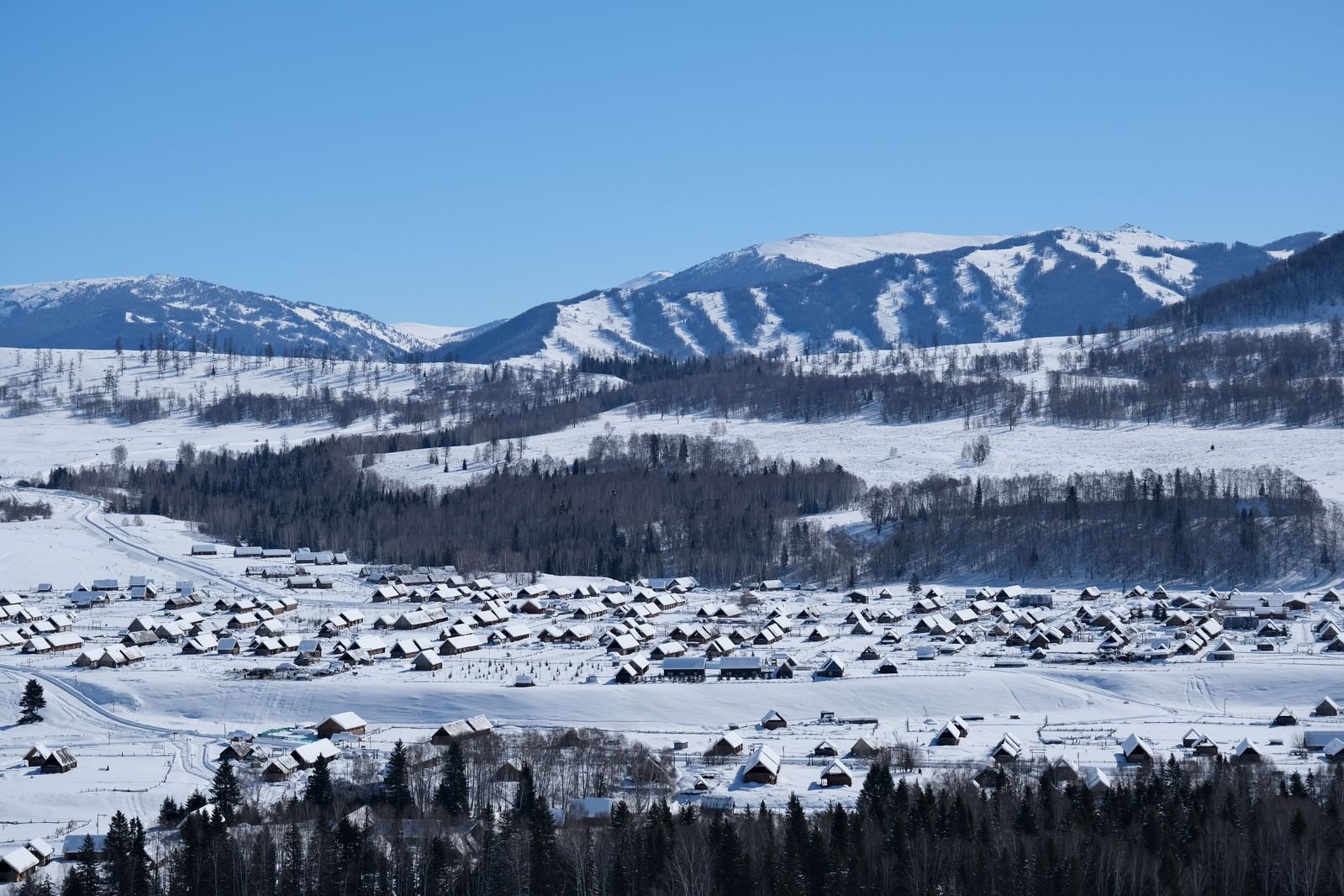
China’s skiing is the one part of this map almost no foreigner knows about, and it took a television drama to make any of it visible. Ski into Love, the country’s first ski-themed series, was shot at Beidahu in Jilin, with the big-mountain scenes coming from Altay in Xinjiang. The two halves are not variations on each other: Jilin is groomed pistes, extreme cold and mature resort service; Altay is dry powder, and it sits near rock carvings of skiers that are roughly ten thousand years old. Jikepulin, outside Altay, has a 1,466-metre vertical drop — the greatest in China.
Getting there: fly to Changchun or Jilin for Beidahu; fly to Urumqi and on to Altay for the far west. Neither is a rail trip you want to attempt in winter.
When, and how long: late November to late March in Jilin, and into early April in Xinjiang, with the most reliable snow in January and February. Avoid Chinese New Year week entirely — prices double and the lifts queue. See the China ski resorts guide.
Most filming locations are free to walk into. The exceptions are the big studios and a few temple and cave sites that sell timed tickets — and the handful of locations far enough out that a day tour is the only practical way to reach them.
Browse attractions and tours on Trip.com
Booking through this link earns us a small commission at no extra cost to you. It never changes what we recommend — see our affiliate disclosure.
See everything on one map
Every location we cover is plotted on the C-drama filming location map — filter by drama, by province, or by how hard it is to reach. If you are still deciding between regions, the map is the fastest way to see how far apart they really are.
Before you choose a region
One more decision comes before the region: how many days you have. Five days rules out any multi-province route entirely; ten days is what opens up a two-region trip. Check the length first, then choose the region that fits it.
Two things decide which regions are actually open to you, and neither is about the dramas. First, your entry status: if you are relying on the 240-hour transit visa-free rule, you have ten days total and you cannot fit Zhejiang, Guizhou and Yunnan into one trip. Second, how the rail network connects: Shanghai is the hub, and everything radiates from it.
Sort those two, then pick your region. If you want a route that works end to end, our pre-departure plan walks through the four things to get right before you fly, and the best time to visit guide tells you which months to avoid in each province.