
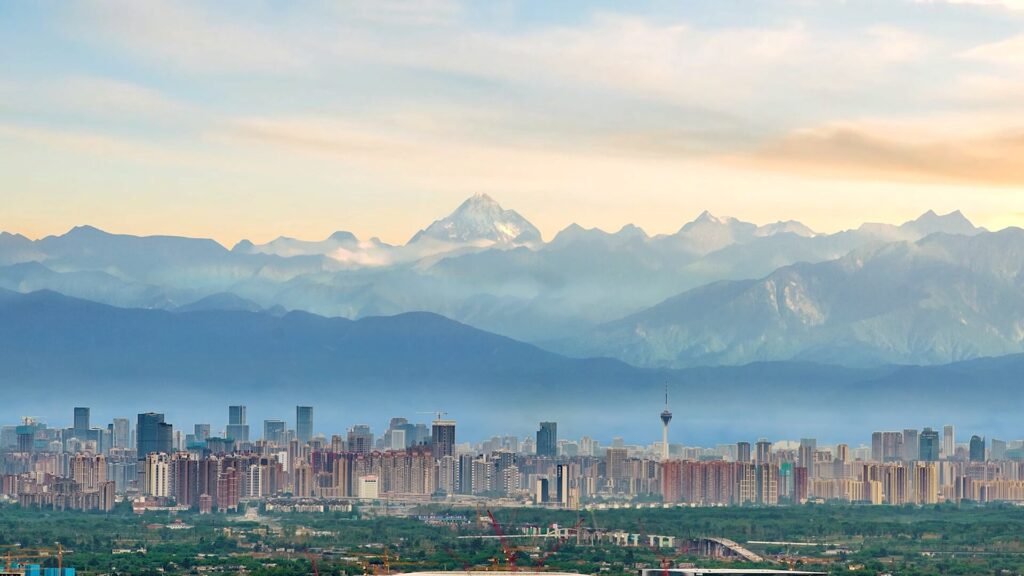
A Murderous Affair in Horizon Tower (摩天大楼) is a sixteen-part noir about a woman found dead in a luxury high-rise — and the high-rise does not exist. The building is fictional. The city wrapped around it is not. Roughly 80 per cent of the show was shot in Chengdu, the capital of Sichuan in China’s south-west, and once you know that, the A Murderous Affair in Horizon Tower filming locations turn into something more interesting than a checklist: a guide to the real bookshops, cafés, record stores, hotpot rooms and university lanes that stood in for a tower nobody has ever lived in.
This is not a romance, and it is not an advertisement for Chengdu. It is a slow, structure-playful mystery in which every resident of one building tells a different version of the same night, and the city appears the way cities appear in noir — as weather, as glass, as a place where ordinary people keep secrets. The pandas and the hotpot are real, and they are further down this page. But if you are here because you want to stand where the show was shot, this is the map.
The short answer: A Murderous Affair in Horizon Tower (摩天大楼, 2020) is a Tencent Video mystery series set inside a fictional residential tower, and about 80 per cent of it was filmed in Chengdu, the capital of Sichuan. The “tower” is played by real city locations — the Zhongshuge bookstore and the rooftop Magic PeterPan café inside Yintai Center in99, a record shop in Qijia Lane, a hotpot restaurant on Beida Street, and a lane at Chengdu University of Technology — set against the ordinary skyline of Chunxi Road, Taikoo Li and the IFS. Most of these are working shops, malls and streets rather than ticketed sights, so treat the A Murderous Affair in Horizon Tower filming locations as a city walk, not a studio tour.
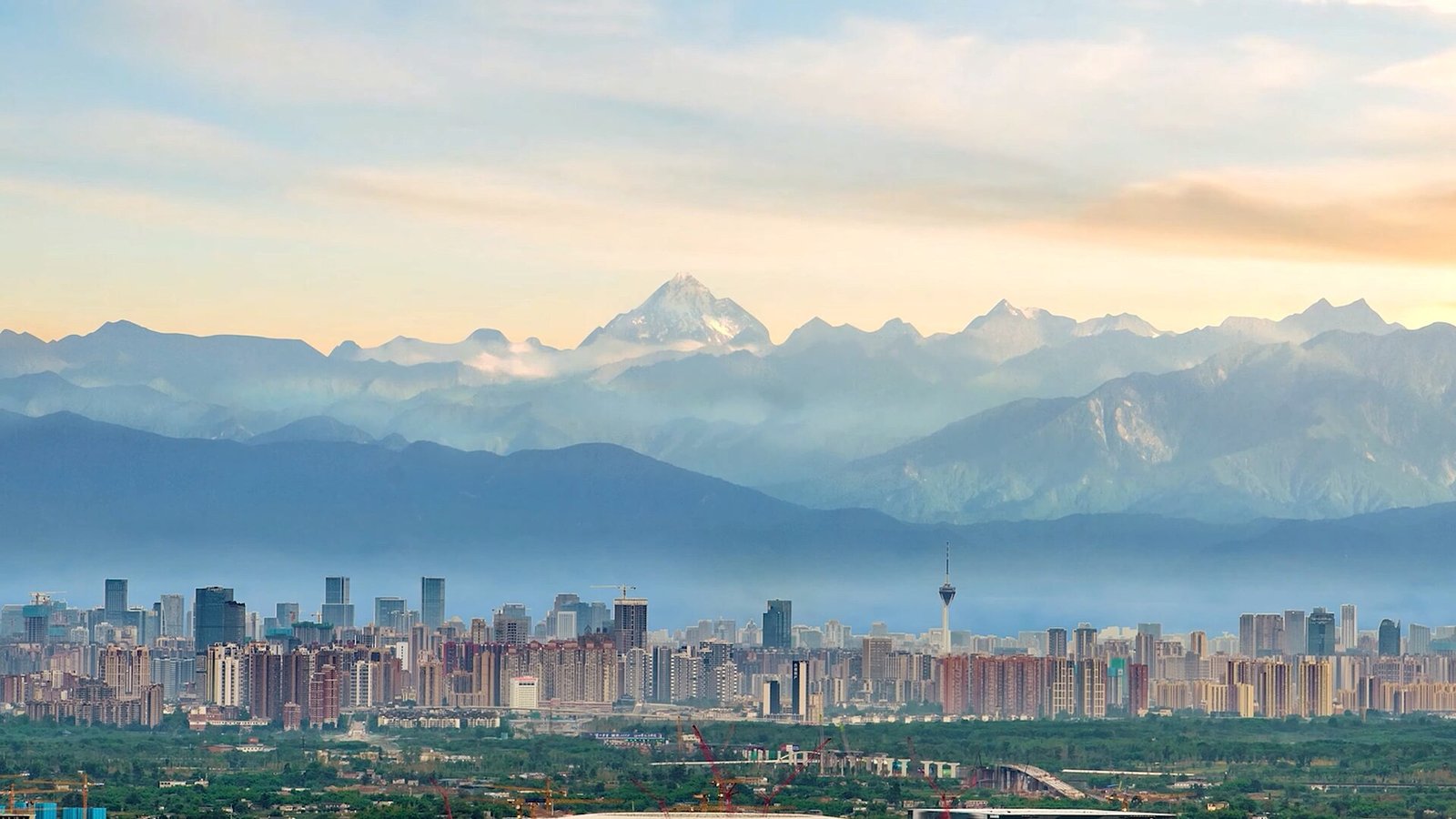
The drama that sends you to Chengdu
A Murderous Affair in Horizon Tower premiered on Tencent Video on 19 August 2020. It is a sixteen-episode mystery, each part around forty minutes, directed by Chen Zhengdao (陈正道) with Xu Zhaoren and Wu Zhongtian, and adapted from a novel of the same name by the Taiwanese writer Chen Xue. The cast is led by Guo Tao (郭涛) as the veteran detective Zhong Jingguo, Yang Zishan (杨子姗) as his rookie partner Yang Ruisen, and Angelababy (杨颖) as Zhong Meibao, the woman whose death sets everything in motion.
The premise is simple and then is not. On a night when the power fails in a smart residential tower, a woman is found dead in her flat on the twentieth floor, struck on the head and poisoned by gas. What follows is not a chase but a portrait: the detective pair work their way through the building’s residents — the security guard, the architect, the estate agent, the novelist, the cleaner, the pianist — and each of them tells a different version of the same night. The show’s reputation rests on that structure, a kind of tower-block Rashomon in which the mystery is less about whodunnit than about why everyone is lying.
It was, by the standards of its year, a critical success rather than a popular one. On Douban it sits at around 8.0 from more than 300,000 ratings, with 7.9 on Maoyan and 7.5 on IMDb — but it arrived in the shadow of The Bad Kids and never quite broke into the mainstream conversation. That reputation is exactly why it works as a set-jetting subject. The show is a portrait of a city pretending to be a building, and it was made with an unusual amount of on-location shooting: the production put its camera on real Chengdu streets, in real Chengdu shops, and inside a real Chengdu mall, and left the tower itself to the imagination.
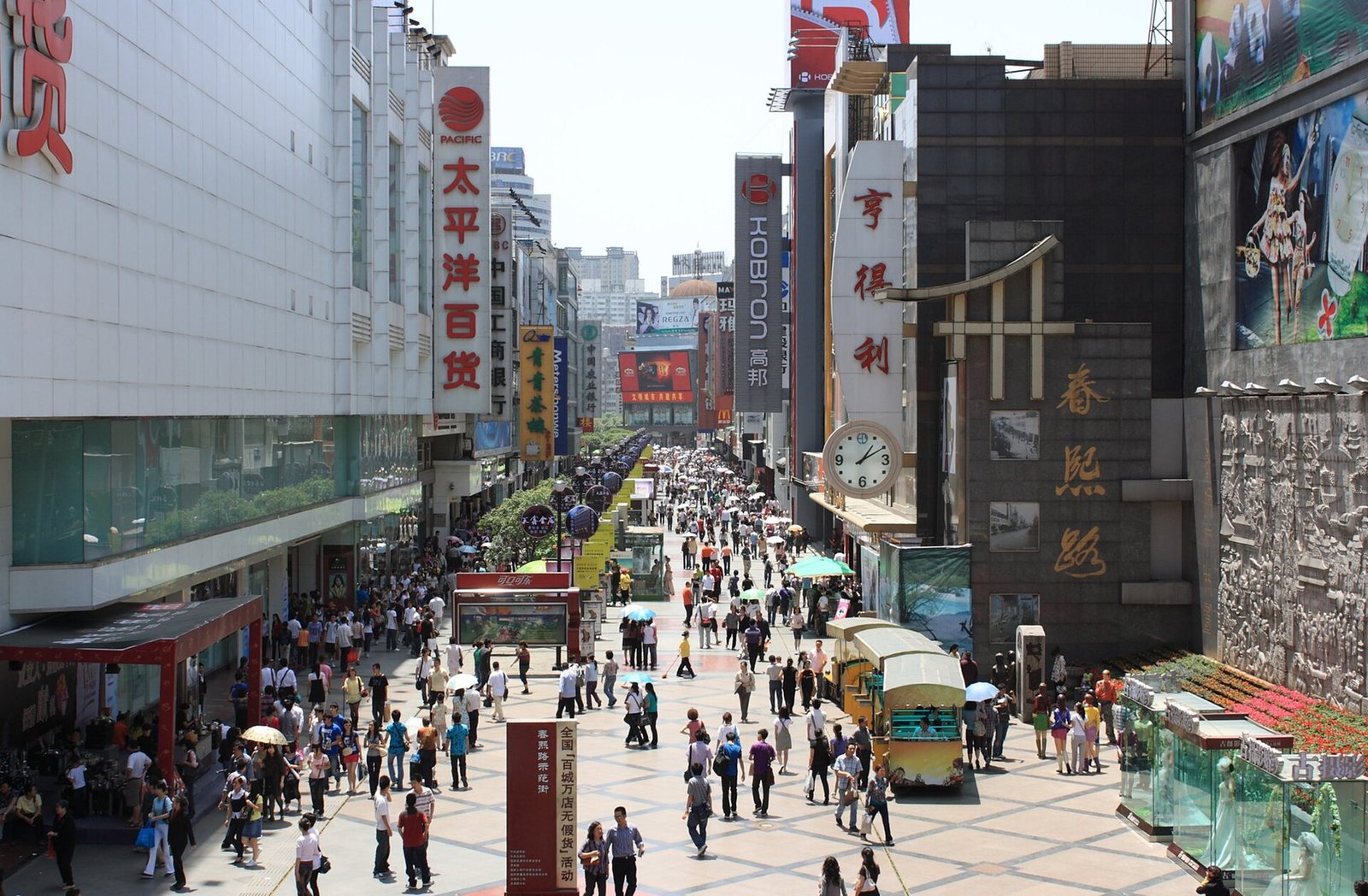
A Murderous Affair in Horizon Tower filming locations at a glance
Here is the short list of the A Murderous Affair in Horizon Tower filming locations in Chengdu, with what each one is in the show and where to find it. Note that almost everything below is a working place — a shop, a café, a campus or a mall — rather than a ticketed attraction.
| Location | Where | What it is in the show | Type |
|---|---|---|---|
| Zhongshuge, Yintai Center in99 (钟书阁) | Tianfu Avenue North, 4th floor, Wuhou / High-tech | The architect Lin Dasen’s lecture hall | Bookstore in a mall |
| Magic PeterPan (魔法彼得潘) | Yintai Center in99, 8th-floor rooftop | Zhong Meibao’s dessert café; Yang Ruisen and Li Moli talk here | Dessert café |
| Chengdu Old Times record shop (成都旧时光) | Qijia Lane, Qingyang District | The vinyl shop Yang Ruisen visits with a record | Record shop |
| Miejueshitai hotpot (灭绝师太市井火锅) | Beida Street, Qingyang District | The hotpot restaurant in the show | Restaurant — now closed |
| Chengdu University of Technology (成都理工大学) | Erxianqiao East 3rd Road, Chenghua District | The lane where Zhong Meibao runs | University campus |
| Maoye Center (茂业中心) | Tianfu Avenue North 28, High-tech District | Office-tower exteriors | Office building |
| Chunxi Road, Taikoo Li and the IFS (春熙路 / 太古里 / IFS) | Jinjiang District, city centre | The city’s glass-and-neon backdrop, plus shops and street scenes | Downtown shopping district |
The tower that is not there
Start with the thing you cannot visit, because it explains everything else. The building in A Murderous Affair in Horizon Tower — the tower of the title — is a composite. There is no single Chengdu address you can walk up to and recognise; the show’s residential interiors were built and dressed as sets, and its exterior presence is assembled from the city’s own glass, height and light. This is the first thing to understand about the A Murderous Affair in Horizon Tower filming locations: you are not tracing a building, you are tracing a city that agreed to look like one.
What Chengdu gave the production was the texture of a real, modern, prosperous south-western metropolis — the thing that makes the show feel like it is happening somewhere rather than nowhere. The series is unusually specific about interiors and small rooms, and its crew shot most of those in genuine places rather than on a backlot: a mall bookshop that is a destination in its own right, a rooftop dessert café, a cramped second-hand record shop in an old lane, a university road, a hotpot restaurant with hand-painted slogans on the bowls. The tower is invented; the world it sits in is documented.
That makes this a particular kind of film-location trip. You will not find a plaque, a ticket window or a gift shop. What you will find is a city that looks, in its ordinary parts, remarkably like the one on screen — and a handful of addresses where, if you know what you are looking at, you can stand exactly where a camera stood. The rest of this guide is that list, and then the Chengdu that exists whether or not you have seen the show.
Yintai Center: the bookstore and the rooftop café
Two of the show’s most photographed interiors are in the same building, and they are the easiest pair of A Murderous Affair in Horizon Tower filming locations to visit. Yintai Center in99 stands on Tianfu Avenue North (天府大道北段 1199 号) in the south of the city, and both locations are inside it.
Zhongshuge (钟书阁) occupies the fourth floor, and it is the one people recognise first. It is often called one of the most beautiful bookshops in China, and the reason is its interior: a mirrored ceiling, a curving wall of text, and shelves built as a thicket of pale “bamboo” that makes the room read as a modern forest. In the show it appears as the open lecture hall where the architect Lin Dasen gives a talk in episode four. You can walk in and look, buy a book, and photograph the room — it is a working shop, not an exhibit, and it is free to enter during mall hours.
Magic PeterPan (魔法彼得潘) sits on the eighth floor, on the roof, and it is the other half of the pair: a dessert café in white-and-green French-palace style, with marble tables and velvet chairs, where the show stages a quiet conversation between Yang Ruisen and a person connected to the case. It is a functioning café with an outdoor terrace, and the desserts — mousses, macarons, cream cakes — are the reason most people who are not chasing the show come here. Both places are inside a shopping centre, so the practical advice is simply to check current mall hours and go; there is no reservation or ticket for either.
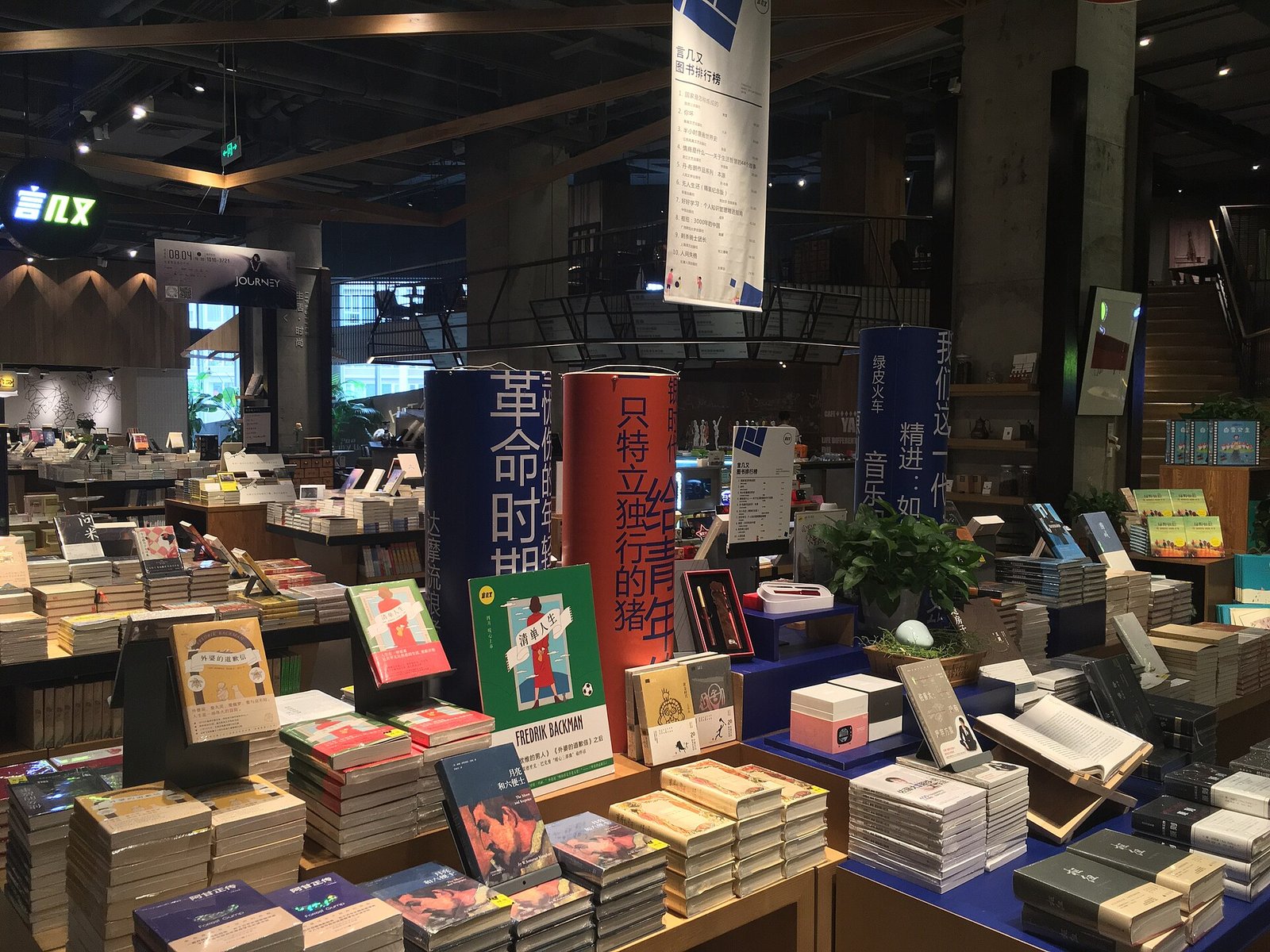
Records, hotpot and the university lane
The rest of the list is scattered across the older, denser parts of the city, and it is best treated as a slow walk rather than a route with stops.
In Qijia Lane (七家巷) in Qingyang District, Chengdu Old Times (成都旧时光) is a small, deep record shop stacked to the ceiling with classical vinyl and old CDs, its wooden racks and turntables running to the back wall. The show uses it in episode two, when the young detective brings a record to the shop; it is exactly as narrow and as cluttered as it looks on screen, which is the point. A short walk away, on Beida Street (北大街), the hotpot restaurant that appears in the series — Miejueshitai (灭绝师太市井火锅), a wuxia-themed room whose bowls are painted with martial-arts slogans — has since closed, so treat it as a footnote rather than a stop.
East of the centre, in Chenghua District, Chengdu University of Technology (成都理工大学) supplied the tree-lined road — Tongyin Road (桐荫路) — where Zhong Meibao runs in one of the show’s most memorable sequences. It is a working campus, so go quietly and stay on the public paths. Back toward the south, Maoye Center (茂业中心) on Tianfu Avenue North provides some of the office-tower exteriors, and the whole downtown shopping belt — Chunxi Road, Taikoo Li, the IFS with its giant panda climbing the façade, and the Yanshikou shopping district — supplies the show’s sense of a city that is bright, crowded and modern. These are ordinary public places; there is nothing to book and nothing to pay.
Read this before you set out: almost every location in this guide is a working shop, café, campus or office building rather than a ticketed attraction. Opening hours change, tenants move and one of the restaurants on this list has already closed. Use the list as a starting point, confirm the current status on the day, and remember that a university and a residential lane are not film sets — be quiet, be brief, and do not treat anyone’s workplace as a backdrop.
How we checked this list
Four honest caveats, because they change how you should read everything above.
First, the tower is fictional and the city is real. The residential high-rise at the centre of the show does not exist. What exists is Chengdu, and the production used it heavily — local media reported that close to 80 per cent of the drama was filmed in the city. So the “filming locations” here are not the address of a building; they are the shops, streets and public spaces that stood in for it. Expect a city, not a landmark.
Second, most of these places are ordinary, and some are gone. A record shop in an old lane, a hotpot restaurant, a university road and a shopping-mall bookshop are not attractions, and the hotpot restaurant has closed since filming. Shops and tenants change, so verify anything you specifically want to see before you build a day around it.
Third, there is no official scene-by-scene list. The attributions here come from Chengdu and Sichuan media — including The Paper and Cover News, which published the first location round-ups after the show aired — and from viewers who went and checked. We could not find a studio document that confirms each scene individually, so treat the attributions as reported rather than officially confirmed, and treat all prices and hours as a snapshot. Everything here was checked on 16 October 2026.
Fourth, mind the tone. This is a crime drama about a woman’s death. It is not a feel-good travelogue, and the places it used are real people’s workplaces. Go with that in mind, and do not expect a cheerful “as seen on TV” welcome anywhere on the list.
Chengdu beyond the drama
Chengdu is worth the trip whether or not you have seen the show, and it is one of the most rewarding cities in China to simply be in. A short list, all of it checkable against official sources.
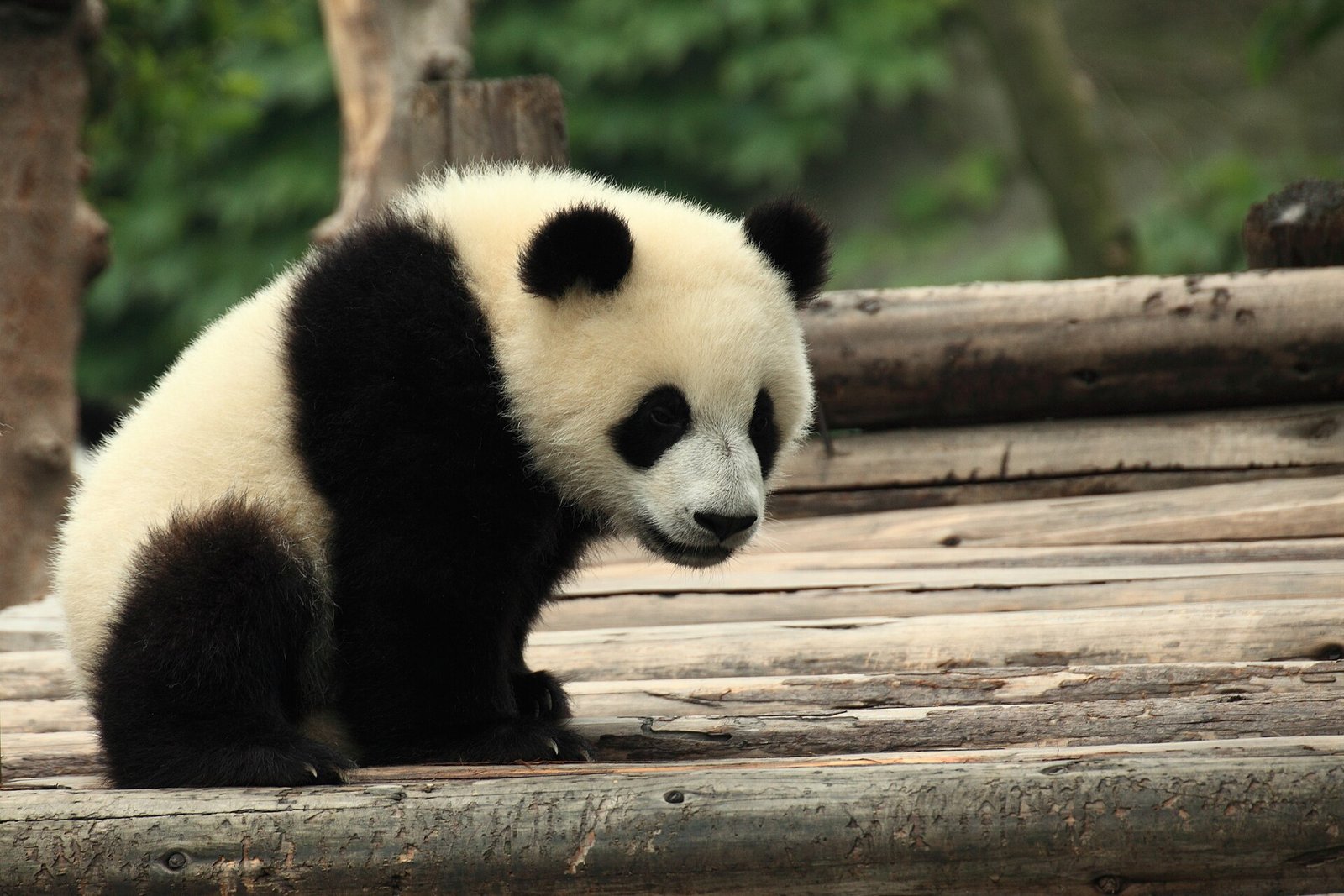
The pandas come first. The Chengdu Research Base of Giant Panda Breeding (成都大熊猫繁育研究基地), in Chenghua District, is the single most popular thing to do in the city. Tickets are ¥55 for adults, entry is by online real-name reservation only — there is no ticket window on site — and the base caps daily visitors, so book ahead. The pandas are most active between about 7:30 and 10:30, which is why everyone tells you to go at opening. The simplest route is Metro Line 3 to Panda Avenue station, then the shuttle to the south gate.
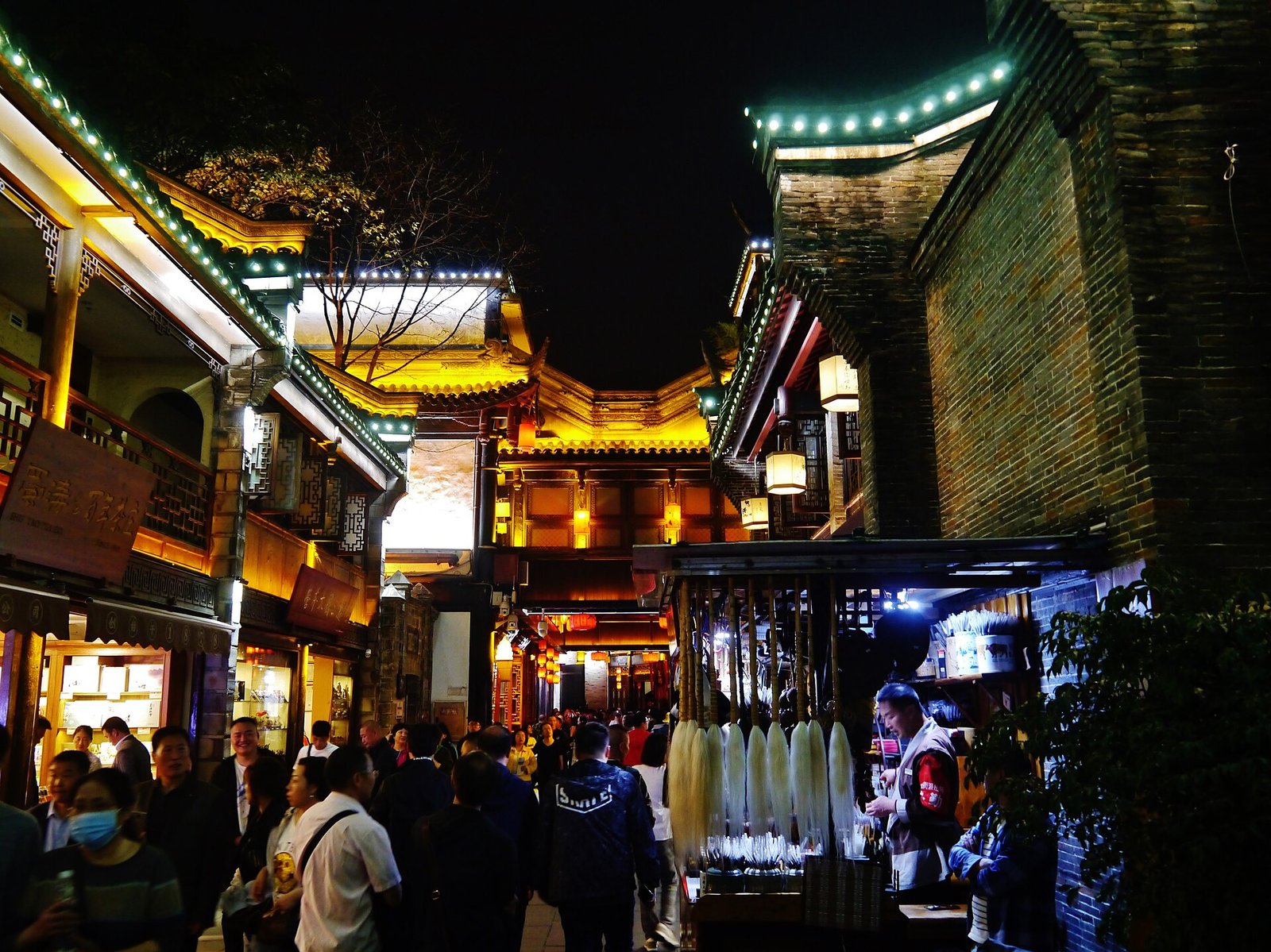
The old city. Jinli (锦里) is a free, lantern-lit pedestrian street of snacks and teahouses beside the Wuhou Shrine (武侯祠, ¥50), which honours the Three Kingdoms strategist Zhuge Liang. The Du Fu Thatched Cottage (杜甫草堂, ¥50) is the poet’s restored riverside home, and Kuanzhai Alley (宽窄巷子) is a free warren of restored Qing-dynasty lanes. Eastern Suburb Memory (东郊记忆), a former electronics factory turned creative district, is the industrial-chic counterpart to all of it, and free to wander.
Day trips. Chengdu is the gateway to Sichuan, and the classics are all reachable. Dujiangyan (都江堰, ¥80) is a 2,200-year-old irrigation system still in use, and Qingcheng Mountain (青城山, ¥80) rises beside it — both about thirty minutes from the city by high-speed rail for roughly ¥10. The Leshan Giant Buddha (乐山大佛, ¥80) is a 71-metre cliff-carved Buddha an hour away by train, and the Sanxingdui museum near Guanghan shows the bronze masks of a lost Shu civilisation. With more time, Jiuzhaigou and Huanglong are the long-haul prizes, usually done as a two- or three-day trip.
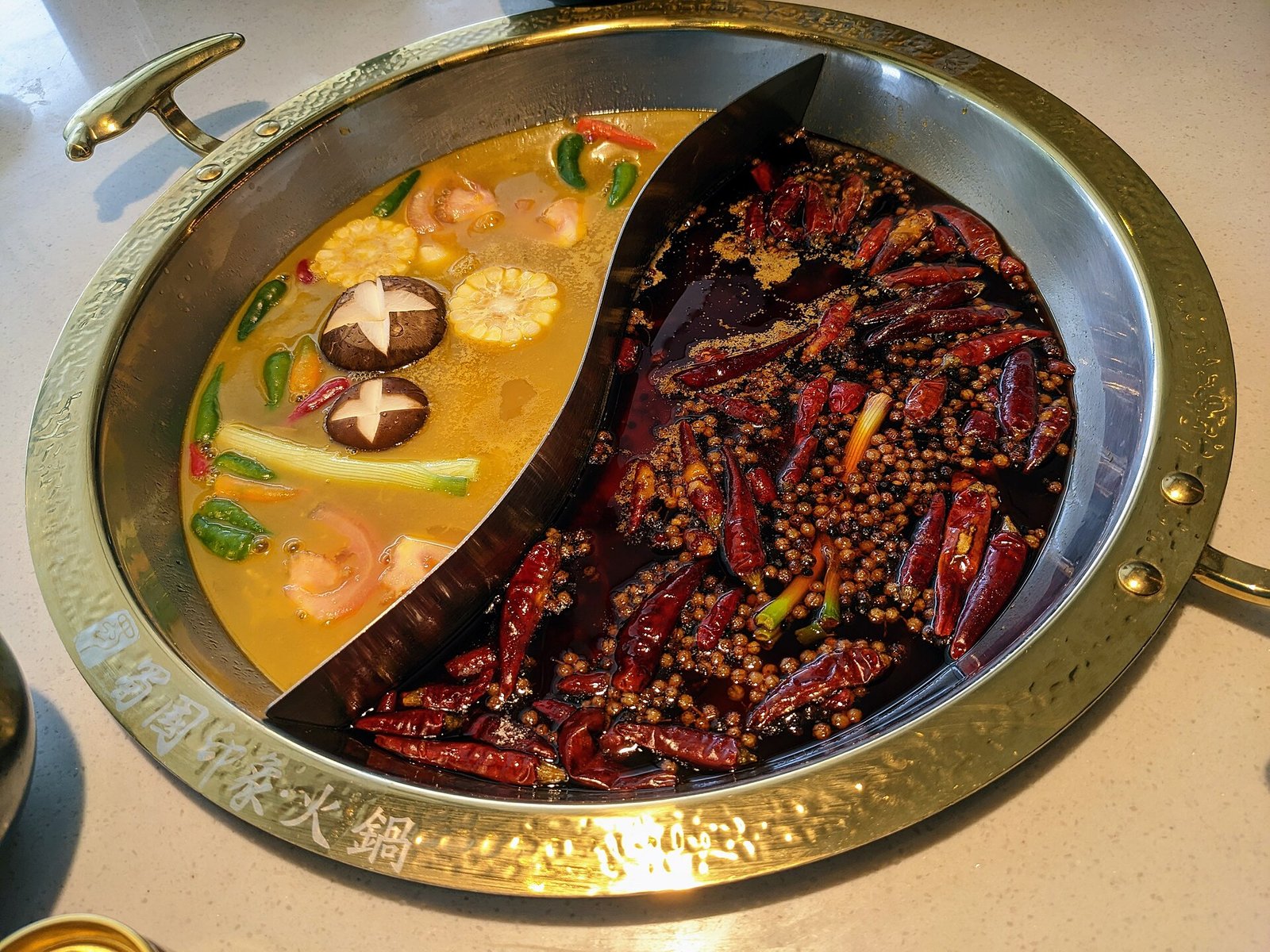
Eating. Chengdu is a UNESCO City of Gastronomy and the capital of Sichuan hotpot — the numbing, chilli-red, bubbling kind that the show itself puts on screen. The city is also the place to see Sichuan opera, including the face-changing bian lian, and to drink tea the local way in the teahouses of People’s Park (人民公园).
Seeing it in three or four days
Chengdu rewards a slower trip than a checklist, and the drama touches only a slice of it. Build the days around the city first, then let the locations fold in.
Day one — the centre and the show. Start downtown: Chunxi Road, Taikoo Li and the IFS panda for the modern city the drama uses as its backdrop, then take the metro south to Yintai Center in99 for the Zhongshuge bookshop and the rooftop Magic PeterPan café. In the late afternoon, work the older streets — Qijia Lane for the record shop, Beida Street for the neighbourhood, and the lanes around Kuanzhai Alley. This is the day that follows the show.
Day two — pandas and the old city. Go to the panda base at opening, which means leaving the centre early. Spend the afternoon at Wuhou Shrine, Jinli and, if you have the energy, the Du Fu Thatched Cottage; finish at Eastern Suburb Memory or back on the teahouse terrace in People’s Park.
Day three — a day trip. Either Dujiangyan and Qingcheng Mountain on the high-speed line, or the Leshan Giant Buddha, or the Sanxingdui museum. Each is a comfortable single day from a Chengdu base.
Day four — the university and the edges. If you are chasing the last of the A Murderous Affair in Horizon Tower filming locations, use the morning for Chengdu University of Technology’s Tongyin Road and the Maoye Center exteriors, then keep the rest of the day loose — a food street, a teahouse, a final hotpot. With more time, Chengdu is also the springboard for Jiuzhaigou, and for Yunnan and the rest of the south-west.
How to read this: the drama’s locations are almost entirely free — they are shops, malls, campuses and streets rather than attractions. Your real costs are the panda base, the temples and any day trip. Budget the paid sights for the days you are not chasing the show, and keep the location walk flexible, because the one thing that moves is whether a given shop is still open.
Getting to Chengdu
By air. Chengdu has two airports working as one system. Shuangliu International Airport (CTU) is the closer of the two to the centre and the quicker option for most travellers; Tianfu International Airport (TFU), the newer and much larger hub, sits far out to the south-east. Both are major international gateways, and both are 240-hour visa-free transit ports. If the fare difference is small, Shuangliu saves you time; take Tianfu when the price is clearly better.
By rail. Chengdu East Railway Station (成都东站) is the high-speed hub, with metro Line 2 running straight from the station to Chunxi Road in the centre. Chengdu South and Chengdu stations handle other services. The high-speed network puts Leshan, Dujiangyan and Qingcheng Mountain all within about an hour, which is what makes the day trips in this guide easy.
Around the city. Chengdu’s metro is large and cheap, and it reaches almost everything on this list. For the show’s locations, the useful stations are Chunxi Road (Lines 2 and 3) for Taikoo Li and the IFS, Panda Avenue (Line 3) for the panda base, Gaoshengqiao (Line 3) for Wuhou Shrine and Jinli, and Kuanzhai Alley (Line 4) for the old lanes. Pay with Alipay or WeChat Pay, or buy a stored-value card at any station.
Tickets, hours and what is free
| What | Price | Notes |
|---|---|---|
| Zhongshuge bookshop, Yintai Center in99 | Free | 4th floor; a working shop during mall hours |
| Magic PeterPan rooftop café | Free to enter | 8th floor; pay for what you order |
| Chengdu Old Times record shop | Free | Qijia Lane, Qingyang; a small working shop |
| Miejueshitai hotpot (former) | — | Now closed — check before travelling |
| Chengdu University of Technology campus | Free | Working campus — stay on public paths |
| Chunxi Road, Taikoo Li, IFS, Yanshikou | Free | Downtown shopping district |
| Panda base (Chengdu Research Base of Giant Panda Breeding) | ~¥55 | Reservation only; book ahead; busiest 7:30–10:30 |
| Wuhou Shrine | ~¥50 | Jinli beside it is free |
| Du Fu Thatched Cottage | ~¥50 | Riverside; closed Mondays in some periods |
| Kuanzhai Alley / Jinli / Eastern Suburb Memory | Free | Open streets and districts |
| Dujiangyan / Qingcheng Mountain | ~¥80 each | About 30 minutes by high-speed rail, ~¥10 |
| Leshan Giant Buddha | ~¥80 | About an hour by train |
What to know before you go
Visas. Chengdu is one of the easiest cities in China to reach visa-free. Both Shuangliu and Tianfu airports are 240-hour visa-free transit ports, which let eligible travellers stay up to ten days without a visa on a confirmed onward ticket to a third country or region; within Sichuan the permitted area covers eleven cities, Chengdu included, and the clock runs from midnight on the day after arrival. Chengdu is among the top five Chinese cities for foreign arrivals, so the border staff handle the process routinely. Many travellers from a further list of countries can also enter visa-free for up to thirty days. Country lists and rules change — check our visa guide and the official source before you book.
Weather. Chengdu is mild and humid, sitting in a basin that keeps it green and grey in roughly equal measure. Springs and autumns are the most comfortable; summers are hot and wet, and winters are cool and damp rather than freezing. Rain is possible in any month, so pack for showers and bring layers rather than heavy coats.
Paying. Alipay and WeChat Pay both work with foreign cards and are how you will buy metro tickets, meals, and the panda-base reservation. Carry your passport — it is the ID for reservations and for the visa-free-transit paperwork.
Booking the panda base. The single most common Chengdu mistake is turning up at the panda base without a reservation. There is no on-site ticket window, entry is real-name and online, and the daily cap means popular dates sell out. Book through the official channels in advance and bring the passport you booked with.
When to go. Spring (roughly March–May) and autumn (September–November) are the best windows for the city and the day trips. The show was shot in a modern, working Chengdu, so there is no “season” to chase for the locations themselves — any month works for the walk.
Common questions
Where was A Murderous Affair in Horizon Tower filmed?
A Murderous Affair in Horizon Tower (摩天大楼, 2020) was filmed largely in Chengdu, the capital of Sichuan, with local media reporting that close to 80 per cent of the drama was shot in the city. Key locations include the Zhongshuge bookstore and the rooftop Magic PeterPan café inside Yintai Center in99, a record shop in Qijia Lane, a hotpot restaurant on Beida Street, a lane at Chengdu University of Technology, and the downtown skyline around Chunxi Road, Taikoo Li and the IFS.
Is the tower in the show real?
No. The residential high-rise at the centre of the show is a fictional building, and its interiors were built as sets. The “tower” on screen is a composite of the city’s real glass-and-steel backdrop rather than a single address you can visit. What is real — and visitable — is Chengdu itself, which the production used heavily as its stand-in city.
Can you visit the filming locations?
Partly, and mostly for free. The bookshop, the rooftop café, the record shop and the downtown streets are all ordinary public places you can walk into, and the university road is on an open campus. But these are working shops, malls and streets rather than attractions, and one location on the list — the hotpot restaurant — has since closed. Check the current status of anything specific before you build a day around it.
Is A Murderous Affair in Horizon Tower worth watching?
If you like slow, structurally ambitious mysteries, yes. It holds around 8.0 on Douban from more than 300,000 ratings, and its reputation rests on the way each episode retells the same night from a different resident’s point of view. It is a character piece more than a thriller, and it was a critical success rather than a mainstream hit — go in expecting atmosphere and lies rather than car chases.
How many episodes does it have, and where can I watch it?
Sixteen, each about forty minutes, first broadcast on Tencent Video from 19 August 2020. It is a Tencent production, so the official streaming home is Tencent’s own platforms, and it circulates internationally with English subtitles under the title A Murderous Affair in Horizon Tower. Availability by region changes, so check your local services.
How do I get to the panda base?
Take Metro Line 3 to Panda Avenue station, then the shuttle bus to the south gate. Tickets are around ¥55 and entry is by online real-name reservation only — there is no ticket window on site — so book ahead. The pandas are most active in the early morning, roughly 7:30 to 10:30, so aim to arrive at opening.
What else is there to do in Chengdu?
A great deal. The panda base is the headline; Jinli, Wuhou Shrine, the Du Fu Thatched Cottage and Kuanzhai Alley cover the old city; Eastern Suburb Memory is the industrial-creative district; and the day trips — Dujiangyan, Qingcheng Mountain, the Leshan Giant Buddha and Sanxingdui — are all within about an hour. Chengdu is also a UNESCO City of Gastronomy, so the food is a destination in itself.
What is the best time to visit Chengdu?
Spring and autumn are the most comfortable, with mild temperatures and the best conditions for the day trips. Summer is hot and wet and winter is cool and damp, though neither is severe. For the drama’s locations specifically there is no season to chase — they are shops, streets and a mall, and they are open year-round.
Your next move
More real cities, more dramas?
Chengdu is one of twenty-one dramas we have mapped to the real places they were filmed in — from steel towns to water towns to a tower that was never built.
Worried about the practical stuff?
Visas, payment, trains and the apps you will need before you land — the four things you cannot work out on the ground. Each guide is dated and sourced.
Ready to go?
Chengdu was shot as it is: a modern south-western metropolis with a fictional tower at its centre and a real city all around it. See where it sits on the map.
Last verified
Sources: The Paper (thepaper.cn), 2020-09-06 — A Murderous Affair in Horizon Tower: the Chengdu filming locations, including Zhongshuge inside Yintai Center in99, the Chengdu Old Times record shop in Qijia Lane, the Miejueshitai hotpot restaurant on Beida Street and Chengdu University of Technology · Cover News (cover news / Baidu Baijiahao), 2020-09-06 — the hidden Chengdu landmarks in A Murderous Affair in Horizon Tower, and the report that close to 80 per cent of the drama was filmed in the city · Sichuan Online (sichuan.scol.com.cn), 2020-09-07 — the Chengdu locations of the drama, including Chunxi Road, the IFS and Yanshikou · Chengdu Municipal People’s Government (chengdu.gov.cn), 2026-04-29 — the Chengdu Research Base of Giant Panda Breeding: opening hours by season, and the Qingcheng Mountain ticket price · Chengdu Research Base of Giant Panda Breeding (panda.org.cn) — tickets and reservations: online real-name booking only, with no ticket window on site · Sichuan Provincial People’s Government (sc.gov.cn), 2025-08-13 — Chengdu processed more than 31,000 24-hour and 240-hour transit visa-free cases in the first half of 2025, up 62.7 per cent year on year, among the top five Chinese cities for foreign arrivals · National Immigration Administration (nia.gov.cn) and the Chinese Embassy in Canada — the 240-hour transit visa-free policy, its ports and its permitted travel areas · Sichuan Provincial Department of Culture and Tourism (wlt.sc.gov.cn), 2024-11-05 — seasonal ticket prices and opening hours for Sichuan scenic areas · Douban (movie.douban.com/subject/33393274) — A Murderous Affair in Horizon Tower (摩天大楼, 2020): 16 episodes, directed by Chen Zhengdao with Xu Zhaoren and Wu Zhongtian, starring Guo Tao, Yang Zishan and Angelababy, adapted from Chen Xue’s novel · Maoyan (maoyan.dianping.com) and 1905 Movie Network — the drama’s Tencent Video premiere on 19 August 2020, its Maoyan score of 7.9 and IMDb score of 7.5, and its production credits · Baidu Baike — A Murderous Affair in Horizon Tower, Chengdu Metro Line 2 and Line 3, and the Chengdu skyline · Wikimedia Commons photo pages for the photographs used, credited in the captions and the media library
Spotted something out of date? Email us — or read how corrections work. We check every report against the source and update the page.
Ready to plan it? Turn the dramas you have watched into a day-by-day route with the C-drama route planner.
Not sure where to start? Take the drama-city quiz — seven questions, one city, and a route waiting at the end.