
The Tale of Rose Filming Locations: Chasing Liu Yifei Across Beijing and Shanghai
I’ll be honest with you. I didn’t plan a trip around The Tale of Rose (玫瑰的故事, also listed as Rose Story). I was already going to Beijing. But somewhere between episode three and episode twelve — watching Huang Yimei (Liu Yifei) walk through grey-walled hutong alleys in a camel coat, looking like she’d just stepped out of a Helmut Newton shoot — I opened Google Maps and started pinning locations. By the time I landed, I had a list of eight spots and a very patient travel companion who had not watched a single episode. What follows are the filming locations from The Tale of Rose that I actually visited, split between Beijing and Shanghai.
Here’s what I found — the filming locations of The Tale of Rose that were worth every detour.
“A rose doesn’t apologize for its thorns. Neither should you.”
— The spirit of Huang Yimei, in every scene she owns
The Hutong Belt: Where Huang Yimei’s Beijing Begins
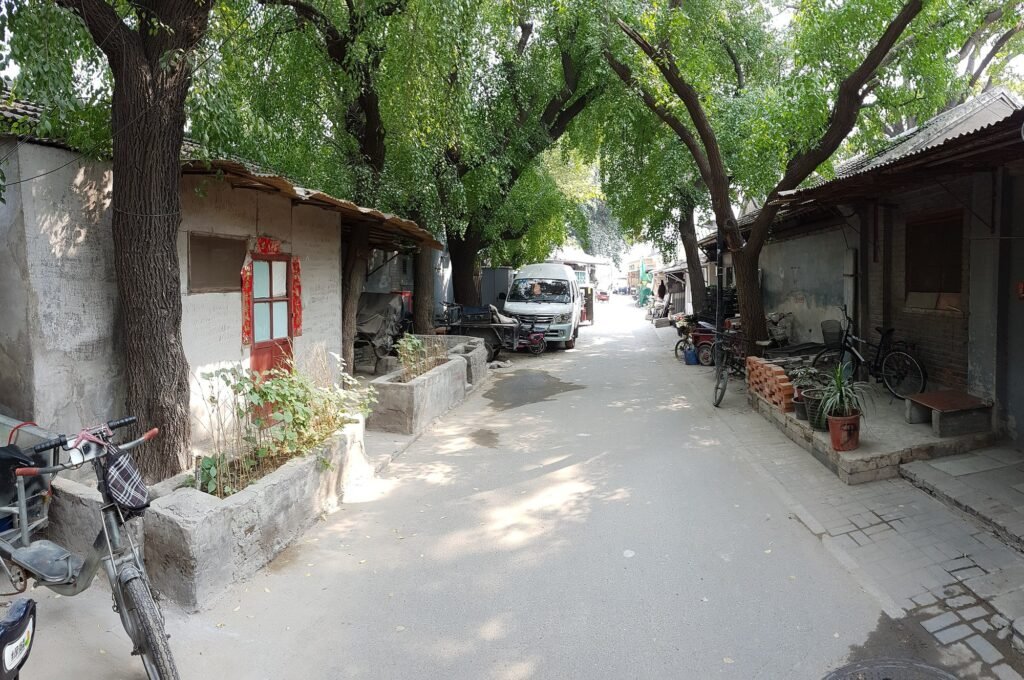
The show’s Beijing sequences are rooted in the city’s old hutong neighborhoods — the narrow grey-brick alleyways that thread through the historic core of the city, north of Tiananmen. This is where the show’s emotional center lives. The hutong scenes aren’t just backdrop; they’re character. The cramped courtyards, the bicycle bells, the smell of coal smoke and street food — it’s a Beijing that’s disappearing, and the production team knew exactly what they were doing by anchoring Huang Yimei’s story here.
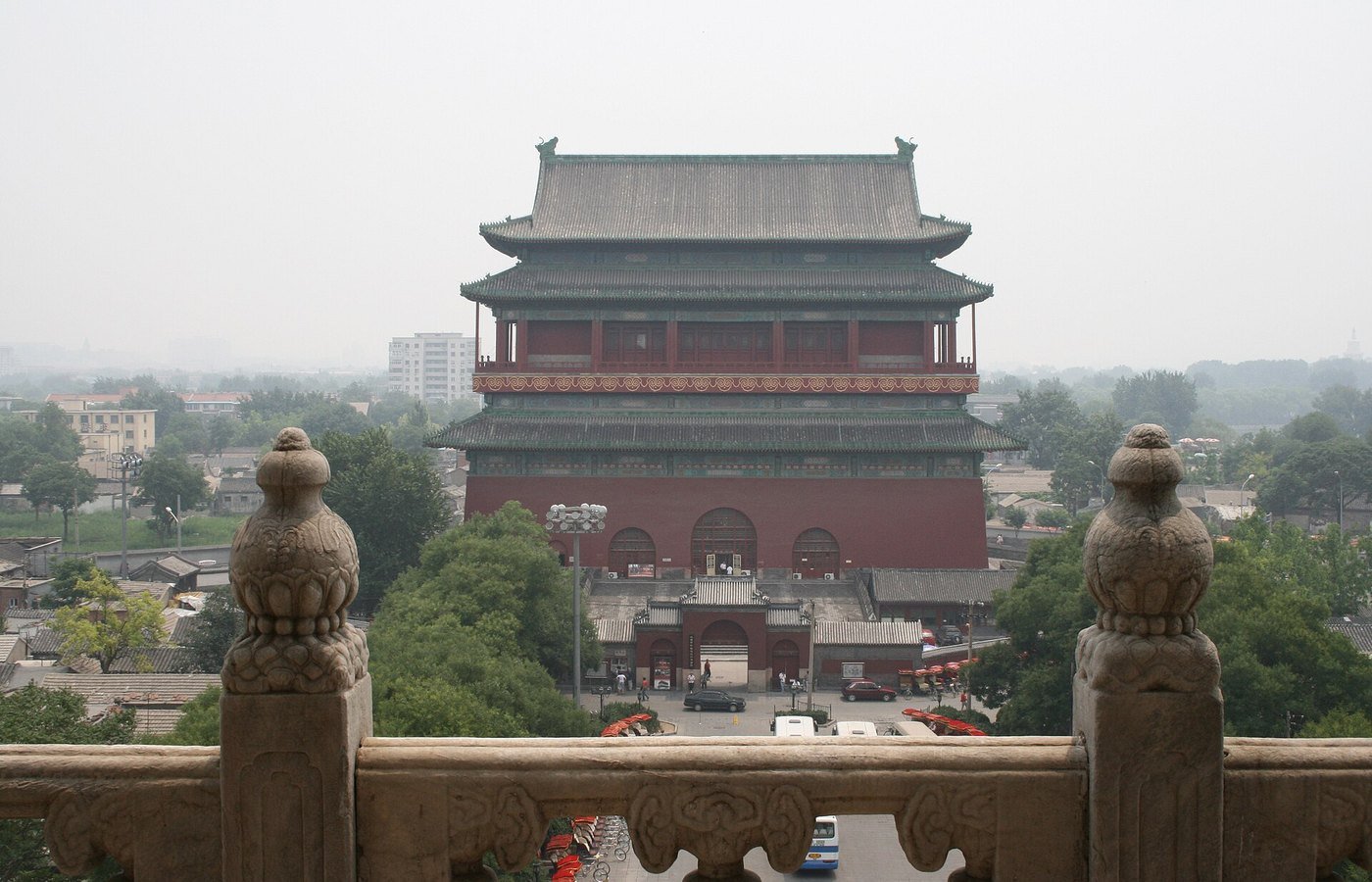
Photo: Gary Todd from Xinzheng, China / Wikimedia Commons, CC0
The area around the Drum Tower (鼓楼) and Bell Tower (钟楼) is your starting point. Stand at the base of the Drum Tower and look south — that’s the view that opens the show’s Beijing chapters. The towers themselves date to the Yuan Dynasty and were used to mark time for the entire city. Today the surrounding hutongs are some of the best-preserved in Beijing, and the whole area has a lived-in quality that the show captures perfectly.
Nanluoguxiang (南锣鼓巷) — The One Everyone Knows
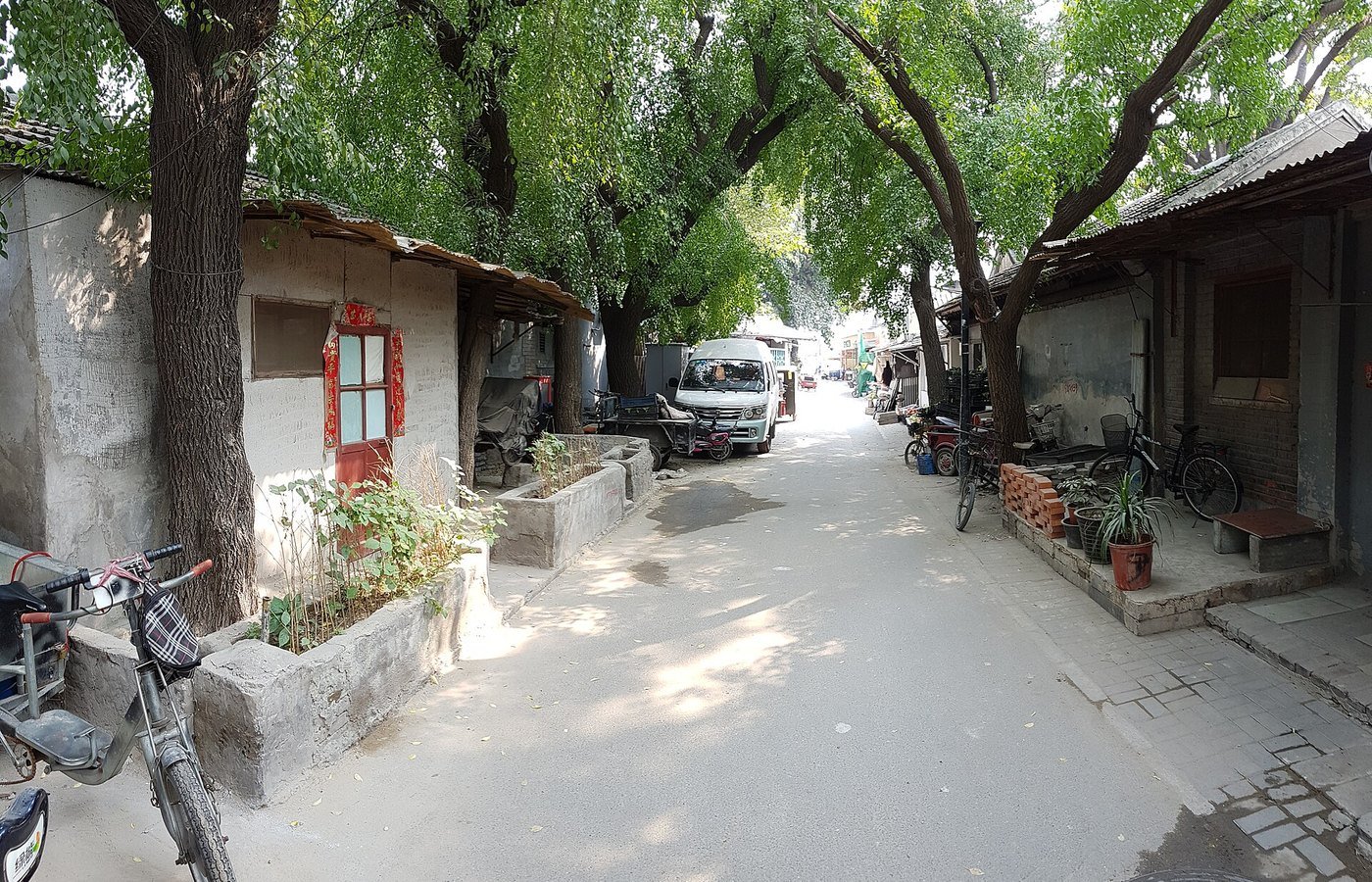
Photo: Anagoria / Wikimedia Commons, CC BY 3.0
Nanluoguxiang is the hutong that got famous first. It’s 800 meters long, lined with courtyard residences converted into cafes, vintage shops, and snack stalls, and it’s been a filming location for so many Chinese dramas that locals barely blink at camera crews anymore. The Tale of Rose used it for several of Huang Yimei’s early Beijing scenes — the ones where she’s still figuring out who she is, walking alone, processing things the way only people in good coats in beautiful alleys can.
The honest tourist note: Nanluoguxiang gets absolutely packed on weekends. Go on a Tuesday morning before 9am and it’s a completely different place — quiet, golden light, old men playing chess outside their gates. That’s the version the show captured. That’s the version worth seeing.
📍 Address: Nanluoguxiang, Dongcheng District, Beijing
🚇 Metro: Line 8, Nanluoguxiang Station — you literally exit into the alley
⏰ Best time: Weekday mornings, 7–9am. Avoid Saturday afternoons entirely.
While you’re here: Walk the side hutongs off Nanluoguxiang — Mao’er Hutong and Ju’er Hutong are quieter and arguably more beautiful. Grab a bowl of zhajiangmian (炸酱面) at one of the old noodle shops before the tourist crowds arrive.
Sanlitun: The Show’s Glossy, Complicated Present
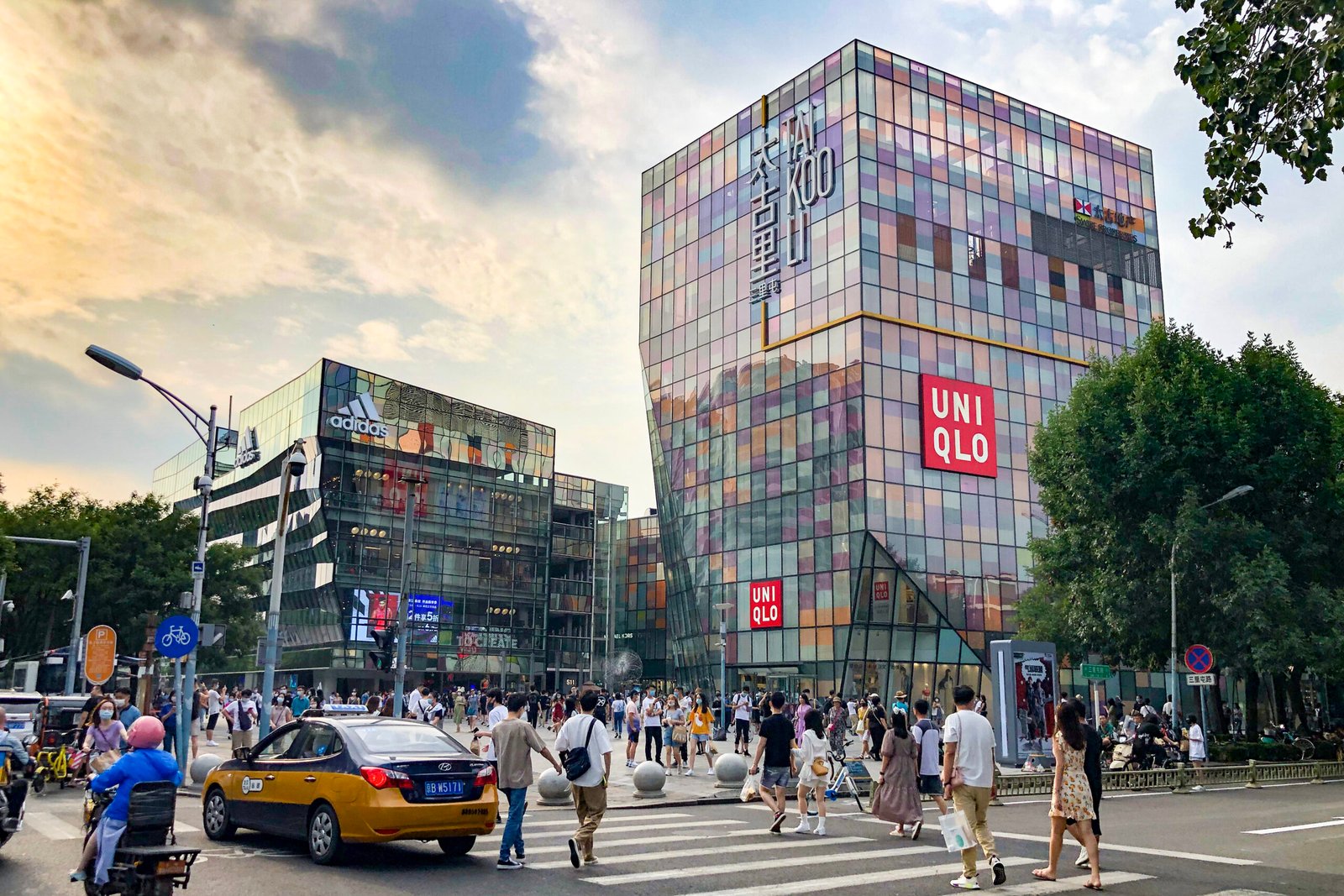
Photo: N509FZ / Wikimedia Commons, CC BY-SA 4.0
If the hutongs are where Huang Yimei comes from, Sanlitun is where she arrives. The show uses this neighborhood — Beijing’s most international, most expensive, most aggressively modern district — for the scenes where Yimei is operating at full power: the business dinners, the gallery openings, the moments where she walks into a room and everyone notices.
Sanlitun Taikoo Li is the specific complex that appears most frequently. It’s an open-air luxury retail development designed by architect Kengo Kuma — all glass, bamboo, and clean lines — and it photographs like a magazine spread without any effort. The show’s costume department clearly had a field day here; every scene set in Sanlitun involves an outfit that costs more than my rent.
As a visitor, Sanlitun is genuinely worth an evening. The restaurant and bar scene is excellent — this is where Beijing’s expat community and creative class eat and drink, and the quality is consistently high. The area around the north end of Taikoo Li has some good independent galleries and concept stores if you want to spend an afternoon.
📍 Address: Sanlitun Taikoo Li, 19 Sanlitun Road, Chaoyang District, Beijing
🚇 Metro: Line 10, Tuanjiehu Station or Nongzhan Station — 10-minute walk
⏰ Best time: Evenings from 6pm onwards. The light is better and the energy matches the show.
“She didn’t need the city to love her back. She just needed it to keep moving.”
Shanghai: The Second Act
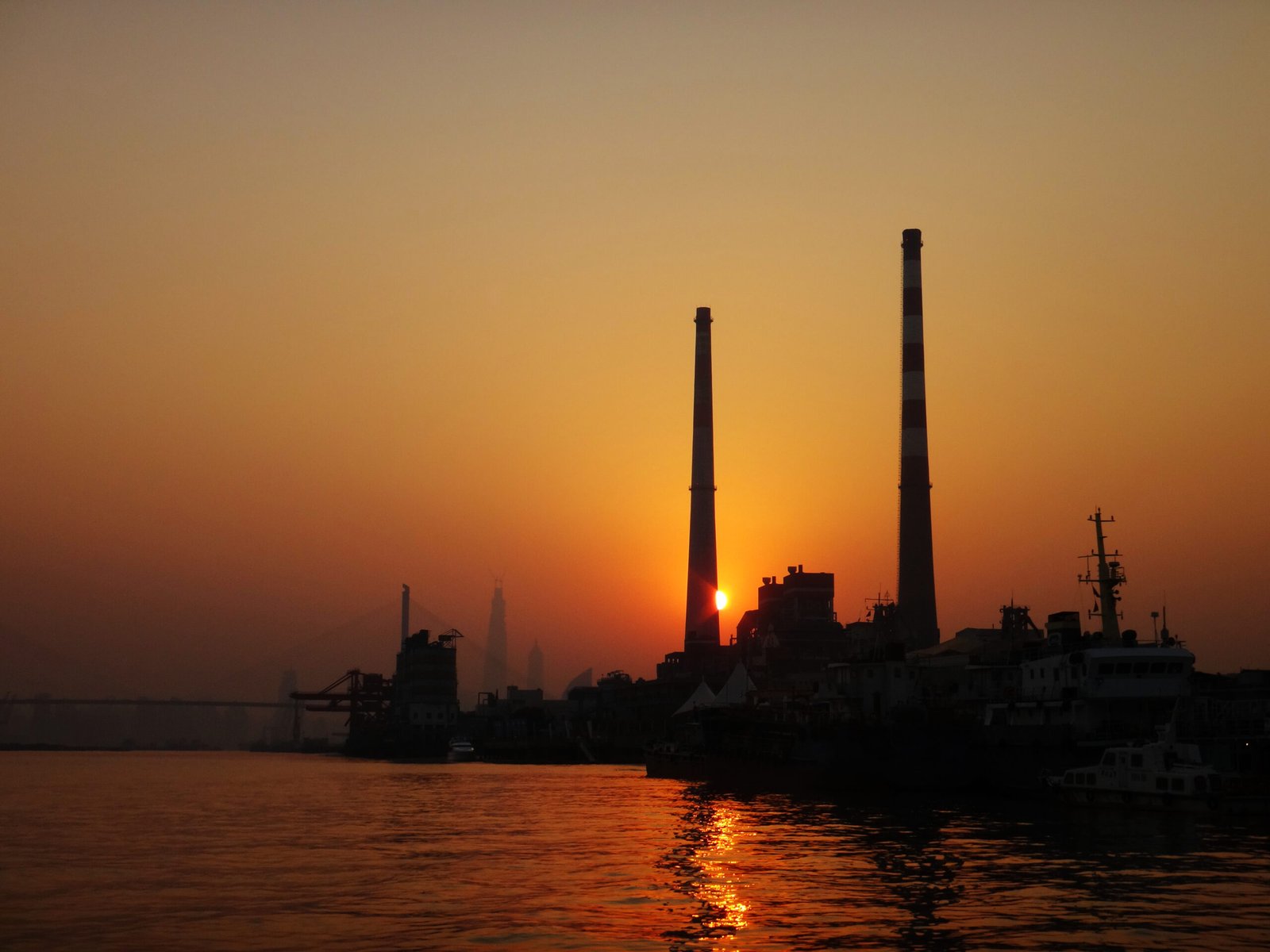
Photo: 我爱波音哈 / Wikimedia Commons, CC BY-SA 3.0
The show’s later episodes shift to Shanghai, and the production team made a deliberate choice: instead of the Bund or the French Concession (the obvious picks), they filmed heavily in Yangpu District — the city’s old industrial waterfront, now being reinvented as a creative and cultural hub.
This is the part of Shanghai that most Western tourists never see, and it’s genuinely one of the most interesting urban transformations happening in China right now. Former factory buildings along the Huangpu River have been converted into design studios, art spaces, and restaurants. The bones of the old industrial city are still visible — brick warehouses, rusted cranes, cobblestone loading docks — but the energy is completely contemporary.
The show uses this tension deliberately. Huang Yimei’s Shanghai chapters are about reinvention, about shedding old identities and building new ones. The Yangpu waterfront, with its mix of industrial past and creative present, is the perfect physical metaphor. The production team clearly understood that.
Yangpu Riverside (杨浦滨江)
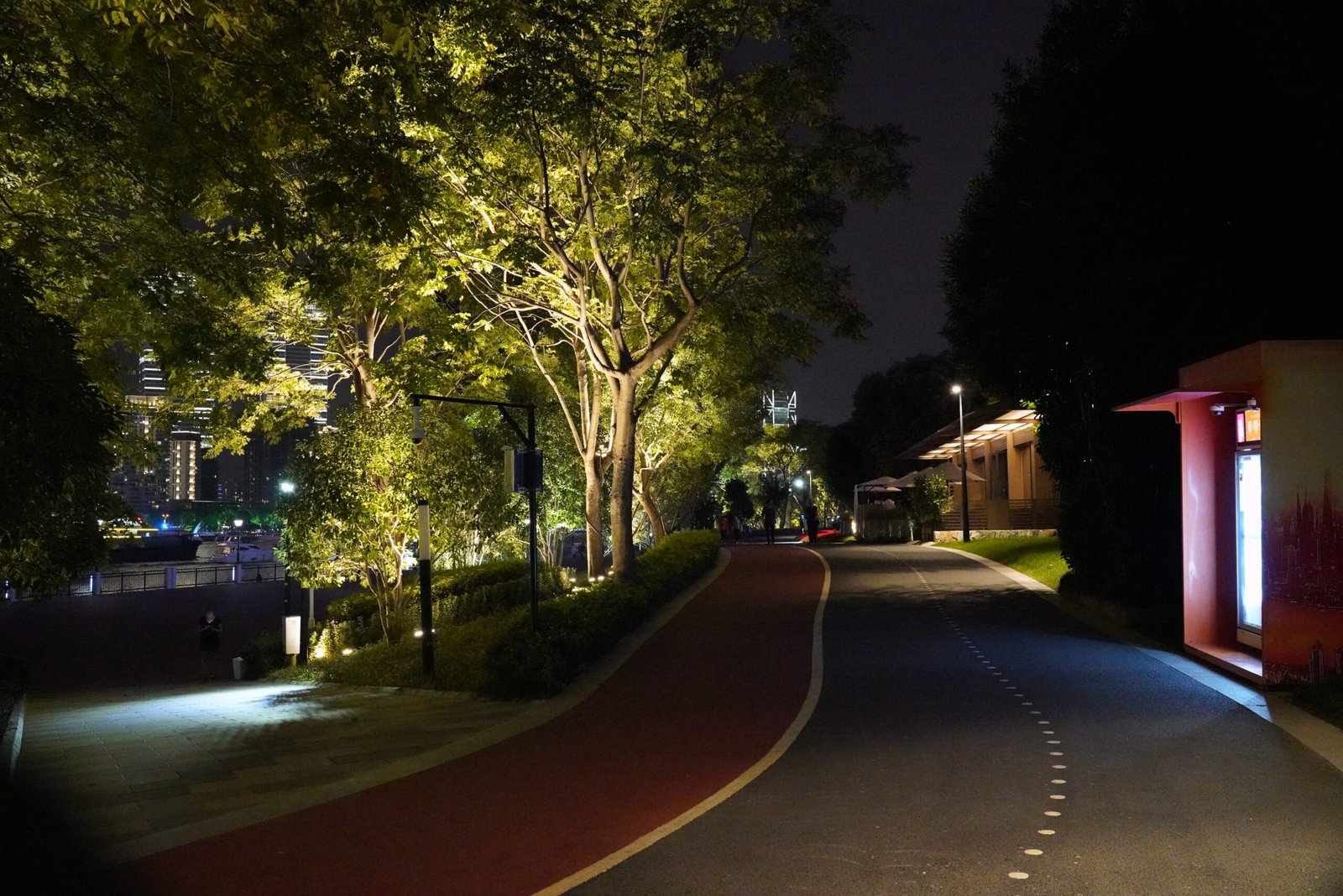
Photo: Ding Kezhong / Wikimedia Commons, CC BY-SA 4.0
The Yangpu Riverside public walkway stretches for several kilometers along the Huangpu River and is one of Shanghai’s best recent urban projects. It’s free, it’s beautiful, and on a weekday it’s almost empty. The show filmed several key scenes here — including one of the most-discussed confrontations of the later episodes, set against the backdrop of the river at dusk.
Walk south from the Yangpu Bridge toward the Fudan University area and you’ll pass through the specific stretch that appears most frequently on screen. The old power plant chimney stacks are unmistakable. Bring a good camera and go in the late afternoon — the light on the river and the industrial architecture is extraordinary.
📍 Address: Yangpu Riverside, Yangpu District, Shanghai (enter near Yangshupu Road)
🚇 Metro: Line 12, Liyuan Station — 15-minute walk to the riverfront
⏰ Best time: Weekday afternoons, 3–6pm. The golden hour light on the river is worth planning around.
While you’re here: The 1933 Old Millfun (老场坊) is a 10-minute taxi from the riverside — a stunning 1930s slaughterhouse converted into a creative complex. It’s one of Shanghai’s most architecturally dramatic spaces and appears briefly in the show’s background shots.
How to Do the Full Rose Trip
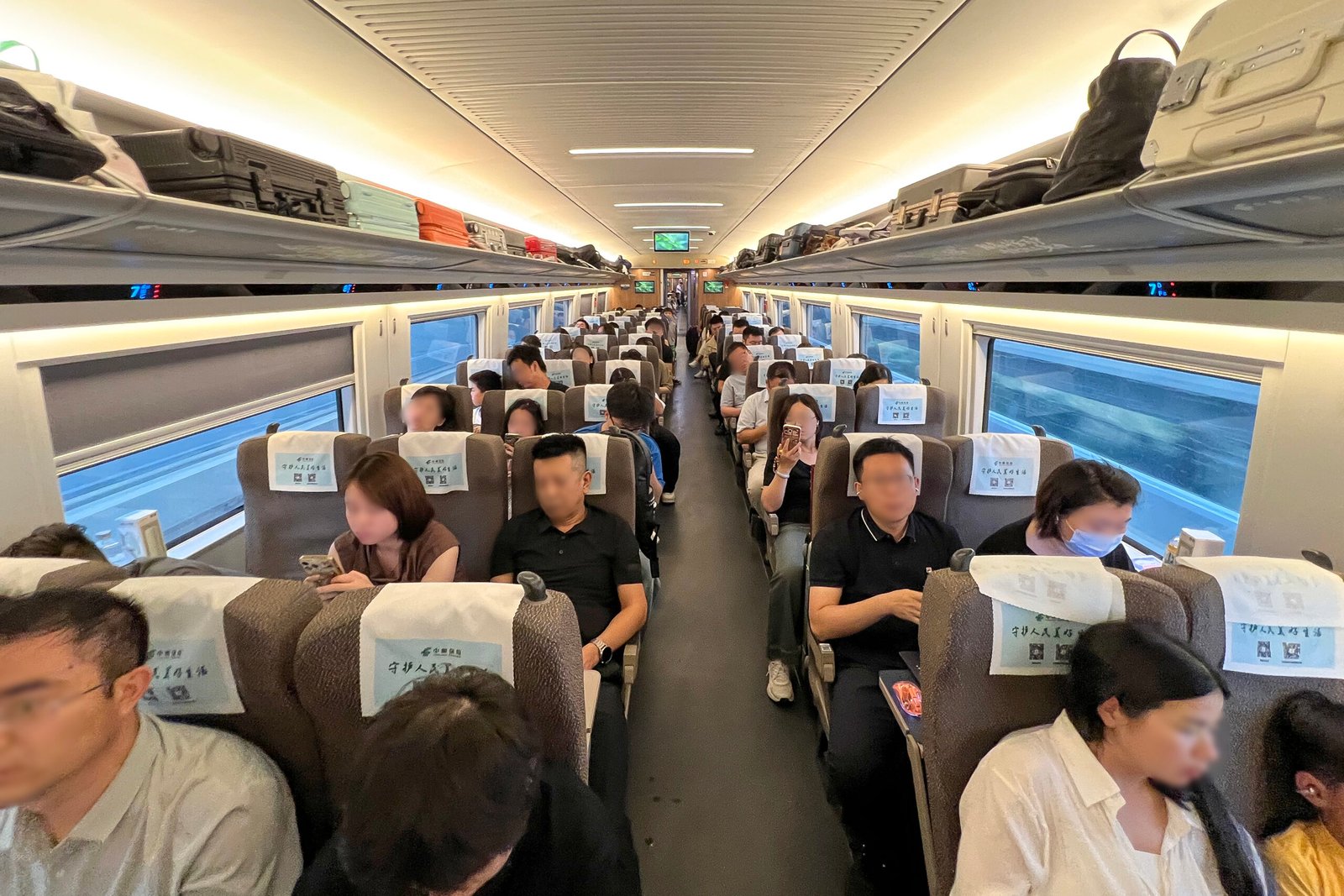
Photo: N509FZ / Wikimedia Commons, CC BY-SA 4.0
The good news: Beijing and Shanghai are connected by one of the world’s best high-speed rail routes. The bad news: you’ll need at least 5–6 days to do both cities justice without feeling like you’re sprinting.
Getting to Beijing
Most international flights land at Beijing Capital International Airport (PEK) or the newer Daxing International Airport (PKX). From PEK, the Airport Express train gets you to Dongzhimen Station in 25 minutes — from there, you’re one metro transfer from the hutong belt. From PKX, take the high-speed train to Beijing West Station (~20 minutes), then metro onward.
Getting to Shanghai
From Beijing, the G-train (高铁) to Shanghai Hongqiao takes 4.5 hours and runs constantly throughout the day. Book tickets on the Trip.com app or at any train station. Seats sell out on weekends — book at least 3 days ahead. From Hongqiao, metro Line 2 connects directly to central Shanghai.
Suggested Itinerary
The Rose trip, day by day
Every Beijing location is an ordinary public place, not a set — you can walk the whole trail with a metro card and no ticket office.
Where these Beijing places actually are: every hutong, Sanlitun and 798 stop above is an ordinary public place rather than a set, which means you can walk the whole trail with a metro card and no ticket office. For the district-by-district breakdown — including the Huairou film base north of the city, which is the only Beijing entry that is an actual production facility — see our Beijing filming locations guide.
Days 1–3: Beijing. Base yourself near the Drum Tower area — there are excellent boutique hotels in converted courtyard houses (siheyuan) that put you walking distance from every hutong location. Day 1: Drum Tower neighborhood and Nanluoguxiang. Day 2: Sanlitun and the 798 Art District. Day 3: Forbidden City and Jingshan Park.
Days 4–6: Shanghai. Stay in the Former French Concession for atmosphere, but allocate a full day to Yangpu. Day 4: Yangpu Riverside and 1933 Old Millfun. Day 5: The Bund and Xintiandi. Day 6: Tianzifang and a final evening on Yongkang Road.
The Tale of Rose filming locations: the full table
Beijing and Shanghai, and what each spot actually plays in the show.
| Location | Where | What it plays |
|---|---|---|
| Drum Tower + Bell Tower (鼓楼 · 钟楼) | Dongcheng, Beijing | The view that opens the Beijing chapters |
| Nanluoguxiang (南锣鼓巷) | Dongcheng, Beijing | Huang Yimei’s early Beijing walks |
| Sanlitun Taikoo Li | Chaoyang, Beijing | The glossy, modern Beijing — business dinners and gallery openings |
| 798 Art District | Chaoyang, Beijing | Art-district backgrounds |
| Yangpu Riverside (杨浦滨江) | Yangpu, Shanghai | The reinvention chapters — including a key late confrontation |
| 1933 Old Millfun (老场坊) | Hongkou, Shanghai | Brief background shots |
More modern dramas, shot in real cities
These are the C-dramas that used a real, walkable city as their set rather than a studio park — the ones where the place itself is the reason to go:
- Meet Yourself (去有风的地方) — Dali and Shaxi in Yunnan, the drama that made the location the point
- Blossoms Shanghai (繁花) — Shanghai in the 1990s, the real city used as a period set
- The Blossoms Shanghai walking route — the five-stop day walk through the same Shanghai locations
- The Best Thing (爱你) — Hangzhou, the 2025 romance that let the city play itself
- Fireworks of My Heart (我的人间烟火) — Ningbo, filmed entirely on location
- Will Love in Spring (春色寄情人) — Quanzhou’s old town and the Hui’an coast
Each of them has a city guide too — see every place we cover, by region, or browse the full drama index.
Practical Notes
Best season: October is the sweet spot for both cities — clear skies, mild temperatures, and the autumn light is genuinely beautiful. Spring (April–May) is also excellent. Avoid July–August in Beijing (brutal heat) and Chinese national holidays everywhere.
Getting around: Both cities have excellent metro systems with English signage. Download the Amap (高德地图) app for navigation — it’s more accurate than Google Maps for Chinese cities and works offline.
Language: English is widely spoken in Sanlitun and tourist areas. In the hutongs and Yangpu, a translation app is essential. Google Translate’s camera mode handles Chinese menus and signs well.
Budget note: This is a trip that rewards spending a little more. The boutique courtyard hotels in Beijing’s hutong belt cost more than chain hotels but the experience is incomparable — waking up inside the neighborhood you came to see is worth every yuan.
Huang Yimei didn’t wait for permission to live fully. Neither should you. Book the trip.
More like this: browse every C-drama filming location by show, or jump to our region-by-region guides.
Booking as a visitor from outside China: the Palace Museum and most Beijing landmarks now sell timed, real-name tickets. Book on the museum’s own channel rather than a reseller, book with your passport, and carry the physical passport on the day — the passport you booked under is what the gate reads, and the staffed lane is the fallback if the turnstile will not take it.
Official sources: The Palace Museum — official ticketing and opening hours for the Beijing landmarks on this route.
Your next move
Still exploring?
The other modern dramas shot in real cities, from Shanghai to Dali.
Worried about the practical stuff?
Visas, payment, trains and the apps you’ll need before you land — the four things you cannot work out on the ground. Each guide is dated and sourced.
Ready to go?
The Beijing half is the Palace Museum and the hutongs. The guide covers the real-name ticket and the fallback.
Last verified
Sources: The Palace Museum, Beijing - official ticketing and opening hours · Beijing Municipal Government - official visitor portal
Spotted something out of date? Email us — or read how corrections work. We check every report against the source and update the page.
Ready to plan it? Turn the dramas you have watched into a day-by-day route with the C-drama route planner.
Not sure where to start? Take the drama-city quiz — seven questions, one city, and a route waiting at the end.