
Filming locations are outdoor sets. Weather decides whether you get the shot you came for. So does the Chinese holiday calendar, which can turn a quiet backlot into a queue of three thousand people. Working out the best time to visit China for set-jetting means reading two calendars at once: the weather, and the holidays.
The short answer: The best time to visit China for filming locations is late March to May, and September to November. These windows give you bearable temperatures, good light and manageable crowds. Avoid the first week of May and the first week of October entirely, and think hard before attempting Zhejiang or Guizhou in July and August.
Why the best time to visit China matters more here than on a normal trip
A museum has air conditioning. Hengdian’s Qinqing Palace steps do not. The Cloud Recesses exteriors in Guizhou are bamboo ridges with no shade for kilometres. Dali sits at altitude on the Yunnan plateau, where sunburn arrives faster than you expect.
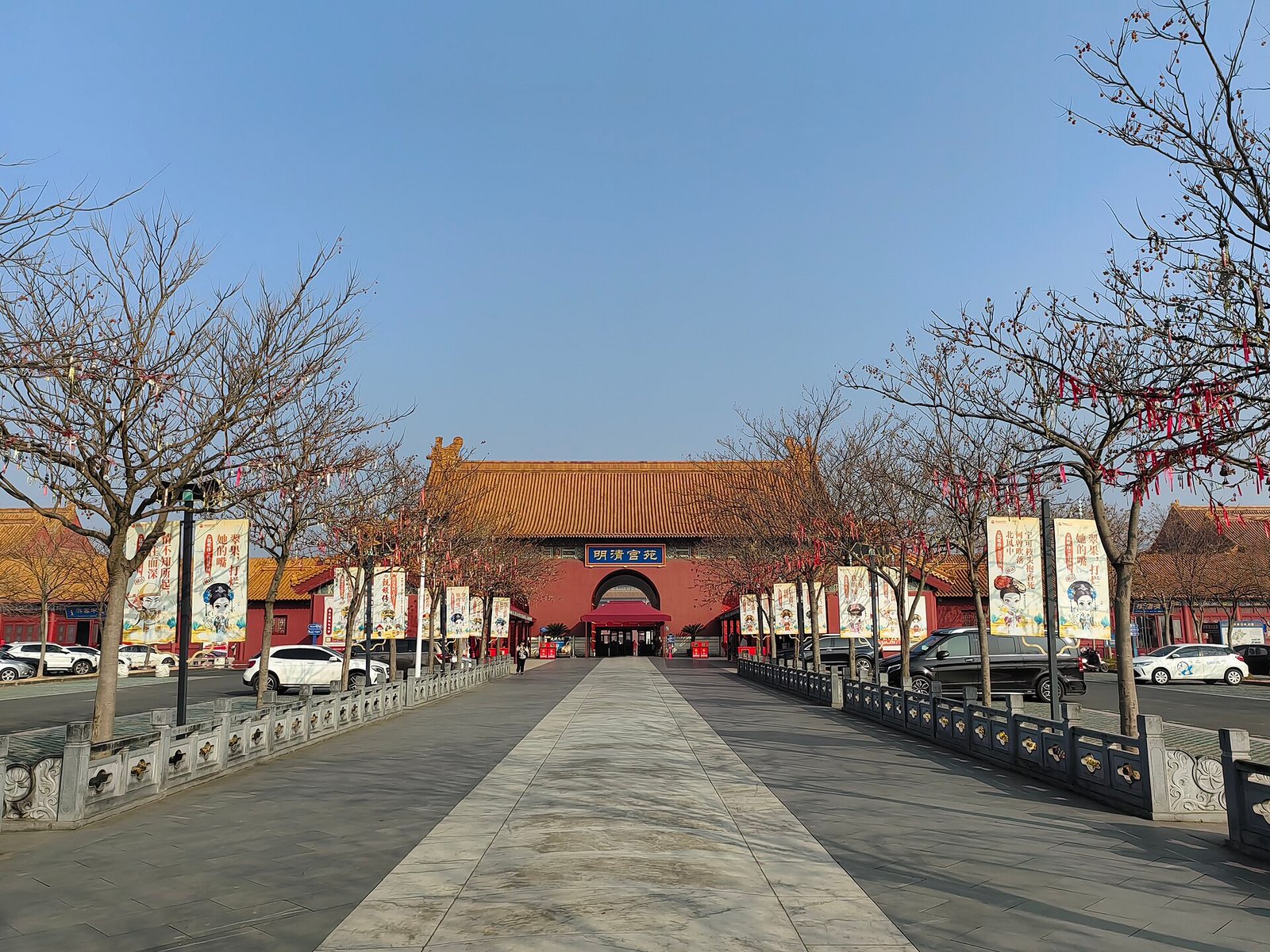
And because these are working studios and outdoor sets, the light is the product. The golden hour that makes Ming Qing Palace look like the show happens at a specific time of day, in specific months, and cloud cover in the wrong season erases it.
The calendar, honestly
| Period | Verdict | Why |
|---|---|---|
| Mid-March – April | Best | Cool, clear, blossoms out. Crowds moderate. |
| 1–7 May | Avoid | Labour Day holiday. Every domestic attraction is at capacity. |
| Mid-May – June | Good | Warm but not brutal. Rain begins in the south. |
| July – August | Hard | 38–40°C in Zhejiang with high humidity. Sets are unshaded. Guizhou is wetter. |
| September – early October | Best | The sweet spot. Warm days, cool evenings, good light. |
| 1–7 October | Avoid | National Day holiday. The busiest week of the Chinese travel year. |
| Late October – November | Excellent | Clear, cool, low humidity, thin crowds. |
| December – February | Mixed | Cold but manageable. Flat light. Some evening shows stop running. |
The holiday calendar, with real dates
China’s public holidays are set once a year by the State Council and move with the lunar calendar, which means any holiday list you find online goes stale within twelve months. The dates below are the official 2026 schedule. Read them for the pattern — which holidays are long, and which ones empty the country onto the rails — rather than as a permanent calendar.
| Holiday | 2026 dates | What it means for a filming trip |
|---|---|---|
| New Year | 1–3 Jan (3 days) | Minor. City attractions only. |
| Spring Festival | 15–23 Feb (9 days) | The worst window of the year. Studios run holiday programming or close, and rail sells out. |
| Qingming | 4–6 Apr (3 days) | Short and domestic. Busy at Hengdian, tolerable elsewhere. |
| Labour Day | 1–5 May (5 days) | Effectively a second Golden Week. Treat it like National Day. |
| Dragon Boat | 19–21 Jun (3 days) | Short, and it falls in the hot season anyway. |
| Mid-Autumn | 25–27 Sep (3 days) | See the warning below — in 2026 this sits almost against National Day. |
| National Day | 1–7 Oct (7 days) | The busiest week of the Chinese travel year. |
The 2026 trap: Mid-Autumn (25–27 September) and National Day (1–7 October) are separated by only three working days. Take those three as leave and you get a 13-day continuous break — which is precisely what a great many domestic travellers will do. Late September into early October 2026 will be busier than either holiday would be on its own.
Spring Festival is longer than it used to be. The 2026 break runs nine days, up from the seven-day norm of a few years ago. A longer holiday does not mean quieter sets — it means the same number of people spread over more days, with the total volume higher.
The rule to take away: Spring Festival, National Day and Labour Day are the three windows to plan around, not through. Everything else is a long weekend.
By region, because China is not one climate
Zhejiang (Hengdian)
Humid subtropical. Spring and autumn are ideal. Summer is genuinely punishing — the sets are almost entirely outdoors with little shade, and the humidity makes 35°C feel like 45°C. Winter is grey but quiet and cheap. See the Hengdian guide.
Guizhou (Duyun)
Wet, with rain in most months and frequent mist. The mist is the point — it is what makes the Cloud Recesses exteriors look like the show. But it also means you need to accept that some days will be washed out. Spring and autumn give the best combination of green and visibility. See the Duyun guide.
Yunnan (Dali, Shaxi)
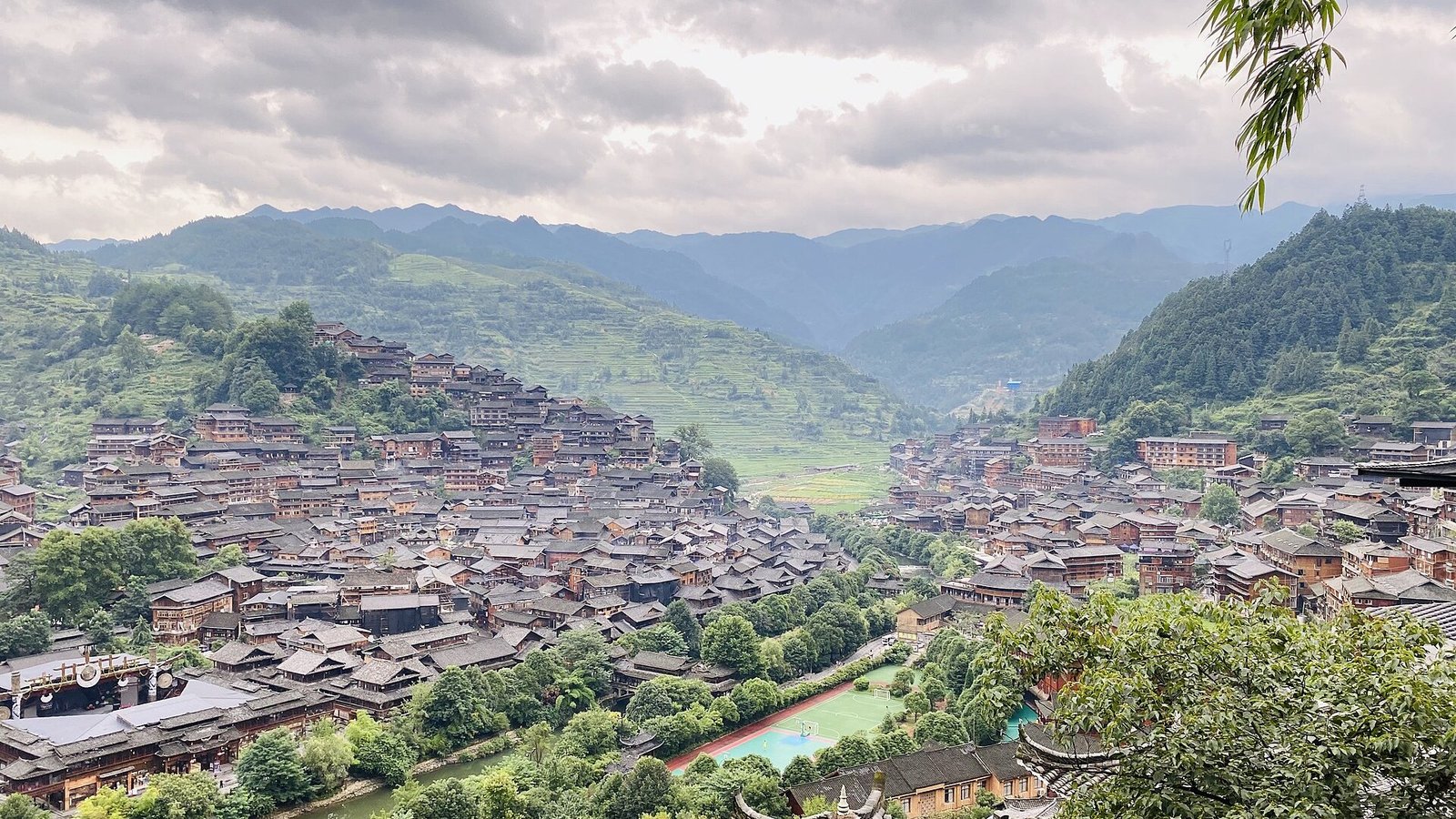
High altitude, strong sun, big day-night temperature swings. Spring is the classic window. The rainy season runs roughly June to August, when afternoon downpours are routine. See the Dali and Shaxi guide.
Hubei (Xiangyang)
Four distinct seasons with a hot, humid summer. Spring and autumn are the comfortable windows for the Tang City set. See the Xiangyang guide.
Shanghai
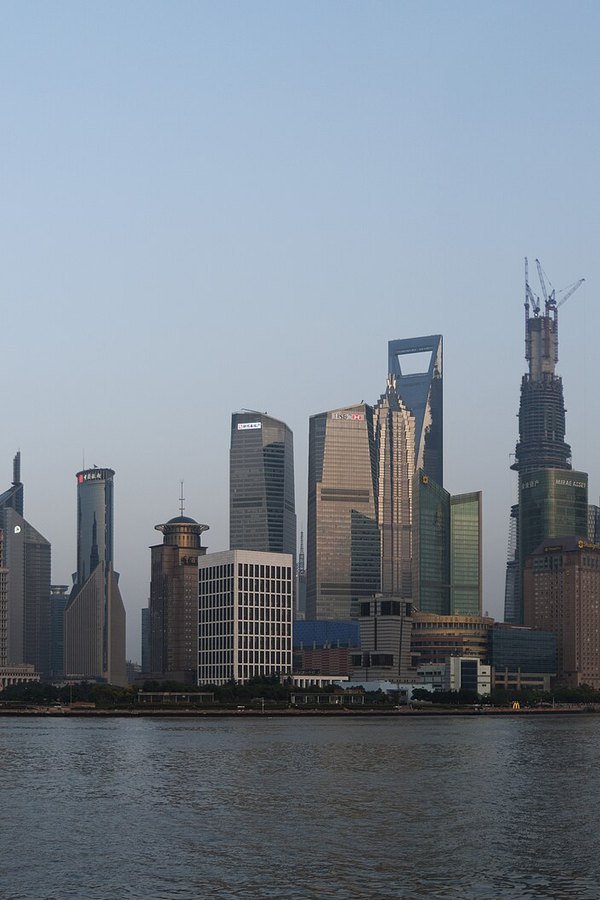
The mildest of the five and the most forgiving in winter, though summer is hot and humid and autumn is the pick. Because most of what you are there for is a city you walk, weather matters less than it does at a backlot. See the Shanghai guide.
Month by month
| Month | Verdict | Notes |
|---|---|---|
| January | Poor | Cold and flat. Spring Festival travel build-up starts late in the month. |
| February | Avoid | Spring Festival — 15–23 February in 2026. |
| March | Good | Warming, blossoms starting, crowds still thin. |
| April | Best | Clear and mild. Qingming (4–6 April) is the only bump. |
| May | Mixed | Excellent after the 5th; the first five days are a Golden Week. |
| June | Fair | Warm. The plum rain begins in the south. |
| July | Hard | Peak heat and humidity in Zhejiang; Guizhou turns wet. |
| August | Worst | Hottest, most humid, and peak domestic travel. |
| September | Best | Warm days, cool evenings — but watch the late-month build-up. |
| October | Good after the 7th | The first week is National Day. The rest is excellent. |
| November | Excellent | Clear, cool, low humidity, thin crowds. |
| December | Fair | Cold and grey, but quiet and cheap. |
Light: the practical detail nobody mentions
If photography matters to you, plan around the light rather than just the weather:
- Qinqing Palace steps (Hengdian) face east — go at opening for hard morning light and no crowds. By 10am it is a queue.
- Ming Qing Palace (Hengdian) looks best in late afternoon when the sun goes low and gold against the white walls.
- Guizhou ridges want early morning mist, which means being on site before sunrise and accepting a coin flip on visibility.
- Shanghai in Blossoms Shanghai terms is about neon and dusk, not daylight.
What timing does to your budget
When you go is the single biggest lever on what this trip costs — bigger than which hotel you pick or how early you book.
- Golden Weeks. Hotel rates in Hengdian and Dali roughly double, and the cheap rooms go first. Rail seats on the main lines sell out entirely.
- Shoulder season (late March to April, late October to November). The best combination of good conditions and normal prices.
- Winter. Cheapest of all. The trade-off is flat light and some evening performances closing for the season.
One hard constraint to plan around: China’s high-speed rail tickets go on sale 15 days before departure, including the day of travel. You cannot book a train three months out. On a Golden Week date the popular morning departures can vanish within minutes of the window opening — so the honest answer to “when should I book?” is “the morning the window opens, with an alarm set.” See the rail guide for how the booking actually works. If you are travelling on a passport, book on 12306 with your passport number and keep the physical passport with you — on a passport booking it is your ticket at the gate, and the staffed lane is the fallback if the reader will not take it.
Common questions
What is the single best week to come?
Late October. The National Day crowds have dispersed, the humidity has dropped, the light is clear and the hotel prices have come back to normal. If you can only pick one week, pick that one.
What is the worst month to come?
August. Heat, humidity, peak domestic holiday travel, and the highest chance of afternoon thunderstorms disrupting outdoor days.
Is there a season when the sets are quiet?
Winter weekdays outside Spring Festival. December and January are the thinnest months at Hengdian, and you will often have whole courtyards to yourself — at the cost of flat light and a shorter day.
Is winter worth it?
Yes, with adjusted expectations. Crowds are thin, prices are lower, and the sets are quieter. The trade-off is flat light and some evening performances shutting down for the season.
How far ahead should I book?
For spring and autumn, book hotels 4–6 weeks ahead — but remember that rail tickets cannot be bought until 15 days out, so set a reminder rather than trying to book everything at once. For any date touching a national holiday, add a buffer on the hotel side and be ready on the morning the rail window opens.
Does rain ruin a filming-location trip?
In Guizhou, no — mist is part of the aesthetic. At Hengdian, mostly yes, because the sets are outdoors and photography-dependent.
Your next move
Ready to go?
Timing is one door. The planning hub covers the rest.
Last verified
Sources: State Council General Office — official 2026 public holiday schedule (Guoban Famingdian [2025] No. 7), published 4 November 2025 · China Railway 12306 — official ticket pre-sale window: 15 days, including the day of travel
Spotted something out of date? Email us — or read how corrections work. We check every report against the source and update the page.
Ready to plan it? Turn the dramas you have watched into a day-by-day route with the C-drama route planner.
Not sure where to start? Take the drama-city quiz — seven questions, one city, and a route waiting at the end.