
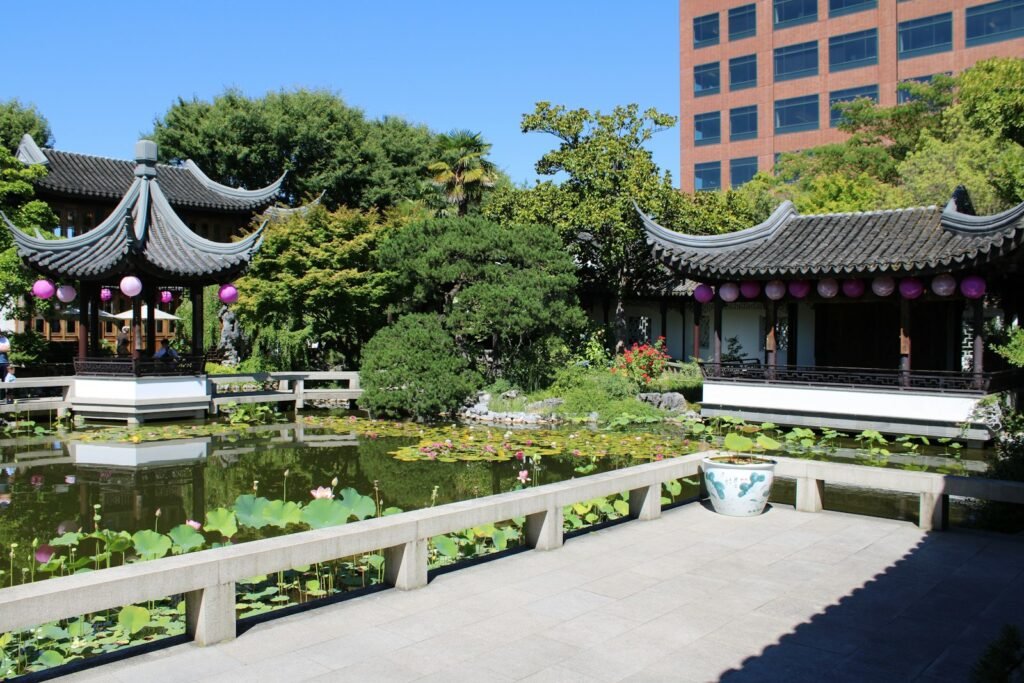
Most of the dramas on this site are filmed in a place you can point at on a map. All Is Well is filmed in a place you already know: Suzhou, the canal city an hour west of Shanghai, the one with the gardens on the UNESCO list. What makes its All Is Well filming locations worth a trip is not a backlot or a theme park — it is a single lane of 1930s brick houses in the old town, a teahouse on the canal, and a stretch of very new skyline across the lake. The show used the real city, and the real city is still there.
The short answer: All Is Well (都挺好, 2019) was filmed in Suzhou, Jiangsu — above all in the old town (Gusu District), where the Su family’s house is Tongdeli (同德里), a 1930s lane off Wusa Road, and the “carnivore” restaurant is modelled on the Han’er Yuan teahouse on Pingjiang Road. The modern half of the show — Mingyu’s apartment, the corporate towers — is the Jinji Lake district in Suzhou Industrial Park. The holiday scenes were shot at Mingyue Bay, an old village on West Mountain in Lake Tai. The old town is free and walkable; the classical gardens and Mingyue Bay are ticketed.
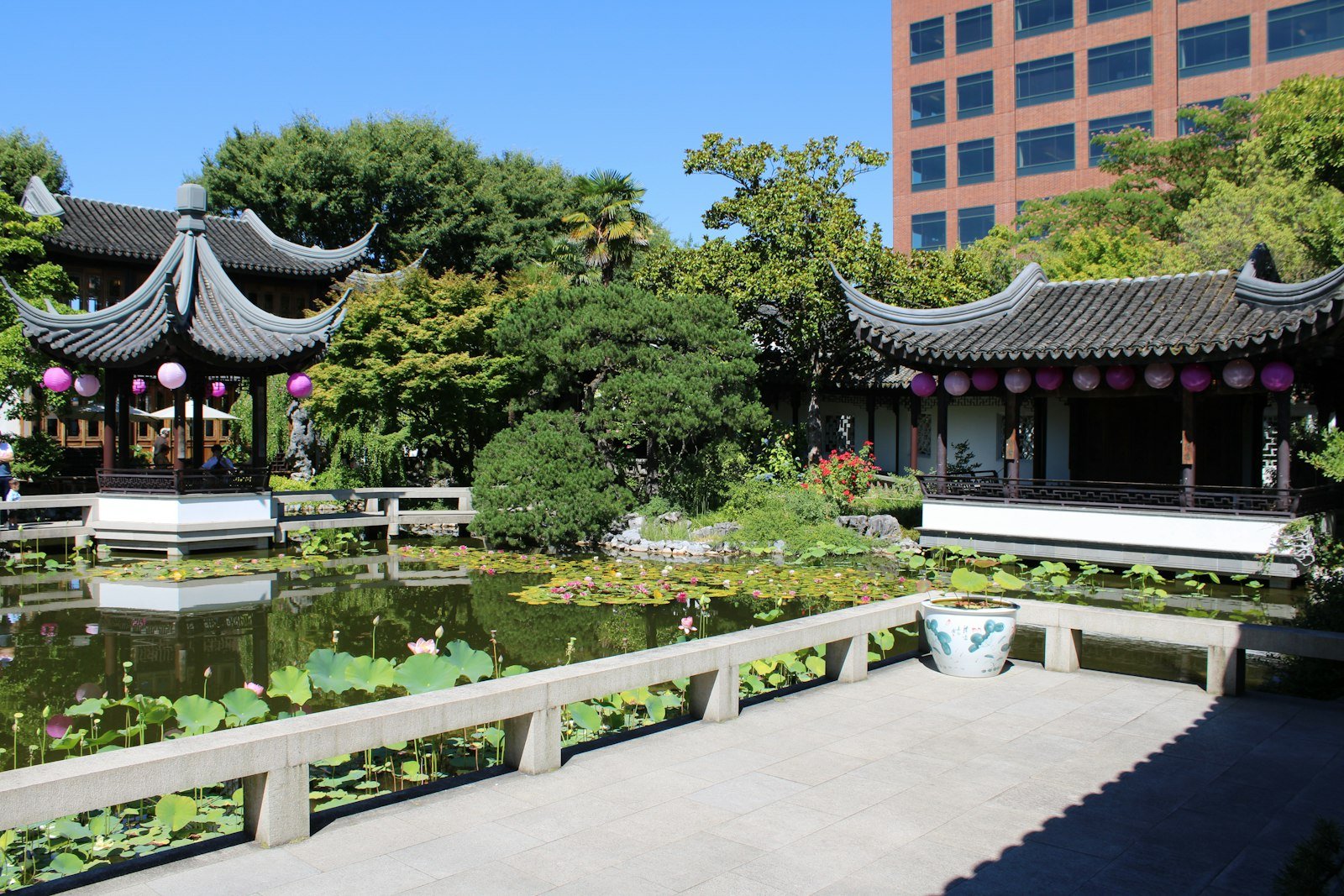
The drama that turned a lane into a landmark
All Is Well is a forty-six-part family drama that premiered on Zhejiang TV and Jiangsu TV on 1 March 2019, produced by Daylight Entertainment (正午阳光), directed by Jian Chuanhe (简川訸) and starring Yao Chen (姚晨) as Su Mingyu, the daughter written out of her own family, and Ni Dahong (倪大红) as Su Daqiang, the father who becomes the problem the whole family cannot solve. It is adapted from a novel by A’Nai (阿耐), and it became one of the most argued-about Chinese series of its year: a Douban score that opened at 8.5 before settling around 7.8, and a win for Outstanding TV Drama at the 30th China TV Golden Eagle Awards.
What matters for a traveller is where it was made. The show needed two Suzhous at once — the low-rise old town of canals, lanes and whitewashed walls, and the glass-and-steel city that grew up beside it. Suzhou has both, and it put them in the same frame. The result is unusual among filming-location guides: almost nothing here is a set. The lane the family lives in is a real lane that people live in, and the teahouse where Mingyu eats is a real teahouse you can book.
All Is Well filming locations at a glance
Every location below is in Suzhou prefecture. The first three are in the old town and can be walked in one morning; Jinji Lake is a metro ride east; Mingyue Bay is a half-day trip out to Lake Tai.
| Location | Where | What it stood for in the show | Cost |
|---|---|---|---|
| Tongdeli (同德里) | Off Wusa Road, Gusu District (old town) | The Su family home — the house Su Daqiang moves back into | Free |
| Pingjiang Road (平江路) | Gusu District, along the Pingjiang canal | The family’s everyday street; Mingyu’s walks | Free |
| Han’er Yuan teahouse (翰尔园) | Daru Lane, off Pingjiang Road | The model for the “Shi Hun Zhe” restaurant | Free to look; tea is paid |
| Zhuanzhu Lane (专诸巷) | Gusu District, near the old city wall | A quiet lane the show pushed into the light | Free |
| Shantang Street (山塘街) | Gusu District, west of the old town | Canal-street exteriors | Free |
| Jinji Lake (金鸡湖) | Suzhou Industrial Park, east of the old town | The modern city: towers, lake, Mingyu’s world of work | Free |
| Mingyue Bay (明月湾) | Jinting Town, Wuzhong District, West Mountain, Lake Tai | Mingyu and Shi Tiandong’s holiday village | ¥40 |
| The classical gardens (拙政园, 留园, 网师园…) | Across the old town | Not a set — the city’s own scenery, and a UNESCO site | Ticketed |
Tongdeli: the Su family’s lane
Start here, because this is the show’s most photographed address. Tongdeli is a single lane in the middle of the Gusu old town, running east off Wusa Road and ending at its twin, Tongyili. It is barely a street at all: 250 metres long and two metres wide, lined with two-storey brick lane-houses built in the 1930s, when the Shanghai gangster Du Yuesheng put up housing here and named it for “shared virtue”. The site was a fish pond on the grounds of a Song-dynasty hall before that; today it is one of the largest surviving groups of Republican-era housing in Suzhou, and a municipal protected site.
In the show it is the Su family home — the house the children grew up in and the house Su Daqiang insists on returning to. What the camera never shows you is that it is also simply a residential lane: washing lines, bicycles, a few households who did not sign up to be famous. Walk it slowly, keep your voice down, and treat the doorways as front doors rather than backdrops. The Gusu district government itself now lists Tongdeli among the places visitors come to Suzhou specifically to see — which is exactly why it deserves a little care.
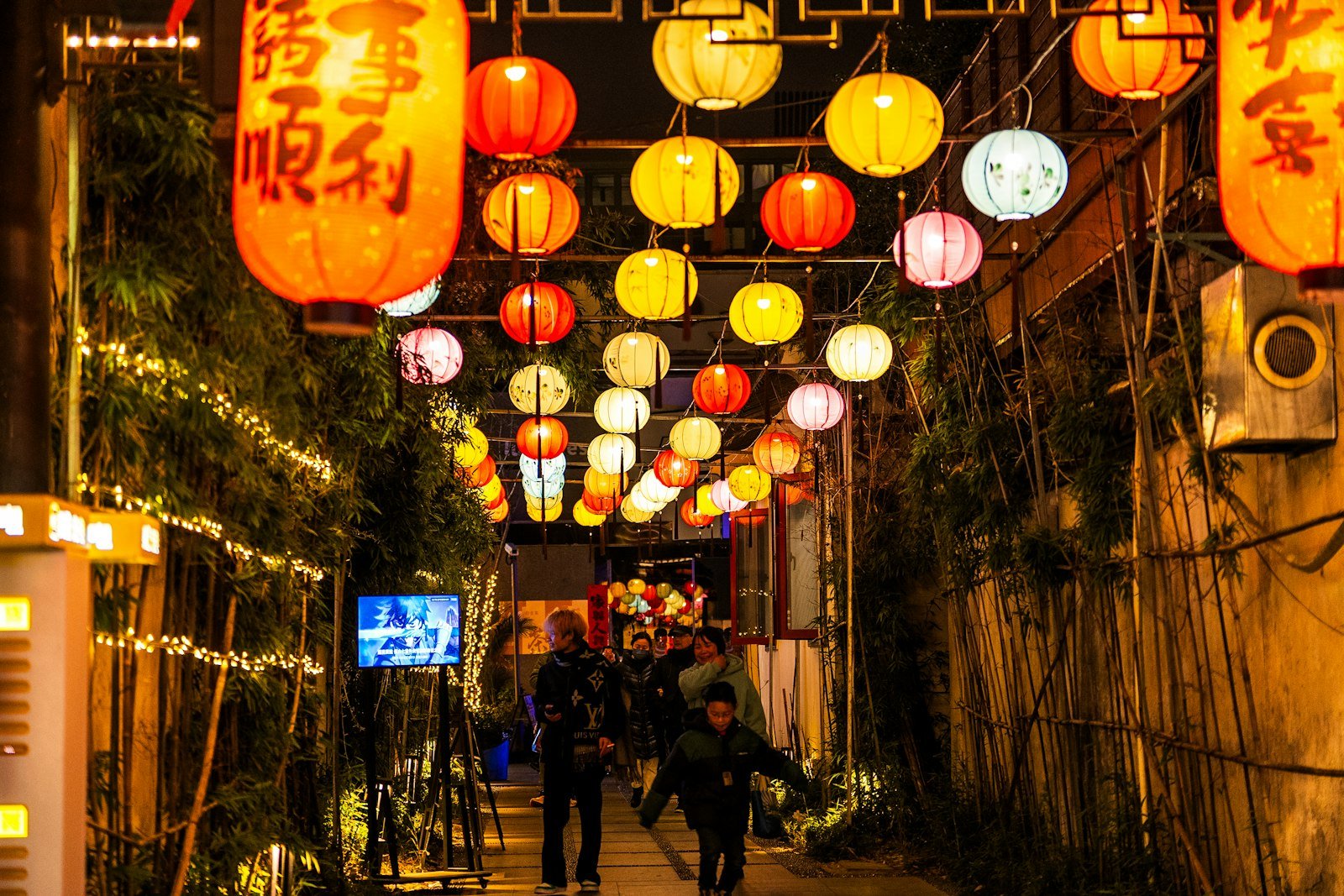
Pingjiang Road and the “carnivore’s” teahouse
From Tongdeli it is a short walk to Pingjiang Road, the canal street that the show uses as the family’s everyday world. Pingjiang is the oldest surviving quarter of Suzhou — a street laid out along a canal more than 2,500 years ago, with stone bridges, whitewashed houses and side lanes running off it in both directions. It was formally protected in Suzhou’s 1986 master plan, and it is the reason the city has a saying: “Pingjiang Road first, then the city of Suzhou.” It is free, open, and busy — go early.
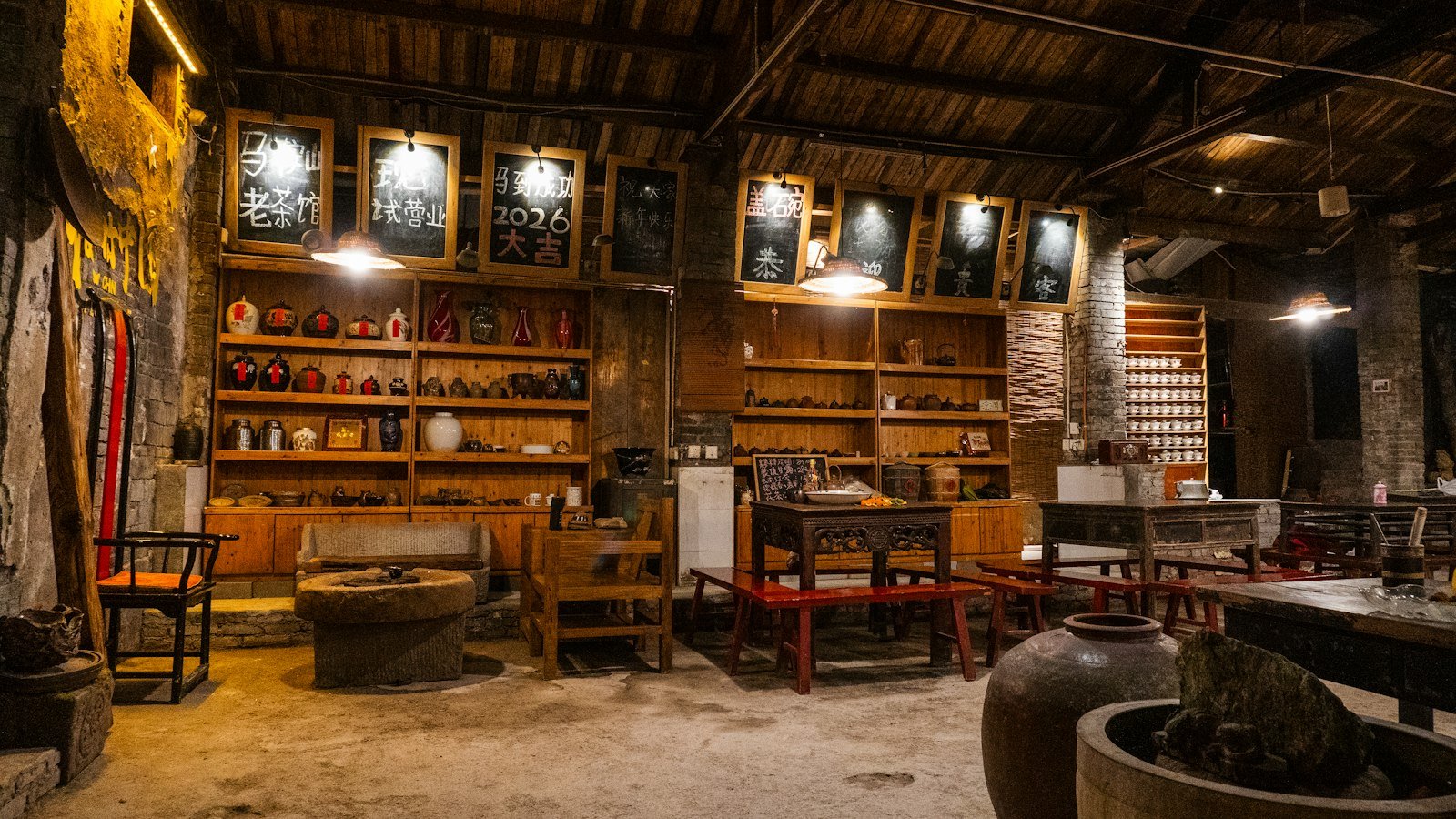
The specific stop is Han’er Yuan (翰尔园), a pingtan teahouse at the mouth of Daru Lane, built right against the canal. In the drama it is the model for “Shi Hun Zhe” — the restaurant whose name means, roughly, “the carnivore” — and the Gusu district government’s own tourism write-up names it as one of the two places visitors come looking for. It is a working teahouse, not a museum: order tea, listen to the pingtan storytelling if there is a performance on, and watch the canal.
Two more old-town stops round out the walk. Zhuanzhu Lane, near the old wall, is a narrow lane the show brought into the light — its weathered wall and stone paving have since become a spot photographers seek out. And Shantang Street, the “Seven-Li Shantang” canal street west of the old town, supplied canal-side exteriors; it is the classic Suzhou night walk, lit up after dark.
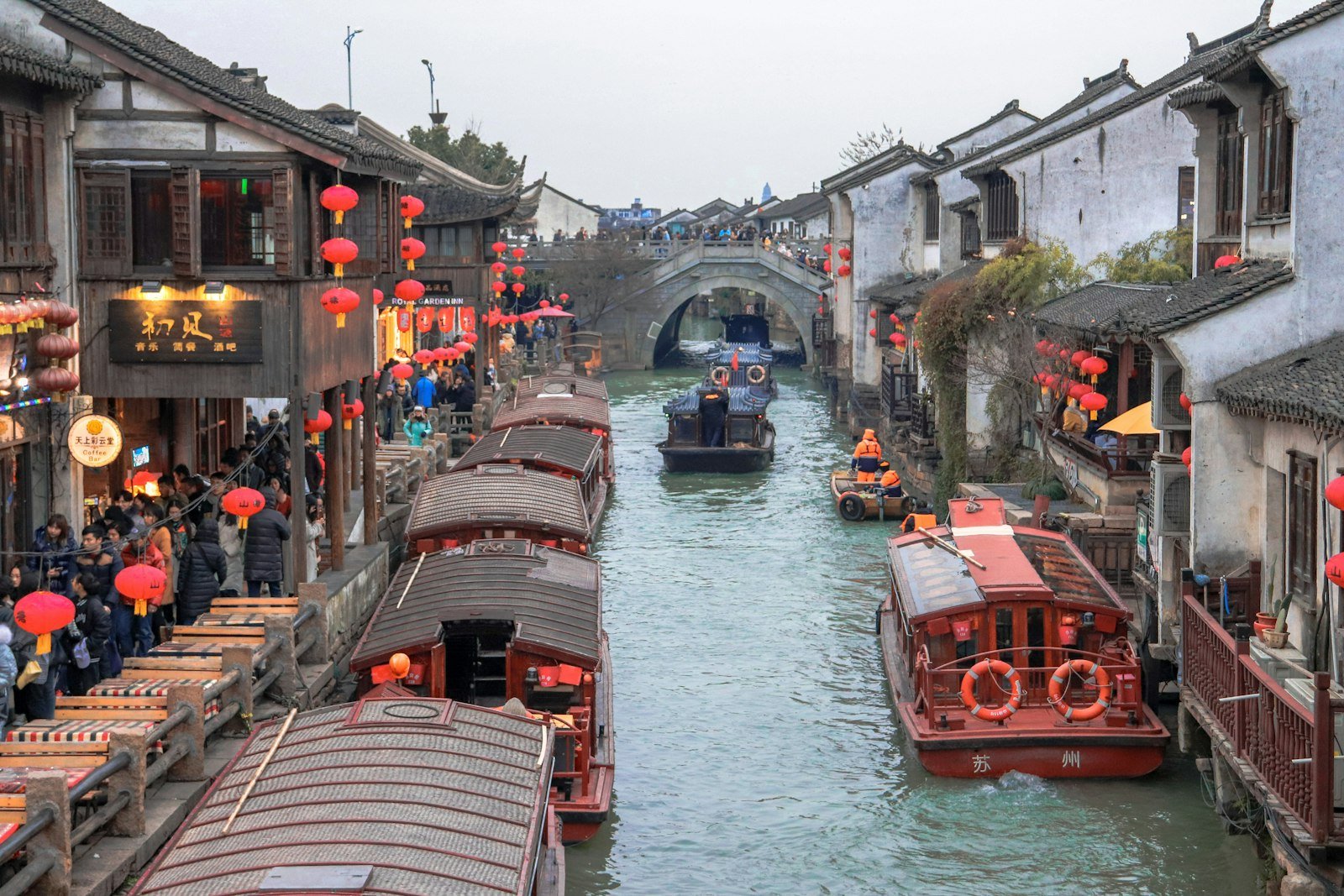
Jinji Lake: the modern half
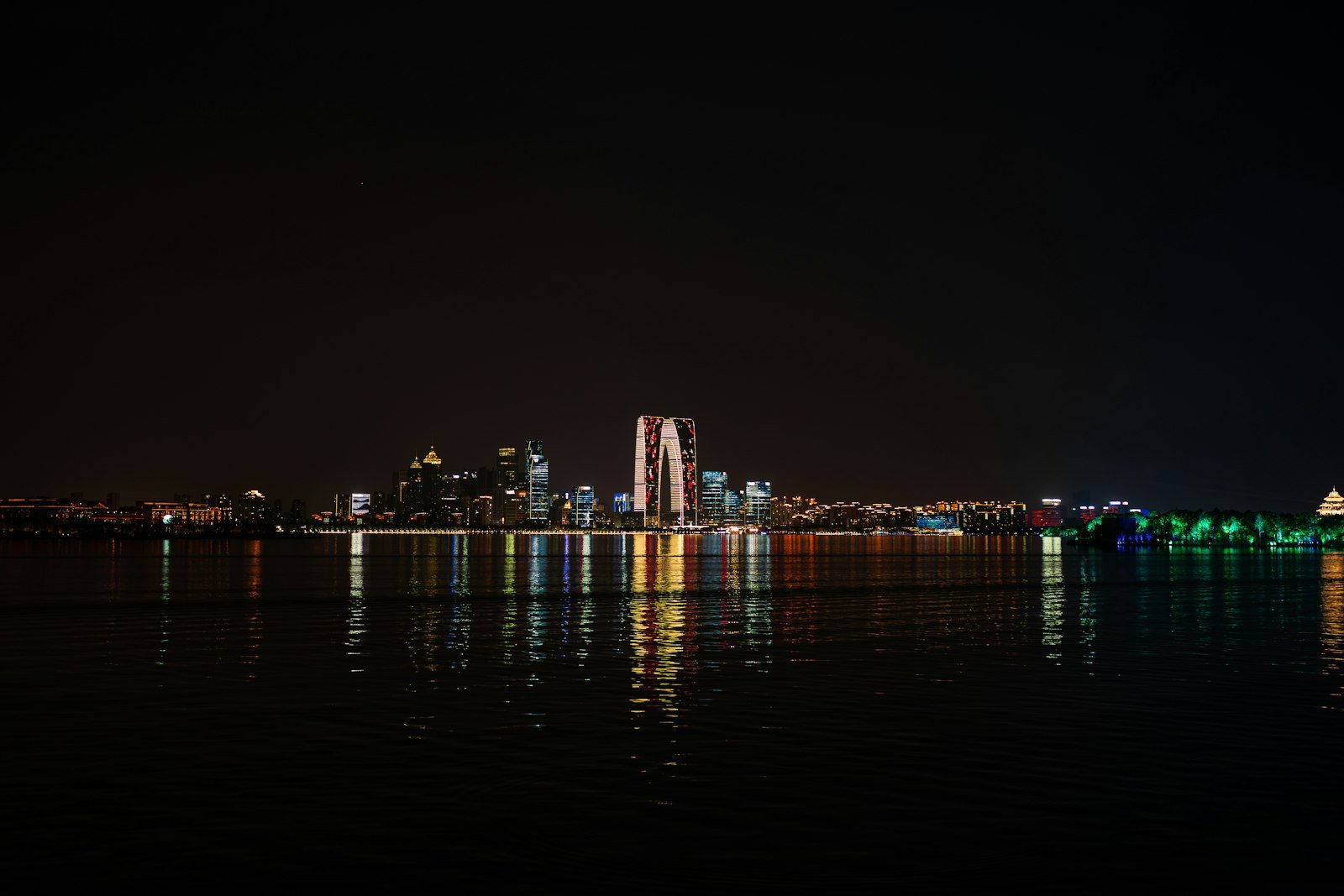
The show is built on the gap between old Suzhou and new Suzhou, and the new half is Jinji Lake in Suzhou Industrial Park — the city’s other face, and where Mingyu’s working life happens. The lake is an 11.5-square-kilometre open scenic area (7.4 square kilometres of it water) and it holds China’s 5A rating, the top tier. There is no gate and no ticket: it is a lakeside district you wander.
The landmark to find is the Gate of the Orient (东方之门), the 300-metre arch that has become modern Suzhou’s signature, reflected in the water beside Suzhou Centre. Around the lake are the Moonlight Wharf, the Li Gongdi causeway, a music fountain, a Ferris wheel, and the Suzhou Culture and Arts Centre — the permanent venue for the Golden Rooster, China’s main film award. Come at blue hour, when the towers light up and the lake turns the skyline into a mirror. If you are coming from the old town, it is a straightforward metro ride east, and the contrast in twenty minutes is the whole point of the show.
Mingyue Bay: the holiday village
Out in Lake Tai, on the southern edge of West Mountain in Wuzhong District, is Mingyue Bay (明月湾) — the old village the show uses for Mingyu and Shi Tiandong’s escape from the city. It is about nine hectares of lanes, old houses and a lakeside quay, laid out in a grid in the Tang and Song dynasties and at its busiest in the Qing. Legend traces the name to King Fuchai of Wu, who is said to have brought Xi Shi here to watch the moon. It is on the national list of Traditional Chinese Villages, and it is quiet in a way the old town no longer is.
This is the one location on the list that is properly ticketed, at ¥40, and it needs half a day: West Mountain is a long island in the lake, reached by the Taihu bridge road or by bus 694 to the Mingyue Bay stop. Pair it with a walk on the lake shore. It is also the stop most likely to be skipped — and the one that best explains why the drama feels like a holiday as much as a family argument.
The gardens that are the city’s spine
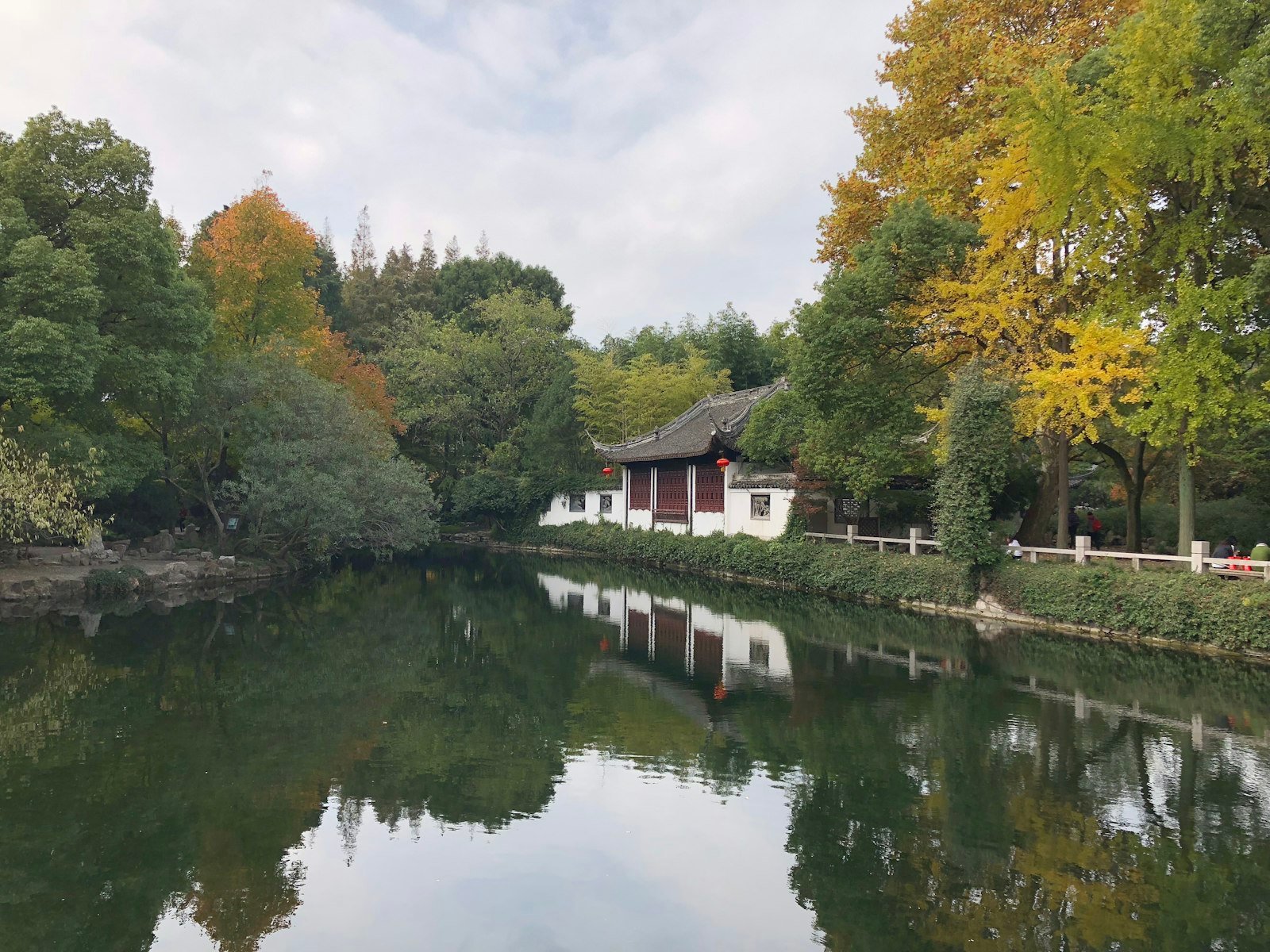
The gardens are not a filming location in the narrow sense, but you cannot write about Suzhou and leave them out — they are the reason the city looks the way it does, and the reason the show’s old-town frames read as unmistakably Suzhou. Nine of them are on the UNESCO World Heritage list as the Classical Gardens of Suzhou: four inscribed in 1997 (the Humble Administrator’s Garden, the Lingering Garden, the Master of the Nets Garden and the Mountain Villa with Embracing Beauty) and five added in 2000 (the Canglang Pavilion, Lion Grove, the Couple’s Retreat, the Garden of Cultivation and the Retreat and Reflection Garden).
For a first visit, three are enough. The Humble Administrator’s Garden (拙政园) is the biggest and the most famous, and it sits next to the old town — pair it with Pingjiang Road in the same morning. The Lingering Garden (留园) is the more intimate one, built around a sequence of courtyards that keep revealing themselves. And the Master of the Nets Garden (网师园) is the smallest and, for many, the finest, with an evening garden-and-music session that is the best-value ticket in the city. Buy tickets through the official Suzhou Gardens channels and go at opening time; by mid-morning in high season the famous gardens are full.
How we checked this list
This is where we are honest about the limits. There is no official, scene-by-scene record of All Is Well‘s shoot. What exists is a clear official consensus on the headline facts: the Gusu district government names Tongdeli as the family home and Han’er Yuan as the model for the restaurant, and lists Zhuanzhu Lane among the places the show made famous. The rest — which scene at which bridge, which garden in which frame — is gathered from government and official-media reporting and should be read as reported rather than officially confirmed shot by shot.
Where prices are concerned, we have written down only what is published, and dated it. The old town and Jinji Lake are free and open, and that is settled. Garden tickets are the official seasonal prices; Mingyue Bay is the operator’s figure, and ticketing platforms sometimes list a discounted version, so treat the number as a starting point. Check official channels before you travel: opening hours and small fees in China change more often than the buildings do.
Seeing it in a day, or two
One day, old town only. Start at the Humble Administrator’s Garden when it opens, then walk to Pingjiang Road for the canal and Han’er Yuan. Loop through Tongdeli off Wusa Road, add Zhuanzhu Lane if you have time, and finish on Shantang Street as the lanterns come on. The whole circuit is flat, compact and takes about four hours at a wander, plus garden time.
Two days, properly. Day one as above. Day two, ride the metro east to Jinji Lake for the modern half — the Gate of the Orient and the lake at blue hour — or, if you would rather have the countryside, take the long half-day out to Mingyue Bay on West Mountain. With a third day, add the Master of the Nets Garden and its evening session, and one more garden of your choosing.
Getting to Suzhou
By high-speed rail. This is the easy way, and Suzhou is one of the best-connected cities in China. From Shanghai it is 23 to 30 minutes — Shanghai Hongqiao to Suzhou North in about 23 minutes, Shanghai to Suzhou in about 25. From Nanjing it is roughly an hour. After the October 2026 timetable change, the Suzhou stations run more than 470 pairs of trains a day between them, across Suzhou, Suzhou North and Suzhou South. Note which station your ticket names: the old town is closest to Suzhou station, while some services use Suzhou North.
From Hong Kong. Since 6 January 2025 there has been a direct service: the G99/G100 pair links Hong Kong West Kowloon with Suzhou South. G99 leaves Shanghai Hongqiao at 13:53, calls at Suzhou South at 14:22 and reaches West Kowloon at 21:56; G100 leaves West Kowloon at 11:37 and arrives at Suzhou South at 19:14. The full run is about seven and a half hours — long, but it is one train and no airport.
By air. Suzhou has no airport of its own. Fly into Shanghai (Hongqiao or Pudong), Wuxi Shuofang (WUX) or Hong Kong, then take the train. From Hongqiao the rail leg is under half an hour; from Wuxi it is a short hop. If you are new to Chinese rail, our train guide covers booking and stations.
On the ground. The old town is walkable and best done on foot — Tongdeli, Pingjiang Road, Shantang Street and the Humble Administrator’s Garden all sit within a couple of kilometres of one another. For Jinji Lake, use the metro; the two halves of the city are on opposite sides of the old wall and the metro joins them in about twenty minutes. Taxis and ride-hailing work everywhere; a metro card or a phone transit code is the easiest way to pay.
Tickets, hours and what is free
The old town and Jinji Lake cost nothing. The gardens and Mingyue Bay are the only real tickets. Prices below are the published figures we could find, checked on 15 October 2026; confirm them on official channels before you go.
| What | Price | Notes |
|---|---|---|
| Tongdeli, Pingjiang Road, Zhuanzhu Lane, Shantang Street | Free | Living old town — no gate, no ticket |
| Jinji Lake scenic area | Free | Open lakeside district; 5A-rated, no admission |
| Humble Administrator’s Garden (拙政园) | ¥80 peak / ¥70 off-peak | Open 07:30–17:30; the busiest garden, go early |
| Lingering Garden (留园) | ¥55 peak / ¥45 off-peak | Open 07:30–17:30 |
| Tiger Hill (虎丘) | ¥70 peak / ¥60 off-peak | Open 07:30–18:00 |
| Master of the Nets Garden (网师园) | ¥40 peak / ¥30 off-peak | Evening garden-and-music session is a separate, higher ticket |
| Lion Grove (狮子林) | ¥40 peak / ¥30 off-peak | The rockery maze |
| Canglang Pavilion (沧浪亭) | ¥20 | The oldest of the gardens |
| Couple’s Retreat (耦园) / Garden of Cultivation (艺圃) | ¥10 | Small, quiet, good value |
| Mingyue Bay (明月湾) | ¥40 | Operator’s figure; platforms may list a discount |
How to read this: if you are only doing the show’s old town, your bill is a teahouse and a metro fare — everything the family actually lives in is free. The gardens are the one place worth paying, and the small ones (the Master of the Nets, the Couple’s Retreat, the Garden of Cultivation) cost a fraction of the famous two while being just as good. Buy garden tickets through the official Suzhou Gardens channels, not a reseller.
What to know before you go
It is a living old town, not a set. Tongdeli and Pingjiang Road are full of people who live and work there. The most photographed lanes are narrow, shared with scooters and delivery bikes, and busiest at weekends and public holidays. Go on a weekday morning if you want the lanes to yourself, and treat the residents as residents rather than scenery.
Eat while you are there. Suzhou is its own food region, and the show is set around a restaurant, so it would be strange not to. Look for songshu guiyu (松鼠鳜鱼, sweet-and-sour mandarin fish), Suzhou-style noodles — especially the summer sandwich noodles with shrimp and the autumn crab-roe noodles — and the small tangbao soup dumplings. Tea is a whole culture here; Han’er Yuan on Pingjiang Road is as good a place to start as any.
Practicalities. Jiangsu is covered by China’s transit visa-free schemes, which allow many nationalities to enter without a visa under set conditions — the rules are detailed and change, so read our dedicated visa guide rather than rely on a summary. You will want a payment app and a transport app sorted before you land. Suzhou sits between Shanghai and the canal towns, so it pairs naturally with a Shanghai trip, and it is on the high-speed line to Nanjing.
Common questions
Where was All Is Well filmed?
In Suzhou, Jiangsu. The old-town scenes were shot in the Gusu District — the Su family home is Tongdeli off Wusa Road, and the “carnivore” restaurant is modelled on the Han’er Yuan teahouse on Pingjiang Road. The modern scenes are set around Jinji Lake in Suzhou Industrial Park, and the holiday scenes were filmed at Mingyue Bay on West Mountain in Lake Tai. There is no studio to visit.
Is the Su family house in All Is Well a real place?
Yes. It is Tongdeli, a 1930s lane of brick lane-houses in the Gusu old town, 250 metres long and two metres wide, off Wusa Road. It is a real, lived-in residential lane and a municipal protected site, not a set — so visit quietly and treat the doorways as people’s homes.
Can I visit the filming locations without a car?
Yes. The old-town locations — Tongdeli, Pingjiang Road, Zhuanzhu Lane, Shantang Street and the Humble Administrator’s Garden — are all within walking distance of one another. Jinji Lake is a metro ride east. Mingyue Bay is the only one that needs a trip out, by bus or by road across the Taihu bridge to West Mountain.
How do I get from Hong Kong to Suzhou?
By high-speed rail. Since 6 January 2025 the G99/G100 service links Hong Kong West Kowloon with Suzhou South; G100 leaves West Kowloon at 11:37 and reaches Suzhou South at 19:14, a run of about seven and a half hours. From Shanghai it is only 23 to 30 minutes by high-speed train.
Is there a fee to visit the old town?
No. Tongdeli, Pingjiang Road, Zhuanzhu Lane and Shantang Street are free and open — they are working parts of the city, not gated attractions. The only paid parts of this itinerary are the classical gardens and Mingyue Bay.
How much do the Suzhou gardens cost?
Published seasonal prices run about ¥80 peak / ¥70 off-peak for the Humble Administrator’s Garden, ¥55/¥45 for the Lingering Garden, ¥70/¥60 for Tiger Hill, and ¥40/¥30 for the Master of the Nets Garden and Lion Grove. The smaller gardens — the Couple’s Retreat and the Garden of Cultivation — are around ¥10. Confirm on the official Suzhou Gardens channels before you travel.
When is the best time to go?
Spring (March to May) and autumn (September to November) are the classic months, and the gardens are at their best. Late March to April is blossom; late October to November is when the leaves turn. Summer is hot and humid, winter is grey but quiet and cheap, and the gardens look their most austere then. Avoid the big national-holiday weeks if you want the lanes to yourself.
Is Suzhou worth visiting if I have not seen the show?
Yes — and it is arguably the best city on this site to visit without watching anything first. The old town, the canals, the classical gardens and the UNESCO listing stand on their own; the show is simply a good route through them, and it explains the city’s split personality between the old town and Jinji Lake better than any guidebook.
Your next move
Another Jiangsu stop?
Suzhou is on the same rail line as Wuxi, home to one of China’s biggest film studios and the sets behind several of the costume dramas on this site.
Worried about the practical stuff?
Visas, payment, trains and the apps you will need before you land — the four things you cannot work out on the ground. Each guide is dated and sourced.
Ready to go?
Suzhou was shot as it is: a real canal city with a UNESCO garden at its centre. See where it sits on the map.
Last verified
Sources: Gusu District People’s Government, Suzhou (gusuo.gov.cn), 2025-07-25 — Han’er Yuan teahouse on Pingjiang Road named as the model for the “Shi Hun Zhe” restaurant, and Tongdeli off Wusa Road named as the Su family home; Zhuanzhu Lane listed among the places the show made famous · Suzhou Municipal People’s Government (suzhou.gov.cn), 2025-05-24 — Pingjiang Road as the city’s most-visited street · Suzhou Municipal People’s Government, 2026-10-13 — national rail timetable change from 11 October 2026; Suzhou stations running 471 pairs of passenger trains a day (Suzhou 193.5, Suzhou North 83.5, Suzhou South 65.5) · Suzhou Municipal Development and Reform Commission (fg.suzhou.gov.cn) — Pingjiang Historic District designated a historic-and-cultural protection area in the 1986 Suzhou master plan · Suzhou Local Chronicles Committee (dfzb.suzhou.gov.cn), 2026-05-13 — Jinting Town, Wuzhong District, has eight Traditional Chinese Villages including Mingyue Bay · Jinji Lake Scenic Area official site (jinjilake.sipac.gov.cn) — national 5A-rated open scenic area; the Gate of the Orient, Suzhou Centre and the lakeside landmarks · Suzhou Taihu Tourism (szthly.com) — Mingyue Bay Ancient Village, Jinting Town: address, ticket ¥40, opening hours · Xinhua Daily (xhby.net), 2026-08-03 — the nine Classical Gardens of Suzhou inscribed by UNESCO in 1997 and 2000 · CCTV (tv.cctv.com) — “World Cultural Heritage: Classical Gardens of Suzhou”, listing the 1997 and 2000 inscriptions · Douban, Baidu Baike and Bangumi — All Is Well (都挺好, 2019): 46 episodes, produced by Daylight Entertainment, directed by Jian Chuanhe, starring Yao Chen and Ni Dahong; premiered 1 March 2019 on Zhejiang TV and Jiangsu TV; Golden Eagle Award for Outstanding TV Drama · Unsplash photo pages for the six photographs used, credited in the captions and the media library
Spotted something out of date? Email us — or read how corrections work. We check every report against the source and update the page.
Ready to plan it? Turn the dramas you have watched into a day-by-day route with the C-drama route planner.
Not sure where to start? Take the drama-city quiz — seven questions, one city, and a route waiting at the end.