
Shanghai is the easiest filming-location city in China and the one most dramas return to. It is also the only place on this site where you can walk from a 1990s Wong Kar-wai set to a high-speed rail station in fifteen minutes. These are the Shanghai filming locations worth your time, and how to see them in two days.
The short answer: Base yourself around Huangpu district. The Blossoms Shanghai world — Huanghe Road, the Peace Hotel, the Bund — is walkable in a single afternoon. Add the former French Concession for the lilong lanes that appear in almost every modern drama, and give Chedun Film Park half a day for the period backlot. Two days is enough for a thorough pass.
Shanghai filming locations: three layers, and how they fit together
Shanghai is unusual on this site because it does not have a filming location — it has three layers, and they need different amounts of effort:
- The city playing itself. The Bund, Huanghe Road, the former French Concession. No ticket, no planning, no car. You are already standing in it.
- The studio layer. Chedun Film Park in Songjiang, a purpose-built backlot that reproduces the old city. This is the one part of Shanghai you have to travel to.
- The modern-drama layer. Lujiazui, Xintiandi, Wukang Road — the places that stand in for “a big Chinese city” in romance and workplace dramas.
The order matters. Do the city layer first, because it needs no logistics, then decide whether Chedun is worth half a day to you. For most people who came here because of a drama, it is.
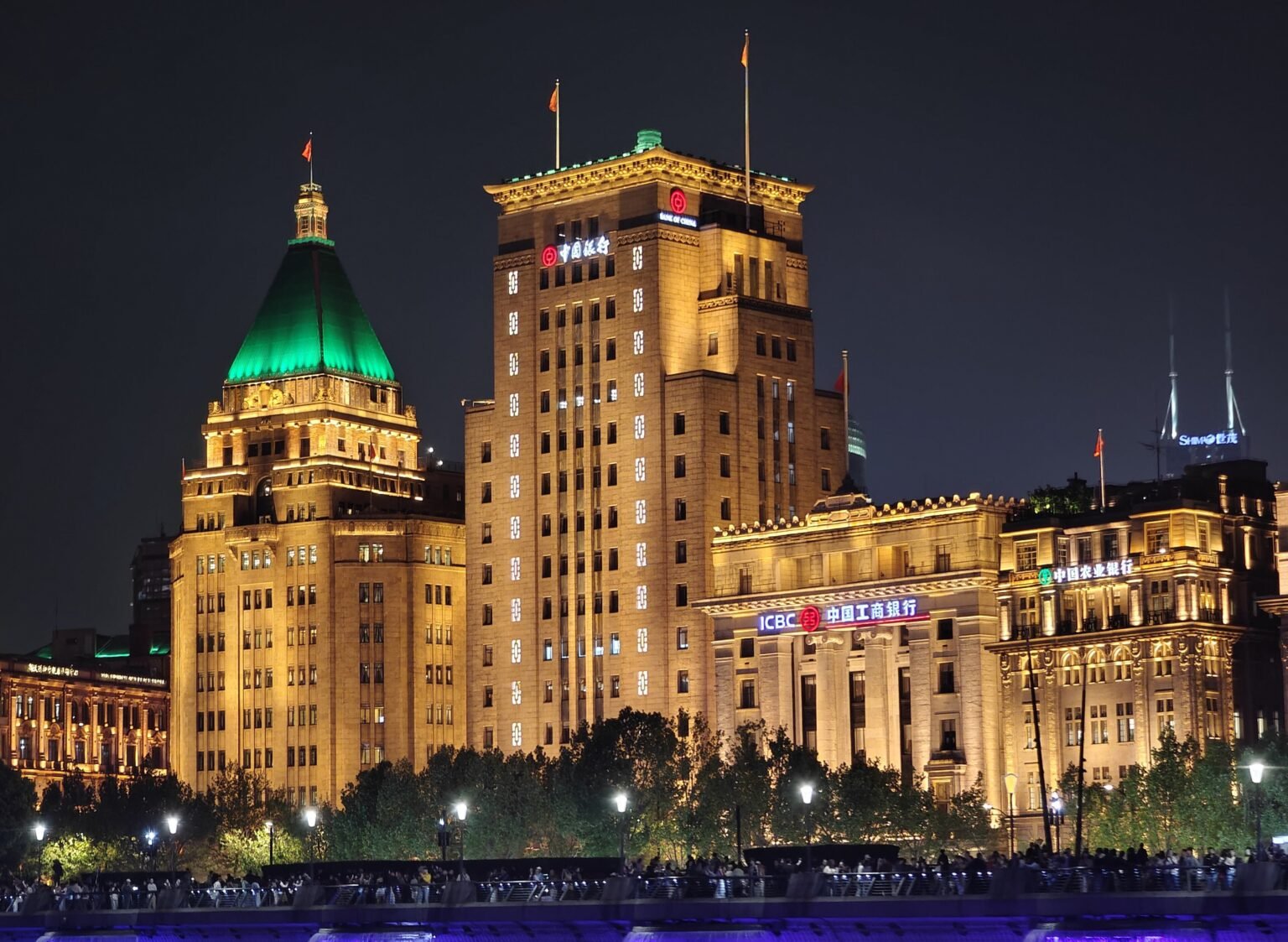
The Blossoms Shanghai layer
Blossoms Shanghai is a period piece about the 1990s, and Wong Kar-wai shot it as one. The locations cluster tightly around a few blocks, which makes it the single best structured filming-location walk in China.
| Location | What it is | Best time |
|---|---|---|
| Huanghe Road | The restaurant strip at the heart of the series | Evening — this is a neon drama |
| The Bund | The colonial waterfront skyline | Blue hour, from the Pudong side looking back |
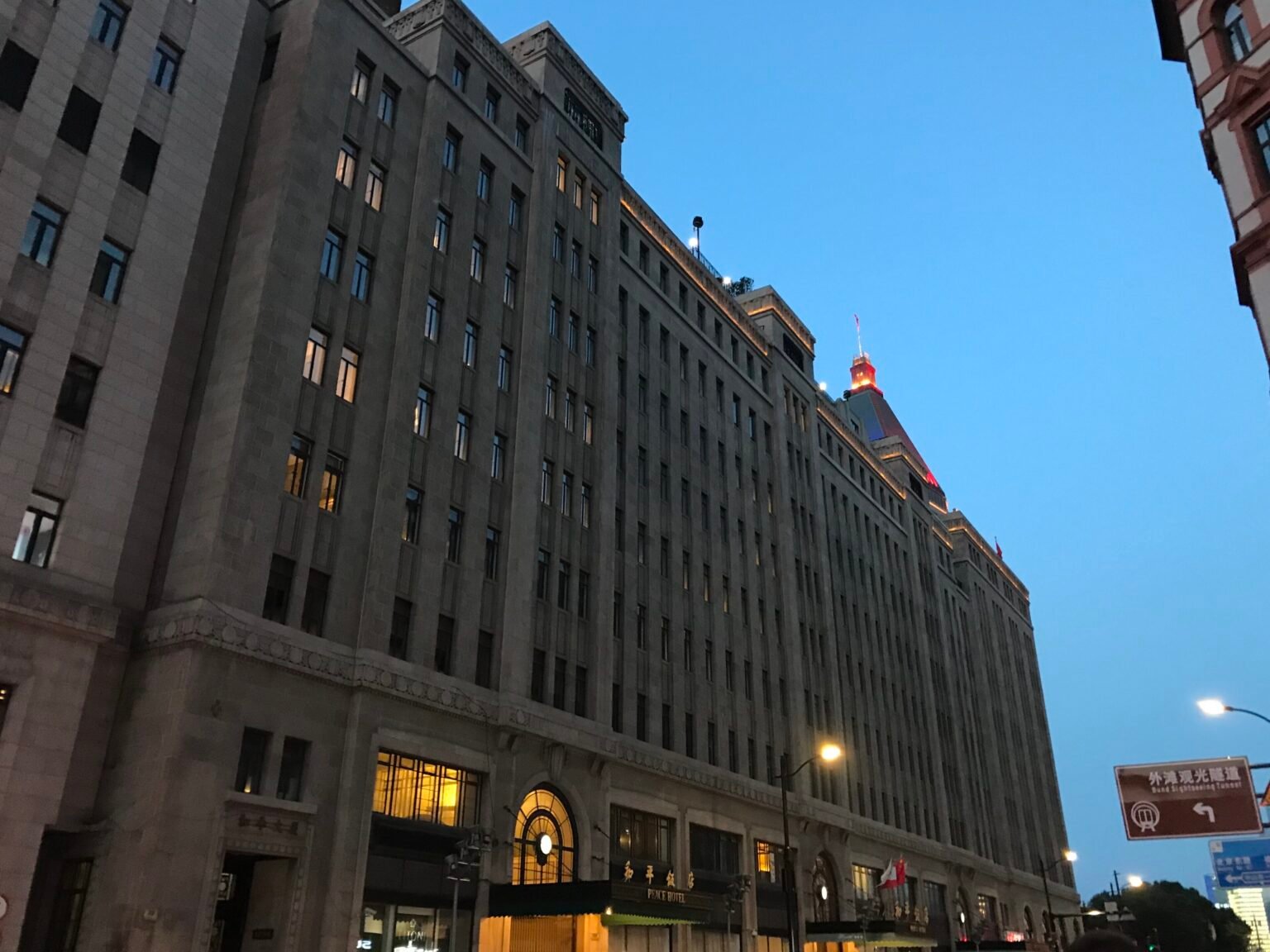
| Peace Hotel | Art Deco landmark, a fixture of the era | Afternoon |
| Former French Concession | Plane-tree streets and lilong lanes | Morning, before the crowds |
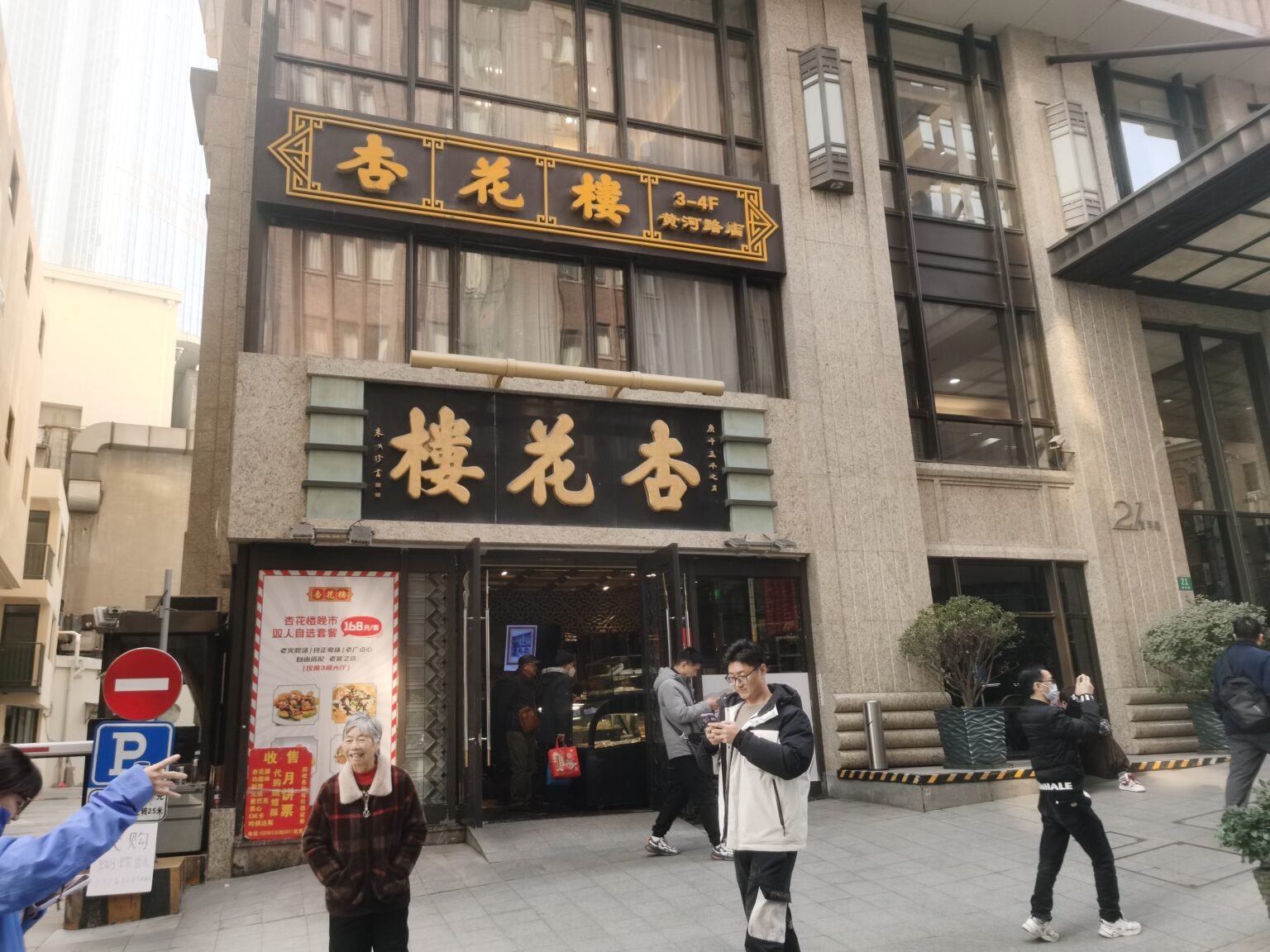
Huanghe Road (黄河路)
The series made this short street famous again. It is a real restaurant strip and genuinely busy at dinner — meaning you can eat in the same kind of room the characters did. Go on a weeknight if you want a table without a wait.
The Bund, from the other side
Every drama uses the Bund. The shot that actually looks like the show is from the Pudong side looking west, at blue hour, when the colonial facades light up and the river goes dark. Most tourists photograph it the other way round and get a worse picture.
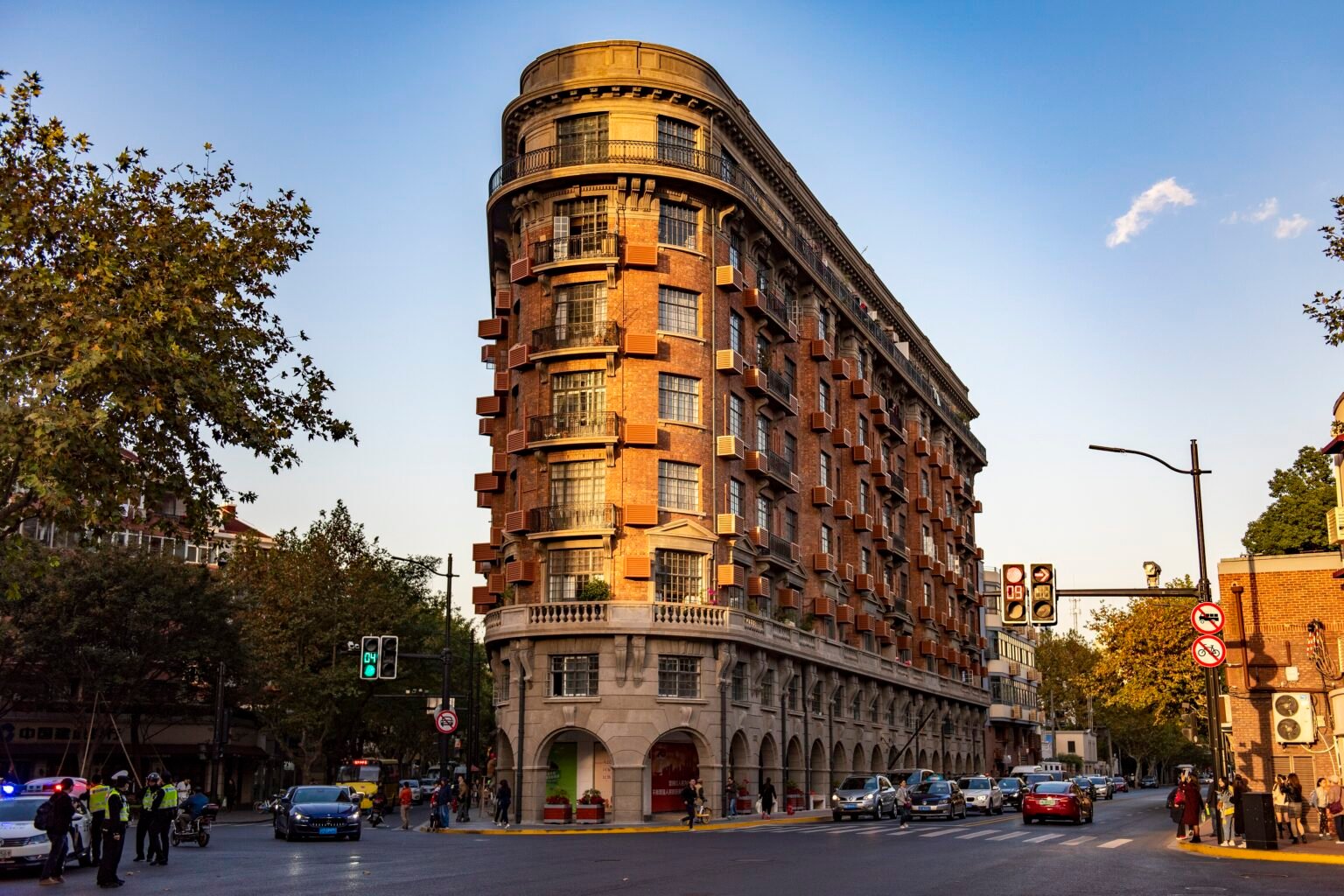
The lilong lanes
Shanghai’s traditional lane houses appear constantly in modern dramas. Many have been demolished or redeveloped; the surviving pockets in the former French Concession are the most photogenic. Walk slowly, keep your voice down, and remember these are people’s homes, not sets.
Chedun Film Park: the studio layer
Most of the real 1990s Shanghai no longer exists — it was redeveloped out of the way. That is exactly why Chedun Film Park (上海影视乐园, also called 车墩影视基地) matters. Built in 1992 by the Shanghai Film Group to reproduce 1930s Shanghai, it supplied the period streetscape that Blossoms Shanghai needed and that the modern city could no longer provide.
It is a national 4A scenic area and one of China’s ten largest filming bases, and it is genuinely walkable rather than a theme park: Republican-era street frontages, tram tracks, shikumen lane housing. If you have watched the series, this is the one location that is unambiguously the show rather than a street that happens to appear in it.
Getting there
How to reach Chedun Film Park
The metro-plus-bus alternative takes about 90 minutes door to door — the rail option is much better.
Chedun is in Songjiang district, roughly 40 kilometres southwest of the centre. There are two ways in, and the rail option is much better than most guides suggest.
| Route | How | Time |
|---|---|---|
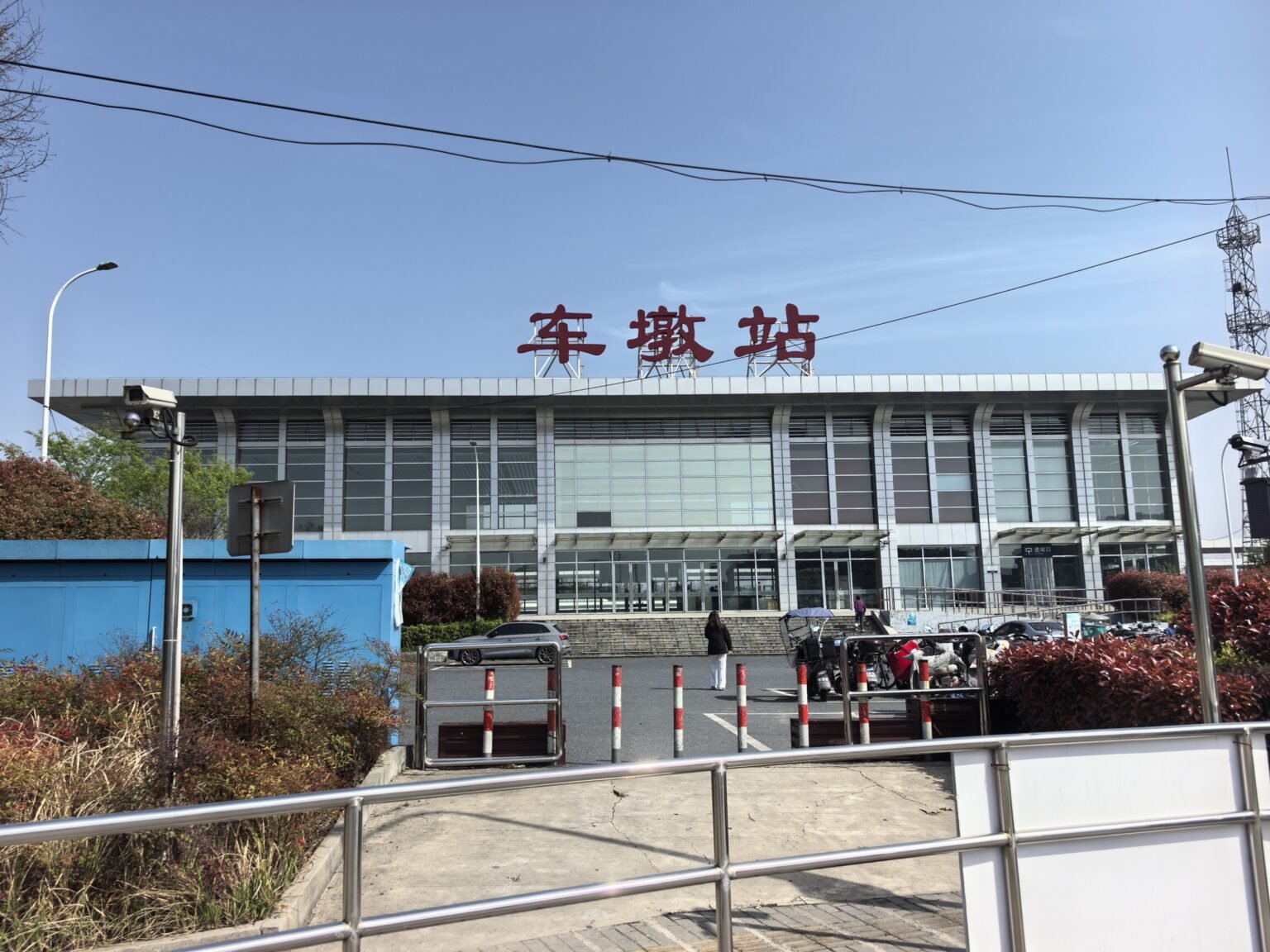
| Jinshan Railway (best) | Shanghai South Railway Station → train toward Jinshanwei → get off at Chedun station (车墩站) → about a 3-minute walk | 10–30 min on the train |
| Metro + bus/taxi | Metro out to Songjiang, then a local bus or a short taxi | Around 90 min door to door |
The Jinshan Railway is a commuter line that runs on metro logic, not mainline logic. Fares are in the ¥3–10 band, you can tap in and out with a Shanghai transport card or your phone’s NFC, and you can also buy on 12306 or at the station. No seat reservation, and no ID needed to buy. For a foreign visitor who has just worked out how the metro works, it will feel familiar.
Practical detail worth knowing: the express services from Shanghai South reach Chedun in as little as ten minutes, while the all-stops services take closer to half an hour. Both are cheap and neither needs booking, so just take whichever leaves next — the difference is not worth waiting for.
Before you go
- Tickets: the official adult gate price is ¥80, and a single ticket covers the whole park — only the rides are extra, with the tram round the backlot at ¥10. Booking online in advance is usually cheaper, from roughly ¥60, and student tickets are about ¥50.
- Hours move with the season, but the published day is 8:30–16:30, with the last ticket sold at 15:30. The park has also run as late as 20:00 with last entry at 18:30 in recent years, with extended evening sessions in summer, so check the official site the week you go rather than trusting a fixed timetable.
- Time your arrival around the stunt show. The park stages a live film-stunt performance set in 1930s Shanghai at 10:30 and 13:30. It is the best single reason to be inside rather than at the gate, so plan your arrival around one of those two slots.
- Allow half a day — around four hours inside is comfortable, plus travel each way.
Our Blossoms Shanghai guide covers what to look for once you are inside, including which sets correspond to which scenes.
The modern-drama layer
Romance and workplace dramas use Shanghai heavily and predictably:
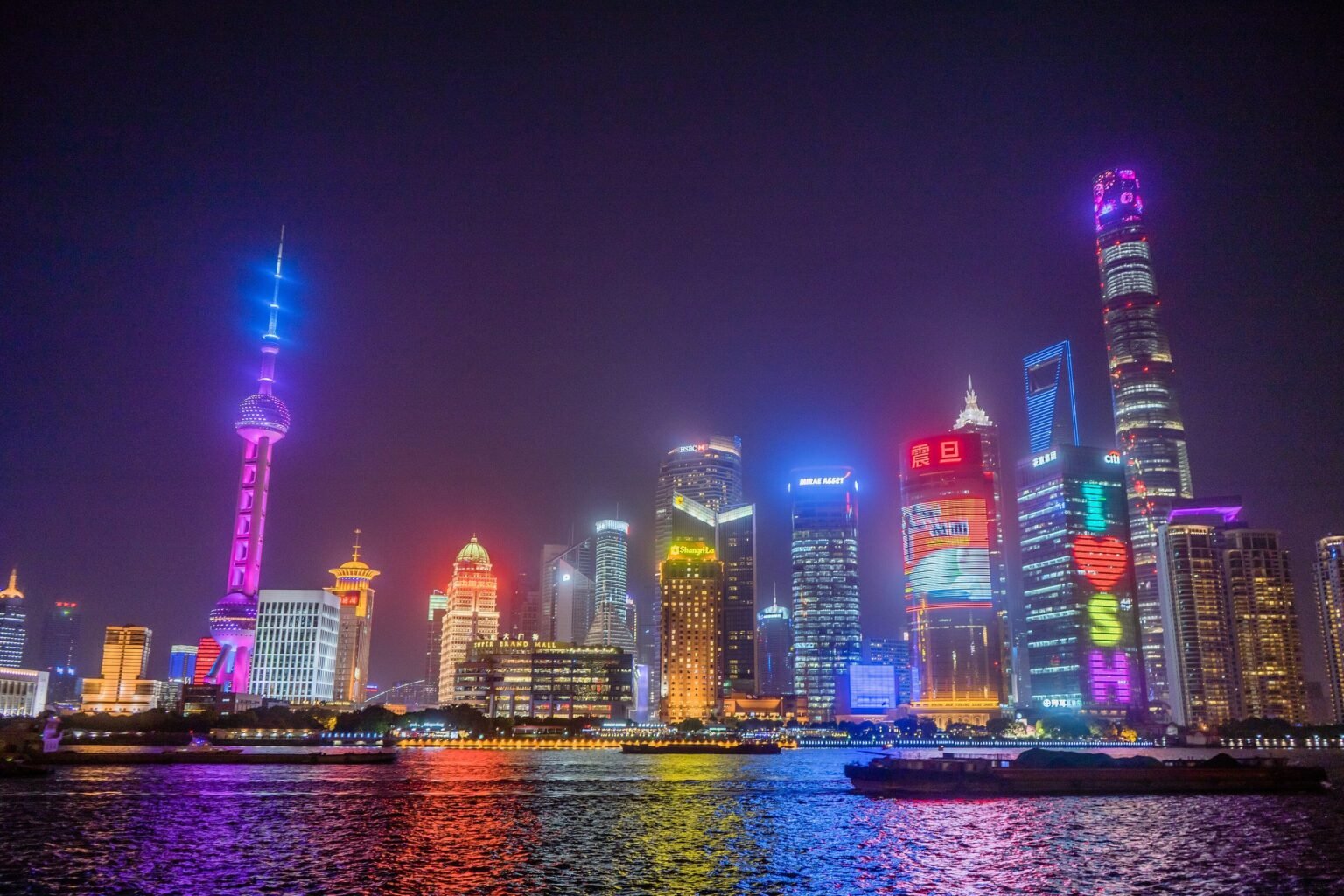
- Lujiazui skyline — the establishing shot for almost every corporate drama
- Xintiandi — upscale nightlife scenes and dinner conversations
- Wukang Road — the plane-tree street that appears in half the romance dramas ever made
- The metro — surprisingly common; Line 2 between People’s Square and Lujiazui is the most-filmed stretch
These are free and scattered through the city, so treat them as things you pass rather than things you visit. Wukang Road is the exception — go early, before the photo crowds arrive, and walk it slowly. The buildings are the point.
When to go
Shanghai is workable all year, but two seasons are clearly better:
- Late March to May and September to November are the best windows — mild, dry, and good light. Autumn is the safer of the two.
- June to August is hot and humid, routinely above 30°C, with the plum-rain season in June and typhoon risk into September.
- December to February is damp and cold — often only a few degrees above freezing. Southern China has no central heating, so it feels colder than the number suggests. Bring layers you can wear indoors.
Two weeks to avoid if you can: National Day week (1–7 October) and Chinese New Year. Both empty the offices and fill the streets — the Bund and Huanghe Road become genuinely difficult to walk. If your dates are fixed, go early in the morning and treat the evening as a write-off.
A two-day plan
Day 1 — the city that plays itself. Start in the former French Concession early, while the light is soft and the lanes are quiet, and walk Wukang Road. Work east through People’s Square and down Nanjing Road to the Bund in the afternoon. At blue hour, take Line 2 across to Lujiazui and look back west at the colonial frontage. Eat on Huanghe Road.
Day 2 — the backlot. Take the Jinshan Railway from Shanghai South to Chedun and spend the morning and early afternoon inside the park. You are back in the city by late afternoon, which leaves the evening free.
If you have a third day, use it for Suzhou or Hangzhou — both are under an hour by high-speed rail from Hongqiao and make far better use of a day than another pass at the Bund.
Practical notes
Shanghai is the easiest city in China for foreign visitors. English signage is widespread, card payments work at hotels, and DiDi is reliable. It is also the best place to arrive in China for the first time — sort your payment setup here before heading to smaller towns.
Getting in: Pudong (PVG) and Hongqiao (SHA) both have metro links into the centre. From Pudong, the maglev reaches Longyang Road on Line 2 in about eight minutes — worth doing once, but the metro is cheaper and stops closer to most hotels.
Getting around: the metro is fast, cheap and easy, and Alipay mini-programs cover it. For filming-location hopping between the Bund and the French Concession, walking plus the metro beats taxis.
Getting out: Shanghai Hongqiao is the hub for the high-speed rail network and the natural launch point for Hengdian. Note that Chedun uses a different station — Shanghai South, not Hongqiao.
Base yourself near a metro line rather than next to a landmark. Shanghai’s filming locations are spread across several districts, and the metro is faster than a taxi at almost any hour of the day.
Booking through this widget earns us a small commission at no extra cost to you. It never changes what we recommend — see our affiliate disclosure.
Visiting as a foreign visitor
Shanghai is the best place in China to arrive for the first time, and the reason is operational: the systems a foreign visitor struggles with elsewhere are already English-friendly here. Sort out the two things below and the rest of the trip gets easier.
- The Jinshan Railway needs no ID at all. The Chedun line is a commuter service, not a mainline train: fares in the ¥3–10 band, no seat reservation, and no identity document needed to buy or board — a rarity in China, where most transport wants your passport or ID card. Tap in with a Shanghai transport card or your phone’s NFC, or buy on 12306 or at the station. It is the least friction you will meet anywhere on this route.
- Set up mobile payment here, not later. Alipay or WeChat Pay with a linked international card covers the metro, taxis and almost everything else. Do it in Shanghai, where you have time and connectivity, rather than in a smaller town where you will not. See the payment guide.
- The metro wants a ride code, not a bank card. A foreign bank card on its own will not open the gates. Open the city’s metro ride code inside Alipay or WeChat once — this is a separate step from linking your card — and you are set for the trip.
- Entry: Shanghai sits inside China’s visa-free transit coverage area. Check the visa and entry guide for whether your nationality and route qualify before you book flights.
Before you go: the visa and entry guide, the payment guide, the apps guide and the high-speed rail guide cover the parts that are the same everywhere in China. This section covers only what is different here.
What a day actually costs
This is the honest mid-range version: one person, one full day on the Bund-to-French-Concession route, eating well without trying to impress anyone. Ticket and transit figures are the operators’ own published rates — the metro tiers below are the current schedule checked against the city government’s fare publication on 13 October 2026, and the Chedun figures are the ones listed above — while food is a realistic mid-range estimate, not a published price. Your own day will land somewhere inside these numbers.
| Item | Per person | Notes |
|---|---|---|
| Metro, across a full day of rides | ¥6–12 | Currently ¥3 for the first 6 km, then about ¥1 per further 10 km, with the network-wide maximum at ¥15; a full day of central rides lands in this range. Pay with the transit code inside Alipay or WeChat — not the ordinary payment code |
| Maglev from Pudong | ¥50 one way | Optional; the metro into the city costs a few yuan and stops closer to most hotels |
| Jinshan Railway to Chedun | ¥3–10 | Commuter-line fare band; no seat reservation, no identity document needed, buy on 12306 or at the station |
| Chedun Film Park | ¥80 official gate (from ~¥60 online, ~¥50 student) | One ticket covers the whole park; the rides inside are extra |
| The Bund, Wukang Road, the Concession streets | Free | No ticket, no booking. The film-location layer of this city is its streets |
| Lunch | ¥25–60 | Shengjianbao and a bowl of noodles in the lanes; the Bund-view restaurants are three to five times this |
| Coffee and a snack | ¥20–40 | Wukang Road and Anfu Road |
| Dinner | ¥50–120 | Shanghai does xiaolongbao, hairy crab in season and Hainanese chicken well; the neighbourhood places are cheap by international standards |
A realistic in-city day comes to roughly ¥100–230 per person — about US$14–33 at a round ¥7 per US$1 (check the live rate) — and a Chedun day adds roughly ¥70–90 on top once the railway and the ticket are paid for. One fair warning: the city government opened public consultations on a metro fare revision in September 2026, so check the current first-6-km fare on the day you travel rather than trusting any list, ours included.
Who this trip suits — and who should skip it
Not every itinerary is for every traveller. This is the honest version of who the Shanghai route actually works for.
- First-time visitors to China. English signage is widespread, card payments work, and the metro is easy — sort your payment setup here before heading anywhere smaller.
- First-time visitors who loved Blossoms Shanghai. The two-day plan walks the show’s streets, and the metro plus your own feet is genuinely all you need.
- Couples. The Bund at dusk, the ferry across the river for ¥2 and the Concession lanes after dark are the city’s best three hours.
- Families with children. The film-park day, the ferry and the free streets keep both budget and logistics simple.
- Solo travellers. Shanghai is safe, cheap and made for eating alone; every item in the table above is bookable on a phone.
Skip it if you want a single-day Shanghai, because two days is the honest minimum for both the street layer and the studio layer; if walking for several hours at a stretch is not for you, because the two-day plan is built around it; or if Chedun is the reason you came — check the opening day first, because the park is a working studio and not every part is open every week.
Common questions
How long do I need in Shanghai?
Two days covers the Blossoms Shanghai layer thoroughly and gives you a pass at the modern-drama locations. Three days lets you slow down and get out to Suzhou or Hangzhou. Add half a day if you want Chedun.
Is the Huanghe Road of the show still there?
The street is real and still a restaurant strip. Specific interiors were built or dressed for filming and are not visitable as sets.
Is Chedun worth a half-day if I have not seen the show?
It depends on what you like. If Republican-era streetscapes and working film sets interest you on their own terms, yes — it is the only place in Shanghai where you can walk that period at full scale. If you want the show specifically, it is the closest thing to a must.
Can I do Shanghai and Hengdian in one trip?
Yes, comfortably. Hengdian is under two hours from Shanghai by rail, which makes Shanghai the natural first stop on almost any C-drama itinerary. Take the high-speed train to Yiwu or to Hengdian station, then the Yidong light rail — its terminus, Ming Qing Palace station, is at the gate of the studios. Our Hengdian guide covers each route.
Do I need cash?
Almost never, but you do need a working mobile payment app. Set up Alipay or WeChat Pay before you arrive and link an international card; see our payment guide for the current situation.
Your next move
Still exploring?
Shanghai plays itself in Blossoms Shanghai and Rose Story.
Worried about the practical stuff?
Visas, payment, trains and the apps you’ll need before you land — the four things you cannot work out on the ground. Each guide is dated and sourced.
Ready to go?
Shanghai needs three days to do properly. The planning guide sizes it.
Last verified
Sources: Shanghai Film Park — official visitor guide (ticket price, opening hours, stunt show times) · Shanghai Metro — official network, fares and station information
Spotted something out of date? Email us — or read how corrections work. We check every report against the source and update the page.
Ready to plan it? Turn the dramas you have watched into a day-by-day route with the C-drama route planner.
Not sure where to start? Take the drama-city quiz — seven questions, one city, and a route waiting at the end.