
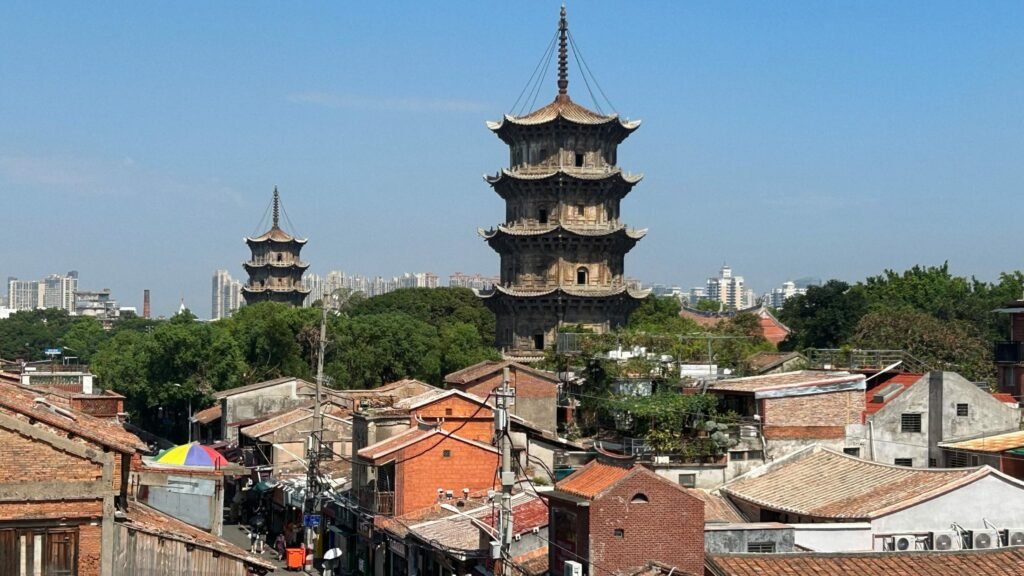
Most C-dramas on this site end at a studio gate. Will Love in Spring ends at a bus stop. The 2024 series — 春色寄情人, also released under the title 吾乡有情人 — was shot almost entirely in Quanzhou (泉州), a UNESCO World Heritage port city on the Fujian coast, and its Will Love in Spring filming locations are not sets at all. They are a temple courtyard, an arcaded shopping street, a clock tower at a crossroads, and a 600-year-old stone town by the sea. The small town the show calls Nanping (南枰镇) does not exist. The city underneath it very much does.
The short answer: Will Love in Spring (春色寄情人) was filmed in Quanzhou, Fujian province, starting in March 2023, and the great majority of its scenes were shot on location in the city rather than on a backlot. The recognisable places are Xijie and Jiuguanyi Lane in the old town, Kaiyuan Temple and its twin pagodas, the Clock Tower at the head of Zhongshan Road, Shuimen Lane, Qiaoxiang Commodity Street, Donghu Park, and Chongwu Ancient City out in Hui’an county. Almost all of it is free, walkable, and needs no booking.
A drama that borrowed an entire city
Almost everything else on this site is a studio story. Nirvana in Fire is a geopark plus two backlots. Joy of Life is a purpose-built Tang city at Xiangyang. The Untamed is Hengdian plus a mountain in Guizhou. Will Love in Spring is the other kind of Chinese drama, and the more interesting one to travel for.
The show is a contemporary romance: Chen Maidong (Li Xian, 李现) is a funeral cosmetologist who came home to a small coastal town after his life fell apart, and Zhuang Jie (Zhou Yutong, 周雨彤) is a medical-device saleswoman with a disability who left it to make something of herself in the city. It was directed by Cheng Liang (程亮), written and produced by Jian Yiwen (翦以玟), runs to 21 episodes of about 45 minutes, and premiered on 22 April 2024 on CCTV-8 and Tencent Video. It is adapted from the novel Lover (情人) by She Muzi (舍目斯).
What matters for a traveller is how it was made. Quanzhou’s own newspaper, reporting at the time of broadcast, records that the production started shooting in the city in March 2023 and that most of the drama was filmed in Quanzhou — not in a studio park, and not in a generic “southern city” assembled from three backlots. The drama’s director said he chose the place partly for its air: Quanzhou’s coastal humidity, he said, gives the picture a cool, slightly muted cast that reads closer to a Japanese or Taiwanese series than to a standard mainland romance.
That is why the locations below are worth walking. You are not touring a set. You are walking through the streets that were simply used, and noticing that you recognise the light.
The Will Love in Spring filming locations at a glance
| Location | Where | What it is in the show | Cost |
|---|---|---|---|
| Xijie & Jiuguanyi Lane (西街旧馆驿) | Old town, west | Zhuang Jie’s family home, under the temple pagoda | Free (public street) |
| Kaiyuan Temple (开元寺) | On Xijie | The twin pagodas the camera keeps returning to | Free, no booking |
| The Clock Tower (钟楼) | Head of Zhongshan Road | The crossroads the delivery runs spin around | Free |
| Shuimen Lane (水门巷) | Off Zhongshan Road | Liao Tao’s braised-chicken shop | Free (public lane) |
| Qiaoxiang Commodity Street (侨乡商品街) | Old town | Where Chen Maidong and Zhuang Jie first meet | Free |
| Donghu Park (东湖公园) | North-east old town | The scene filmed on the water | Free |
| Chongwu Ancient City (崇武古城) | Hui’an county, ~40 min out | The delivery run that ends at the opera stage | ¥40 |
| Nandu paragliding base (南安九都滑翔伞基地) | Nan’an, ~1 h out | Chen Maidong’s morning run | Free to look; flying is charged |
| Yongchun Dongguan wetland (永春东关湿地公园) | Yongchun county, ~1.5 h out | Riverside and field sequences | Free |
| Shishi Golden Coast (石狮黄金海岸) | Shishi, ~1 h out | Coastal scenes | Free |
The first six are inside the old city and can be done on foot in a single day. The last four are day-trip territory and need a car or a hired driver.
Xijie and Jiuguanyi: Zhuang Jie’s house
The heart of the show is a house. Zhuang Jie’s family home sits in Jiuguanyi Lane (旧馆驿), a lane running off Xijie — West Street, the thousand-year-old commercial spine of the old city. The lane was named for the imperial post-station that once stood here, and the house used in the drama was built in the 1960s by an overseas Chinese family: a Nanyang-style fanzi lou with the deep courtyards and shaded eaves of a Minnan cuo, plus the rooftop terrace that period houses added. In the show, most of the family’s warmest scenes happen up on that roof.
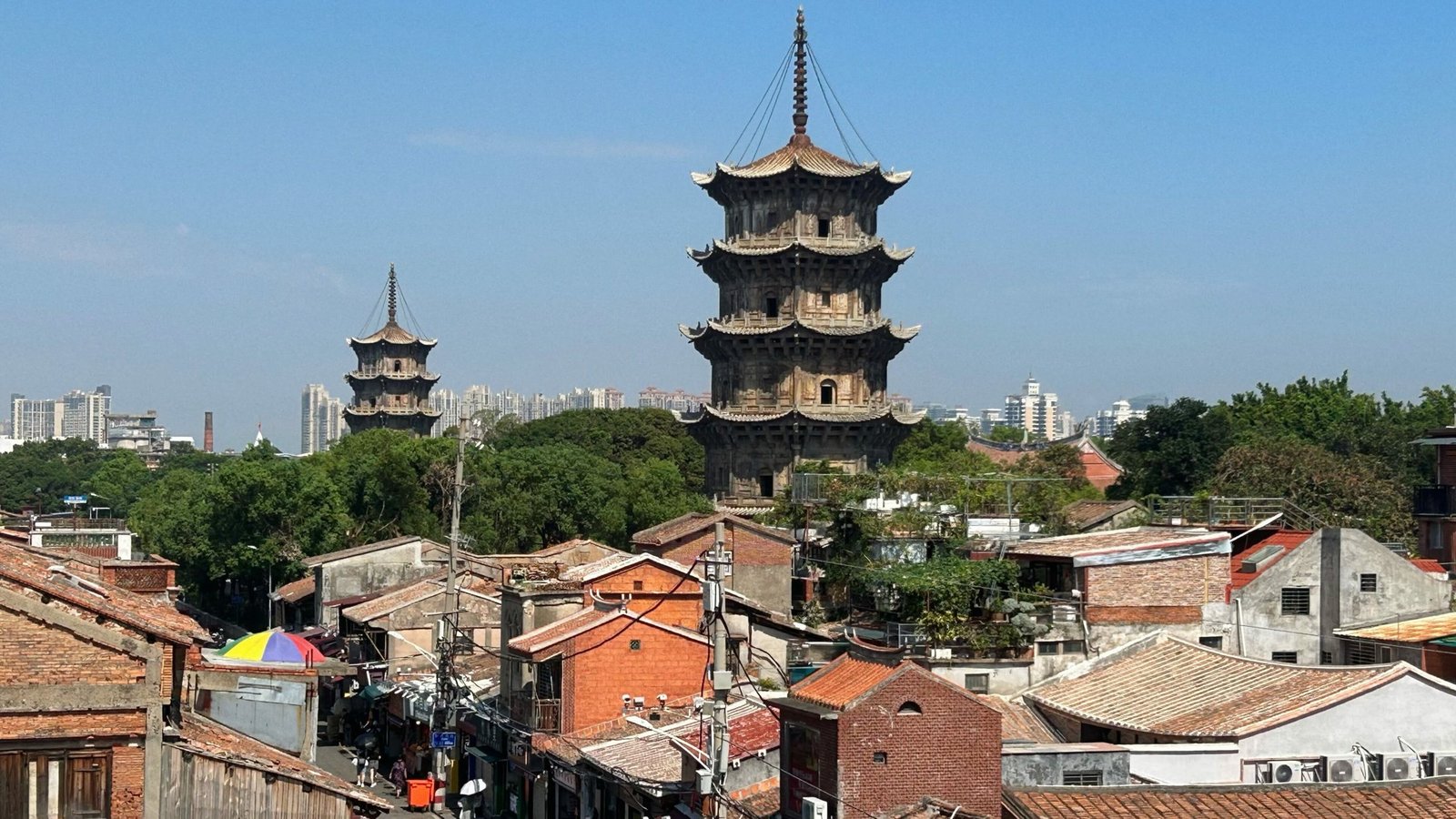
The detail that makes the location recognisable is vertical rather than architectural. Stand anywhere in the lane, look up, and the east pagoda of Kaiyuan Temple is framed between the rooftops. The drama uses that shot more than once, and once you have stood in the lane you cannot unsee it.
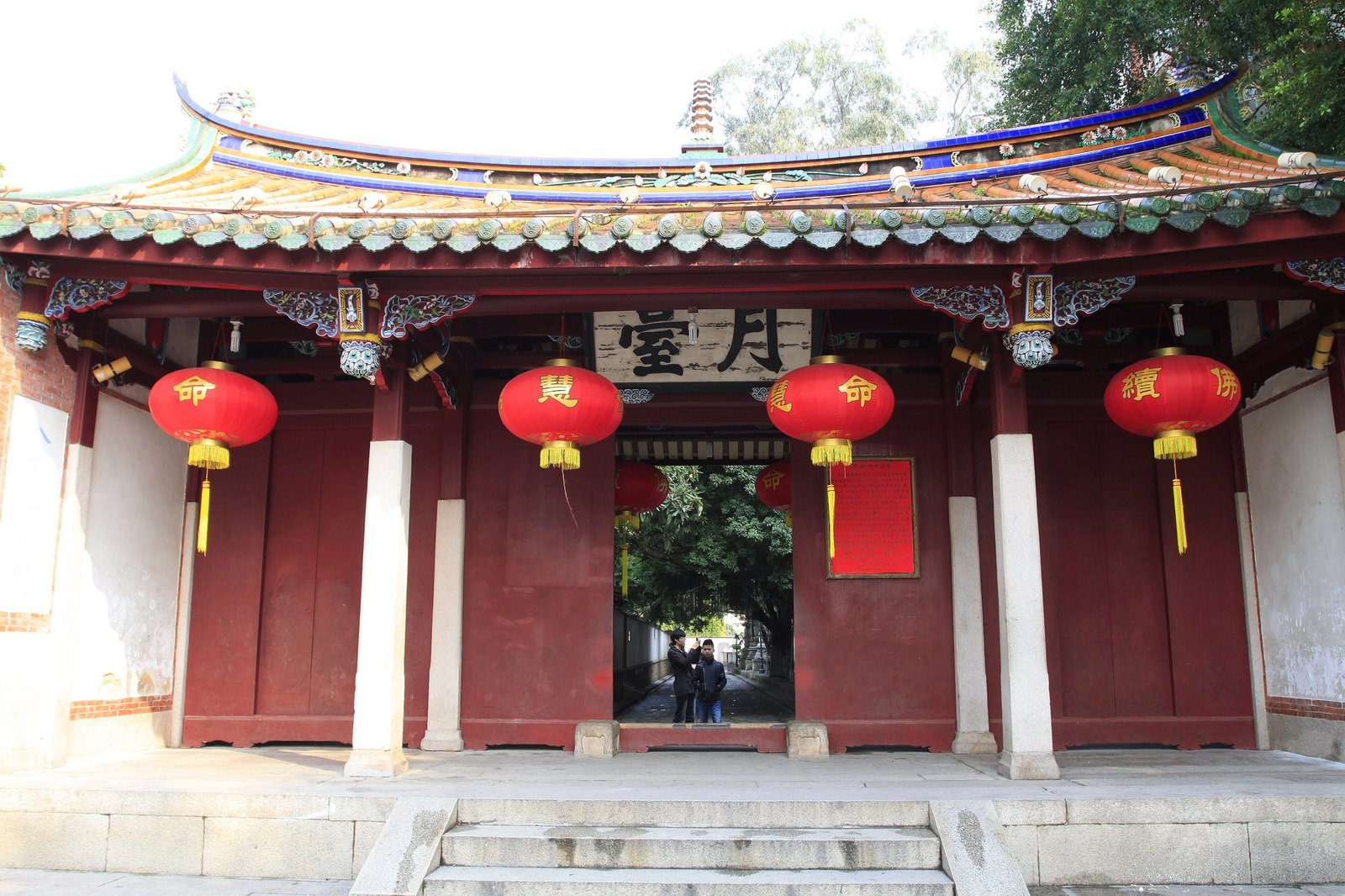
Kaiyuan Temple (开元寺) itself is the anchor. It is the largest Buddhist temple in Fujian, and its two stone pagodas — Zhenguo on the east, Renshou on the west, both 13th-century — are the tallest surviving pair of stone pagodas in China. The temple is one of the 22 sites that make up Quanzhou’s World Heritage listing. It is also, usefully, free and needs no booking, open from 6:30 to 17:00, with the site clearing from about 17:40.
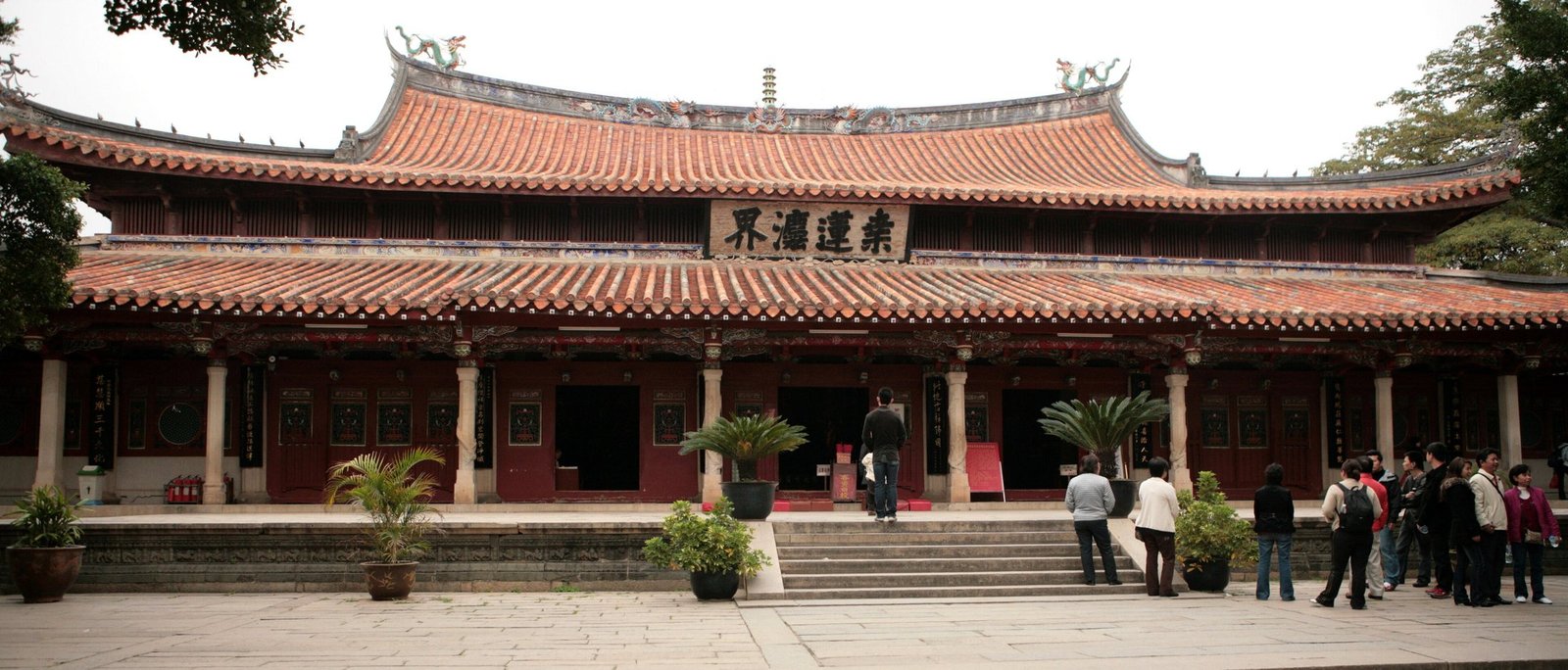
Other old-town details named in the local coverage are worth noting if you are walking slowly: the Xijie food market, where Li Xian was filmed riding through the red-brick streets; the Quanzhou cinema (西街影剧院); and the Confucian Temple complex (府文庙), a few minutes south.
Zhongshan Road, the Clock Tower and the lanes behind it
Xijie runs east and becomes Zhongshan Road (中山路), the city’s arcaded shopping street, and at the junction stands the Clock Tower (钟楼) — white, four-faced, and the single most photographed object in Quanzhou. In the drama it is the pivot of Zhuang Jie’s delivery-scooter runs; in real life it is simply the point where the old town’s grid turns.
Behind Zhongshan Road is a lattice of lanes, and two of them carry the show. Shuimen Lane (水门巷) is where Liao Tao — Zhuang Jie’s mother — runs her braised-chicken shop; the lane itself is a working food street, busy with fish balls, fruit, poultry and flowers, and it gets genuinely crowded around the Lunar New Year. Zhenfu Lane (镇抚巷) holds Chen Maidong’s house, built in the same warm Minnan red as Zhuang Jie’s — the colour locals call “Quanzhou red”, and the reason the drama’s old-town frames look the way they do. The neighbouring Sanchao Lane (三朝巷), Xiangfeng Lane (象峰巷) and Baiyuan Road (百源路) also appear.
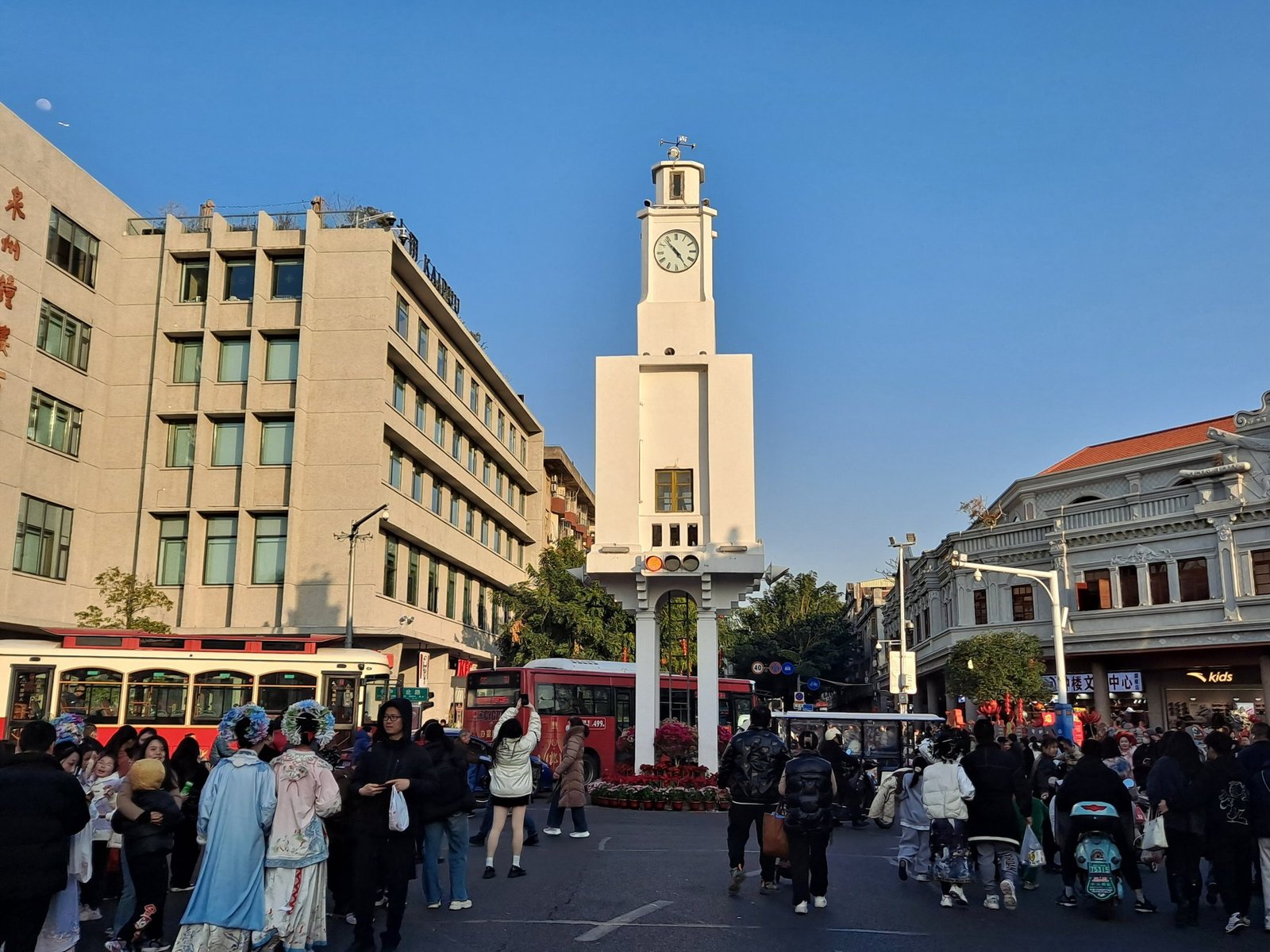
How to see it: all of this is public street. There is nothing to buy and nothing to queue for. Walk Zhongshan Road from the Clock Tower south, then turn off into the lanes on either side; the older the lane looks, the more likely it is to be one the production used.
Qiaoxiang Commodity Street and Donghu Park
Two specific scenes have specific addresses, both confirmed by the city’s own reporting. The first is the moment Chen Maidong and Zhuang Jie meet, which was filmed on Qiaoxiang Commodity Street (侨乡商品街) in the old city — a covered market street named for the overseas-Chinese families, the qiaoxiang, whose remittances built much of Quanzhou. The second is the scene the two of them film on the water, shot at Donghu Park (东湖公园) in the north-east of the old town, a free public park with a lake at its centre.
Neither is a monument. Both are ordinary places that happened to be right for the script — which is the whole point of a location-based drama, and the reason this walk feels different from a studio tour.
Chongwu Ancient City: the delivery run that ends at the opera
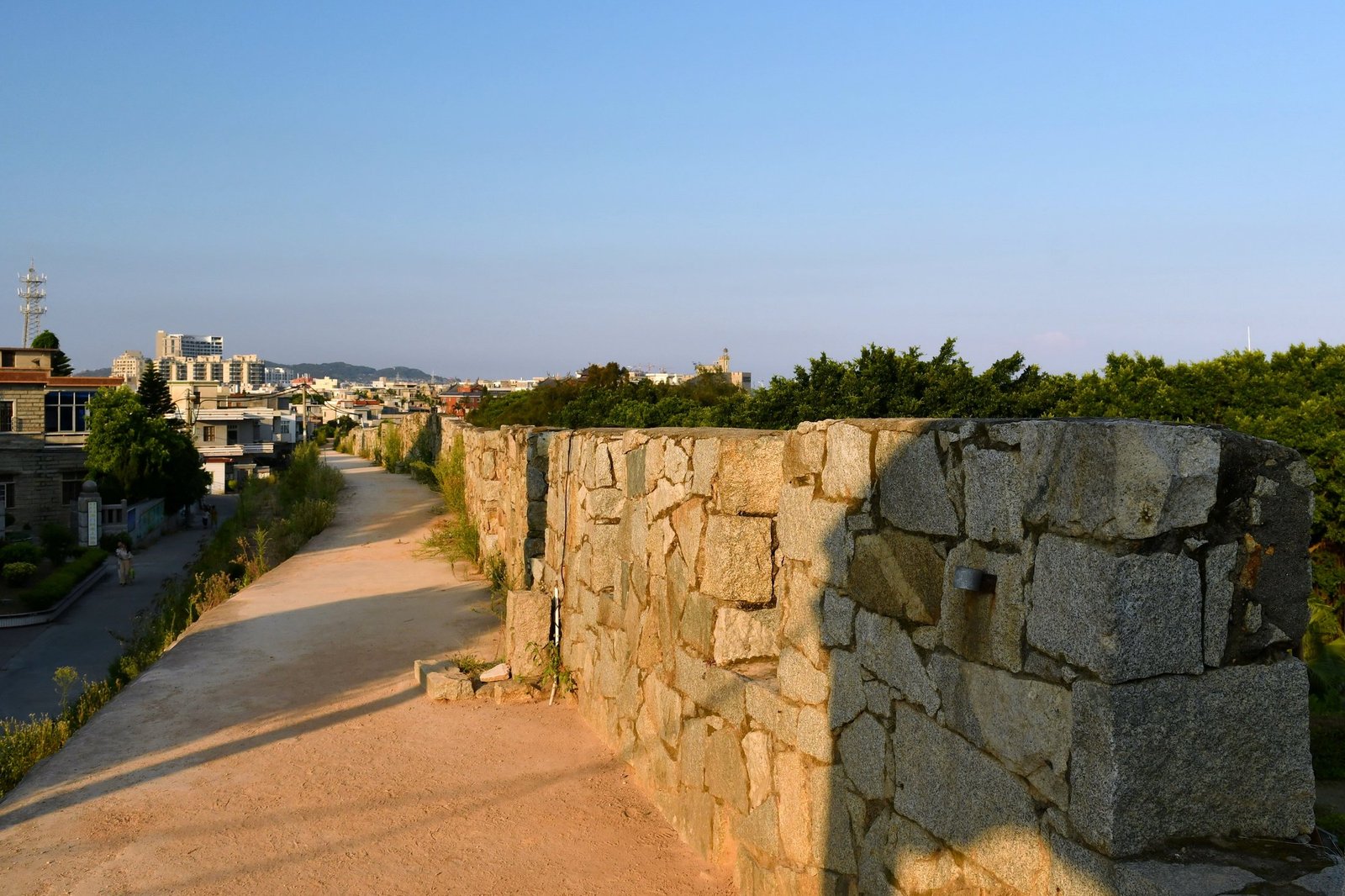
The show’s best-remembered sequence sends Zhuang Jie out of the old town on her scooter, and it lands her not in a lane but in a walled town on the coast. Chongwu Ancient City (崇武古城) sits in Hui’an county, about 40 minutes from central Quanzhou, and it is the most complete surviving T-shaped stone-walled town in China — more than 600 years old, built against the sea. In the drama, Zhuang Jie’s run ends here, at an opera stage, where she finds Chen Maidong in the front row.
The opera is the other reason to come. Gaojia opera (高甲戏) is a Minnan form with more than three centuries behind it and a place on China’s first national list of intangible cultural heritage; the show’s stage scene is a genuine local tradition rather than a prop. Village troupes still perform it across Quanzhou, and you can see it properly at the city’s Gaojia opera theatre. The ticket for the walled town is ¥40, with half price for children, students and older visitors.
Xunpu and the zanhua headdress
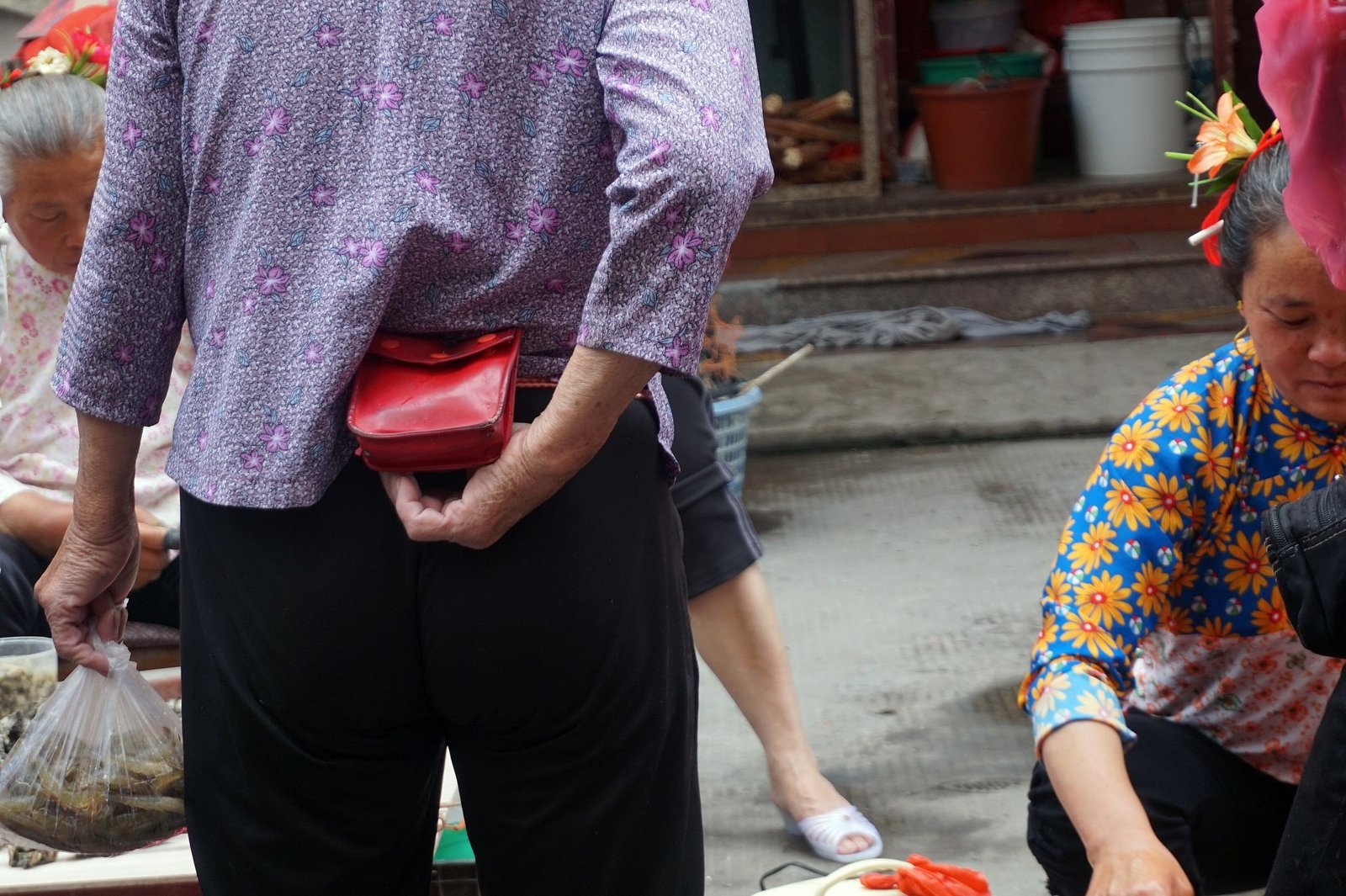
One location is not in the show at all, and is still the first thing many visitors ask about. While filming in Quanzhou, Zhou Yutong went out to Xunpu (蟳埔), a fishing village on the edge of the city, and had herself photographed in zanhua (簪花) — the floral headdress worn by Xunpu’s fisherwomen, a stack of fresh flowers wound around a coiled bun and fixed with a hairpin. The village’s other signature is its oyster-shell houses (蚵壳厝), whose walls are built from the thick shells of oysters traded home by Quanzhou’s ocean-going fleets.
The photographs did what photographs do. Zanhua went from a local custom to one of the most requested experiences in Fujian, and the lane in Xunpu is now lined with studios that will dress and style you. Expect to pay from around ¥36–40 for a basic headdress with one set of clothes, more with make-up. It is a fifteen-minute drive from the old town and takes about half a day with the village walk.
Beyond the old town: temples, hills and county scenery
The old city is not the whole shoot. The same reporting lists Chengtian Temple (承天寺), a calm courtyard complex a few minutes east of Zhongshan Road, and Qingyuan Mountain (清源山) on the northern edge of the city, whose best-known sight is the Song-dynasty stone carving of the Daoist figure Laozi, along with Daping Mountain (大坪山) and West Lake Park (西湖公园).
Further out, the production used Yongchun Dongguan wetland park (永春东关湿地公园) in Yongchun county for riverside and field sequences, the Nandu paragliding base (南安九都滑翔伞基地) in Nan’an for Chen Maidong’s morning run, and the Shishi Golden Coast (石狮黄金海岸) for coastal scenes. These are the parts of the map that need a car. If your time is short, they are also the parts you can safely skip — the old-town walk carries the show on its own.
Walking it in a day
Everything from the temple to the park sits inside the old city and can be strung together on foot. This is the order that works, starting early enough to see Kaiyuan Temple before the tour groups arrive.
A one-day walking route through the old town
Everything from the temple to the park is inside the old city and walkable; the two outer locations (Chongwu and the paragliding base) are separate half-days.
Budget four to six hours for the walk, plus a stop for food — Quanzhou is one of China’s great eating cities, and the old town’s snack streets are the reason the drama’s background looks the way it does. Chongwu is a separate half-day, and Xunpu another.
Getting to Quanzhou
Quanzhou is on Fujian’s high-speed network, which makes it far easier to reach than its low profile suggests.
- By high-speed rail. Quanzhou station and the newer Quanzhou East station sit on the coastal line. Xiamen is roughly half an hour away and Fuzhou about an hour, with frequent departures. Check 12306 for your date rather than a printed timetable.
- By air. Quanzhou Jinjiang International Airport (JJN) is south of the city. Xiamen Gaoqi (XMN) is also a realistic option, with a short high-speed rail hop from Xiamen into Quanzhou.
- In the city. The old town is compact and walkable, and the historic core has a bus loop; taxis and ride-hailing cover the outer locations.
If you are travelling from outside China: Quanzhou is better prepared for you than its low profile suggests. Its airport, Quanzhou Jinjiang International Airport, became a designated 240-hour transit visa-free port in December 2024, and it runs a one-stop inbound-tourist desk covering tourist information, attraction booking, currency exchange and local SIM cards. The city is one of 22 named in China’s national plan for inbound tourism, its World Heritage sites carry multilingual signage, and central Quanzhou has departure-tax-refund counters that pay out on the spot. Whether the transit scheme applies to you depends on your passport and your onward ticket — our visa and entry guide sets out the conditions, and you should check the current rules before you book. For the rail leg, book on the official 12306 app with your passport number entered exactly as printed, and carry that same passport to the station: on a passport booking, the passport is your ticket at the gate, and if the automatic gate will not read it, the staffed lane will. Rail tickets in China go on sale only about two weeks ahead, so there is nothing to reserve earlier — set a reminder for the morning the window opens.
Tickets, hours and what is free
This is one of the shortest ticket lists on the site, because most of the drama was shot on public ground.
| What | Cost | Booking |
|---|---|---|
| Kaiyuan Temple | Free | None — no reservation, open 6:30–17:00 |
| Xijie, Jiuguanyi Lane, Zhongshan Road, Shuimen Lane, Zhenfu Lane, Qiaoxiang Commodity Street | Free | None — public streets |
| Donghu Park, West Lake Park, Confucian Temple, Chengtian Temple | Free | None |
| Chongwu Ancient City | ¥40 (half price for children, students, older visitors) | At the gate |
| Xunpu zanhua styling | From about ¥36–40 | Walk in; studios line the village lane |
| Metro and buses | Ordinary fare | Tap in with the Alipay or WeChat transit code |
Buying as a visitor from outside China: for the old-town locations you will not be asked for ID at all — they are public streets, a temple and a park. The two places identity matters are the rail journey in, where tickets are issued against your passport, and the city’s metro and buses, where you need a transit code set up on your phone before you arrive. At Chongwu, the gate takes cash, card and mobile payment; if a self-service machine will not read a foreign document, buy at the staffed window. Load the transit code inside Alipay or WeChat rather than the ordinary payment code — the gates will not read the latter.
What a day actually costs
Most of the drama was shot on public ground, so the trail itself is close to free: Kaiyuan Temple, the west street, the lanes and Zhongshan Road all take no ticket and no booking. The walled town is the one paid stop at ¥40 (half price for children, students and older visitors), and Zhunhua portrait photography — the headdress sitting the old town has become known for — starts at about ¥36–40 if you want the full costume-and-make-up set. The old town is compact and walkable with a bus loop for the outer locations, and the metro needs a transit code on your phone rather than cash. With lunch at ¥25–60 and dinner at ¥50–120, a realistic trail day comes to ¥95–260 per person — about US$14–37 at a round ¥7 per US$1 (check the live rate).
Common questions
Where was Will Love in Spring filmed?
In Quanzhou, Fujian province, starting in March 2023. The local newspaper records that most of the drama was shot on location in the city rather than in a studio, using the old town — Xijie, Jiuguanyi Lane, Zhongshan Road, Shuimen Lane and Qiaoxiang Commodity Street — plus Donghu Park, Kaiyuan Temple and Chongwu Ancient City out in Hui’an county.
Was Will Love in Spring filmed in Quanzhou?
Yes. Quanzhou is named as the setting for the drama’s fictional town of Nanping (南枰镇), and the city’s own reporting and tourism authority describe the shoot as largely location-based. There is no studio park to visit — the drama used the real streets.
Is the town of Nanping in the show a real place?
No. Nanping (南枰镇) is fictional, and the name does not correspond to a single real town. It is a composite of Quanzhou’s old city and the surrounding counties — which is why the locations are scattered across the city rather than clustered in one village.
How many days do I need in Quanzhou?
Two days covers it well: one for the old-town walk, and one for Chongwu Ancient City or Xunpu. A third day lets you add Qingyuan Mountain, Luoyang Bridge and a proper meal crawl without rushing.
Do I need to book Kaiyuan Temple?
No. Kaiyuan Temple is free, takes no reservations, and opens from 6:30 to 17:00, with the site clearing from about 17:40. Go early — it is one of the most visited sites in Fujian.
Can I visit Quanzhou without speaking Chinese?
Yes, with the usual preparation. Quanzhou is a less international city than Shanghai or Beijing, so English signage is thinner and fewer people speak it. Set up a translation app, a payment app and a maps app before you arrive; our essential apps guide covers which three actually matter.
Is Quanzhou worth visiting if I have not seen the show?
Yes — arguably more so. Quanzhou was the great port of the Song and Yuan dynasties, the city Marco Polo is said to have called the City of Light, and its UNESCO listing covers 22 sites across the old town. The drama is a good excuse to go; it is not the reason to stay.
If you have another morning: Luoyang Bridge
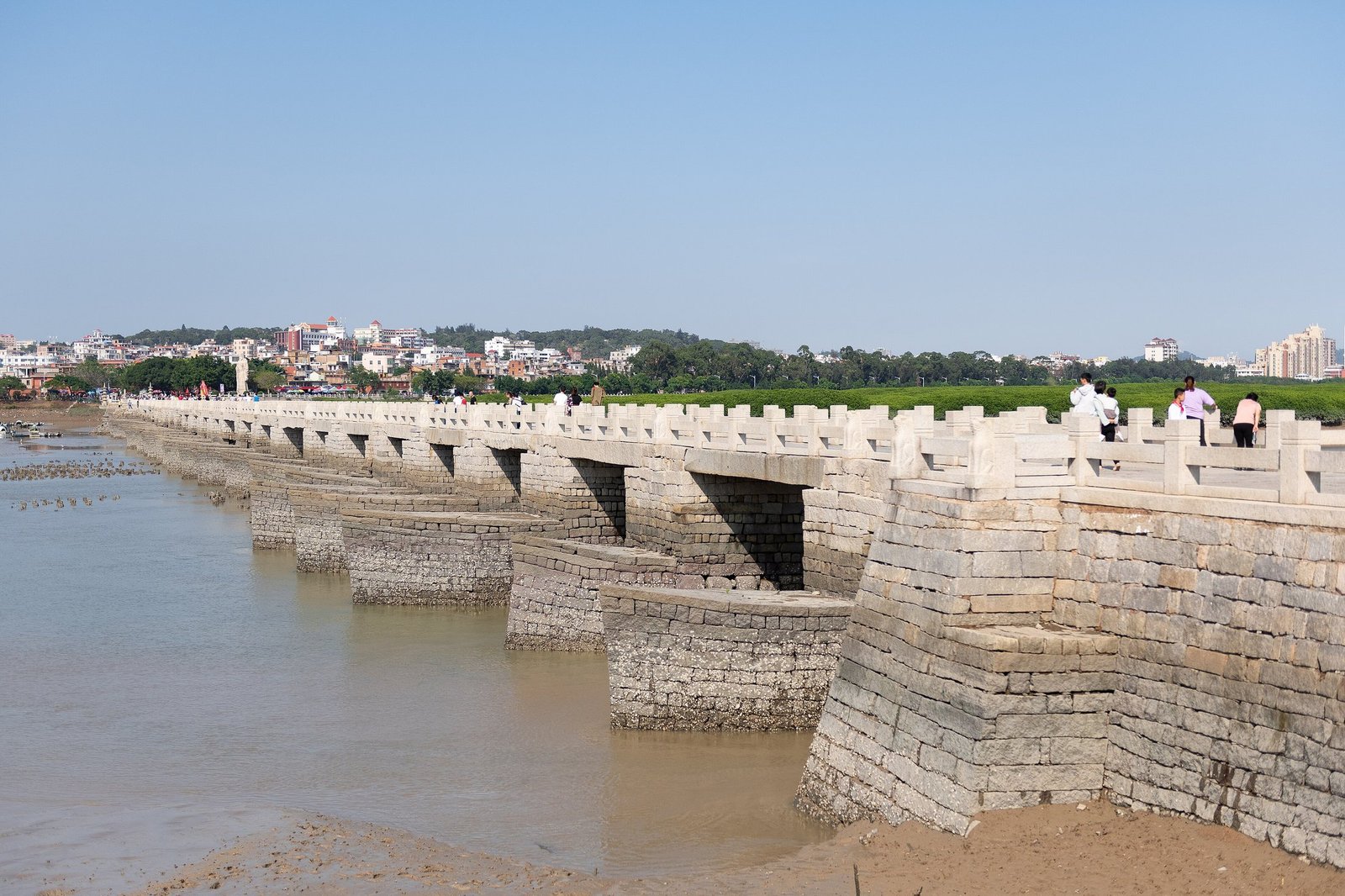
One more site is worth the trip even though it is not in the drama. Luoyang Bridge (洛阳桥), north of the city on the Luoyang River, is the oldest surviving sea-crossing stone bridge in China — built from 1053 and about 730 metres long, with 45 boat-shaped piers. It is a Quanzhou World Heritage site, free to walk, and quiet in the early morning. Pair it with Qingyuan Mountain, which is on the same side of town.
Your next move
Still exploring?
Quanzhou is one of the newest cities on the map. Read the other coastal and modern-drama guides.
Worried about the practical stuff?
Visas, payment, trains and the apps you’ll need before you land — the four things you cannot work out on the ground. Each guide is dated and sourced.
Ready to go?
Almost the whole show was shot on Quanzhou’s own streets. The Fujian notes live in the region guide.
Last verified
Sources: Quanzhou Evening News / 泉州晚报数字报 (the city's own newspaper), 7 May 2024 — the drama started shooting in Quanzhou in March 2023 and most of its scenes were filmed on location in the city; the named locations are Xijie Jiuguanyi Lane, Zhongshan Road Zhenfu Lane, Zhongshan Road Shuimen Lane, Sanchao Lane, Xiangfeng Lane, Xijie cinema, Xijie food market, Hui'an Chongwu Ancient City, Nan'an Jiudu paragliding base, Yongchun Dongguan wetland park, Qiaoxiang Commodity Street, Donghu Park, Daping Mountain, West Lake Park, Qingyuan Mountain, Chengtian Temple, Baiyuan Road and Shishi Golden Coast. The same report gives the 'Quanzhou red' detail, the Gaojia-opera context, the creative team (director Cheng Liang; writer/producer Jian Yiwen) and the tourism-authority figures for the drama's reach — https://szb.qzwb.com/qzwb/pc/cons/202405/07/content_80052.html · Southeast Net / 东南网 (Fujian provincial official news), Quanzhou channel, 30 April 2024 — the drama's fictional Nanping town was filmed in Quanzhou; the named locations include Kaiyuan Temple, the Clock Tower, Shuimen Street, Qiaoxiang Commodity Street and Donghu Park; lead cast Li Xian and Zhou Yutong; broadcast on CCTV-8 and Tencent Video — https://qz.fjsen.com/2024-04/30/content_31634433.htm · Quanzhou Evening News / 泉州网, 17 April 2024 — premiere date 22 April 2024 on CCTV-8 and Tencent Video; most scenes shot in Quanzhou; Zhou Yutong's comments on the city from her Bazaar interview; five dramas shot in Quanzhou in 2023 — https://www.qzwb.com/gb/content/2024-04/17/content_9047898.htm · Quanzhou Bendibao (city guide), 24 April 2024 — the打卡 list: Zhuang Jie's home in Xijie Jiuguanyi Lane (the former Guyì guesthouse), the braised-chicken shop in Shuimen Lane, and Chongwu Ancient City including the Gaojia opera stage — https://qz.bendibao.com/tour/2024424/29590.shtm · Douban (豆瓣) entry for 春色寄情人 — 2024; director Cheng Liang; writer Jian Yiwen; leads Li Xian (Chen Maidong) and Zhou Yutong (Zhuang Jie); 21 episodes of about 45 minutes; first broadcast 22 April 2024; adapted from the novel 情人 by She Muzi — https://movie.douban.com/subject/36073535/ · Quanzhou Municipal People's Government (泉州市人民政府) — Luoyang Bridge (洛阳桥): formerly Wanan Bridge, China's oldest surviving sea-crossing stone beam bridge, begun in the fifth year of the Huangyou era of the Northern Song (1053), and the origin of the 'raft foundation' and 'oyster-shell consolidation' techniques — https://www.quanzhou.gov.cn/lyb/lswh/zdww/201510/t20151024_176932.htm · Quanzhou Bendibao, 14 August 2026 — Kaiyuan Temple opening hours and entry: free, no reservation, 06:30–17:00 with the site cleared from about 17:40 — https://qz.bendibao.com/tour/2026813/38258.shtm · Quanzhou Bendibao — Chongwu Ancient City ticket price: ¥40 adult, half price for children, students and visitors aged 60–70 — https://m.qz.bendibao.com/jingdian/chongwu/ · Quanzhou Evening News via Southeast Net Quanzhou channel, 21 August 2026 — Quanzhou Jinjiang International Airport became a 240-hour transit visa-free entry/exit port in December 2024, bringing Fujian's total to six such ports and extending the permitted stay area to the whole province; the airport runs a one-stop inbound-tourist service station (information, attraction booking, currency exchange, SIM cards); Quanzhou is one of 22 cities in the national inbound-tourism plan; World Heritage sites carry multilingual signage; five on-the-spot departure-tax-refund shops in the city centre — https://qz.fjsen.com/2026-08/21/content_32239133.htm · National Immigration Administration (国家移民管理局), 20 August 2026 — the 240-hour transit visa-free policy: 57 countries, 24 provinces, 65 open ports, stays of up to 10 days, on a confirmed onward ticket to a third country or region — https://www.nia.gov.cn/n741440/n741577/c1731205/content.html · China Railway 12306 — ticket pre-sale window and passport booking rules, including the staffed-lane fallback where an automatic gate will not read a foreign document — https://help.12306.cn/cms/answer/h5/001531826595438842083440b580b2e0
Spotted something out of date? Email us — or read how corrections work. We check every report against the source and update the page.
Ready to plan it? Turn the dramas you have watched into a day-by-day route with the C-drama route planner.
Not sure where to start? Take the drama-city quiz — seven questions, one city, and a route waiting at the end.