Filming Locations

Walk the actual sets, streets and landscapes where your favourite C-dramas were shot.

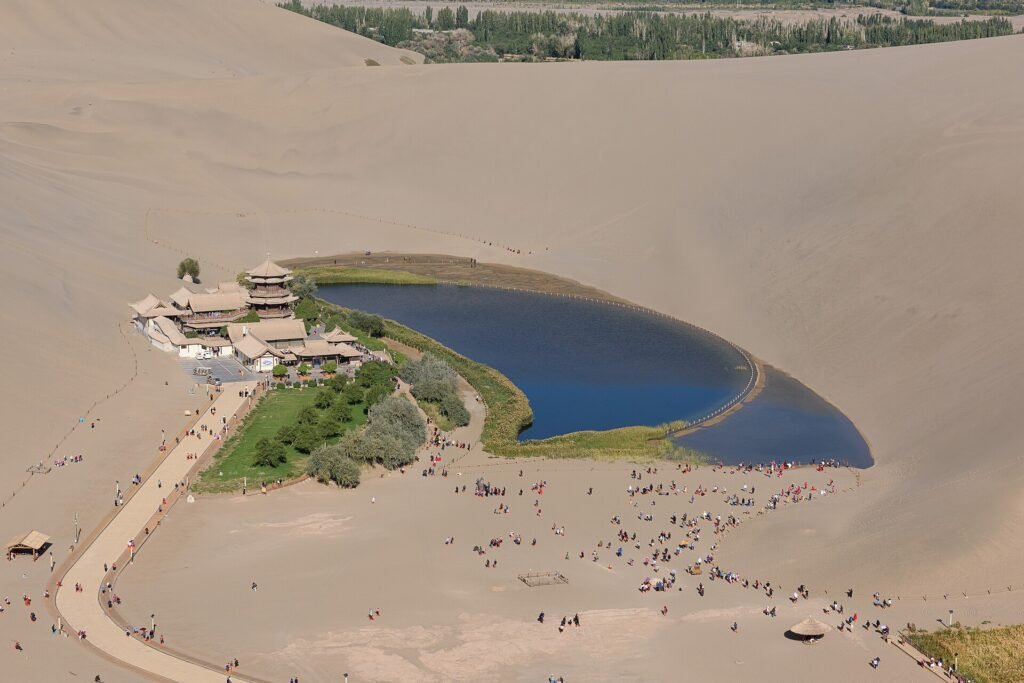
The Singing Sand Dunes wrapping around the crescent-shaped Crescent Lake at Dunhuang, Gansu

Dunhuang Filming Locations: Goodbye My Princess and the Gobi Desert

Dunhuang is the desert that Chinese film and television keeps borrowing — and, unusually for this site, it is a place where the cameras actually went. The dunes and the crescent-shaped spring south of the city carried the most famous scene in A Chinese Odyssey; the Gobi west of town stood in for the homeland

Dunhuang Filming Locations: Goodbye My Princess and the Gobi Desert Read More »
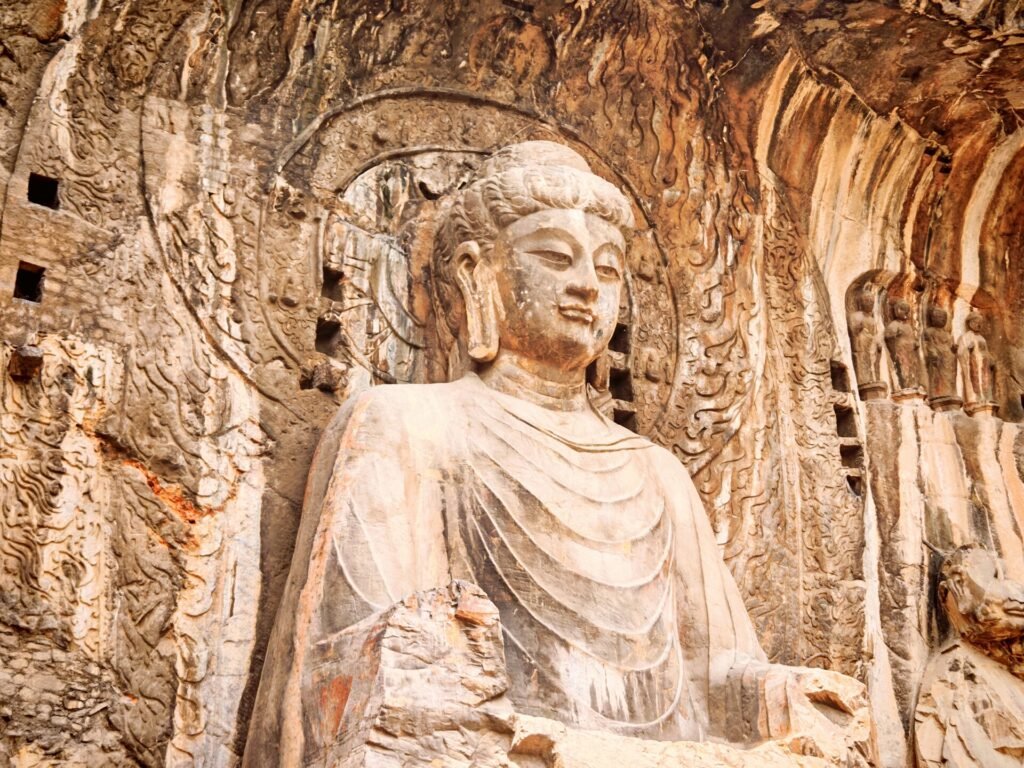
The giant Vairocana Buddha of Fengxian Temple at the Longmen Grottoes, Luoyang, lit by warm afternoon light

Luoyang Filming Locations: Longmen Grottoes and the Tang Ruins

Luoyang is the city that Chinese television keeps rebuilding. It was the capital of thirteen dynasties, the eastern terminus of the Silk Road, and the stage for the only woman to rule China as emperor — so every Tang-dynasty drama needs a Luoyang, and most of them build one on a soundstage 900 kilometres away.

Luoyang Filming Locations: Longmen Grottoes and the Tang Ruins Read More »

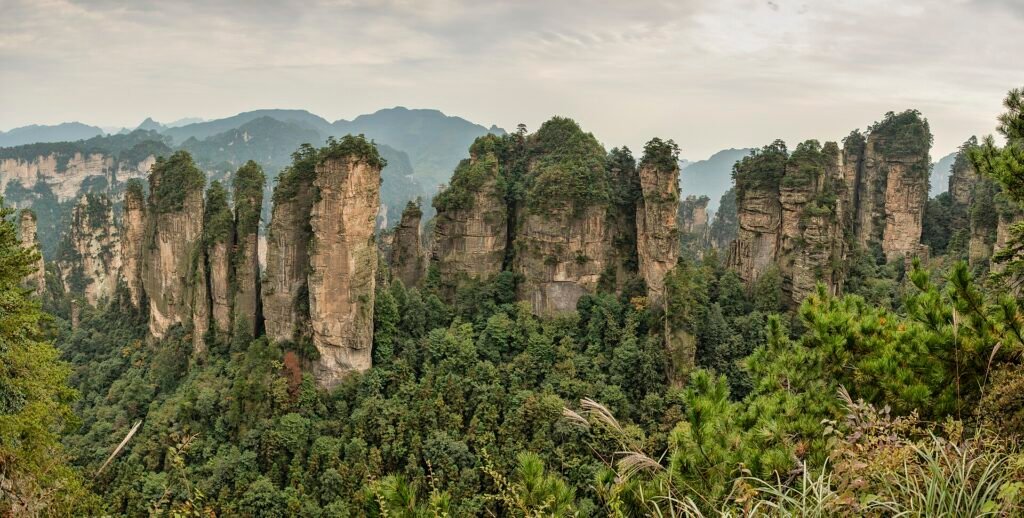
The quartz-sandstone pillars of Wulingyuan near Zhangjiajie, Hunan, in mist

Zhangjiajie Filming Locations: Avatar’s Mountains, Journey to the West and the Glass Bridge

There is a range of mountains in China that the rest of the world has already seen without knowing its name. The floating peaks of Zhangjiajie in Hunan were the inspiration for the Hallelujah Mountains of Pandora in James Cameron’s Avatar — and the Chinese park responded in 2010 by renaming one of its own

Zhangjiajie Filming Locations: Avatar’s Mountains, Journey to the West and the Glass Bridge Read More »

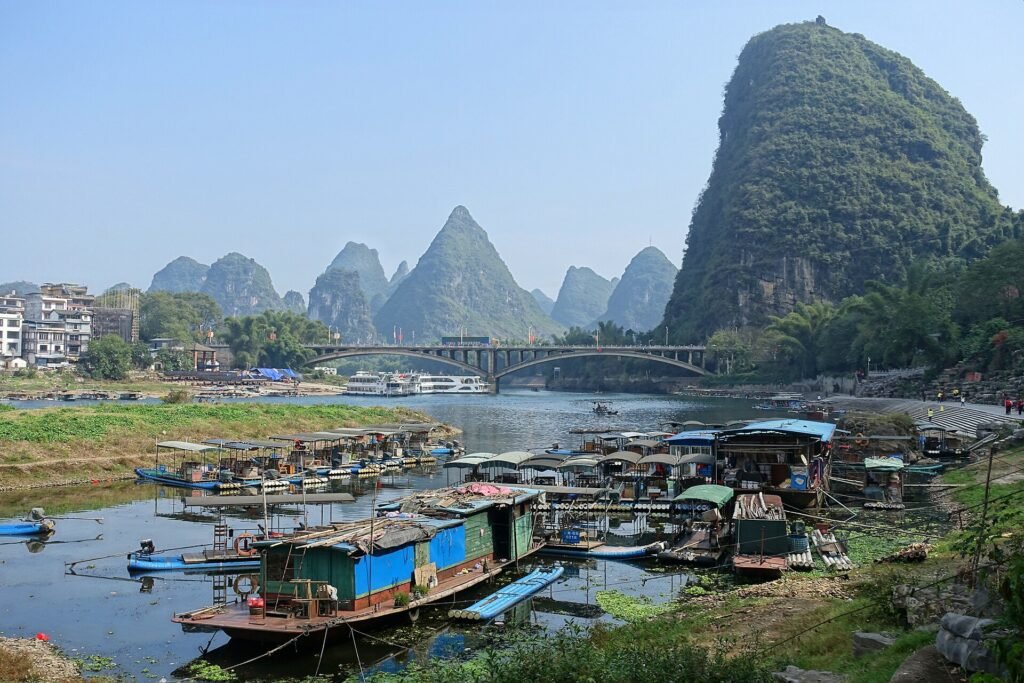
Limestone karst peaks reflected in the Li River near Yangshuo, Guangxi

Guilin and Yangshuo: Filming Locations, the Li River and the 20-Yuan Note

There is one landscape that every Chinese person knows before they ever set eyes on it, because it is printed on the money in their pocket: the limestone towers of Guilin and Yangshuo in Guangxi, on the back of the 20-yuan note. It is also the landscape of China’s best-loved film, Liu Sanjie (1960), and

Guilin and Yangshuo: Filming Locations, the Li River and the 20-Yuan Note Read More »

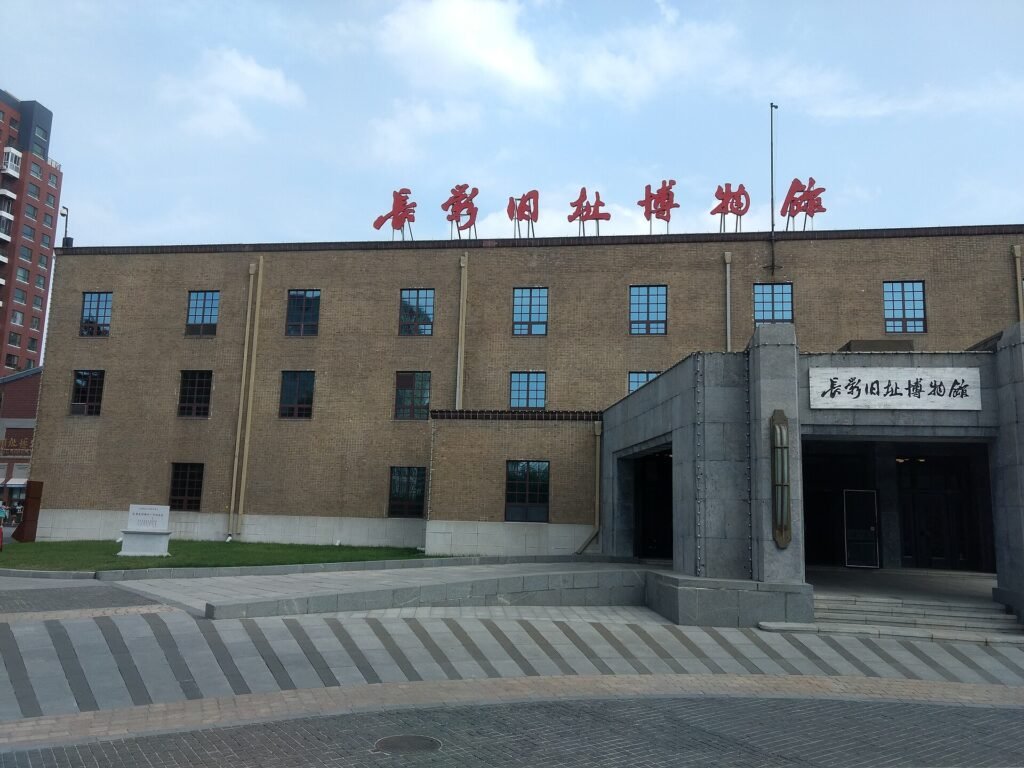
The former site of Changchun Film Studio, a brick studio complex on Hongqi Street

Changchun Film Studio: The Cradle of Chinese Cinema and Its Filming Locations

Every national cinema has an origin point, and for China it is a brick complex on Hongqi Street in Changchun, the capital of Jilin province in the north-east. Here, in 1945, the country’s first film studio was founded; here the first newsreel, the first cartoon and the first feature film of the People’s Republic were

Changchun Film Studio: The Cradle of Chinese Cinema and Its Filming Locations Read More »

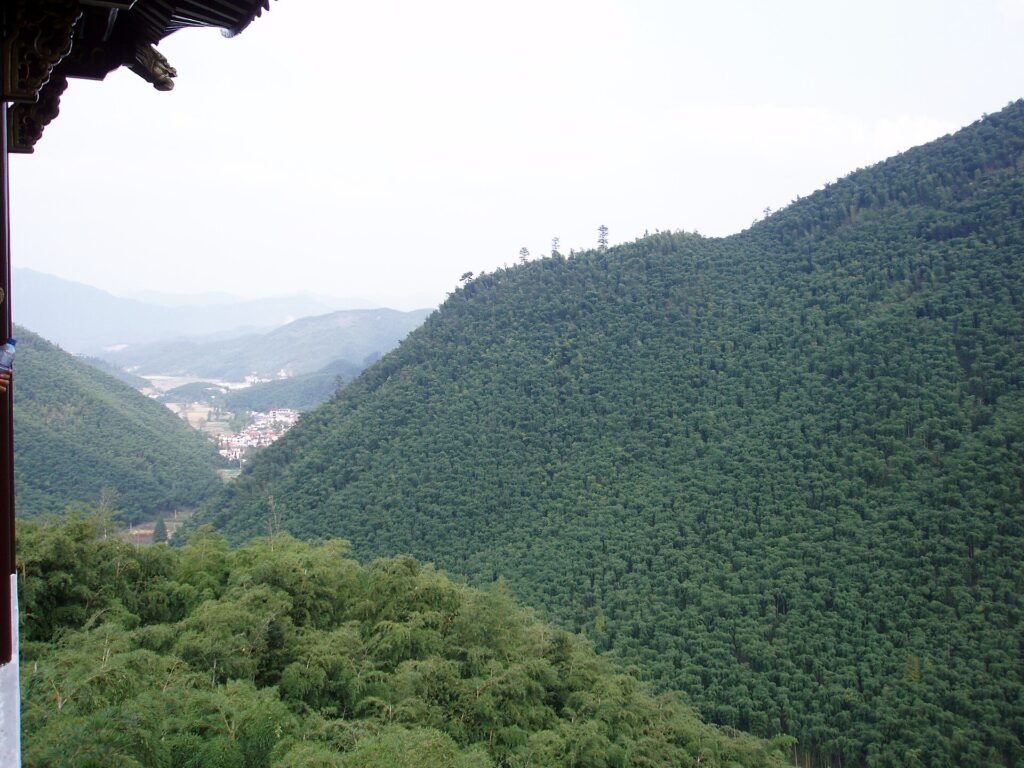
A bamboo-covered hillside at Anji in Zhejiang, seen from a ridge above a green valley

Crouching Tiger, Hidden Dragon Filming Locations: Anji’s Bamboo Sea and Hongcun

In 2000, Ang Lee took a 1930s wuxia novel and turned it into the film that carried Chinese-language cinema onto the world stage. Crouching Tiger, Hidden Dragon (卧虎藏龙) won four Academy Awards, and two of its most famous sequences — the duel in a bamboo forest and the flight over a white-walled village — were

Crouching Tiger, Hidden Dragon Filming Locations: Anji’s Bamboo Sea and Hongcun Read More »

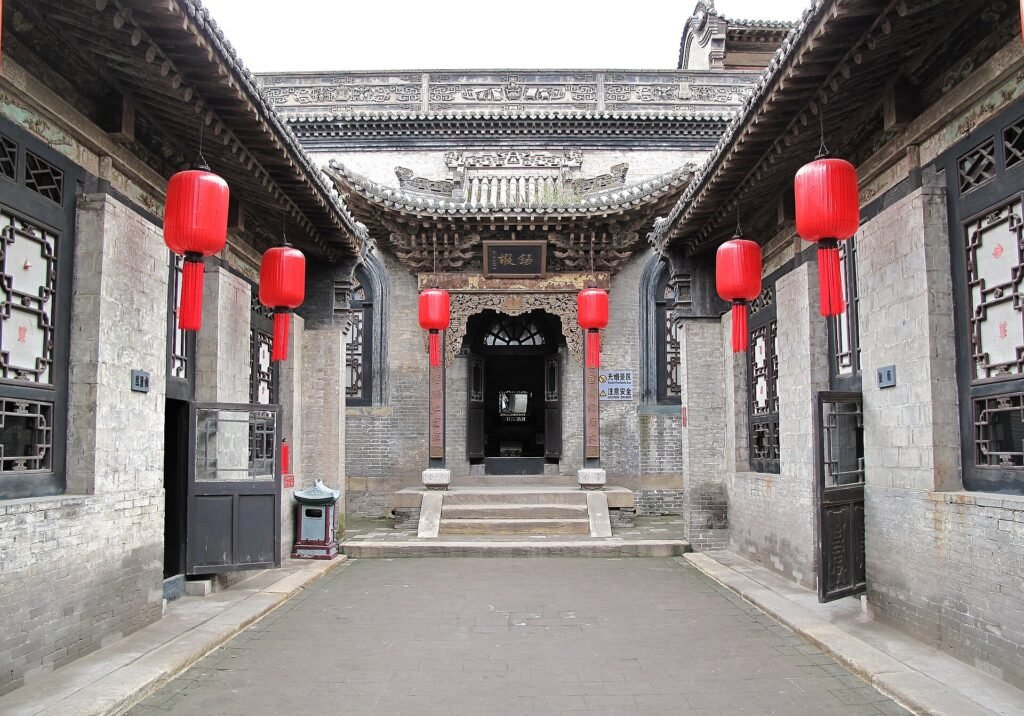
A grey-brick Chinese courtyard compound with tiled roofs and a stone gateway

Raise the Red Lantern Filming Locations: The Real Qiao Family Compound and Pingyao

In 1991, Zhang Yimou took a novella by Su Tong about a concubine in a rich man’s house and turned it into the film that made his name abroad. Raise the Red Lantern (大红灯笼高高挂) is set in a fictional family compound, the house of the Chen clan — but the courtyards, the stone drums, the

Raise the Red Lantern Filming Locations: The Real Qiao Family Compound and Pingyao Read More »

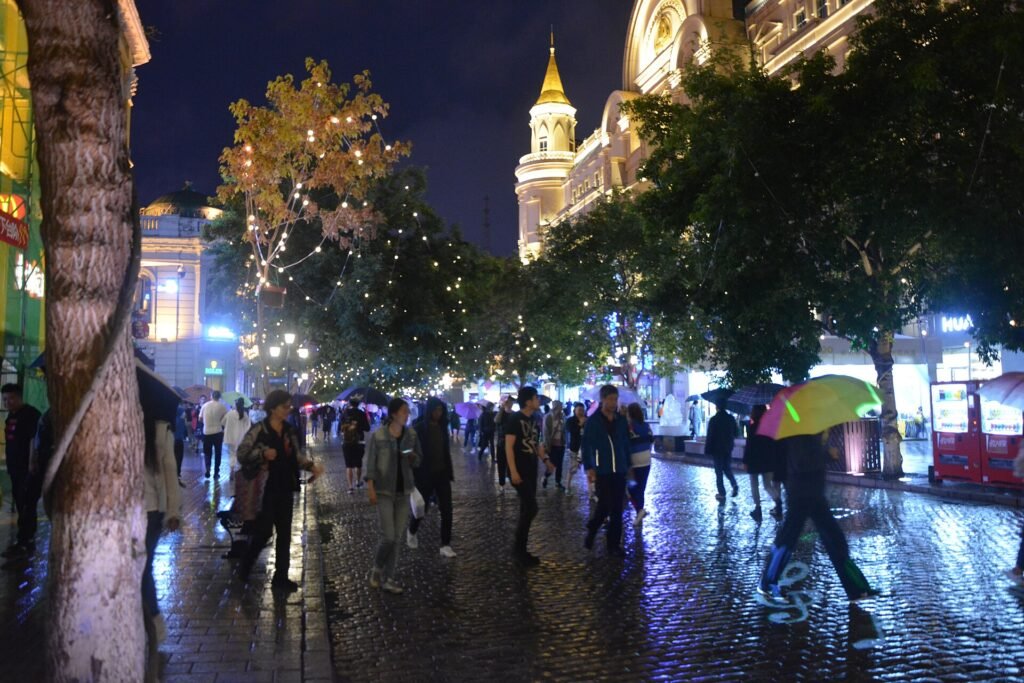
Central Street in Harbin lit up at night, with European-style facades and crowds of pedestrians

Harbin Filming Locations: The Ice City Behind Chinese Films and Dramas

Most Chinese cities get one screen identity. Harbin (哈尔滨) got two, and they pull in opposite directions. The Harbin filming locations below are grouped by which of the two you are looking for. The Harbin filming locations below are grouped by which of the two you are looking for. On screen it is the country’s

Harbin Filming Locations: The Ice City Behind Chinese Films and Dramas Read More »

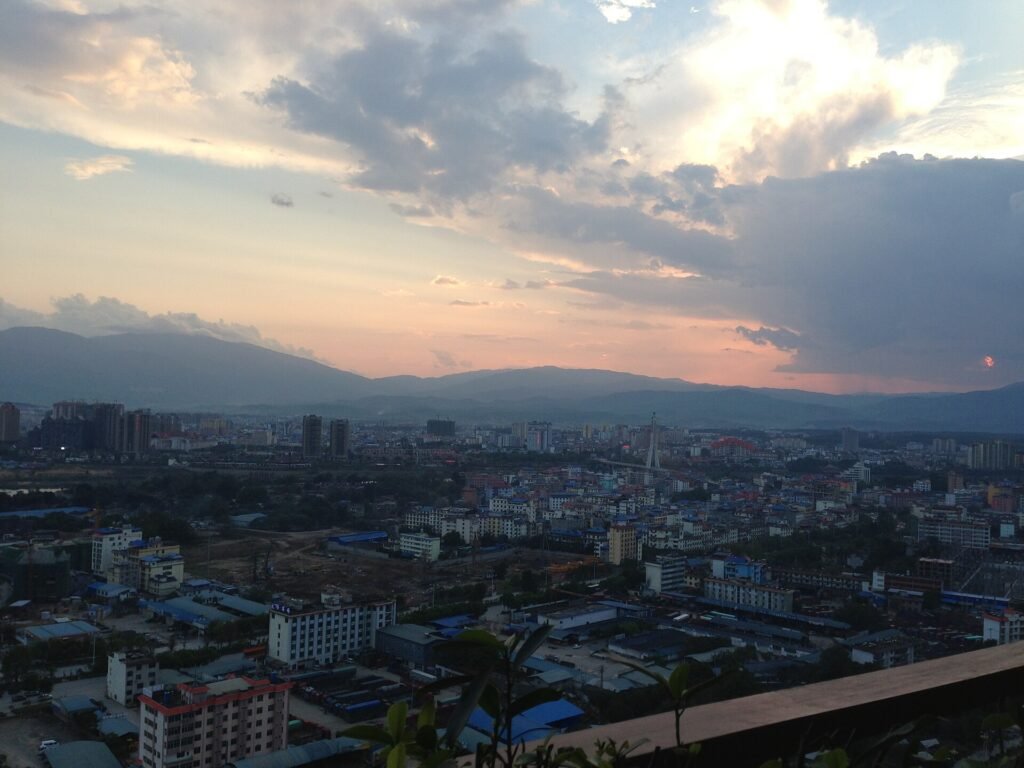
The city of Jinghong in Xishuangbanna, Yunnan, seen at dusk with low tropical hills behind it

Escape from the Trilateral Slopes Filming Locations: The Real Xishuangbanna Behind 边水往事

Escape from the Trilateral Slopes (边水往事) is a twenty-one-part crime drama set in a country that does not exist. The Escape from the Trilateral Slopes filming locations are real, and they are the only real thing about it. Its lawless borderland — the “Trilateral Slopes” (三边坡) — is invented, a fictional no-man’s-land somewhere between China,

Escape from the Trilateral Slopes Filming Locations: The Real Xishuangbanna Behind 边水往事 Read More »

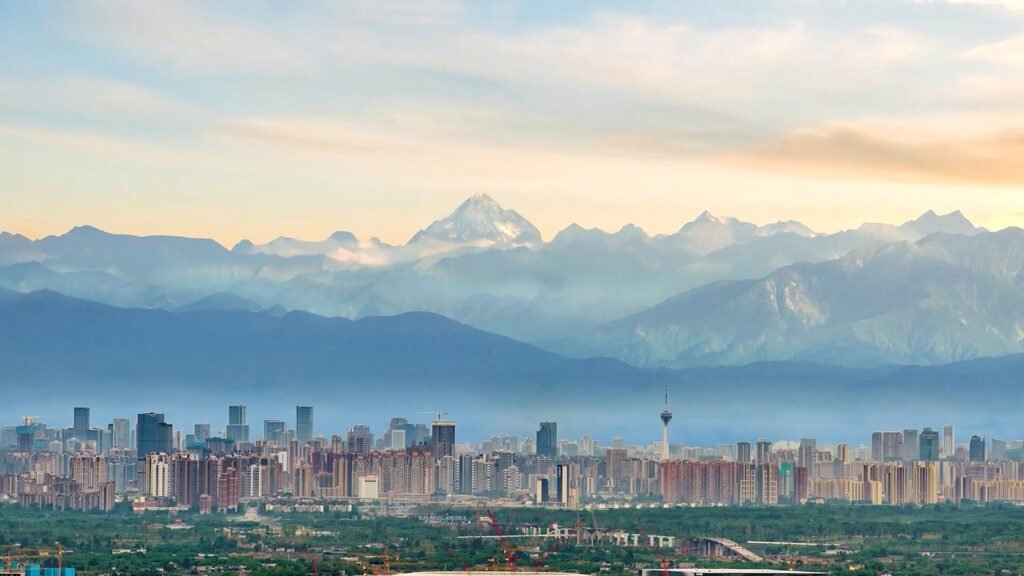
The Chengdu skyline at dusk with snow-capped mountains rising behind the city

A Murderous Affair in Horizon Tower Filming Locations: The Real Chengdu Behind 摩天大楼

A Murderous Affair in Horizon Tower (摩天大楼) is a sixteen-part noir about a woman found dead in a luxury high-rise — and the high-rise does not exist. The building is fictional. The city wrapped around it is not. Roughly 80 per cent of the show was shot in Chengdu, the capital of Sichuan in China’s

A Murderous Affair in Horizon Tower Filming Locations: The Real Chengdu Behind 摩天大楼 Read More »