Filming Locations

Walk the actual sets, streets and landscapes where your favourite C-dramas were shot.

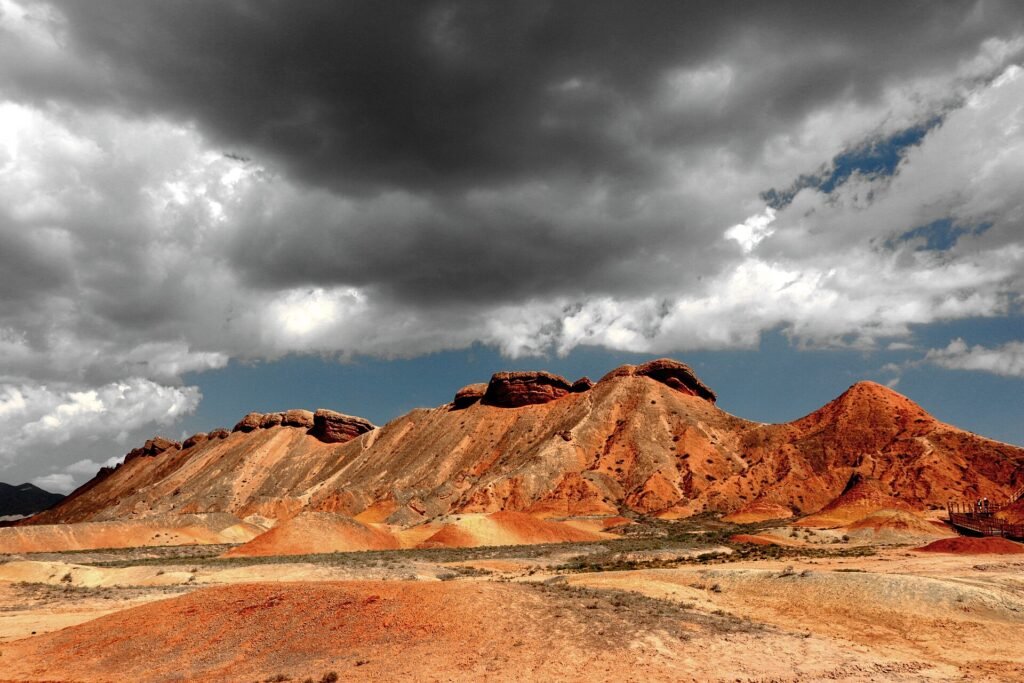
Banded red and ochre hills at Zhangye Danxia under a dark storm sky, with a section of boardwalk at the right edge

Zhangye Filming Locations: The Rainbow Mountains With the Wrong Name

Four feature films and one television series have used this place as another world. Zhang Yimou shot two of them here. The image it sells — banded hills in rust and ochre and grey, folded like a blanket dropped on a bed — has been on more screens than almost any other Chinese landscape. And

Zhangye Filming Locations: The Rainbow Mountains With the Wrong Name Read More »
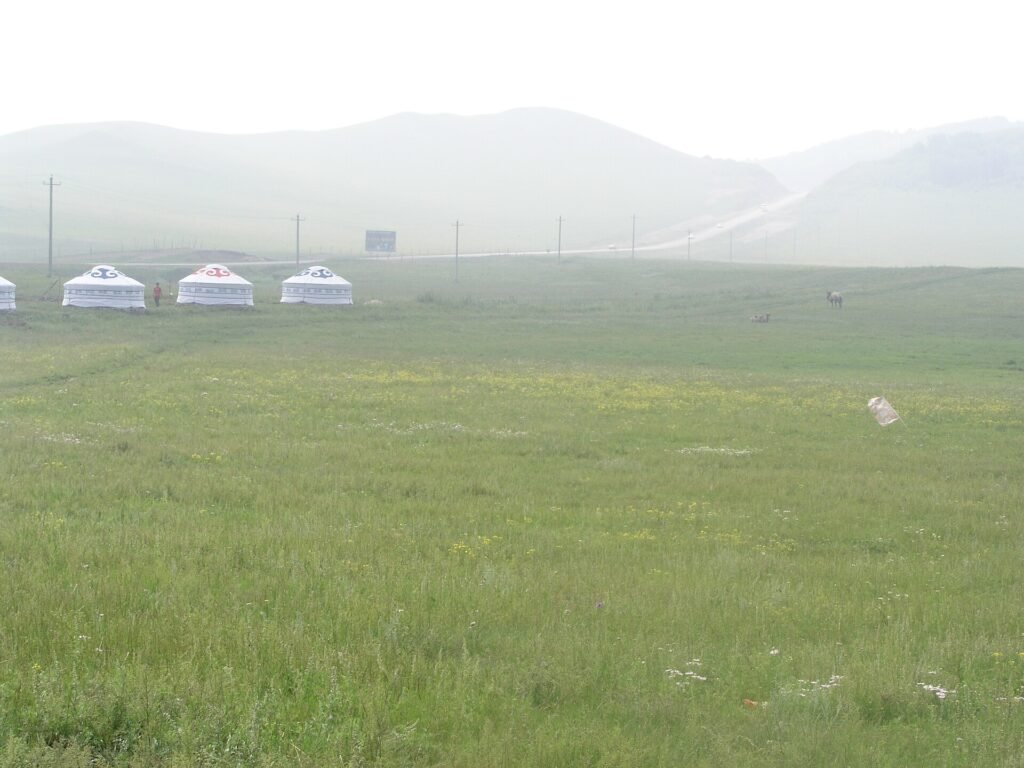
Yurts standing in mist on the grassland at Wulanbutong in Inner Mongolia, with hills fading behind

Wulanbutong Filming Locations: China’s Grassland Backlot

Wulanbutong is the reason a Qing dynasty can be shot in Inner Mongolia without building a palace, a steppe battle can be staged without CGI, and a director who needs “the grasslands” can stop looking at a map. These Wulanbutong filming locations sit in Hexigten Banner, Chifeng, in the south-east corner of the autonomous region

Wulanbutong Filming Locations: China’s Grassland Backlot Read More »

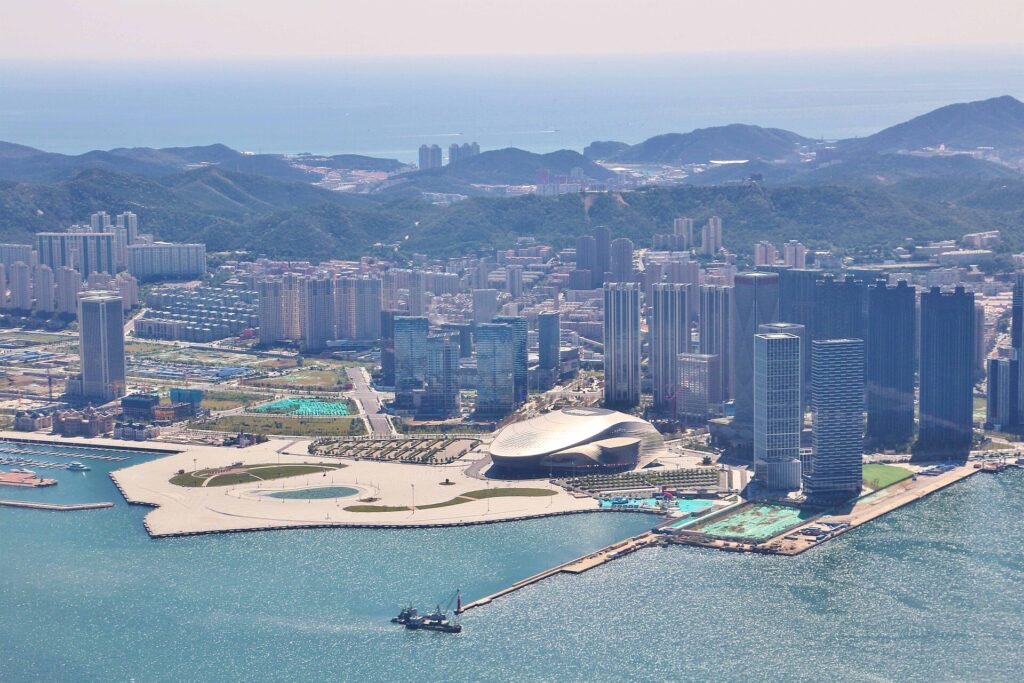
The Donggang waterfront in Dalian, a curved white convention centre on reclaimed land with high-rise towers behind

Dalian Filming Locations: The City That Plays Other Cities

Dalian does not usually play itself. That is the first thing to understand about the Dalian filming locations. When a Chinese production needs a European street, a 1930s port, a Japanese colonial town or simply a coastline that looks like somewhere else, it flies to the southern tip of Liaoning and points a camera at

Dalian Filming Locations: The City That Plays Other Cities Read More »

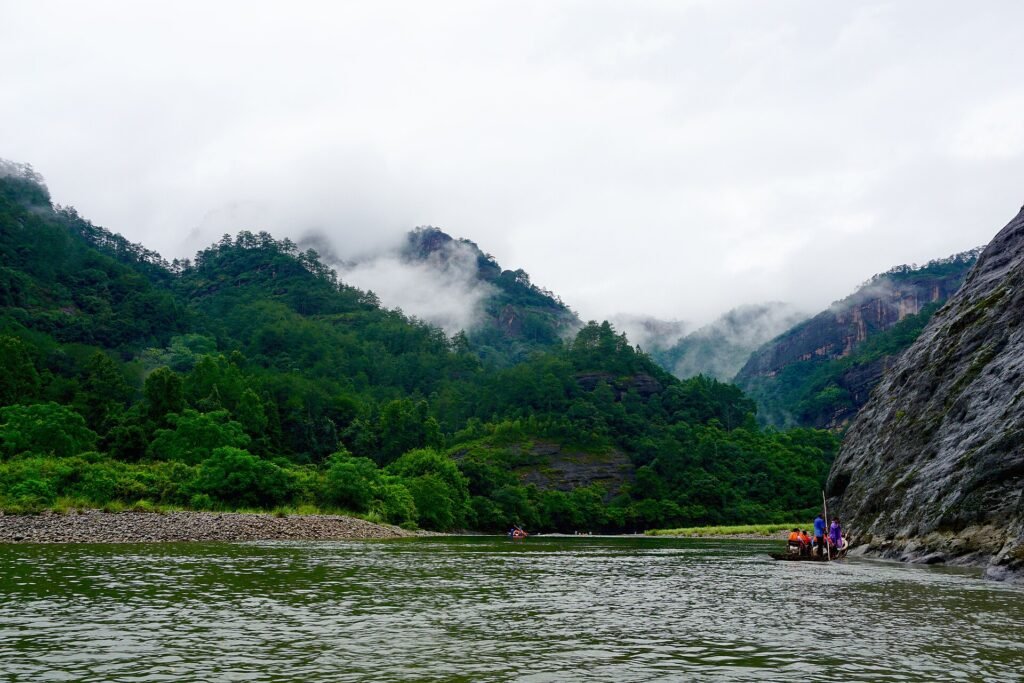
The Nine-Bend Stream at Wuyishan in Fujian, green water between wooded sandstone peaks under low cloud

Wuyishan Filming Locations: The 1986 Journey to the West, Scene by Scene

In 1985 a Chinese television crew carried cameras up a river gorge in northern Fujian and filmed a monkey god being rescued from under a mountain. The episode was the fifth of what became the most-watched television series in the world, and the gorge was Wuyishan. Forty years later the same sandstone peaks, the same

Wuyishan Filming Locations: The 1986 Journey to the West, Scene by Scene Read More »

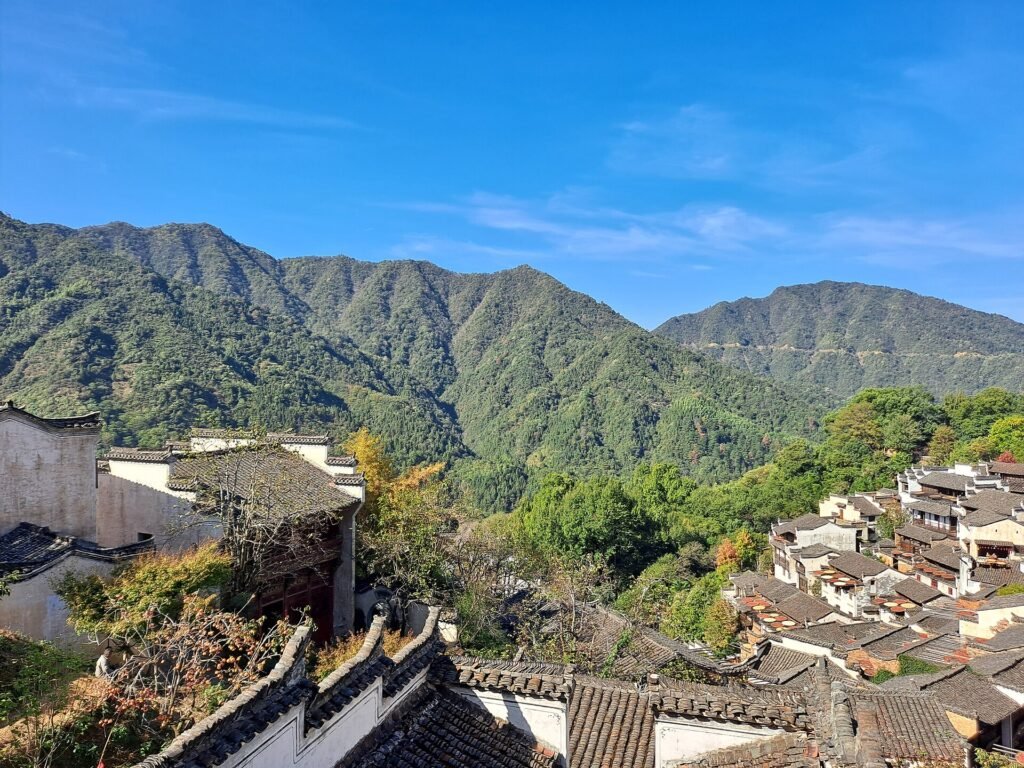
The terraced village of Huangling in Wuyuan, Jiangxi, with whitewashed houses stacked up a wooded hillside

Wuyuan Filming Locations: Huangling, the Tiankeng Library and Fifty Years of Chinese Cinema

China has been filming Wuyuan for more than fifty years. In 1974 it was The Sparkling Red Star, with a boy on a bamboo raft drifting down the Xing River. In 1987 it was the Liaozhai television series, shooting in a riverside village at Sikou. In 2003 it was Warm, the film that won Tokyo’s

Wuyuan Filming Locations: Huangling, the Tiankeng Library and Fifty Years of Chinese Cinema Read More »

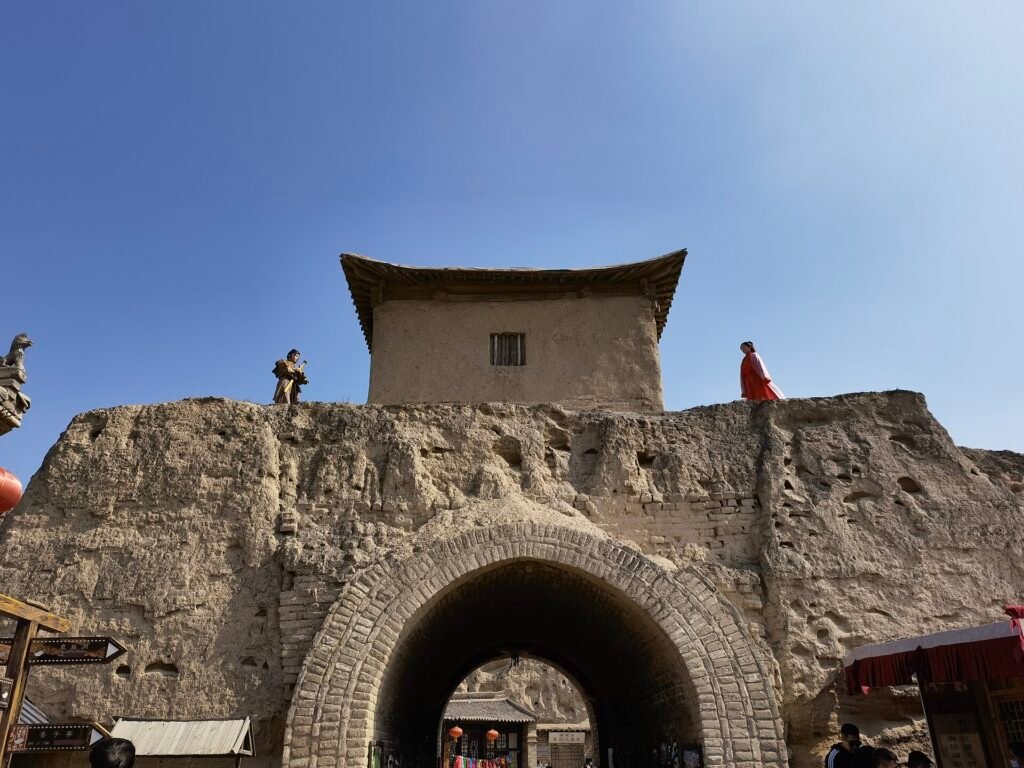
The Ming-era city gate of the Zhenbeibao West Film Studio near Yinchuan

Yinchuan Filming Locations: Zhenbeibao and the Films of the Western Desert

Almost every famous Chinese film you can quote was shot in the same dusty corner of the north-west. Red Sorghum, A Chinese Odyssey, Ashes of Time — all of them were filmed at Zhenbeibao, a studio built inside two ruined Ming frontier forts on the edge of the Gobi, 35 km from Yinchuan. This is

Yinchuan Filming Locations: Zhenbeibao and the Films of the Western Desert Read More »

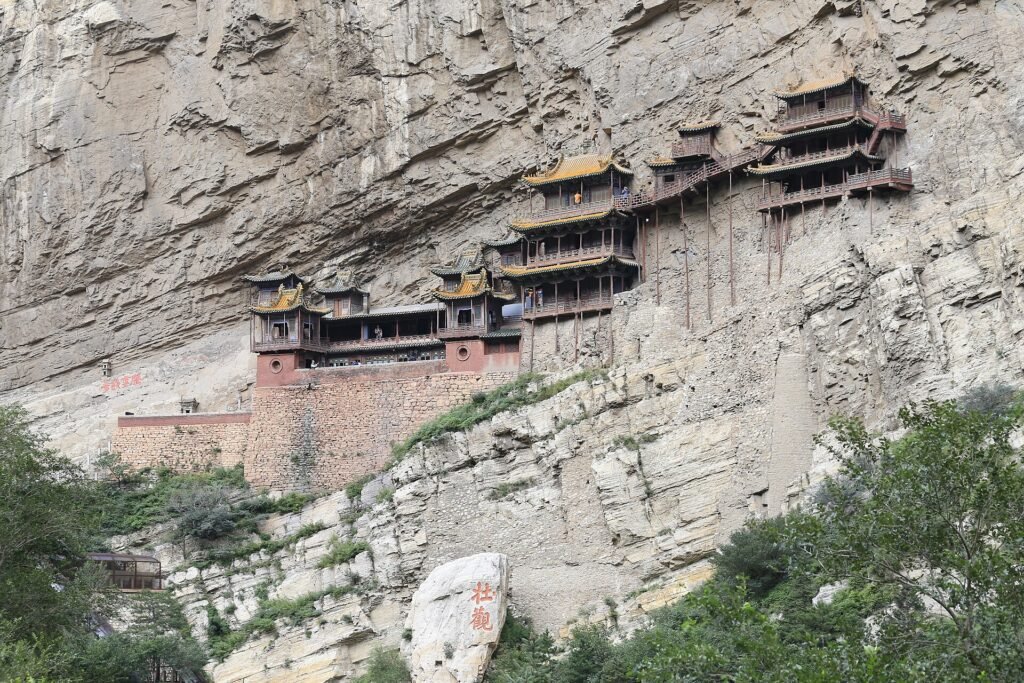
The Hanging Temple of Mount Heng near Datong, its halls pinned to the cliff face

Datong Filming Locations: Yungang Grottoes and the Hanging Temple

Datong is the city Chinese period drama keeps pretending to be. Its old name, Pingcheng, was the capital of the Northern Wei, and a dozen series set in that world — The Princess Weiyoung among them — were shot somewhere else entirely. Yet Datong is also a place where the cameras genuinely went: the director

Datong Filming Locations: Yungang Grottoes and the Hanging Temple Read More »