
Meet Yourself did something unusual for a C-drama: it made the location the point. The show is slow on purpose, and the reason it works is that the Dali and Shaxi filming locations genuinely look like that.
The short answer: Dali sits on the Yunnan plateau beside Erhai Lake, with the Cangshan mountains behind it. Shaxi, the old caravan town further north, is the quieter half of the show’s world. Fly to Dali, or take the two-hour train from Kunming. Allow 3–4 days minimum, because the pace is the experience — and budget two of those days for Shaxi, which is the better half.
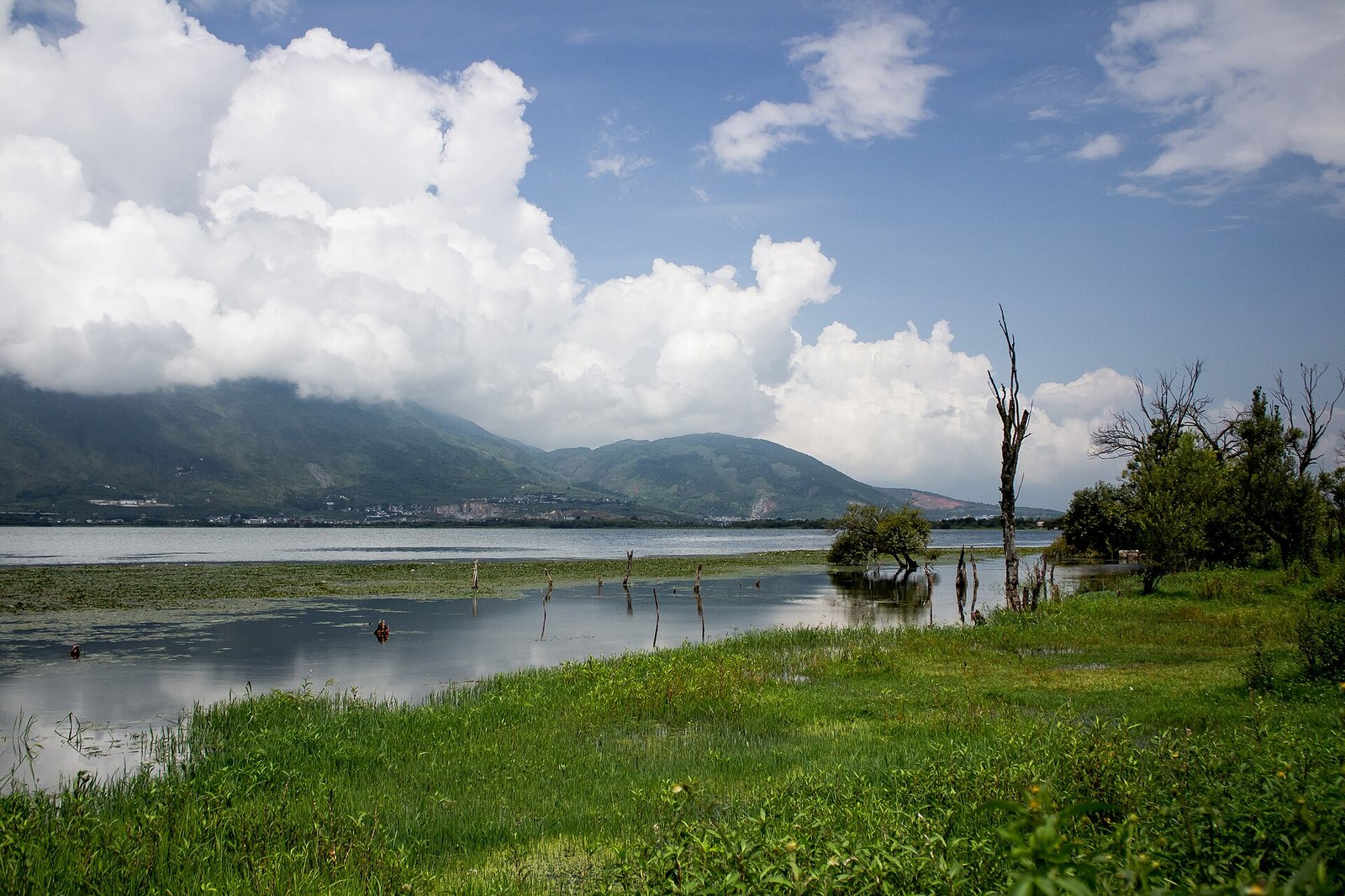
Why the Dali and Shaxi filming locations work so well
Meet Yourself (去有风的地方) is built around a premise most dramas would treat as a problem: nothing much happens, slowly, in a beautiful place. That only works if the place delivers, and Yunnan does.
Dali has been the Chinese idea of “the good life” for a very long time — long before the show, long before Instagram. The local formula is four words: 风花雪月 — wind, flowers, snow, moon — meaning the wind at Xiaguan, the flowers at Shangguan, the snow on Cangshan and the moon over Erhai. Every one of those is a real, locatable thing, and between them they cover most of the county.
The show’s contribution was to add a fifth: slowness. If you arrive trying to tick off locations, you will get the photographs and miss the point.
Dali and Shaxi filming locations: the lake, the old town, the mountains
Dali has three distinct parts and dramas use all of them:
| Area | Character | What to do |
|---|---|---|
| Dali Old Town (大理古城) | Walled, touristy, photogenic | Walk the gates and the main lanes early morning |
| Erhai Lake (洱海) | The shimmering plate the show keeps returning to | Cycle or drive the ring road; the west shore is the classic stretch |
| Cangshan (苍山) | The mountain wall behind the town | Cable car up, walk down — or skip if altitude bothers you |
| Xizhou (喜洲) | Bai architecture, rice paddies | Half a day, easily combined with the lake |
Dali sits at around 2,000 metres. That is high enough to make the sun fierce and the mornings cold. Bring layers and sunscreen, and take the first day slowly.
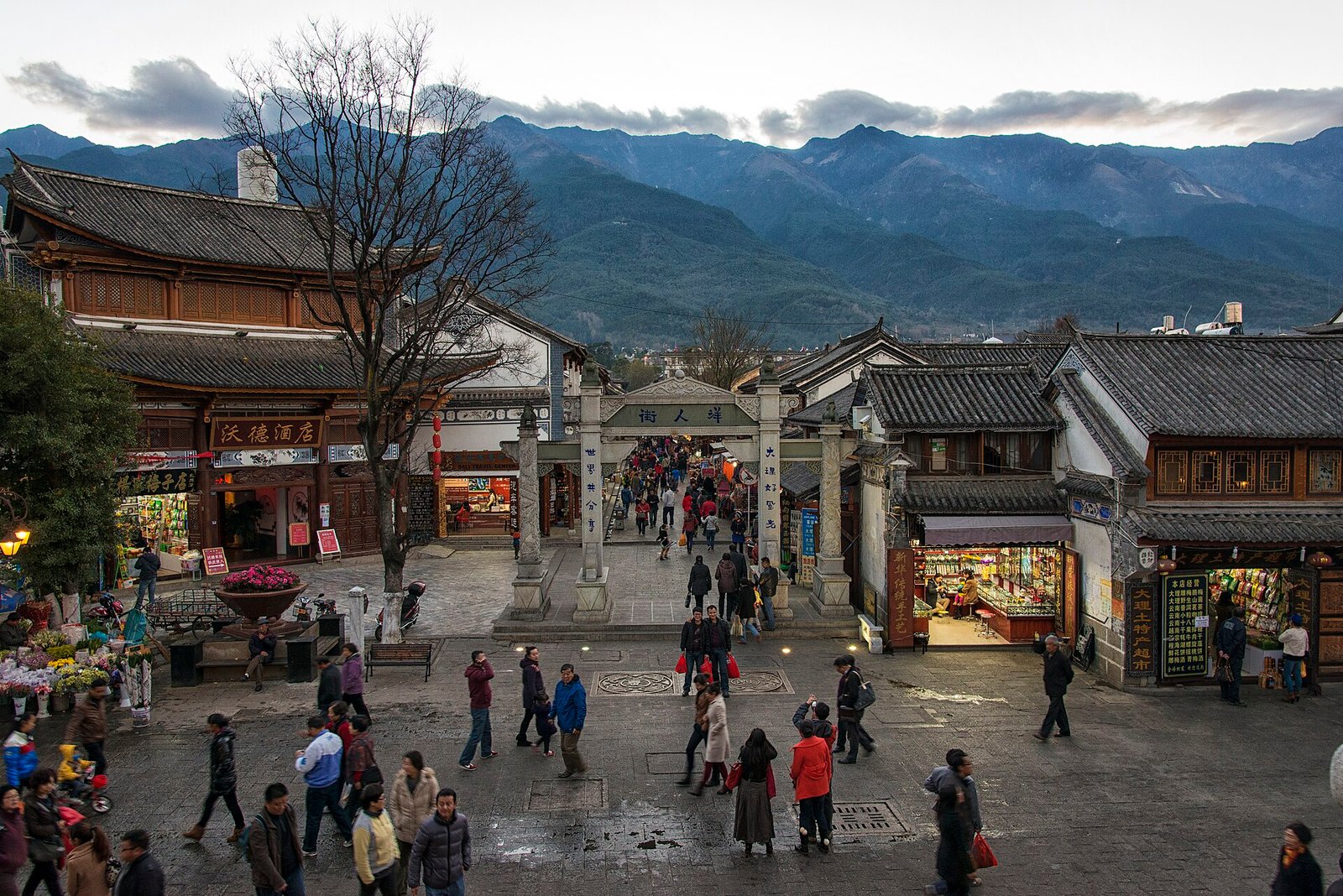
Erhai Lake
The ring road around Erhai is roughly 130 kilometres. The west shore — between Dali Old Town and Xizhou — is the stretch the show uses most, with the water on one side and the mountains on the other. Rent a bicycle for a short section or hire a car and driver for the full loop.
The light here is the thing. Morning and late afternoon give you the flat, soft water and the mountain reflection that makes the show look the way it does. Midday is harsh and the photographs are worse.
One thing to know before you plan a lakeside picnic: Erhai is a protected lake, and the shoreline is managed through an ecological corridor with restrictions on vehicles, building and access in places. That is a large part of why the lake still looks like this. Follow the signage, keep off the wetland margins, and do not assume every stretch of bank is open.
Cangshan, and the three cable cars
Cangshan is the mountain wall behind the town — a UNESCO Global Geopark, and much bigger than it looks from the lake. There are three separate cableways and they go to very different places, which is the single most confusing thing about visiting Dali. Pick deliberately:
| Cableway | Where it goes | Notes |
|---|---|---|
| Ximatan / Grand Cangshan (洗马潭索道) | Up to around 3,920 m | The long one — 5,555 m of cable and a 1,648 m vertical rise. Highest and most expensive; weather can close it |
| Gantong (感通索道) | Mid-mountain, south side | The middle option, and the usual pairing with a walk down |
| Zhonghe (中和索道) | Around 2,600 m | Open chairlift, cheapest, closest to the old town side |
Prices are the one thing here to check rather than trust. The cableways are operated by Dali Tourism Group (大理旅游集团), and the only fare with a published public notice is the Gantong cableway — ¥100 round trip, ¥65 one way. What gets bundled varies, though: the cableway fare, the Cangshan Geopark entry (around ¥35–40) and sometimes the Tianlong Babu Film City ticket. The Grand Cangshan (Ximatan) round trip alone is quoted anywhere from roughly ¥220 to ¥335, so treat any single figure, ours included, as indicative, and confirm on the operator’s official mini-program before you travel. Ticket sales also close in the afternoon rather than at dusk: the operator’s 2026 National Day notice set the cut-off at 16:00 for Ximatan and 16:30 for Gantong, so do not plan a late ascent.
There is also a genuine filming-location tie-in at the bottom: the Grand Cangshan cableway’s lower station sits inside Tianlong Babu Film City (天龙八部影视城), Dali’s own purpose-built studio at about 2,200 metres. If you want one studio visit in Yunnan, that is the one.
Altitude is the real caution here. Going from 2,000 m to 3,900 m in twenty minutes is not a trivial change. If you are prone to altitude sickness, take the lower cableways instead, and do not plan the Grand Cangshan trip for your first morning.
Xizhou and the Bai villages
The Bai minority architecture — white walls, painted eaves, courtyards — appears throughout the Yunnan episodes. The classic Bai house form is sanfang yizhaobi: three wings around a courtyard, with a decorated screen wall facing the gate. Xizhou is the most accessible example, and the local market is worth timing your visit around.
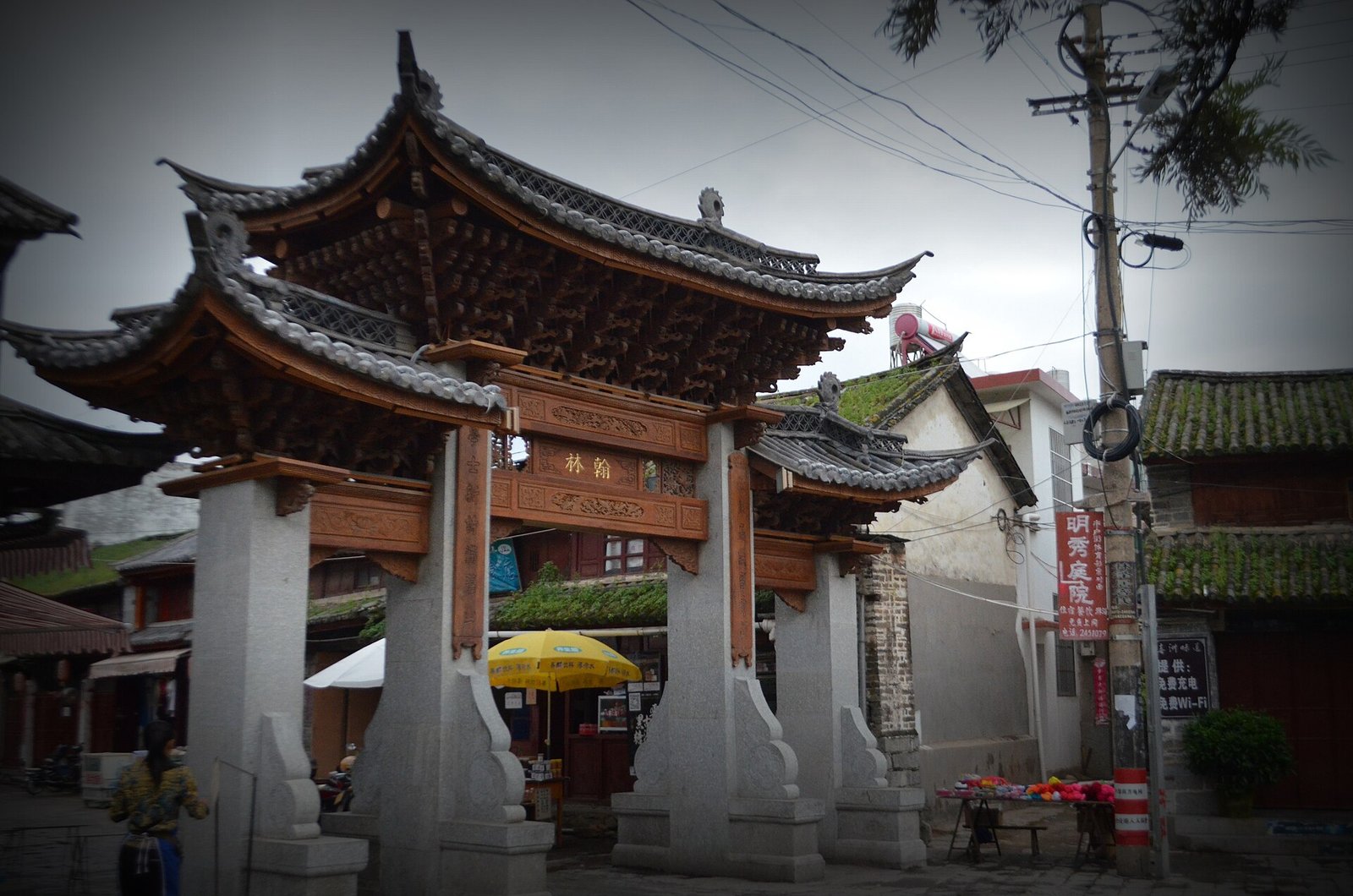
Shaxi: the quiet half
Shaxi (沙溪) is an old caravan town on the Tea Horse Road, and it is the best thing on this page. Much smaller, much quieter, and much more like the unhurried world the show is reaching for.
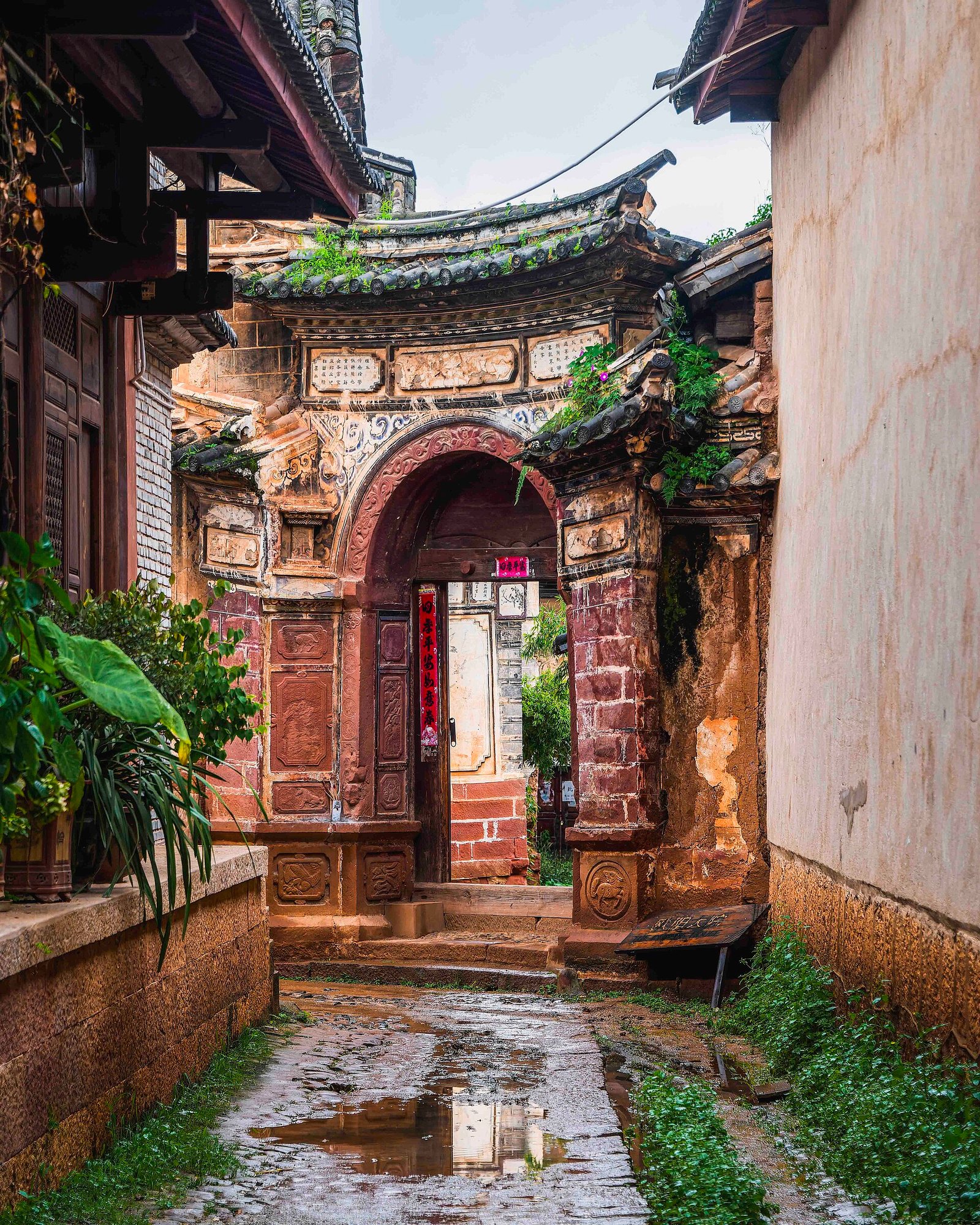
The old town centres on Sideng Street (寺登街), a square with a Ming-dynasty theatre stage on one side and the Xingjiao Temple on the other, with its surviving murals. A stone bridge, Yujin Bridge, sits just outside the walls. There is very little to “do” — which is the point.
The Friday market is the reason to plan your dates around Shaxi rather than Dali. It is a working market for the surrounding villages, not a tourist show, and it is the one day the town is genuinely busy.
Getting there — and the thing most guides get wrong. Shaxi belongs to Dali prefecture, but it is physically much closer to Lijiang than to Dali. From Lijiang it is roughly an hour and a half by shared car (around ¥80 a seat). From Dali it is closer to three hours by road. If you are doing both Yunnan destinations, sequence them Lijiang-then-Shaxi, not Dali-then-Shaxi-then-back.
Practical: English is limited even by Yunnan standards. Bring cash as a backup for small guesthouses and stalls, and expect the good guesthouses to be small and to book out.
The actual Meet Yourself locations
Two places carry the show, and neither is in Dali Old Town.
Youfeng Courtyard (有风小院) — the guesthouse at the centre of the series — is in Fengyangyi (凤阳邑), a small village on the old Tea Horse Road roughly twenty minutes from Dali Old Town. It is a real courtyard in a real village that has since become a small pilgrimage site, with the attendant cafés. Go early, keep your voice down, and remember people live there.
Youfeng Xiaoguan (有风小馆), the café where the lead character works, was filmed at a real café on Sideng Street in Shaxi. It is small, it gets busy, and it is a working business rather than a set — buy something.
The lake and mountain shots are the west shore of Erhai and the Cangshan foothills. See the full Meet Yourself filming locations guide for the scene-by-scene version.
Where to stay
Split your stay: two nights in or near Dali Old Town, and at least one in Shaxi. Trying to do Shaxi as a day trip from Dali means six hours in a car and a rushed afternoon in the one place that rewards not rushing.
In Dali, staying inside the old town walls is convenient but noisy; the villages along the west shore are quieter and better placed for the lake. In Shaxi, stay inside the old town if you can — the whole appeal is being there in the early morning and the evening.
Book Dali Old Town or the west shore for the lake, then book Shaxi separately — it is a different town three hours north. Type 大理 or 沙溪 (Dali / Shaxi) into the box.
Booking through this widget earns us a small commission at no extra cost to you. It never changes what we recommend — see our affiliate disclosure.
Getting there and getting around
How to reach Dali
DiDi works in Dali but thins out beyond the old town — for the lake loop, a car and driver is the practical choice.
By air: Dali Fengyi Airport (DLU) has connections from major Chinese cities. Most foreign visitors fly from Shanghai, Beijing or Chengdu.
By rail: the Kunming–Dali high-speed line takes about two hours and costs around ¥145 in second class. This is the better option if you are coming from anywhere the train reaches, and Kunming is a much bigger air hub than Dali. From Dali station, a shuttle bus runs to the old town for around ¥5.
Getting around: distances between the lake, the old town and Xizhou are real — around 20–40 kilometres. DiDi works in Dali but is thinner outside the old town. For the lake loop, hiring a car and driver for a day is the practical choice and costs far less than you would expect.
See our apps guide and payment guide — both matter more here than in Shanghai, and the rail guide covers booking the Kunming leg with a passport.
A four-day plan
Day one. Arrive and do almost nothing. This is not laziness — it is altitude. Walk the old town in the late afternoon, eat early, sleep.
Day two. Erhai. Take the west shore between the old town and Xizhou, by bike for a stretch and by car for the rest. Stop at Xizhou for the market and the architecture. Be on the water at either end of the day, not in the middle.
Day three. Cangshan in the morning if the weather is clear — the lower cableways are enough for most people — then Fengyangyi in the afternoon for Youfeng Courtyard.
Day four onward. Move to Shaxi and stay at least one night. If you have a fifth day, make it a Friday.
Visiting as a foreign visitor
Dali is well inside the foreign-traveller comfort zone by Chinese standards — the old town has English menus and a long backpacker history — but the practical bits still run on Chinese systems. Dali also sits inside the transit-visa coverage area for Yunnan, so it is worth checking your entry position before you book.
- Tickets and cableways are issued by passport. The Cangshan cableways and the Erhai scenic spots sell tickets against an identity document. Use the staffed window rather than a self-service machine, which is usually keyed to the Chinese ID card. Cableway prices are not consistently published — confirm at the ticket office rather than trusting a figure online.
- Altitude is the real operational issue. At around 2,000 m the town is fine for most people, but the cableways climb hard and the top station sits far higher. Do not book a summit cableway for your first morning — give yourself an easy arrival day.
- Set up mobile payment before you leave Kunming. Alipay and WeChat Pay work in Dali town, but coverage thins fast in the villages and around the lake. Carry cash as a backup: small vendors and some drivers prefer it, and personal payment codes sometimes reject a foreign card. See the payment guide.
- English and transport. DiDi works in the old town but is thin elsewhere; for the lake loop, a hired car and driver for the day is the practical choice and is arranged through your hotel. Save 大理 (Dali), 洱海 (Erhai) and 沙溪 (Shaxi) in Chinese.
Before you go: the visa and entry guide, the payment guide, the apps guide and the high-speed rail guide cover the parts that are the same everywhere in China. This section covers only what is different here.
What a day actually costs
This is the honest mid-range version: one person, one full day on the lake loop and the old town, eating well without trying to impress anyone. Ticket and transport figures are the ones listed above — the cableway fares are the operators’ published rates, checked against Dali Tourism Group’s notices on 13 October 2026 — while food is a realistic mid-range estimate, not a published price. Cableway pricing in this valley is not consistently published, so treat every figure here as indicative and confirm at the ticket office on the day; the same honesty applies to car-and-driver quotes, which your hotel arranges at a rate you should agree in advance.
| Item | Per person | Notes |
|---|---|---|
| Dali station → old-town shuttle | ~¥5 | The shuttle bus from the high-speed rail station; taxis are also cheap and everywhere |
| High-speed rail, Kunming → Dali | ~¥145 second class | Only on the day you arrive or leave; about 2 hours. Book with your passport on 12306 |
| Car and driver for the lake loop | Quoted by the day | Arrange through your hotel or guesthouse; 20–40 km between the lake, the old town and Xizhou makes this the practical choice. DiDi thins out beyond the old town |
| Gantong cableway | ¥100 return (¥65 single) | The one cableway fare with a published public notice; rides sell against an identity document — carry your passport |
| Cangshan Geopark entry | ~¥35–40 | Sometimes bundled with the cableway; what is included varies by vendor, so ask |
| Grand Cangshan (Ximatan) full round trip | ¥220–335 | Quoted inconsistently across channels — treat as a range and confirm at the ticket office; a clear day matters more than the price |
| Tianlong Babu Film City | Priced separately | Sometimes bundled with cableway tickets; check what your ticket actually includes |
| Lunch | ¥25–60 | Erhai lake fish and local noodles around the old town; Dali’s old-town prices are low by international standards |
| Coffee and a snack | ¥20–40 | The old town’s cafés on Minma Street and Foreigner Street |
| Dinner | ¥50–120 | Bai-style dishes and grilled lake fish; the lanes around the old town are half the price of the lake-view ones |
A realistic lake-loop day comes to roughly ¥150–320 per person — about US$21–46 at a round ¥7 per US$1 (check the live rate) — including the cableway but before the driver, which is shared if you travel as a pair or a group. Leave out the cableways entirely and a lake-and-old-town day lands nearer ¥90–220. Do not buy a cableway ticket online and assume the price is current: this is the one part of Yunnan travel where the listing is often behind the ticket office.
Who this trip suits — and who should skip it
Not every itinerary is for every traveller. This is the honest version of who the Dali and Shaxi route actually works for.
- First-time visitors who loved Meet Yourself. The route on this page follows the show’s Dali, and the lake loop is the point — the show’s café quarter is walking distance from the old town.
- Couples. The lake road at golden hour, the Xizhou morning and Shaxi’s empty square at dusk are three of the most restful days you can spend in China.
- Slow travellers. Four days is the honest plan, and the value is in not chasing every sight — the old town is for sitting, not sightseeing.
- Photographers. Cangshan against Erhai on a clear morning and the Shaxi theatre at dusk are the two shots worth setting alarms for.
Skip it if you want a city break, because this is a lake-and-old-town itinerary with early nights; if gradient walking is a problem for you, because the Cangshan cableways exist precisely to avoid the climbs they also shorten; or if you only have one day, because the drive between Dali and Shaxi is most of a day and this route rewards the slow version.
Common questions
How many days do I need?
Three days minimum for Dali and Erhai. Add two more for Shaxi, which is the better half of the experience but a real journey.
When should I go?
Spring (March–May) and autumn (September–November). The rainy season runs roughly June to August, when afternoon downpours are routine and the mountains disappear into cloud. Check the best-time guide first — Yunnan’s rainy season and China’s national holidays both land on this trip.
Do I need to worry about altitude?
At around 2,000 metres, most people are fine but feel it on the first day. The cable cars are the real risk, not the town. Drink water, do not sprint up Cangshan, and give yourself an easy arrival day.
Can I combine Dali with Hengdian?
Technically yes, practically it is two trips. Yunnan is far from Zhejiang and the flying time eats a full day. Most fans do Hengdian first and treat Yunnan as a separate journey.
Is Dali Old Town worth it, or is it too touristy?
Both. It is heavily commercialised and still genuinely beautiful, which is why the show uses it carefully rather than constantly. Go at 7am and you will like it. Go at 7pm in August and you will not.
Do I need a permit?
No special permit for this area. Standard entry rules apply — check the visa and entry guide.
Your next move
Still exploring?
Dali plays itself in Meet Yourself, the slow-living drama.
Worried about the practical stuff?
Visas, payment, trains and the apps you’ll need before you land — the four things you cannot work out on the ground. Each guide is dated and sourced.
Ready to go?
Dali rewards a slow three days. The planning guide sizes it.
Last verified
Sources: Dali Tourism Group (Cangshan Ximatan Cableway Branch) — official notice of National Day 2026 cableway ticketing hours, issued 28 September 2026 · Dali Rongmei — public notice of the Gantong cableway fare adjustment (round trip ¥100 / one way ¥65), 27 July 2025
Spotted something out of date? Email us — or read how corrections work. We check every report against the source and update the page.
Ready to plan it? Turn the dramas you have watched into a day-by-day route with the C-drama route planner.
Not sure where to start? Take the drama-city quiz — seven questions, one city, and a route waiting at the end.