
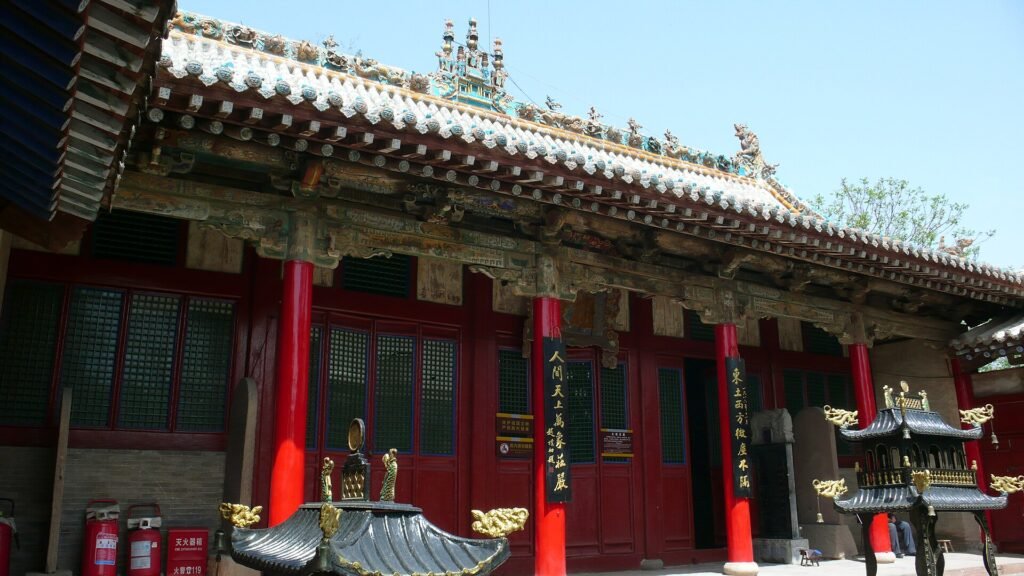
Twenty-seven sites. No film crew.
On 20 August 2024 a Chinese studio released a game called Black Myth: Wukong. By the next morning a hashtag was trending on Weibo asking Shanxi province to “catch the sky-high wealth” that had just fallen on it. The game had been made in Hangzhou. Almost everything in it that looked real had been borrowed from Shanxi. This is a guide to the Black Myth Wukong locations that resulted, and to what every listicle about them gets wrong.
Within a week, every English-language listicle on the internet agreed on the numbers: the game used 36 locations across China, and 27 of them are in Shanxi. Within a month, the province had published three official touring routes. Within a year, one county of 90,000 people had received 1.5 million visitors.
Here is the part almost none of those pages tell you. You cannot visit these places the way you visit a film location, because nothing was filmed. There was no camera on location. There was no crew, no set, no take, no second unit. A video game does not photograph a building. It scans one — which puts it closer to a working studio than to a film set, a distinction we set out in China’s film studios compared.
That single word — scanned instead of filmed — reorganises the entire trip. It changes what you will recognise when you get there, how big the places are, how long you need, and which of the 27 are actually reachable. This page is about that, and about the 27 buildings themselves.
The short answer. The 27 are real, they are extraordinary, and most of them are open. But they are not a route — they are three clusters about 300 km apart, and the official eight-day drive stops at only 12 of them. The two most famous interiors in the game, at Xiaoxitian and at Tiefo Temple in Gaoping, measure 169.6 m² and 72 m² — together smaller than a doubles tennis court. You will queue, you will be let in for a few minutes, and you will not see the landscape you remember, because the game built that landscape around a room.
Everything below is sourced, dated, and where a number has no owner I say so. If you came here looking for a list of Black Myth Wukong locations, the list is real and it is in the middle of this page — but the four sections before it are the ones that decide whether the trip works.
The word is wrong, and the province’s own website uses it
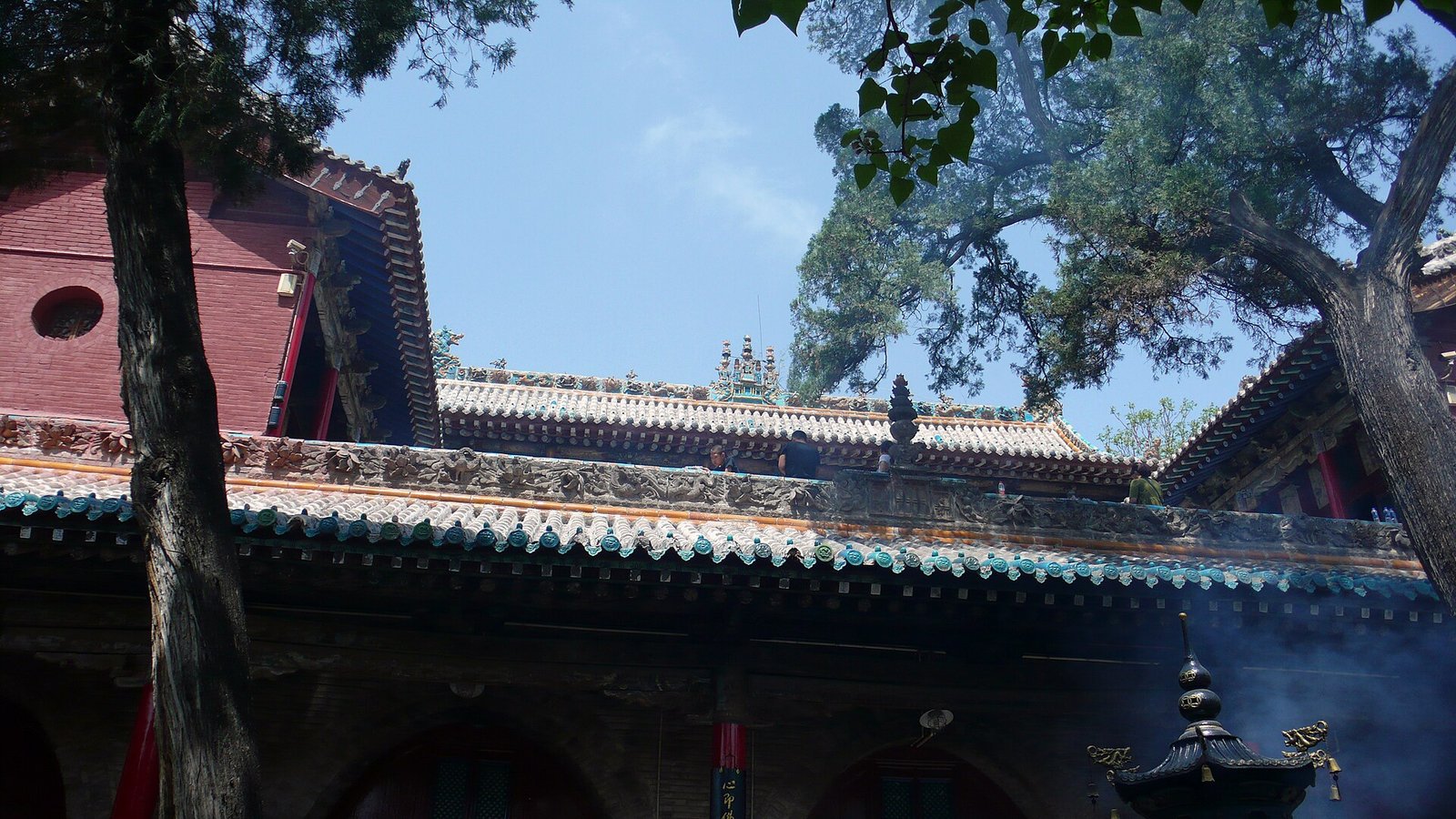
Search for Black Myth Wukong locations and you will find the phrase filming locations. It is in the headlines, in the listicles, in the video titles. It is also in the English-language website of the Shanxi provincial government, in an article published three days after launch, which states that “among the 36 filming locations across various provinces and cities, 27 are located in Shanxi Province.”
The same article, a few paragraphs later, describes the Yungang Grottoes as “one of the inspirational sources of the game’s scene design.” Those are two different relationships. They have been put in the same sentence, and then in the same number.
| What the relationship actually was | Is there a camera? | Can you stand where it happened? | Counted as a “filming location”? |
|---|---|---|---|
| Scanned and rebuilt — geometry and surface captured on site, then rebuilt as a game asset | No. A scanner. | Yes, roughly — but the asset is not a copy | Yes |
| Partly scanned — a statue group, a doorway, a bracket set, a roof ridge | No | Only that fragment | Yes |
| Reference / inspiration — looked at, sketched, used as a mood | No | Not meaningfully | Yes |
| Filmed — a camera recorded actors in a real place | Yes | Yes, exactly | This is what the word means — and it is not what happened |
So when a page tells you there are 27 filming locations, it is using a word from film tourism to describe a practice from game development, and it is using one word to cover at least three different practices. That is not a translation slip. It is the reason the numbers do not add up later in this article.
How to test any claim about a game or animation “filming location”: replace the verb with the mechanism — scanned, photographed, modelled, referenced — and then ask whether the sentence still makes sense. “The game filmed at Xiaoxitian” becomes nonsense. “The game scanned part of Xiaoxitian” becomes a fact you can check. When the sentence only works with the wrong verb, that sentence is the story.
What scanning actually produces
The mechanics matter, because they explain what you will and will not recognise.
To build environments faster, Game Science decided to scan buildings and statues on site, and then either copy those elements into the game or use them as the basis of the design. The scanning began before the first gameplay trailer was released; after the trailer, the work started receiving support from local governments. That is the sequence, and it explains why so many of the sites are in one province: once a provincial government is helping, the logistics collapse.
Then comes the step almost nobody mentions. After Game Science finished scanning, a second studio — Nanjing Graphics Science — handled what the Chinese sources call secondary design work on some of the Mount Wutai buildings. Scan, then redesign, then ship.
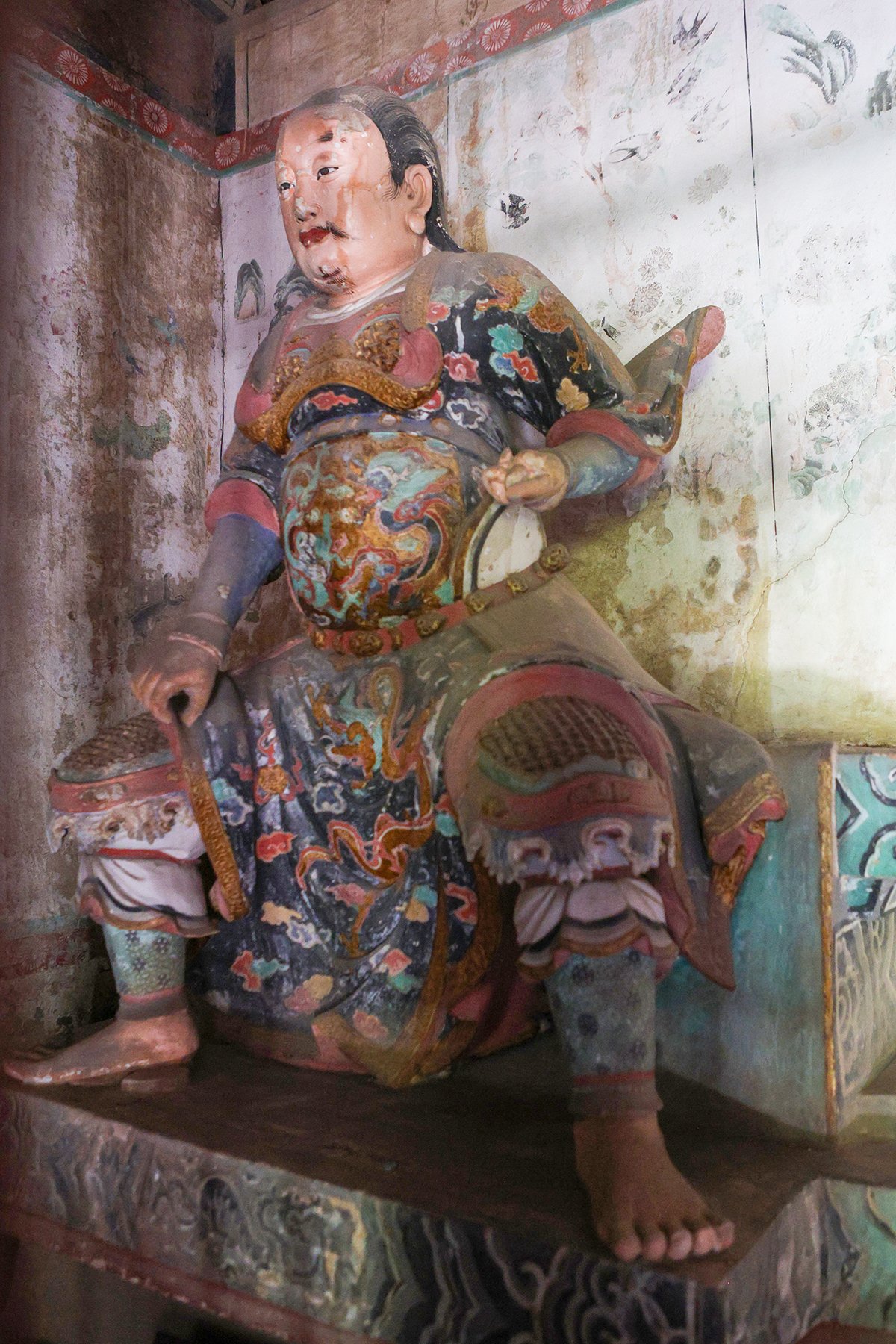
Which means the thing in the game is neither a photograph nor a reconstruction. It is a new building made from a real building’s surfaces. The bracket sets are the right bracket sets. The proportions, the scale, the neighbours, the light and the sequence of rooms are the game’s own invention, because a game has to be playable and a temple was not designed to be played in.
The practical consequence is worth stating plainly, because it is the thing that surprises people:
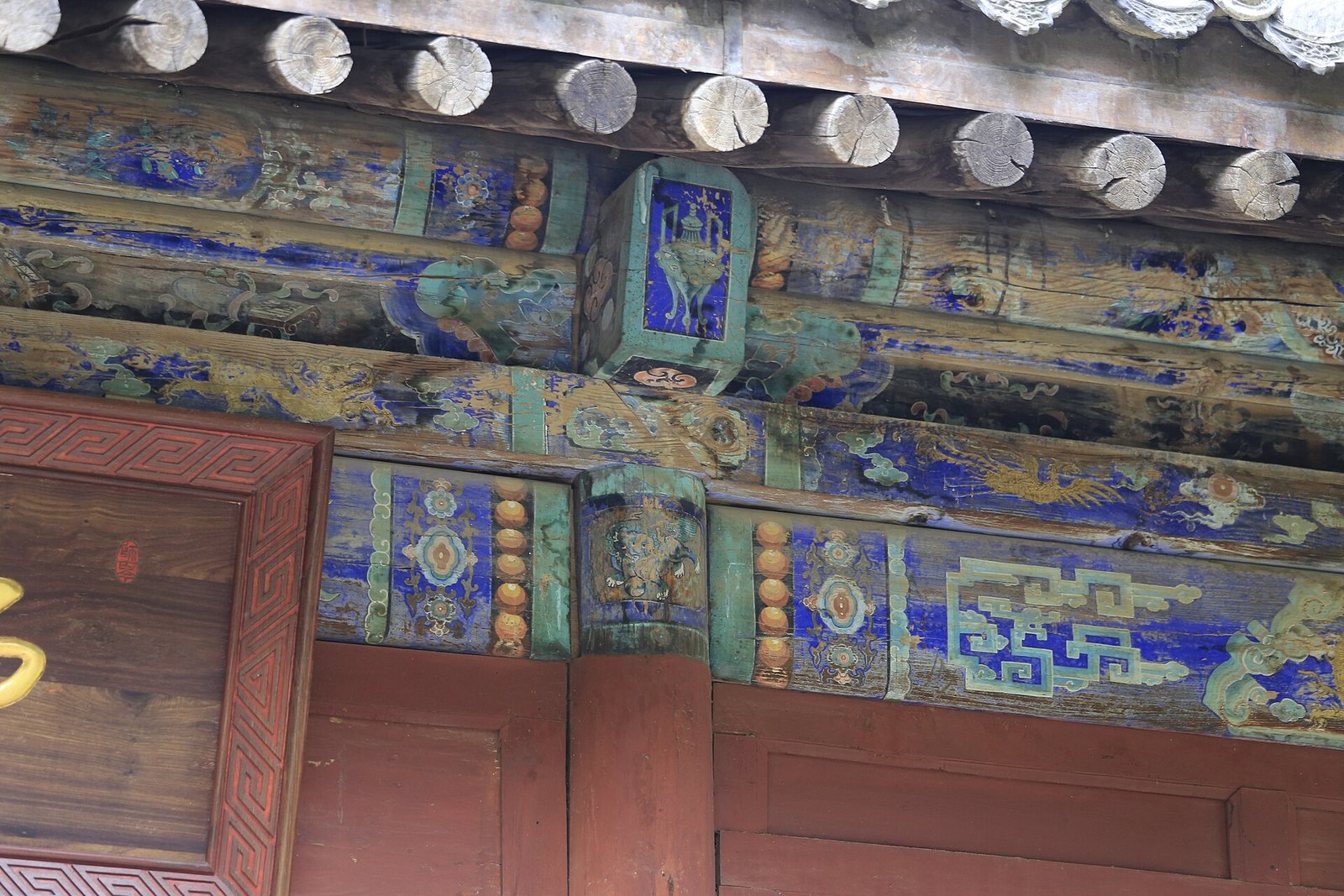
You will recognise surfaces, not buildings. A painted ceiling, a particular shade of green glaze on a roof ridge, the way a clay figure’s sleeve falls. You will not walk into a space you have already walked through, because the space you walked through does not exist. It was assembled.
The number 27 has no owner
Before you plan anything around the Black Myth Wukong locations, it is worth knowing where the number 27 comes from. The answer is: a news cycle, not a company.
The earliest Chinese coverage, on 21 August 2024, introduced the figures with four characters — “据不完全统计”, according to incomplete statistics. That hedge has been dropped by almost everyone who repeated it. Game Science has never published a list of scanned sites. There is no official document to check the 27 against.
Four things then went wrong with the number, and all four are visible in public sources.
| Claim | Who said it | What contradicts it |
|---|---|---|
| 36 locations in China, 27 in Shanxi | Media aggregation, 21 Aug 2024, hedged as “incomplete statistics” | No primary source exists; the studio never published a list |
| “36 filming locations” | Shanxi provincial government English site, 23 Aug 2024 | The same article also calls the sites “inspirational sources” |
| The 27 span 9 prefecture-level cities | Shanxi provincial transport department, 23 Aug 2024 | The published list contains 8 cities. No ninth city is identifiable |
| 36 total | Widely repeated | Published out-of-province lists already run to 15 sites; 15 + 27 = 42 |
This is not a scandal and it does not make the trip a bad idea. We keep our own counts in the dataset behind this site, with the same caveat printed on it. The 27 names are consistent across sources and the temples are real. But the number is a finding aid, not an accounting. It is good enough to tell you where to look. It is not good enough to tell you that you have seen everything, or that any given count of days will cover it.
The official answer was three routes, not one
On 22 August 2024, at a digital tourism conference in Taiyuan, the Shanxi culture and tourism department launched a campaign called Follow Wukong through Shanxi. It did not publish one itinerary. It published three themed routes and one self-drive route.
The three themed routes are named for what is in them, not for geography:
| Official route | English reading | What it is actually for |
|---|---|---|
| 古建华章与彩塑满堂晋北线 | Timber masterpieces and halls full of painted sculpture — northern line | Liao and Jin timber, Yungang, the Hanging Temple, the wooden pagoda |
| 楼阁飞云与神仙洞天晋南线 | Towers in the clouds and Taoist heavens — southern line | Yuan murals, the great Guandi temple, the Stork Tower |
| 神奇上党与绝美造像晋东南线 | Shangdang and its sculpture — south-eastern line | The painted-sculpture halls: Yuhuang, Tiefo, Chongqing, Guanyin |
Three routes is not a marketing decision. It is a description of the province. Shanxi is a long north–south slab about 680 km from end to end, the high-speed rail spine runs down the middle through Taiyuan, and the south-eastern cities — Changzhi and Jincheng — sit on a different line that connects to Zhengzhou, not to the north–south spine. There is no loop. You go out and come back.
Which is why the campaign that the English internet reduced to “27 filming locations” was, in its original form, an argument that you should pick one region.
The official eight-day drive covers 12 of the 27
The self-drive route is the most concrete thing any official body has published about this game, and it is worth reading in full, because it is a confession. It is eight days. It is 1,410 km. And it stops at thirteen buildings, of which twelve are on the list of 27. The thirteenth, Qinglian Temple at Zezhou, is not on the list at all — the itinerary and the list were drawn up by different people, and nobody reconciled them.
| Day | Route | Distance | Sites from the 27 |
|---|---|---|---|
| 1 | Arrive Datong | — | — |
| 2 | Datong — Yungang Grottoes — Shanhua Temple — Datong | 50 km | 2 |
| 3 | Datong — Hanging Temple — Yingxian Wooden Pagoda — Shuozhou | 240 km | 2 |
| 4 | Shuozhou — Foguang Temple, Mount Wutai — Taiyuan | 350 km | 1 |
| 5 | Taiyuan — Shanxi Museum — Pingyao | 110 km | 0 |
| 6 | Pingyao — Zhenguo Temple — Shuanglin Temple — Xiaoxitian — Linfen | 310 km | 3 |
| 7 | Linfen — Fusheng Temple — Erxian Temple — Jincheng | 300 km | 2 |
| 8 | Jincheng — Qinglian Temple — Yuhuang Temple — Tiefo Temple — Jincheng | 50 km | 2 |
| Total | 8 days, 7 driving days | 1,410 km | 13 stops, 12 of 27 |
Two things fall out of that table. First, 15 of the 27 are not on the official route at all — including three of the six Datong sites, five of the six Xinzhou sites, and the whole Yuncheng group. Second, the biggest single day is not a temple day: it is 350 km of motorway from Shuozhou to Taiyuan with one temple in the middle of it.
If you have read that the game has 27 locations and assumed there is a 27-stop itinerary, this is the correction. There is not. The province itself could not build one in eight days.
Two halls, 241.6 square metres
Now the thing that decides whether you enjoy this trip, and the one number that no Black Myth Wukong locations list prints.
Ask people what they remember from the game and they describe scale: a snowfield, a cliff, a temple complex you fight your way up through for an hour. Ask what is actually at the two most photographed sites, and the numbers are these.
| Hall | Where | Floor area | Figures inside | People allowed in at once |
|---|---|---|---|---|
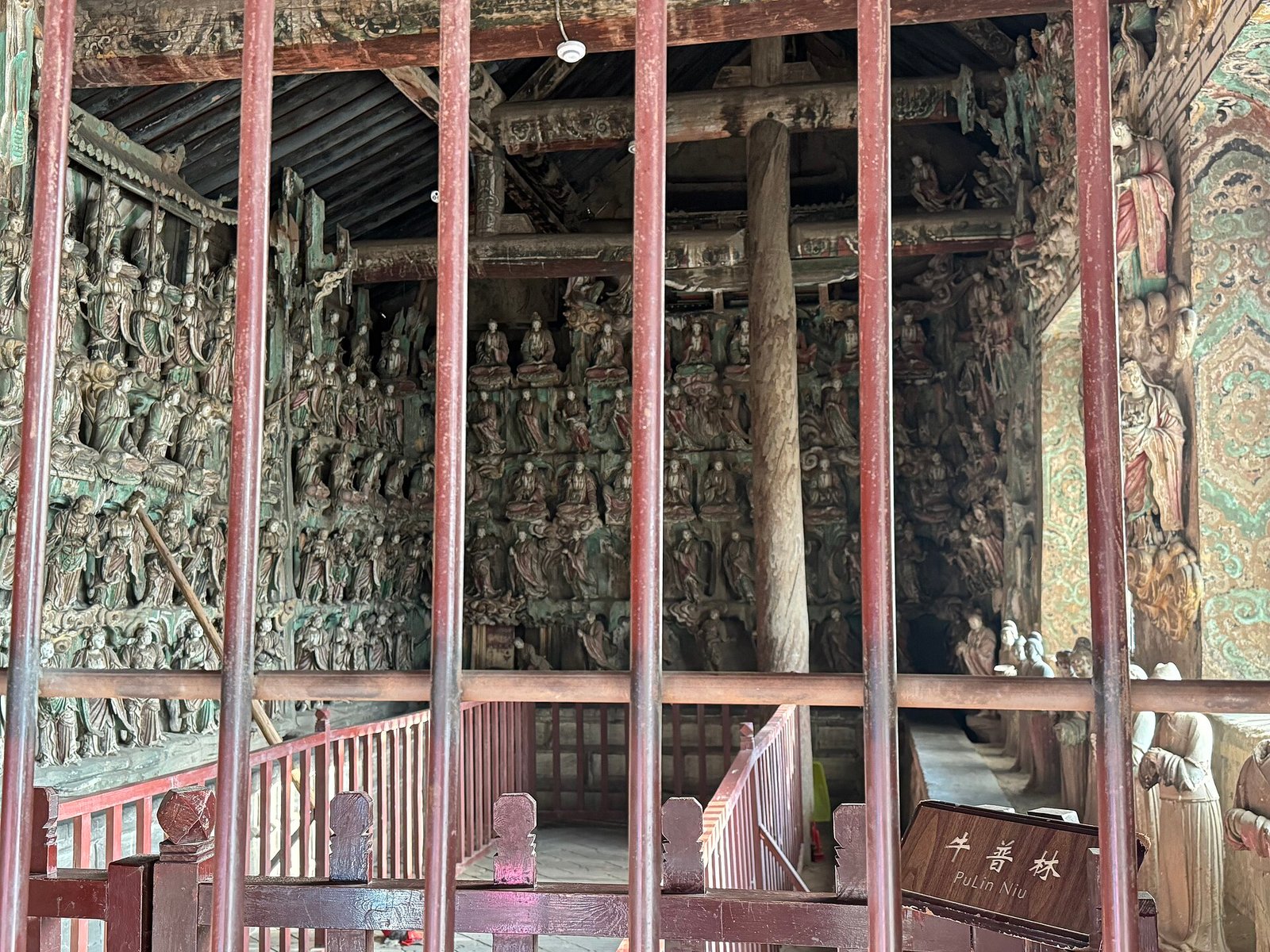
| Xiaoxitian, Mahavira Hall 小西天大雄宝殿 | Xi County, Linfen | 169.6 m² | Nearly 2,000 painted clay figures, largest 3 m, smallest thumb-sized | About 40 |
| Tiefo Temple, Buddha Hall 铁佛寺佛殿 | Gaoping, Jincheng | 72 m² | 28 figures, including the Twenty-Four Protective Deities | 10 or fewer |
| Both | — | 241.6 m² | — | — |
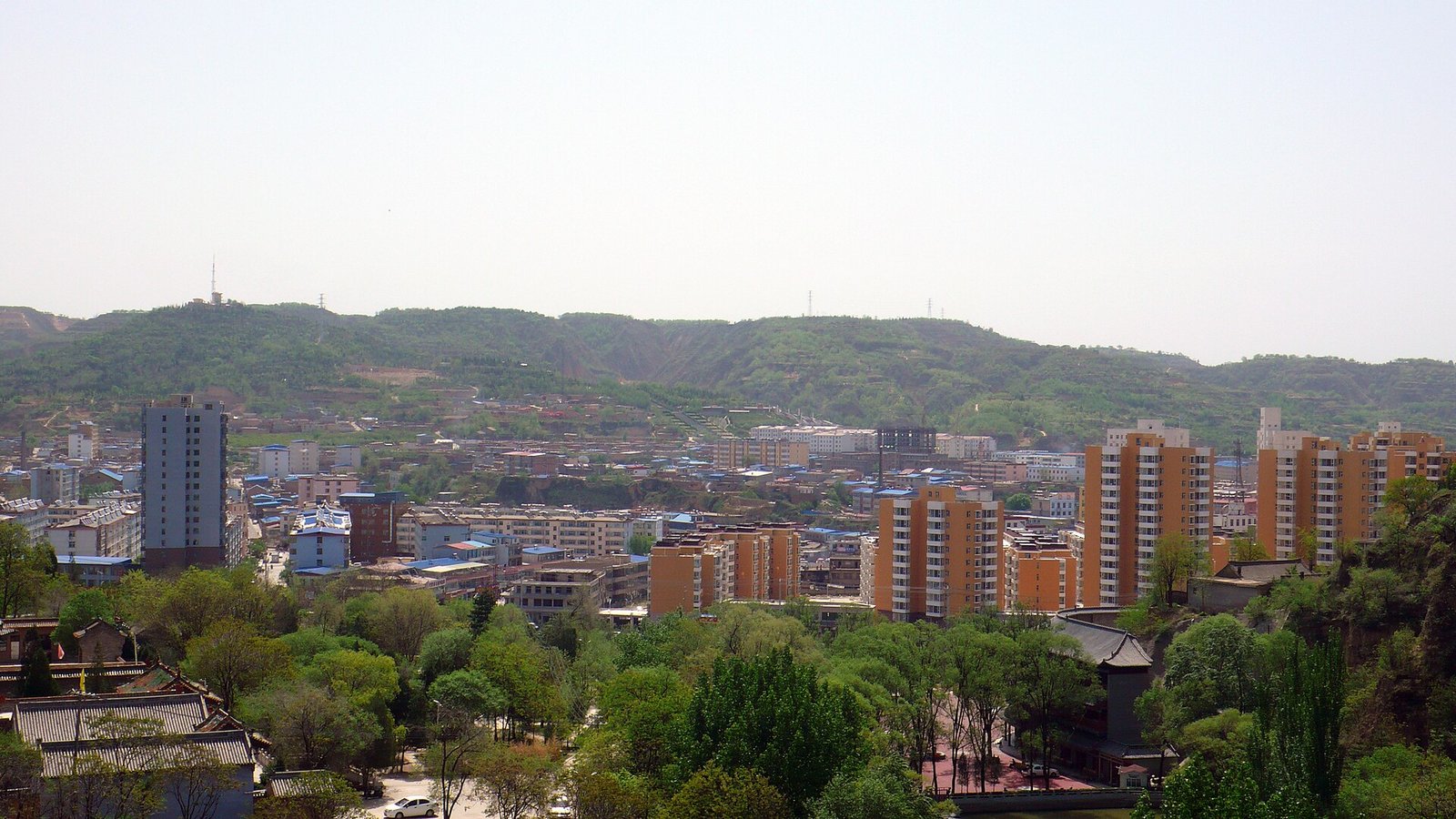
A doubles tennis court is 23.77 by 10.97 metres: 260.9 m². The two most famous interiors in Black Myth: Wukong, added together, are smaller than one tennis court.
And the game’s third chapter is named after the smaller half of that pair. It is called Xiaoxitian. In the game it is a region: a snow ridge, a frozen lake, a prison pagoda, a sea of suffering, a valley, a forest of steles. In Shanxi it is a nunnery on a hill outside a county town, and its famous room is 169.6 square metres.
The scale test. For any place you have seen in a game or an animated film, look up two numbers before you book: the floor area of the actual room, and the share of the work that the place occupies. The ratio between them is roughly how much smaller the real thing will feel. Here the work is a chapter and the room is 169.6 m² — which is why almost everyone who arrives says the same thing, in the same words, and means it as praise: it is much smaller than I expected, and it is much better than I expected.
Xiaoxitian: 169.6 square metres, nearly 2,000 figures
The temple’s proper name is Qianfo An, the Thousand Buddha Nunnery. It sits on Fenghuang Hill outside Xixian, a county in Linfen at the southern end of the province. It was founded in the Ming, in 1629, by a monk called Dongming. It is a national protected site, which in China is not an honour so much as a set of restrictions.
The Mahavira Hall is 169.6 square metres. Inside it are nearly two thousand painted clay figures, arranged in tiers that climb the walls and hang from the ceiling — a technique called xuansu, suspended sculpture, in which the figures are anchored to the wall and cantilevered out into the air so that they appear to float. The largest is about three metres. The smallest is the size of your thumb. Chinese sources call the result the last word in suspended sculpture, and for once the phrase is not inflated: there is nothing else like it at this density.
Nearly two thousand figures in 169.6 square metres is roughly eleven figures per square metre. That is not a hall you walk around. It is a room you are admitted to, and the ceiling is where the argument is. The fire extinguishers bolted to the front columns are not decoration either — they are part of why the hall now admits about forty people at a time.
The practical consequence is the queue, which is the next section, and the reason the county had to invent a reservation system in a fortnight.
The day 17,626 people queued for two minutes
On 2 October 2024, during the National Day holiday, Xiaoxitian received 17,626 visitors in one day. Before the game, the daily average was around a hundred. That is a multiple of about 170.
It went badly, and then it went better, and the numbers tell you why.
| Measure | Figure |
|---|---|
| Visitors on 2 October 2024 | 17,626 |
| Pre-game daily average | About 100 |
| Resident population of Xixian county | About 90,000 |
| Visitors in the whole of 2023 | 134,400 |
| Visitors in the whole of 2025 | 1,506,800 |
| Hall capacity at any one moment | About 40 people |
| Typical experience that week | About 3 hours of queueing, about 2 minutes inside |
The arithmetic is not subtle. 17,626 people through a room that holds 40 at a time is 441 batches. At two minutes a batch, that is nearly fifteen hours of admitting people, in a hall that closes at dusk and that the county’s own notices say is best seen before 5pm because the light goes. There is no schedule in the world that makes that pleasant. The queue was not a management failure; it was arithmetic.
Since then the site has moved to timed, batched entry with advance booking, and the county has built an entire visitor economy around a room the size of a large living room. In 2025 it received 1.5 million visitors — more than eleven times its 2023 total, in a county of 90,000. Whatever else is true, this is the most complete example in China of a video game rewriting a local economy.
If you are going: book ahead, go early, and go on a weekday. Autumn afternoons are short and the hall needs light. Do not plan anything else for the same morning — the queue is the morning. And set your expectation on duration, not on quality: two minutes in that room is genuinely enough, because there is nothing to walk to. You stand, you look up, you leave.
Tiefo Temple: the temple that had never been open
Xiaoxitian was overwhelmed because it was famous and small. Tiefo Temple in Gaoping was overwhelmed for a different reason: it had never been open at all.
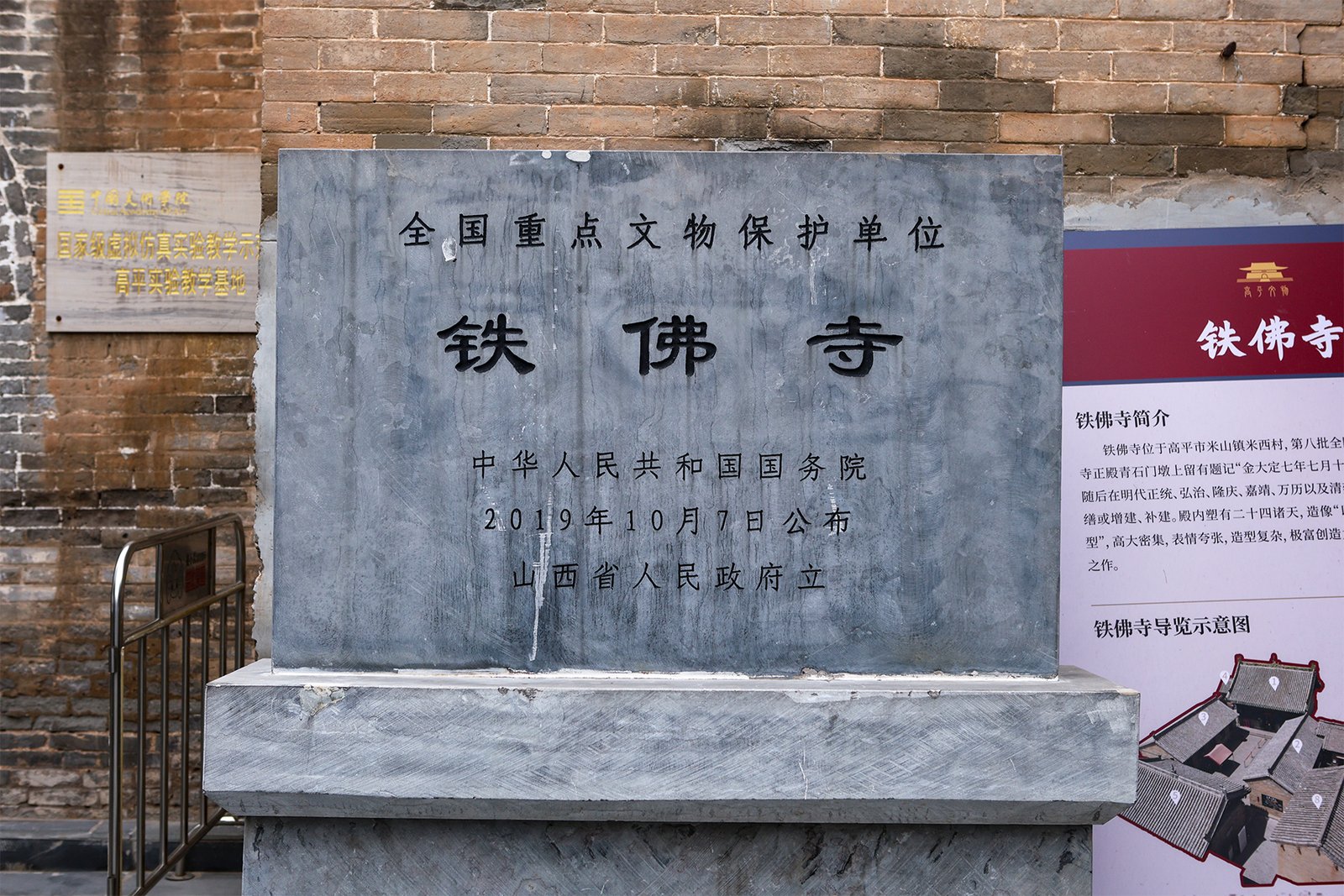
It sits at the end of an alley in Mixi village, Mishan town, in the county-level city of Gaoping — Jincheng’s industrial satellite, a place built on coal and, more recently, on the archaeology of its own small temples. The buildings you see are Ming and Qing. The name comes from a single event: in 1167, during the Jin, an iron Buddha was installed and the temple took its name from it. It became a nationally protected site only on 7 October 2019 — five years before the game arrived.
For most of that time it was shut. Not “closed to tourists” in the way a site closes for renovation, but closed in the way a store room is closed: researchers wrote about it, locals had never been inside, and the sculptures were known from a small number of published photographs. When the game launched and the province published its routes, Tiefo Temple was on them — and people who tried to visit discovered that the route listed a building that did not admit visitors.
They complained. And then this happened.
| Date | Event |
|---|---|
| 20 Aug 2024 | Game released. Tiefo Temple is named in the media’s list of 27 |
| 22 Aug 2024 | Province launches three routes; the self-drive route includes Tiefo Temple on day 8 |
| Shortly after | Visitors point out that the temple is not open |
| 24 Aug 2024 | Gaoping’s cultural relics bureau issues a notice: limited opening. Online booking, free admission, timed entry, flow control, maximum 500 bookings per day |
| Later | The hall is run at ten people or fewer at a time |
Four days from launch to a reservation system. That is the speed at which a video game can change the operating rules of a 500-year-old building.
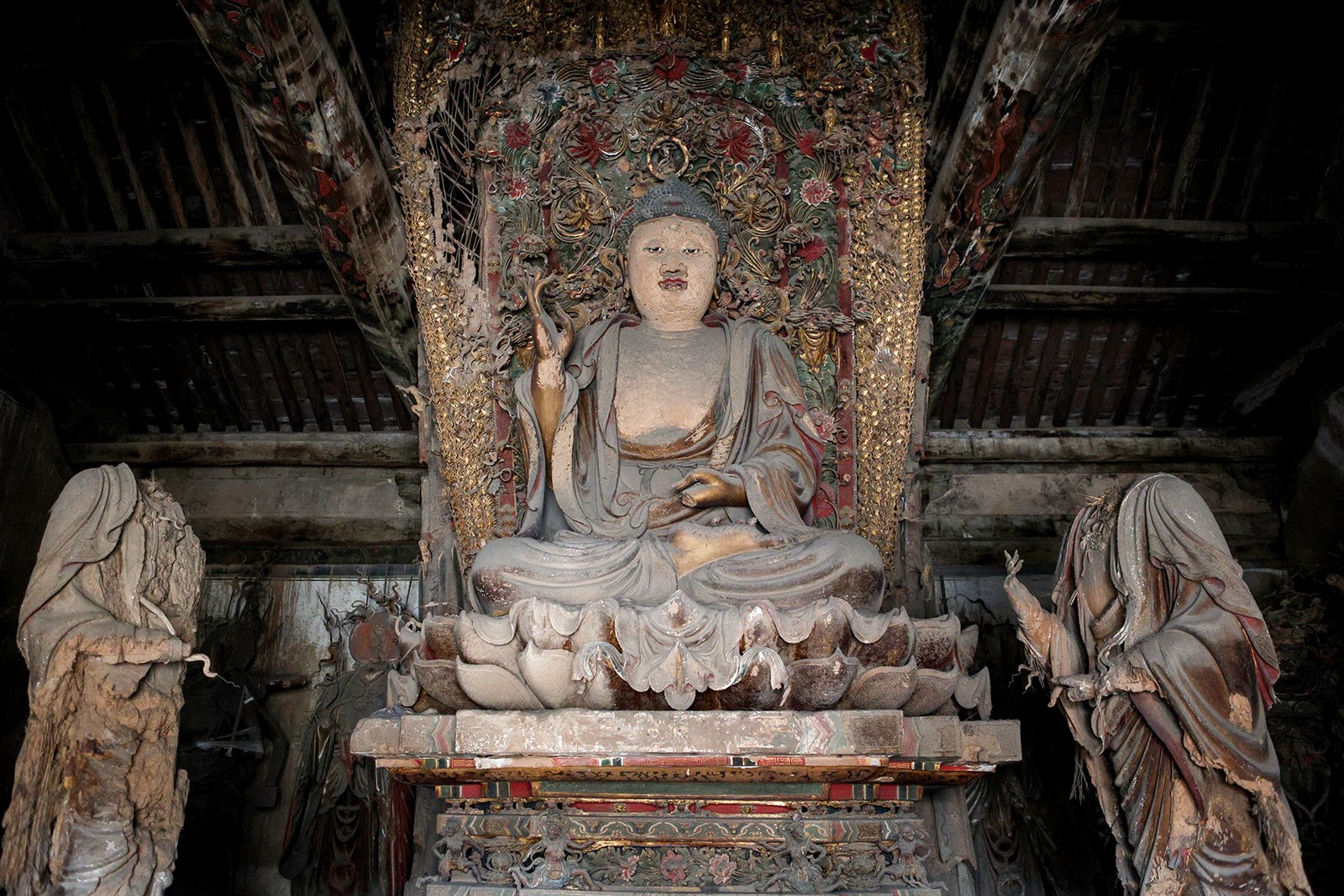
What is inside is why the rules exist. The Buddha hall is 72 square metres. Around its walls stand the Twenty-Four Protective Deities — twenty-four figures, plus the four bodhisattvas and the central Buddha, twenty-eight in all — modelled in clay over a timber frame, with the drapery cut so sharply that the figures appear to be turning. It is one of the densest sculpture ensembles in China, and it is in a room the size of a small flat.
The thing nobody tells you before you book: at Tiefo Temple you are not visiting a temple, you are being admitted to a room. Ten people, a fixed number of minutes, no photography with flash, and a guard at the door counting. The same is true, at slightly larger scale, at Xiaoxitian. Plan the day around the appointment, not the other way round.
Yuhuang Temple: where the game’s most famous boss comes from
Fucheng Yuhuang Temple stands on a low ridge north of Fucheng village, in Zezhou county, about 13 km north-east of central Jincheng. It was founded in 1076, in the ninth year of the Xining era of the Northern Song.
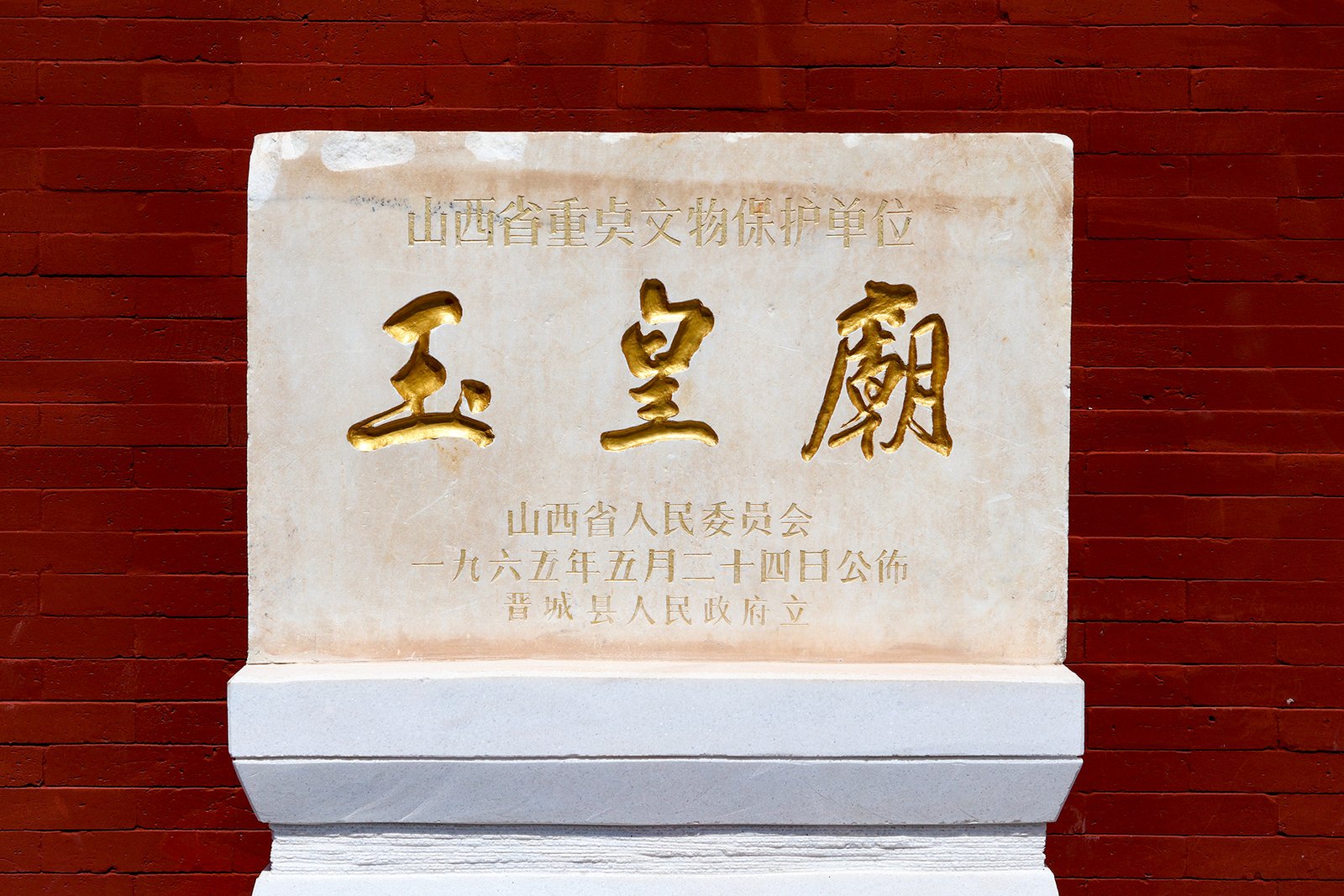
Its Jade Emperor Hall holds a set of Song dynasty celestial figures. But the reason anyone goes is the hall beside it: twenty-eight figures, one for each of the lunar mansions — the xiu, the stations the moon passes through in a month — each rendered as a seated deity with an animal attribute, and each given a face and a posture that no other surviving set in China has. Art historians describe them as the only complete group of their kind, and as evidence of how Chinese sculpture absorbed central Asian astronomy and then made it local.
The source material is older than the game by four centuries, and the 1986 television Journey to the West sent a generation of viewers to real mountains — Wuyishan and Zhangjiajie both still trade on it. Two of the figures here are the reason the game exists in the form it does. Kang Jinlong, the golden dragon of the Kang mansion, and Lou Jingou, the golden dog of the Lou mansion, are the designs behind two of the game’s characters. If you have fought Kang Jinlong, you have fought a Song dynasty sculpture from a village outside Jincheng.
Look at the faces, not the labels. The twenty-eight are usually photographed as a row. Walk along them and look at the hands and the mouths instead: the carvers gave each one a different expression, and the set reads as a group of individuals rather than a pantheon. This is the thing that made them usable as character designs, and it is the thing a photograph flattens.
The chapter is named after one city and staffed by another
Here is the single most useful fact on this page for anyone trying to follow the game on the ground.
The game’s third chapter is called Xiaoxitian. In the game it is a region: a snow ridge, a frozen lake, a prison pagoda, a sea of suffering, a valley, a forest of steles, a temple at the top. The name comes from the nunnery in Xi County, Linfen — 169.6 square metres, in the far south-west of the province.
And the boss you fight in that chapter, at the frozen lake, is Kang Jinlong — whose design comes from Yuhuang Temple in Jincheng, about 300 km east, in a different prefecture.
| What the game gives you | Where it points | Prefecture | Distance from the other thing |
|---|---|---|---|
| Chapter 3, “Xiaoxitian” | Xiaoxitian, Xi County | Linfen | About 300 km |
| The chapter’s signature boss, Kang Jinlong | Yuhuang Temple, Zezhou | Jincheng |
So the name of the chapter and the origin of its most famous character are in two different cities, and following the chapter name will not take you to the boss. This is not a mistake in the game — it is what assembling a world from a library of scanned parts looks like. The parts come from wherever the parts were.
It is also the reason a “follow the game” itinerary is not really a route through the game. It is a route through a catalogue, and the catalogue was assembled by art-historical importance, not by narrative geography.
Three temples called Tiefo
This one will cost you a day if you get it wrong.
Shanxi has at least three nationally protected temples called Tiefo — Iron Buddha Temple. Two of them appear on the list of 27. They are about 300 km apart, in different prefectures, and in English they are all just Tiefo Temple.
| Chinese | Where | What it is | On the list of 27? |
|---|---|---|---|
| 高平铁佛寺 | Gaoping, Jincheng | The famous one. Twenty-Four Protective Deities, 72 m², opened August 2024, 500 bookings a day | Yes |
| 尧都铁佛寺 (also 大云寺, Dayun Temple) | Yaodu district, Linfen | A city temple on Gulou South Road, next to Shanxi Normal University, with a tall brick pagoda | Yes |
| 灵石铁佛寺 | Lingshi county, Jinzhong | Another protected site of the same name | No |
Both of the first two are on the 27. So a list that says “Tiefo Temple” is ambiguous even when the list is correct. When you book, book by city.
Same problem, three more times. Nanshan Temple in English most often means the one in Sanya, Hainan — not the one on Mount Wutai that is on this list. Youguo Temple in English is a temple in Kaifeng, Henan. Yuhuang Temple is a name shared by dozens of temples, and Wikimedia Commons holds photographs of at least three different ones taken in 2025 alone. Always add the county.
Thirteen of the 27 have no English Wikipedia article
We checked all 27 Black Myth Wukong locations against English Wikipedia, including variant spellings, on 18 October 2026. The result is the clearest measure of how thin the English-language record is.
| Status | Count | Which |
|---|---|---|
| Has a dedicated English article that resolves to the right building | 14 | Yungang Grottoes, Huayan Temple, Shanhua Temple, Hanging Temple, Yingxian Wooden Pagoda, Foguang Temple, Nanchan Temple, Jinge Temple, Huiji Temple (Yuanping), Zhenguo Temple, Shuanglin Temple, Guangsheng Temple, Stork Tower, Haizhou Emperor Guan Temple |
| No usable article | 13 | Yong’an Temple (Hunyuan), Jueshan Temple, Chongfu Temple, Nanshan Temple (Wutai), Youguo Temple, Xiaoxitian, Guanyin Hall (Changzhi), Chongqing Temple, Yuhuang Temple, Tiefo Temple (Yaodu), Tiefo Temple (Gaoping), Xixi Erxian Temple, Fusheng Temple |
Two of the thirteen are worse than missing. Nanshan Temple resolves to a disambiguation page that lists Sanya and Zhangzhou and does not mention Mount Wutai at all. Youguo Temple resolves to a temple in Kaifeng, Henan — a different building, 700 km away. A reader following the English record is not simply under-informed; on two of these, they are actively misdirected.
And the three most important names on the whole list — Xiaoxitian, Yuhuang Temple, Tiefo Temple — are all in the thirteen. The places that made the game look the way it looks are the places English has not written down.
Three clusters, not one route
Map the Black Myth Wukong locations and a shape appears. They are not scattered across Shanxi. They sit in three groups, and the gaps between the groups are the reason the province published three routes.
| Cluster | Cities | Sites | What it is about | Railhead |
|---|---|---|---|---|
| North | Datong, Shuozhou | 8 | Liao and Jin timber, Northern Wei cave temples, one cliff monastery, one wooden pagoda | Datong South (high-speed from Beijing, under 2 h) |
| Centre | Xinzhou, Jinzhong | 8 | China’s two oldest timber halls, Mount Wutai, and the two temples that share Pingyao’s World Heritage listing | Taiyuan South, then Pingyao |
| South | Linfen, Changzhi, Jincheng, Yuncheng | 11 | The painted-sculpture halls, the Yuan murals, the great Guandi temple | Linfen West / Jincheng East / Yuncheng North |
The three clusters do not form a loop. North and centre connect through Taiyuan. South connects to the centre by a long motorway run and to the outside world through Zhengzhou, on a different high-speed line. If you try to do all three in one trip you will spend a third of it travelling, which is exactly what the official eight-day route does. For the rest of the province, see Shanxi on our China by region hub.
North: Datong and Shuozhou
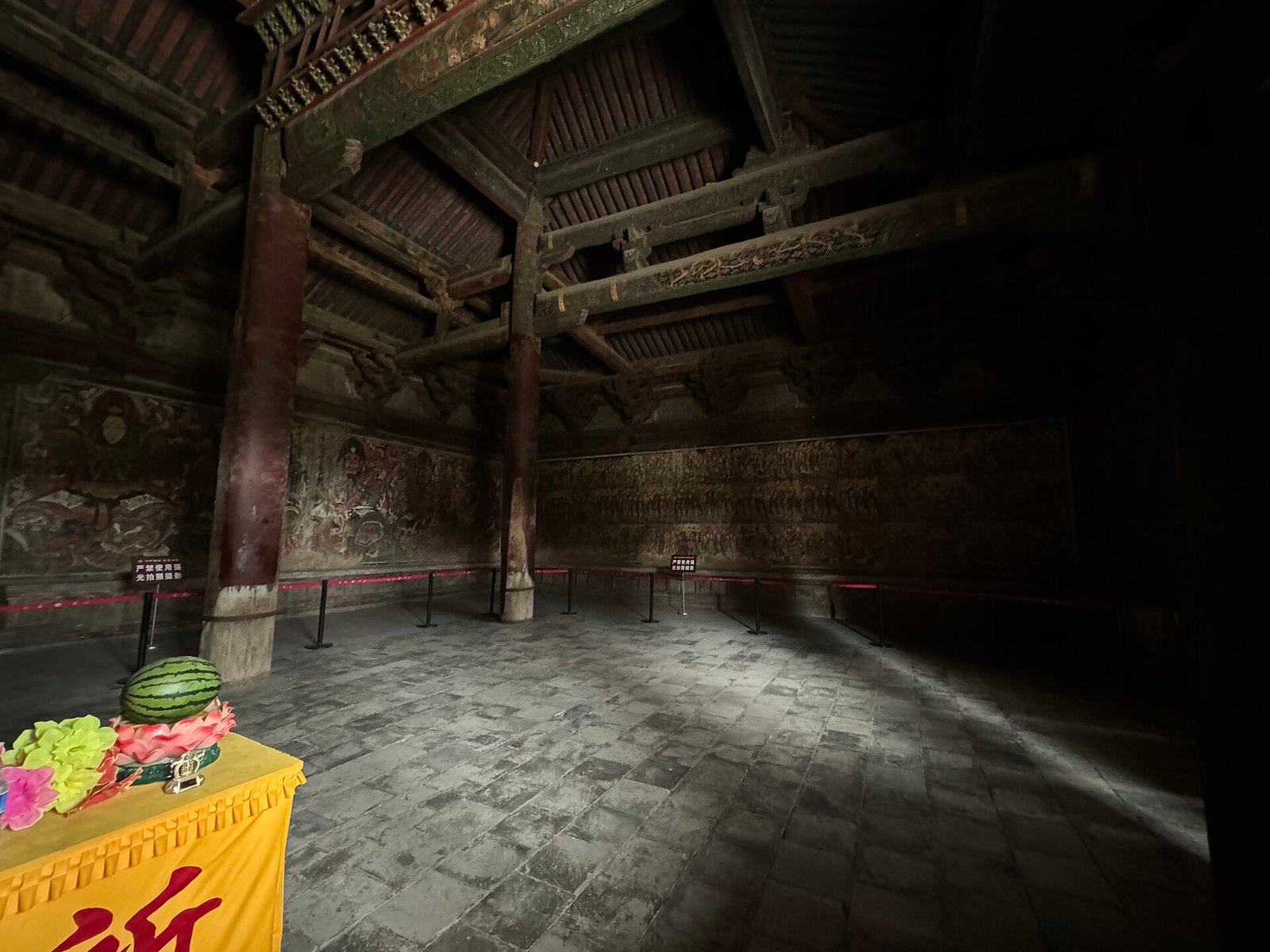
Eight of the 27, and the easiest group to do well, because Datong is two hours from Beijing by high-speed rail and the sites are close together. Our Datong filming locations guide covers the film side of the same city, and its six scanned sites section covers the game.
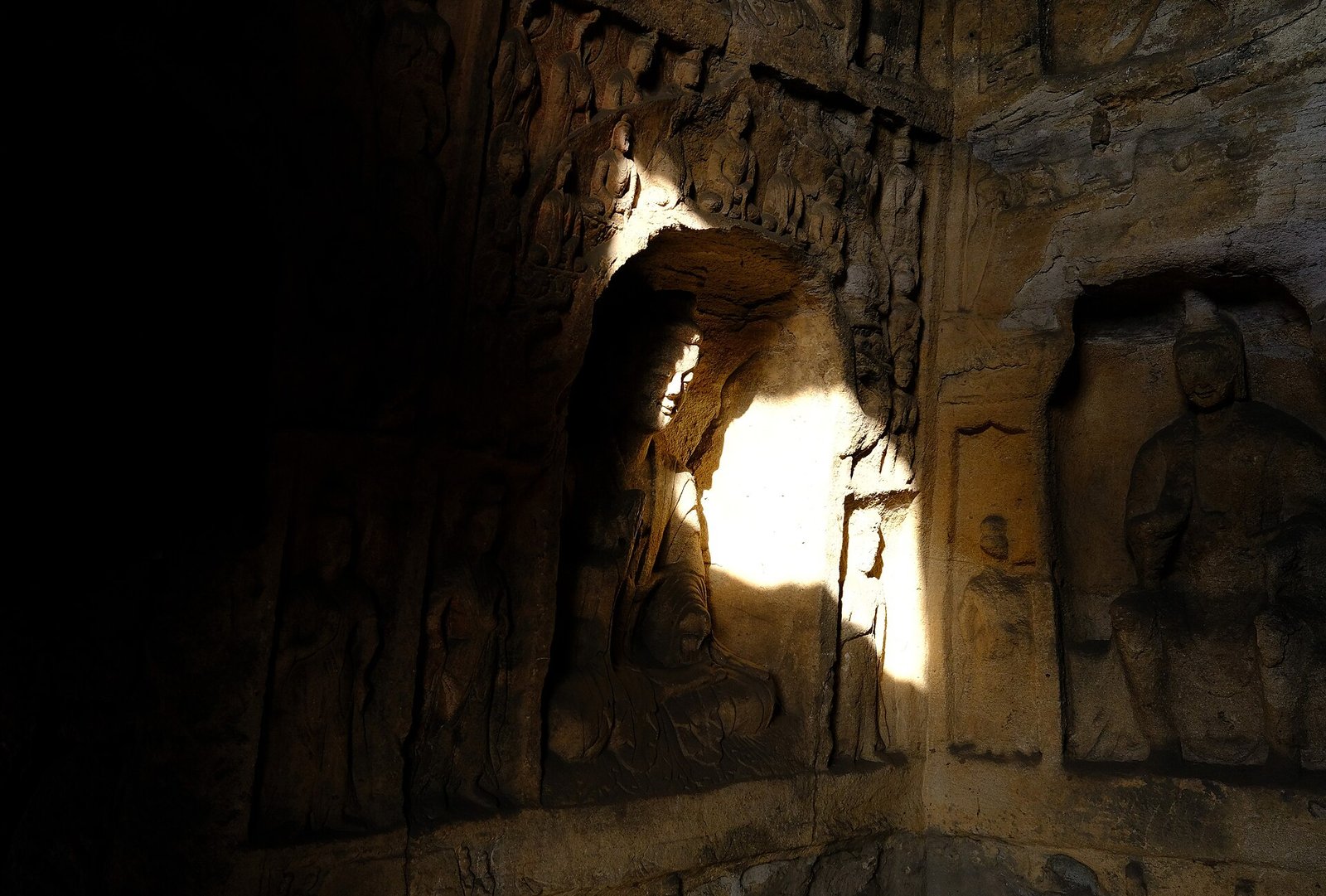
Yungang Grottoes are the reason to come. Carved between 453 and 495 under the Northern Wei, with 51 main caves and more than 51,000 figures, they are one of the three great Buddhist cave complexes in China. The largest Buddha is 17 metres; the smallest is two centimetres. This is the one site in the 27 where the scale in the game is not an exaggeration, because the real thing is already enormous.
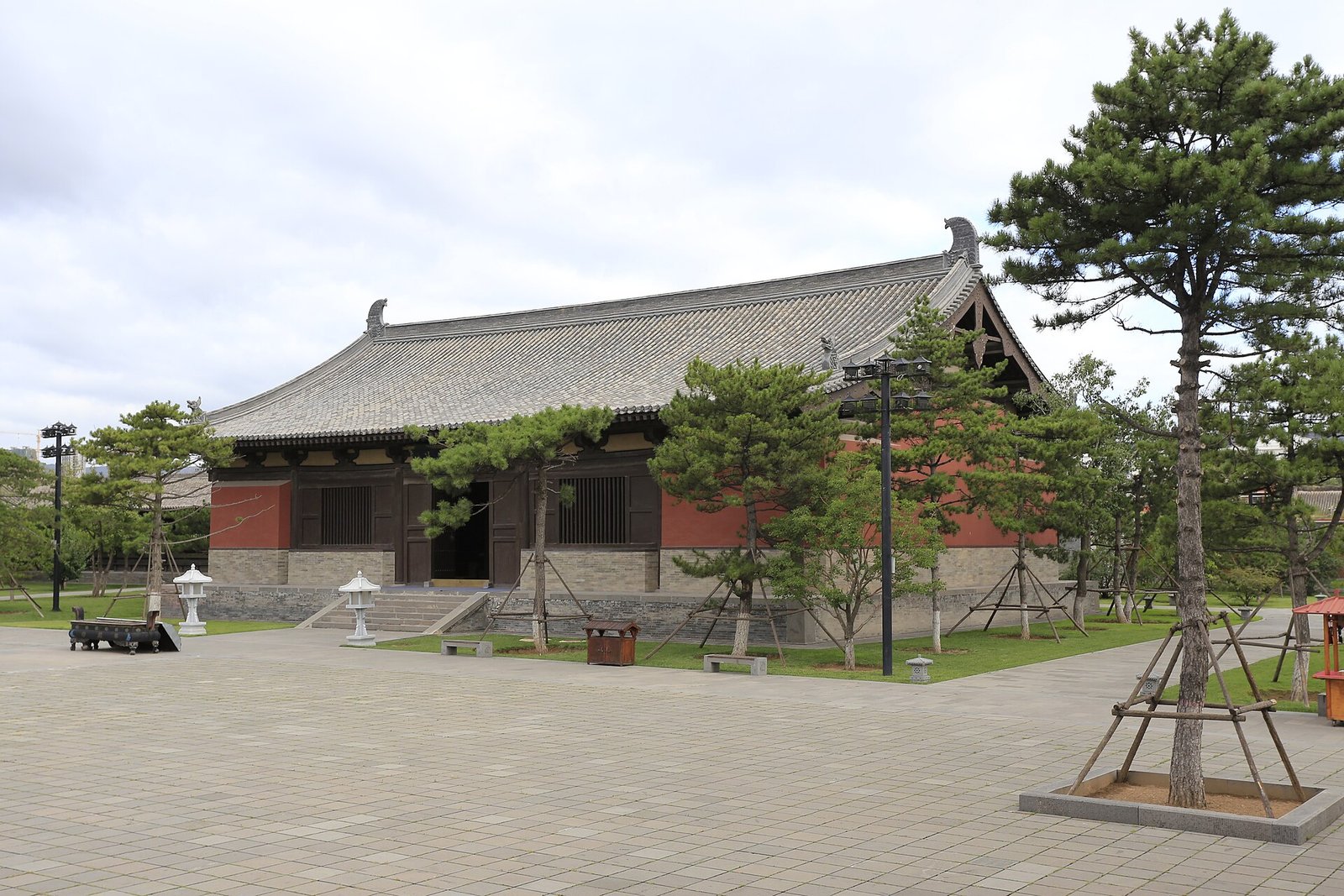
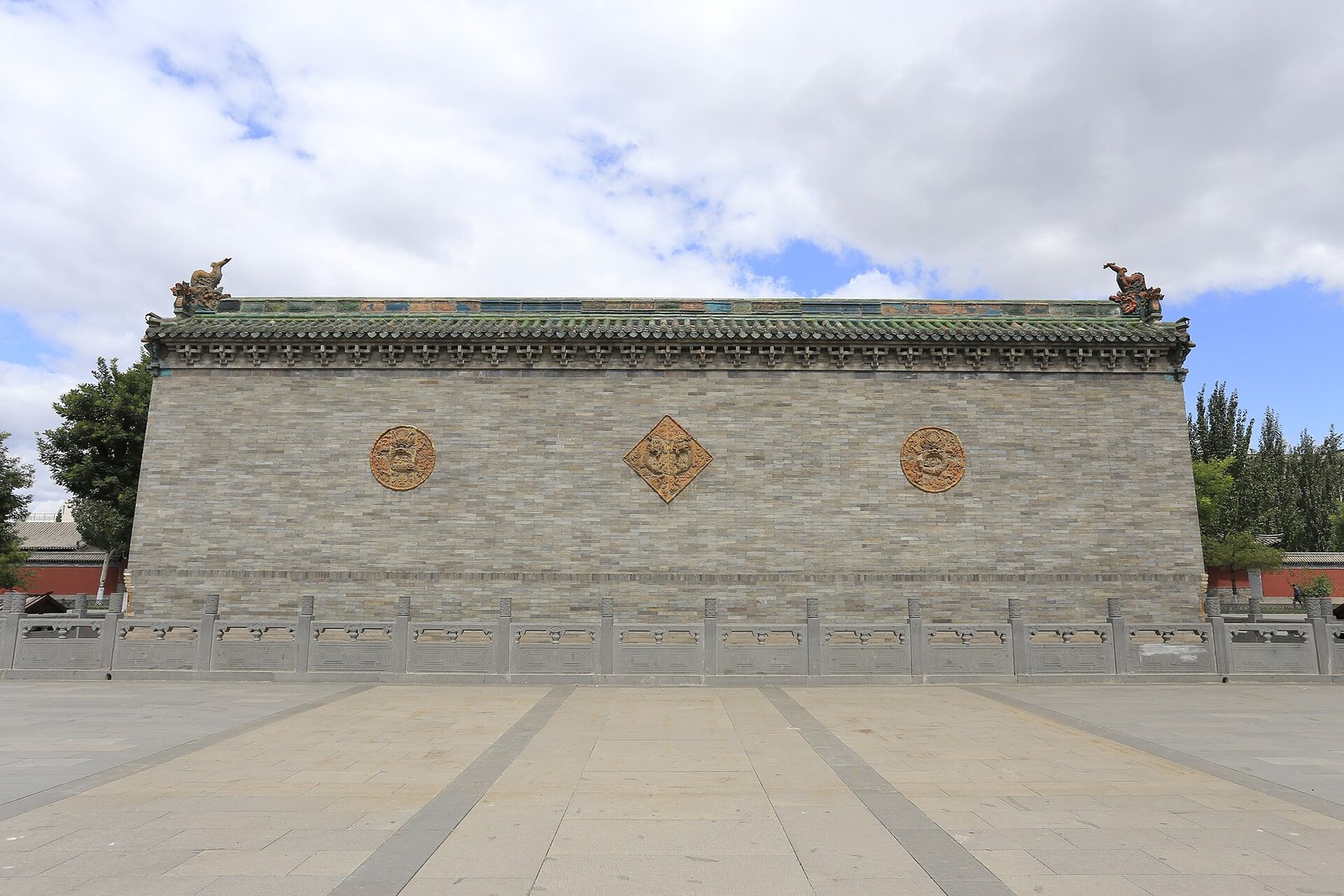
Huayan Temple holds a Liao library hall and a Jin main hall, and is one of only three surviving Liao temple complexes in China. Shanhua Temple has one Liao hall and three Jin ones, and was in the first batch of national protected sites in 1961.
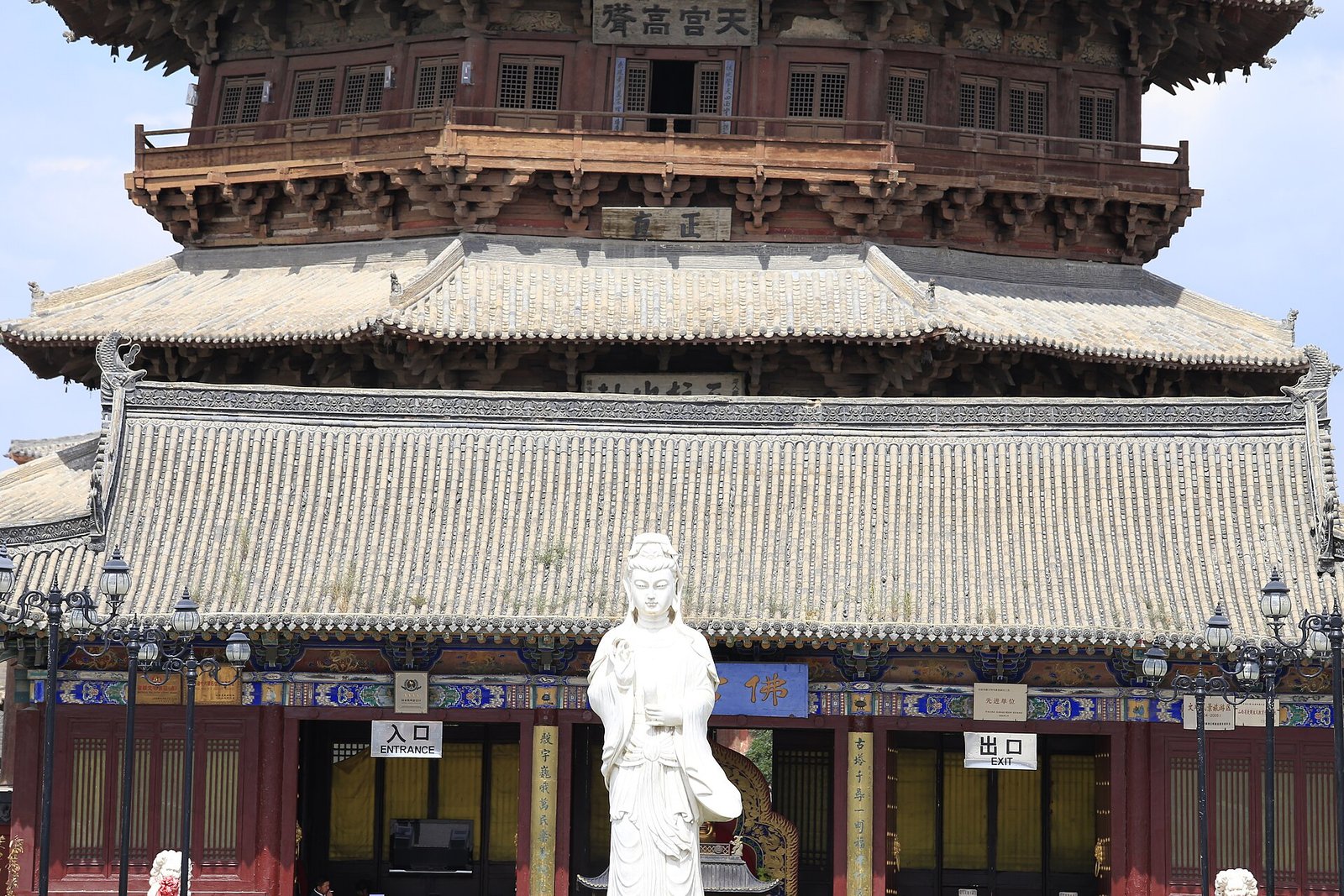
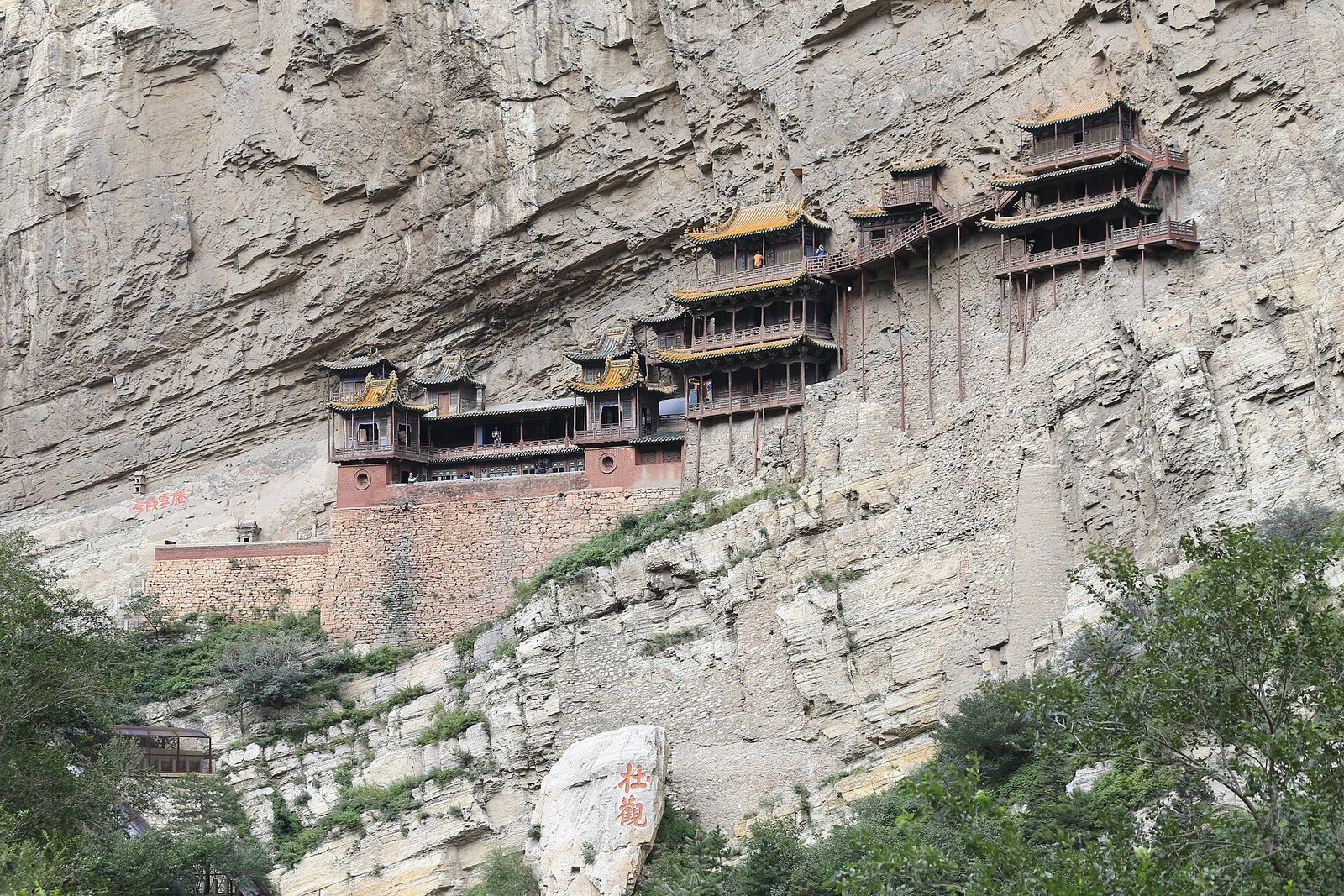
The Hanging Temple at Mount Heng is the photograph everyone knows: forty rooms on a cliff, held by 27 timber beams driven into the rock. One honest note that most pages skip — the monastery was founded in the Northern Wei, but every building you see is a Ming or Qing rebuild. “1,500 years old” describes the site, not the carpentry.
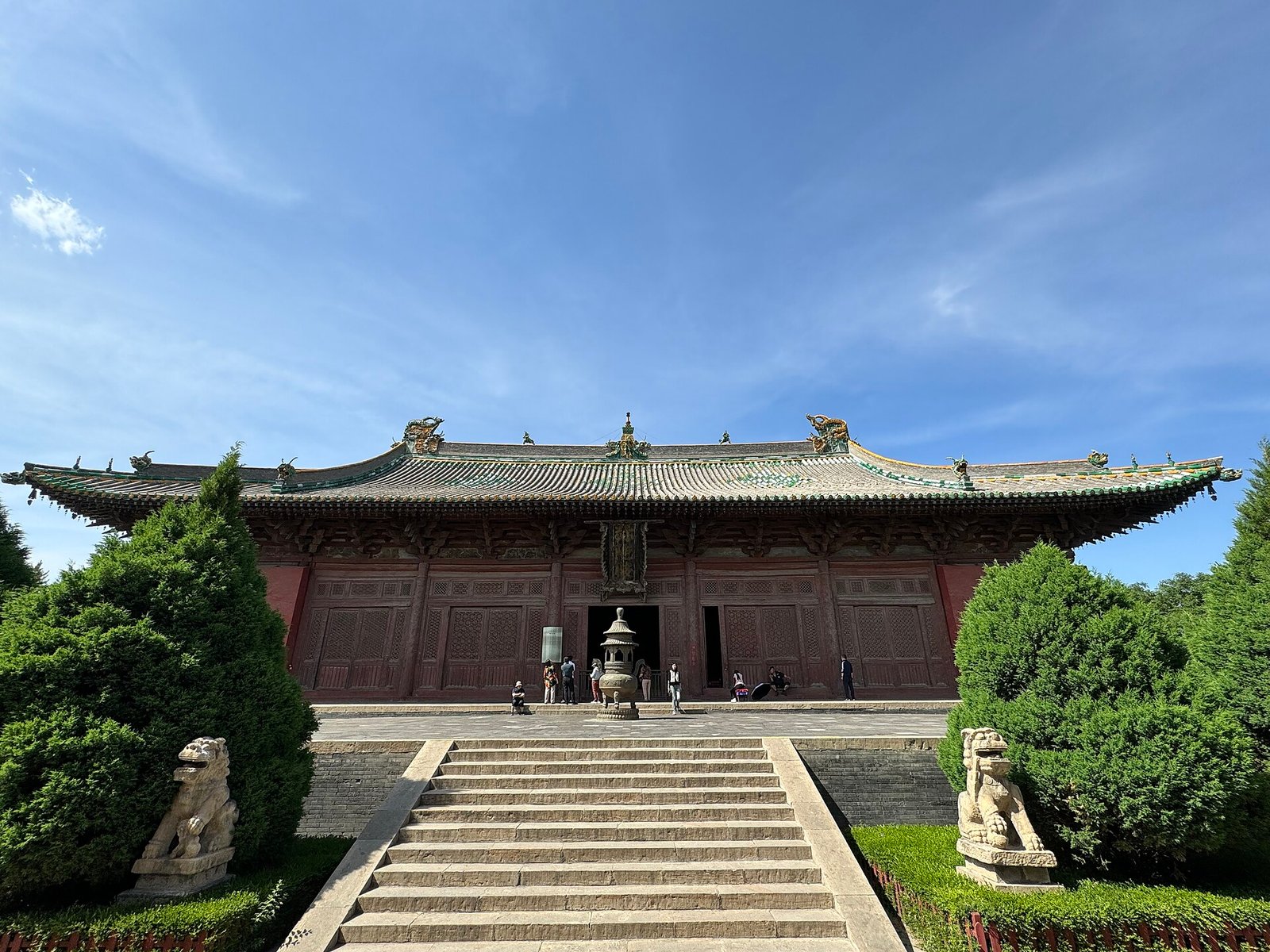
Taiyuan, on the same rail line, is the other Shanxi stop most itineraries cut; its Song dynasty hall and the 2023 film that made it famous are covered in the Taiyuan guide. In Shuozhou, the Yingxian Wooden Pagoda is the oldest and tallest surviving timber pagoda in the world: 67.31 metres, built in 1056, with 54 distinct types of bracket set, and it has absorbed earthquakes, artillery in 1926 and a direct hit in 1948 without falling. Chongfu Temple in Shuozhou city has a Jin Amitabha Hall with a 1184 plaque still over the door.
Centre: Xinzhou and Jinzhong
Eight more, and this is where the architecture matters most.
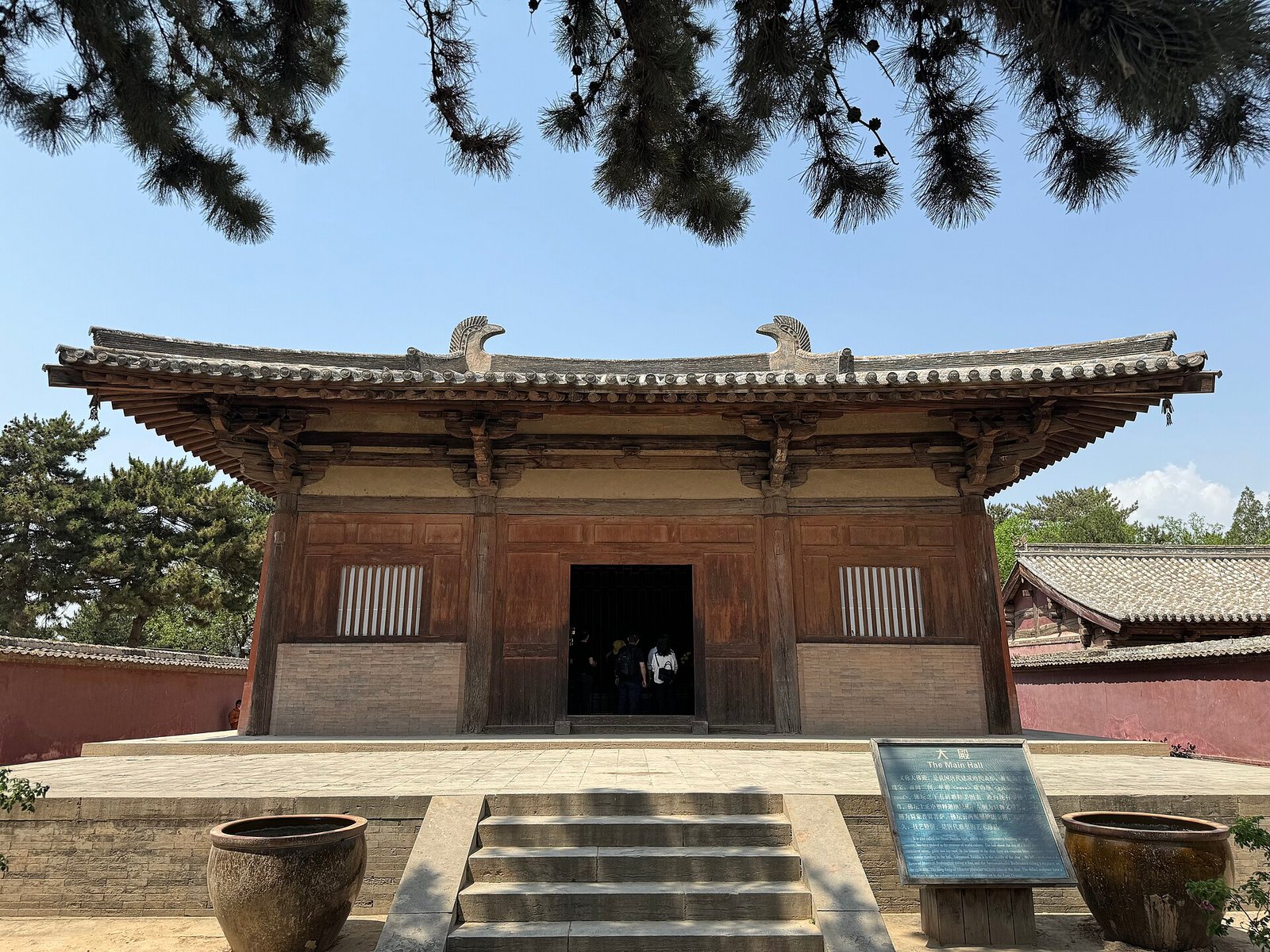
Nanchan Temple, on Mount Wutai, has the Great Buddha Hall of 782 — the oldest surviving timber building in China, and it holds seventeen original Tang sculptures. Foguang Temple, a few kilometres away, has the East Hall of 857, the third oldest, and it is the building Liang Sicheng called China’s first national treasure when he identified it in 1937: Tang timber, Tang sculpture, Tang murals and Tang inscriptions in one hall.
Mount Wutai contributes four more — Jinge Temple, Nanshan Temple, Youguo Temple and, at Yuanping, Huiji Temple. This is the group with the weakest English record: two of the four have no usable article, and one of those resolves to a temple in a different province.
In Jinzhong, Zhenguo Temple’s Wanfo Hall dates to 963, in the Northern Han, and holds some of the only surviving tenth-century sculpture in China. Shuanglin Temple holds about 2,052 painted clay figures across ten halls and is called the gallery of oriental painted sculpture; with the walled city and Zhenguo, it forms the World Heritage listing inscribed in 1997 as “one city, two temples.” Most visitors to Pingyao see the wall and skip both temples — and most of them came for the wall because of a film, which is a different trip: see the Qiao Family Compound. They are 6 and 15 km out of town, in opposite directions, and they are the best sculpture in the group.
South: Linfen, Changzhi, Jincheng, Yuncheng
Eleven sites, four cities, and the densest concentration of the thing the game actually borrowed: painted clay.
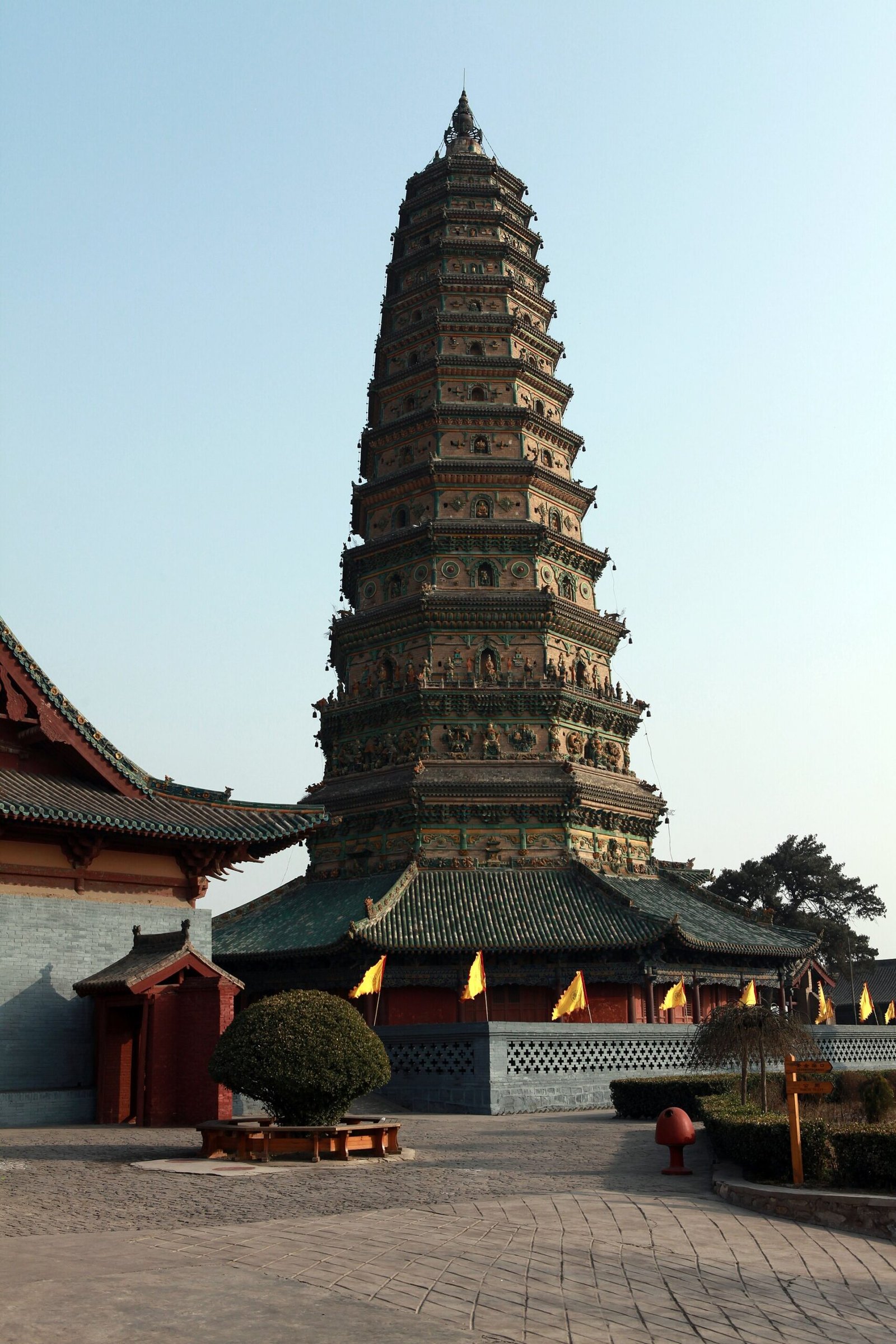
Linfen has Xiaoxitian (169.6 m², nearly 2,000 figures) and Guangsheng Temple at Hongtong, whose lower temple holds Yuan dynasty drama murals — the earliest surviving large paintings of Chinese theatre, and the reason theatre historians go to Shanxi. Its Feihong Pagoda is a thirteen-storey octagonal tower clad in yellow, green and blue glaze.
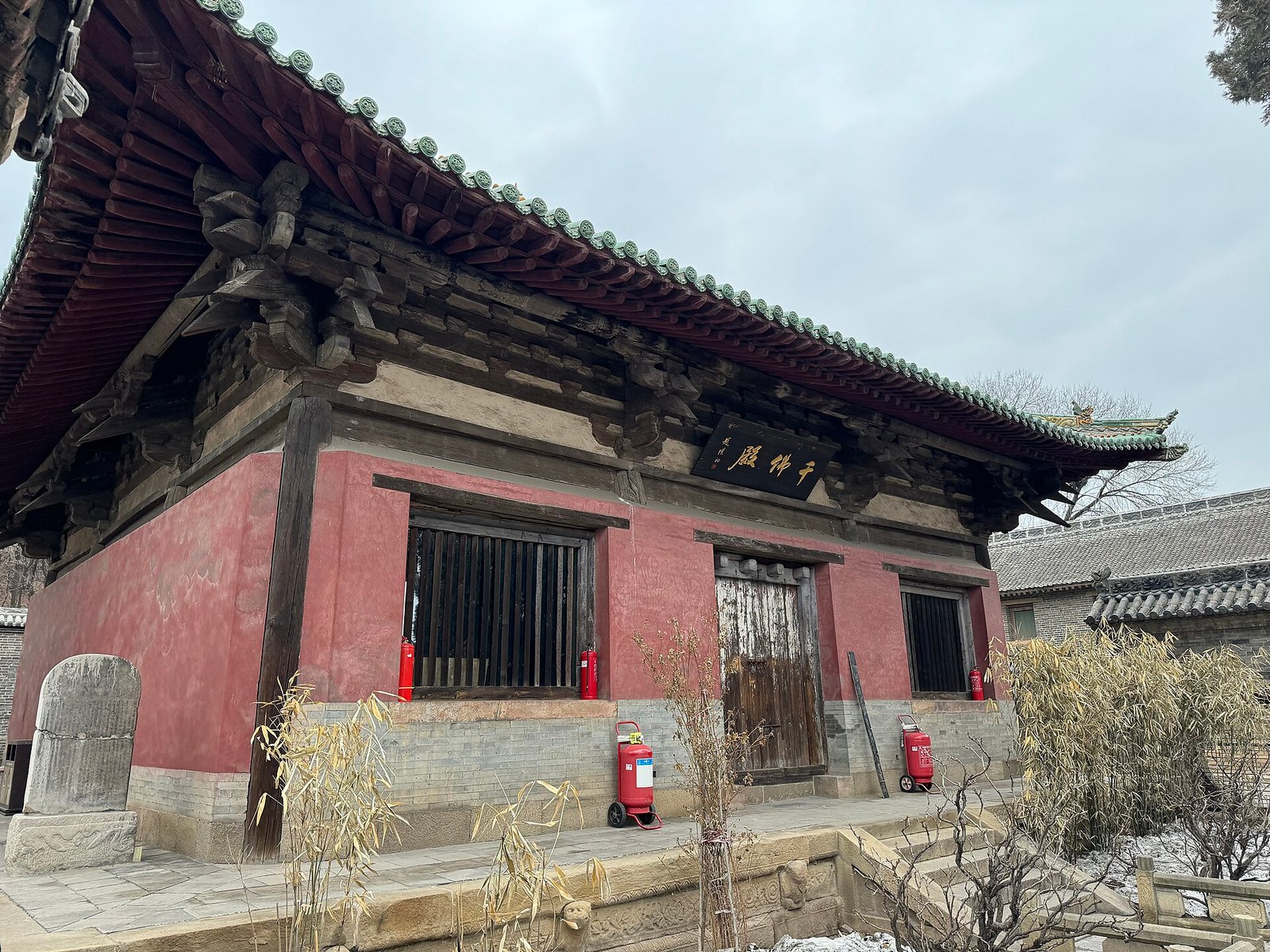
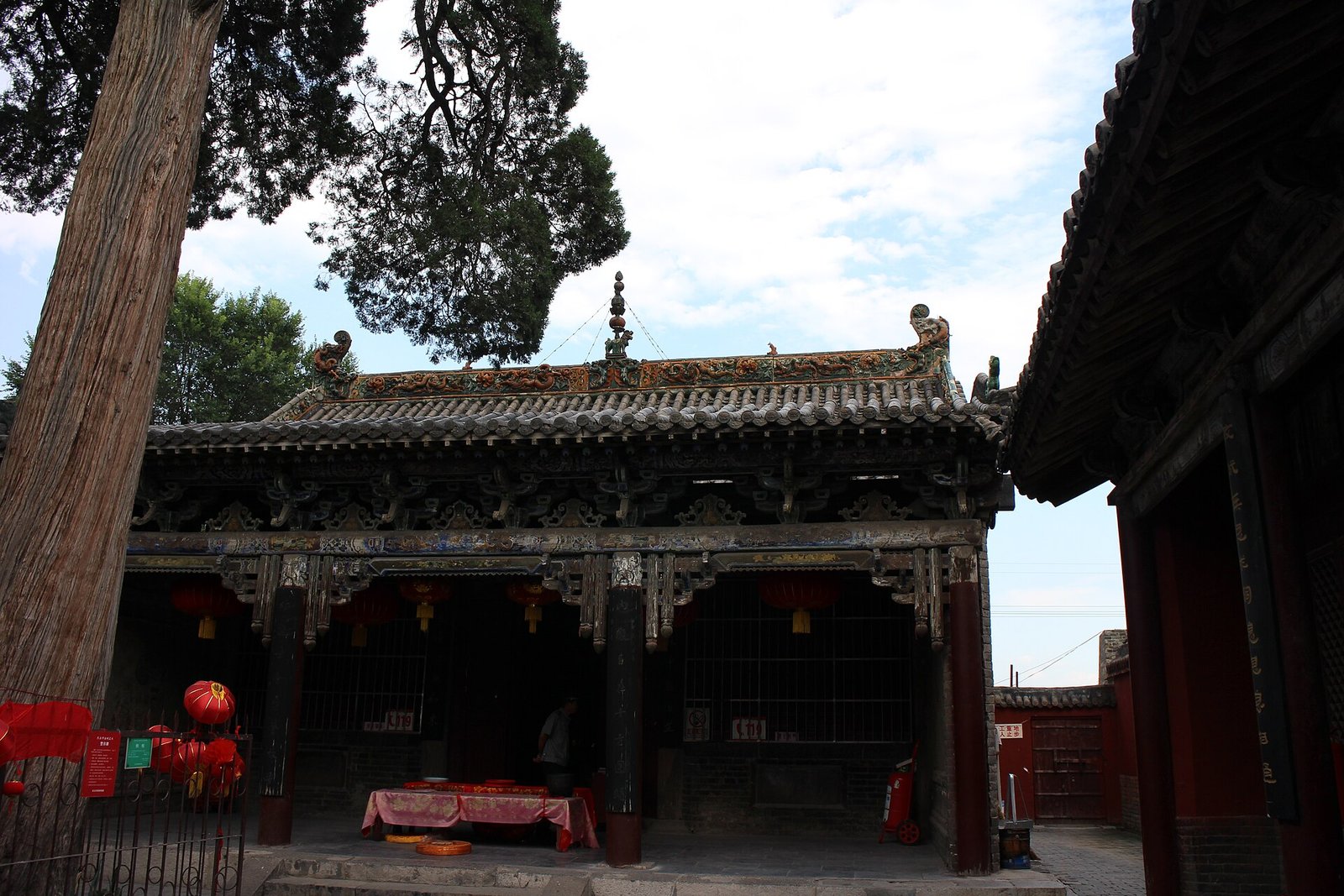
Changzhi has the Guanyin Hall, a Ming hall packed with suspended sculpture, and Chongqing Temple at Zhangzi, whose Song dynasty eighteen arhats are among the finest of their period.
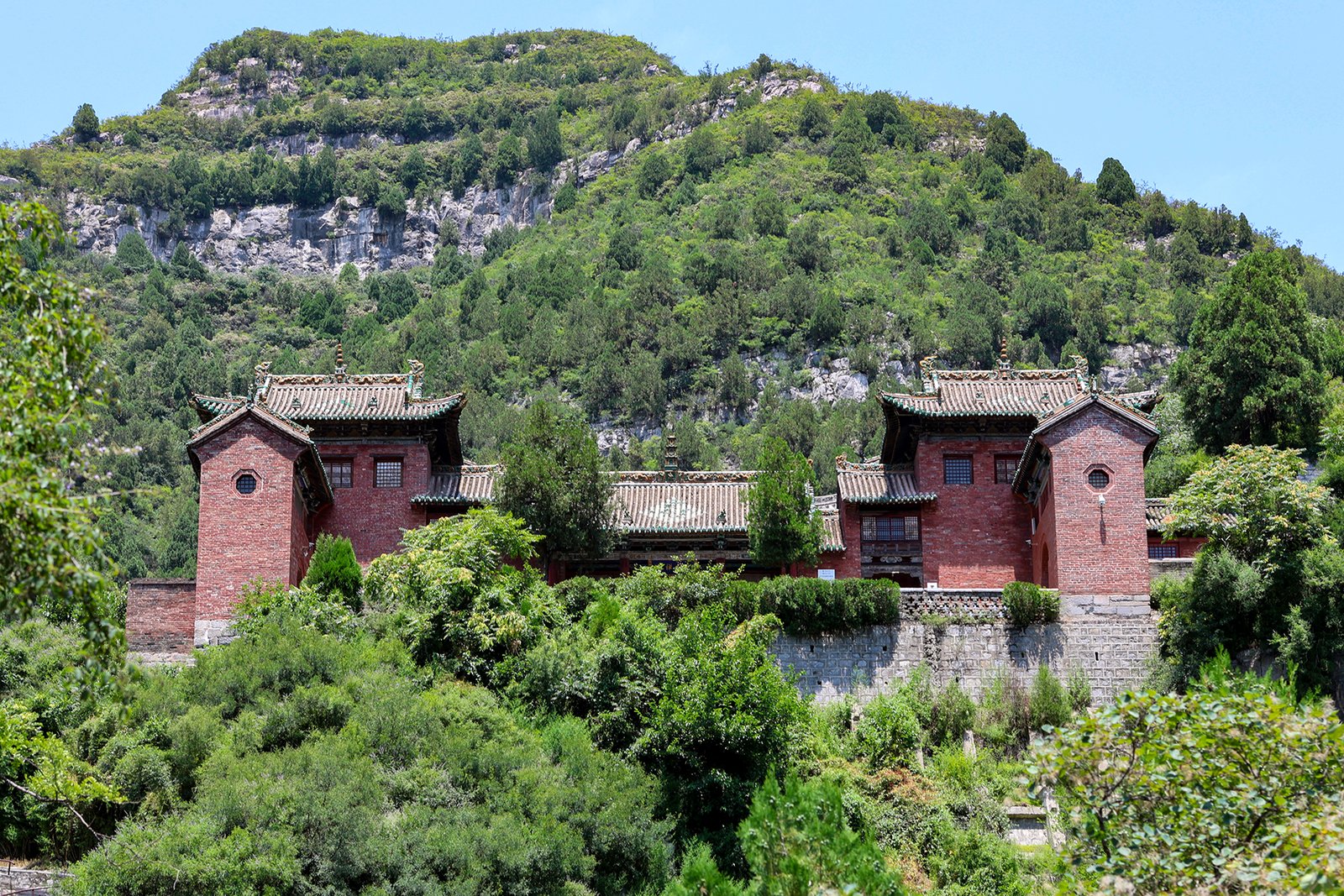
Jincheng is the cluster’s centre of gravity and has zero English Wikipedia coverage for all three of its sites: Yuhuang Temple (the twenty-eight mansions), Tiefo Temple at Gaoping (the twenty-four deities), and Xixi Erxian Temple at Lingchuan. Qinglian Temple, on the same day of the official route, holds Tang sculpture and Song timber.
Yuncheng is the outlier: three sites, roughly 300 km west of everything else, and not one Tang, Liao or Jin timber hall among them. It is also the cluster most people cut, and the one where the list and the province disagree most obviously.
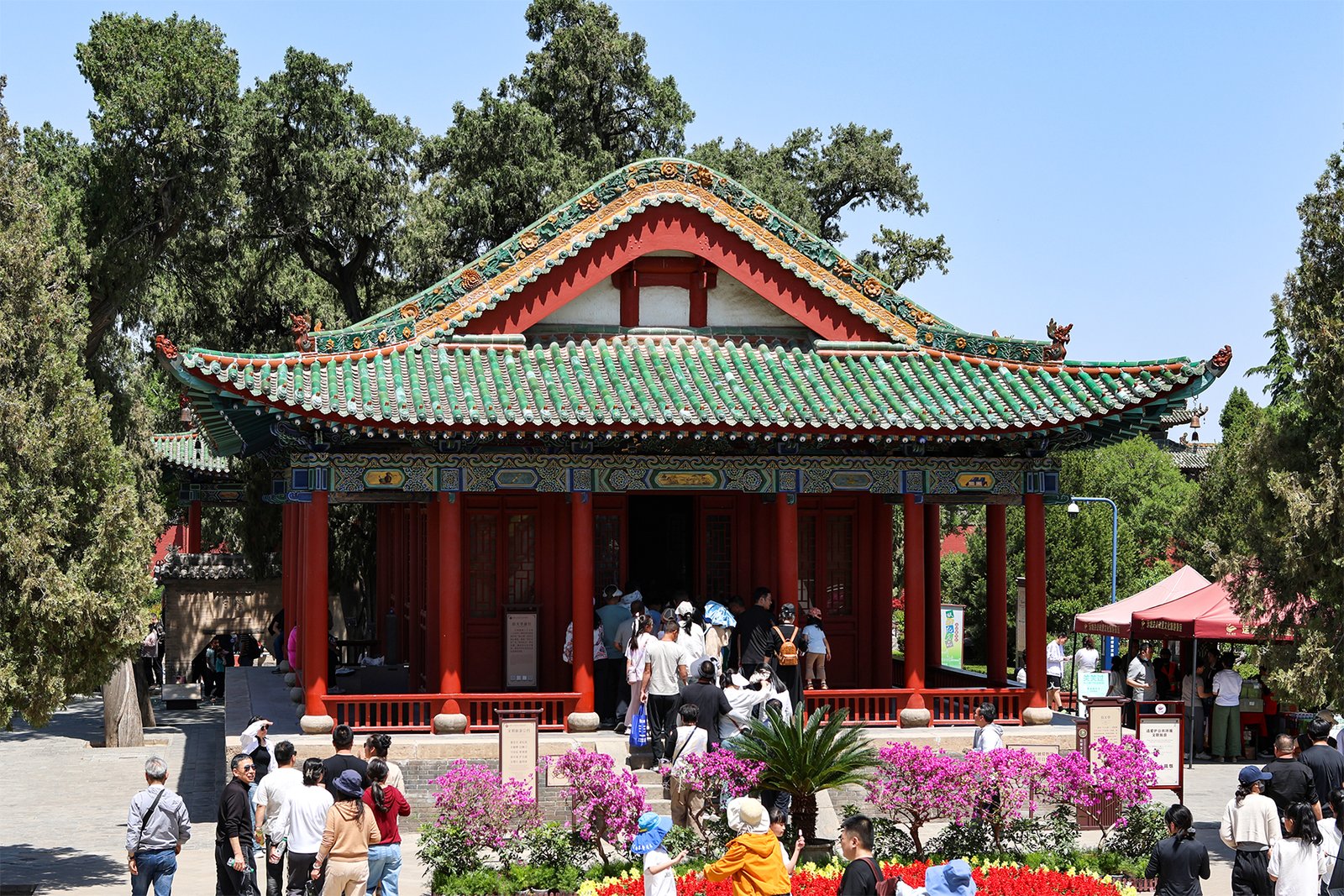
The Guandi Temple at Xiezhou is the largest of the thousands of temples to Guan Yu — an imperial-scale complex, and the one site in this cluster that a Chinese tour group will also be visiting.
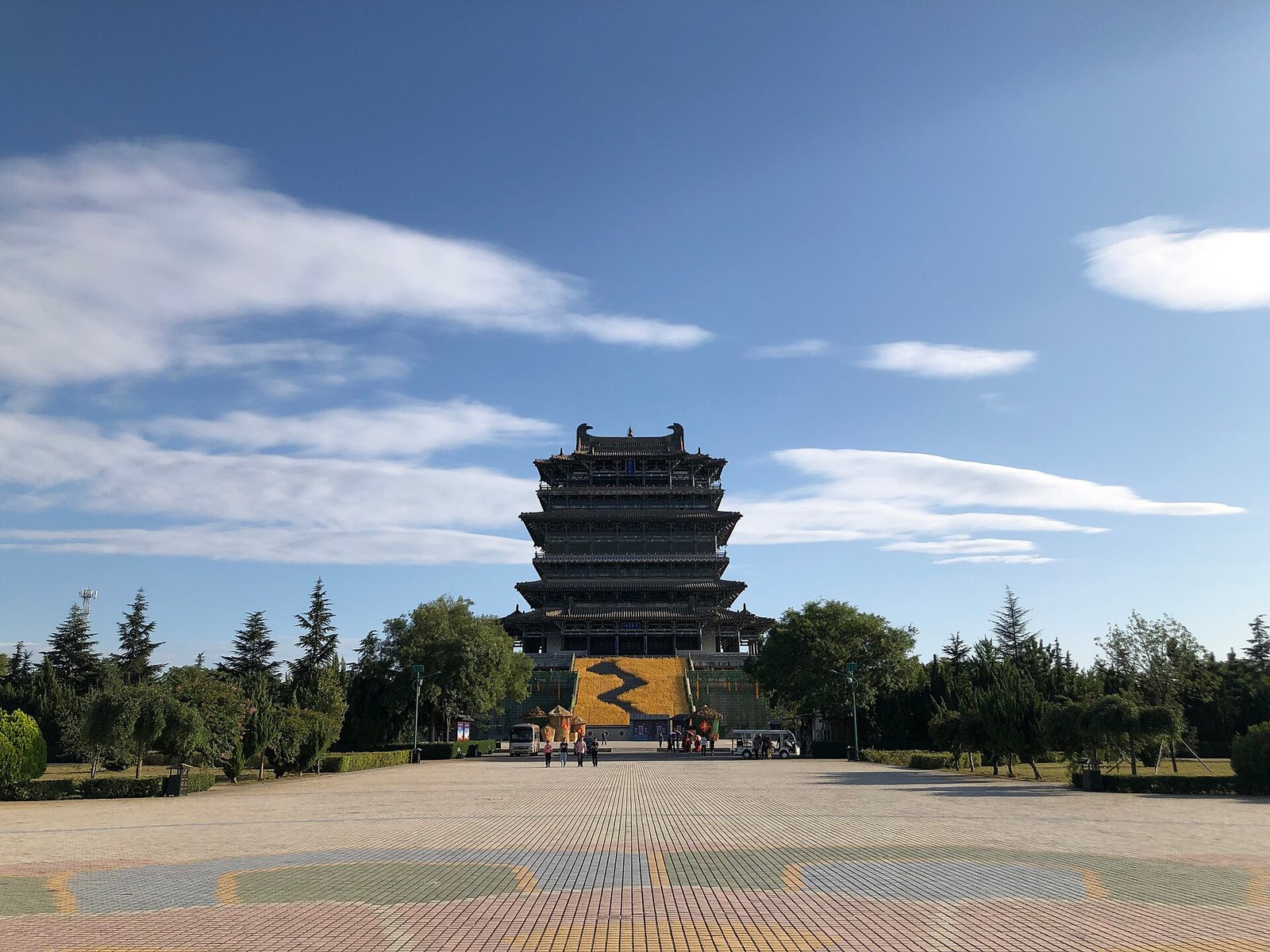
The Stork Tower at Yongji is the only one of China’s four great towers north of the Yellow River. The building is a 2002 reconstruction — the original was destroyed in the Yuan — so climb it for the river at dusk rather than for the carpentry.
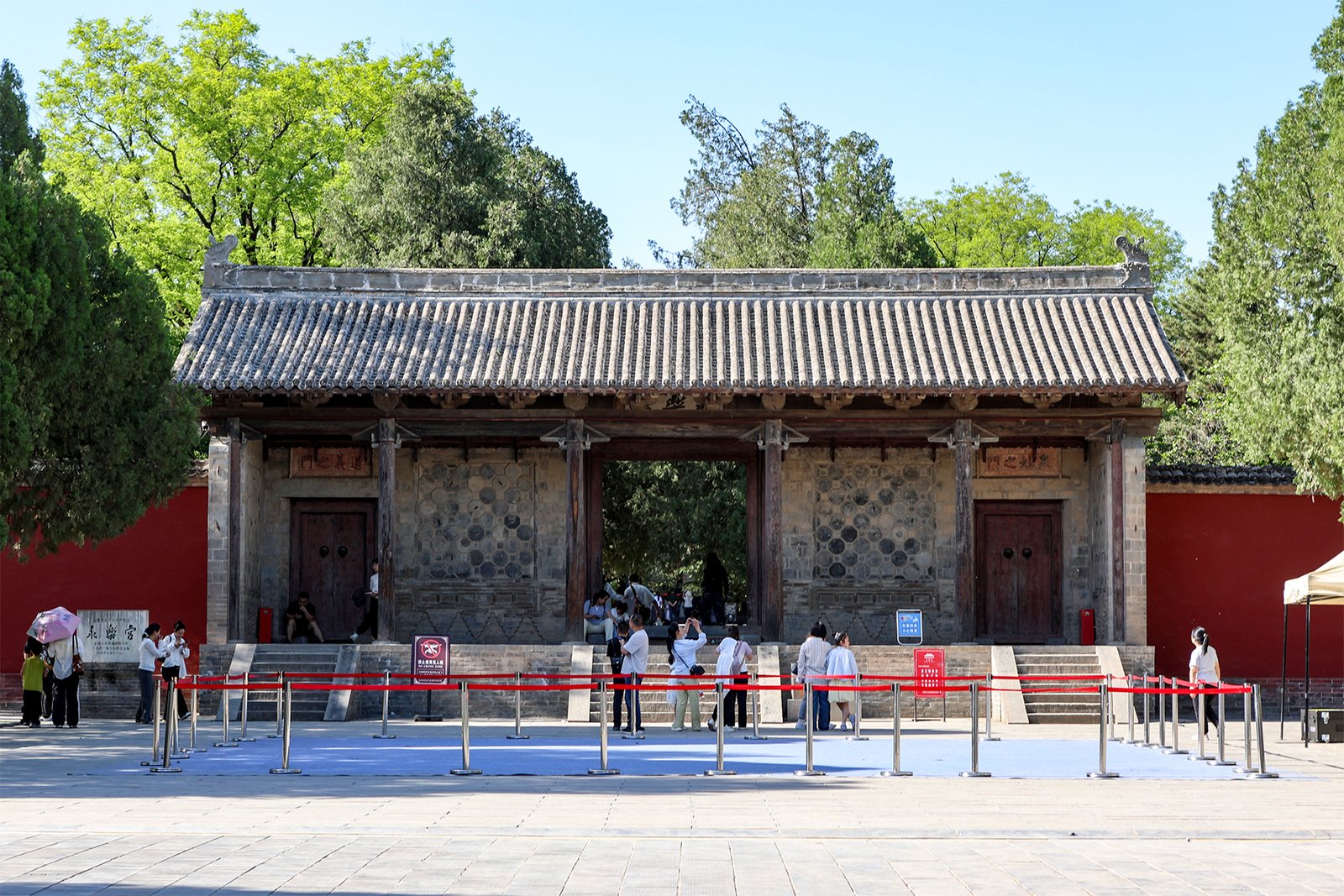
And then there is Yongle Palace at Ruicheng, which is not on the list of 27 at all and is the best building in the province for a certain kind of visitor: 128 years of construction, finished in 1358, the largest surviving Yuan Taoist palace and one of the three great Quanzhen temples, with murals that were cut out, transported and reassembled when the reservoir came. Every English listicle puts it in the 27. The list does not.
All 27 Black Myth Wukong locations, with what you actually get
All Black Myth Wukong locations in Shanxi, grouped by cluster. “Hall size” is the floor area of the principal interior where it is documented, because that is the number that decides your visit.
| Site | City / county | Date of the main structure | Why it is on the list | Booking |
|---|---|---|---|---|
| Yungang Grottoes 云冈石窟 | Datong | 453–495 | 51 caves, 51,000+ figures | Ticket, advance |
| Huayan Temple 华严寺 | Datong | Liao / Jin | One of three surviving Liao complexes | Ticket |
| Shanhua Temple 善化寺 | Datong | Liao / Jin | Largest Liao main hall | Ticket |
| Hanging Temple 悬空寺 | Hunyuan, Datong | Ming–Qing rebuild | 40 rooms on a cliff, 27 beams | Ticket, timed, often capped |
| Yong’an Temple 永安寺 | Hunyuan, Datong | Yuan | Yuan water-land murals | Limited |
| Jueshan Temple 觉山寺 | Lingqiu, Datong | Liao | Liao brick pagoda | Limited |
| Chongfu Temple 崇福寺 | Shuocheng, Shuozhou | 665 / Jin halls | Jin Amitabha Hall, 1184 plaque | Ticket |
| Yingxian Wooden Pagoda 应县木塔 | Yingxian, Shuozhou | 1056 | Oldest, tallest timber pagoda, 67.31 m | Ticket; interior restricted |
| Nanchan Temple 南禅寺 | Wutai, Xinzhou | 782 | Oldest timber building in China | Ticket |
| Foguang Temple 佛光寺 | Wutai, Xinzhou | 857 | Third oldest; Liang Sicheng’s “first treasure” | Ticket |
| Jinge Temple 金阁寺 | Wutai, Xinzhou | Tang foundation | Highest temple off the five peaks | Ticket |
| Nanshan Temple 南山寺 | Wutai, Xinzhou | Yuan | Seven tiers, largest on Mount Wutai | Ticket |
| Youguo Temple 佑国寺 | Wutai, Xinzhou | — | Upper tiers of Nanshan; stone carving | Ticket |
| Huiji Temple 惠济寺 | Yuanping, Xinzhou | Song–Jin | Five dynasties of building in one compound | Limited |
| Zhenguo Temple 镇国寺 | Pingyao, Jinzhong | 963 | Tenth-century hall and sculpture | Ticket |
| Shuanglin Temple 双林寺 | Pingyao, Jinzhong | Ming–Qing rebuild | About 2,052 painted figures | Ticket |
| Xiaoxitian 小西天 | Xi County, Linfen | 1629 | Nearly 2,000 figures in 169.6 m² | Booking, timed, batched |
| Guangsheng Temple 广胜寺 | Hongtong, Linfen | 147 / Yuan | Yuan theatre murals; Feihong Pagoda | Ticket |
| Tiefo Temple 尧都铁佛寺 | Yaodu, Linfen | — | City temple with tall brick pagoda | Check locally |
| Guanyin Hall 观音堂 | Luzhou, Changzhi | Ming | Suspended sculpture in a small hall | Ticket |
| Chongqing Temple 崇庆寺 | Zhangzi, Changzhi | Song | Song eighteen arhats | Limited |
| Yuhuang Temple 玉皇庙 | Zezhou, Jincheng | 1076 | The twenty-eight lunar mansions | Ticket |
| Tiefo Temple 高平铁佛寺 | Gaoping, Jincheng | Ming–Qing | Twenty-Four Protective Deities in 72 m² | Free, booking, 500/day |
| Xixi Erxian Temple 西溪二仙庙 | Lingchuan, Jincheng | Jin | Jin timber and sculpture | Limited |
| Guandi Temple 解州关帝庙 | Yanhu, Yuncheng | Sui foundation | Largest Guandi temple in China | Ticket |
| Fusheng Temple 福胜寺 | Xinjiang, Yuncheng | Northern Qi foundation | Yuan hall and painted sculpture; almost no English coverage | Check locally |
| Stork Tower 鹳雀楼 | Yongji, Yuncheng | Rebuilt 2002 | Four great towers; the only one north of the Yellow River | Ticket |
Count the rows, then count the edges. That is 27. Now notice three things about how the list was assembled. Yongle Palace and Qinglian Temple are not on it, though both are famous enough that every English listicle includes them. One entry in the circulated list reads “Shanyou Temple” (山佑寺), a name that does not correspond to any temple on Mount Wutai — the building intended is almost certainly Youguo Temple, which is also on the list, so either the name is a typo that has been copied fifteen hundred times or the list contains a temple that does not exist. And the province’s own eight-day drive stops at Qinglian Temple, which is not on the list. The list has an edge, and the edge moves depending on who is holding it.
“Limited” means what it says: small protected sites with irregular opening, sometimes by appointment through the local relics bureau, sometimes closed without notice. Do not build a day around one without confirming the day before.
Tickets, bookings and the 500-a-day rule
Three different regimes are in operation across the Black Myth Wukong locations, and confusing them is the most common planning error.
| Regime | What it looks like | Where | What to do |
|---|---|---|---|
| Normal ticketed site | Gate, ticket office, opening hours | Yungang, Huayan, Shanhua, Hanging Temple, Yingxian Pagoda, Nanchan, Foguang, Zhenguo, Shuanglin, Guangsheng, Guandi Temple, Stork Tower, Fusheng Temple | Buy in advance in peak season; the Hanging Temple caps daily numbers |
| Free, but booked and batched | Online reservation, ID, timed slot, group size capped | Xiaoxitian, Tiefo Temple Gaoping | Book as early as the system allows. Tiefo is free and capped at 500 a day. Xiaoxitian admits about 40 at a time |
| Limited or appointment-only | No ticket window; sometimes a phone number | Yong’an, Jueshan, Huiji, Chongqing, Xixi Erxian, Youguo, Nanshan, Yaodu Tiefo | Confirm by phone or through the county relics bureau the day before. Assume nothing |
We have deliberately not printed prices. Rates for these sites change with season and with policy, several are free, and a stale number is worse than no number. The structural facts — who needs a booking, who caps numbers, who is free — are stable, and those are what you plan around.
Getting there: the rail reality
Getting between the Black Myth Wukong locations is the part that decides your itinerary. Shanxi looks compact on a map and is not, because the high-speed network runs north–south and the sites do not. For ticketing mechanics, see our China rail planning guide.
| Leg | How | Time | Note |
|---|---|---|---|
| Beijing → Datong | High-speed rail | Under 2 h | The easiest entry point for the northern cluster |
| Taiyuan → Pingyao | High-speed rail | About 30 min | Pingyao Gucheng station |
| Taiyuan → Datong | High-speed rail | About 2 h | — |
| Taiyuan → Linfen | High-speed rail | About 1 h | Linfen West |
| Linfen → Jincheng | Road | 3–4 h | No useful direct rail; this is the official route’s day 7 |
| Jincheng / Changzhi → elsewhere | High-speed rail via Zhengzhou | Varies | The south-east is on a different line from the north–south spine |
| Yuncheng | High-speed rail | — | On the Xi’an line; often paired with Shaanxi rather than with Shanxi |
The practical consequence: pick a cluster and fly into its railhead. Taiyuan Wusu (TYN) is the province’s hub; Datong (DAT), Changzhi (CIU), Yuncheng (YCU) and Linfen (LFQ) have smaller airports. Trying to enter from one end and leave from the other sounds efficient and is not, because the south-east does not connect to the north without going back through the middle or out through Henan.
How long you actually need
Three honest answers for the Black Myth Wukong locations, depending on which cluster you pick. If you are still deciding how long to give China overall, start with how many days you need.
| If you have | Do this | You will see | You will miss |
|---|---|---|---|
| 2 days | Datong, based in the city | Yungang, Huayan, Shanhua, and the Hanging Temple if you start early | Everything south of Shuozhou |
| 5 days | Datong → Taiyuan → Pingyao → Linfen | The northern cluster, the two Tang halls, both Pingyao temples, Xiaoxitian | Jincheng, Changzhi, Yuncheng — that is, the twenty-eight mansions and the twenty-four deities |
| 8 days | The official self-drive route | 12 of the 27, in the order the province chose | 15 of the 27, including five of Xinzhou’s six |
If the reason you are coming is the painted sculpture — and for most people who played the game, it is — then the answer is not the eight-day drive. It is Linfen plus Jincheng: Xiaoxitian, Guangsheng Temple, Yuhuang Temple and Tiefo Temple — four of the 27 — plus Qinglian Temple, which is not on the list and is worth the detour. Five sites, two cities, one long road between them, and four days if you take your time.
The single most useful planning decision is not which sites to see but which cluster to skip. The 27 are not a checklist and the province itself could not fit them into eight days. Choosing one cluster and doing it properly will beat any attempt at completeness — and it is the only way to arrive at Xiaoxitian or Tiefo Temple without having already spent six hours in a car that morning.
How to tell what a game actually borrowed
Most Black Myth Wukong locations guides are lists. There is no published map. Game Science has never released a list of what came from where, which is why the 27 has no owner. But four tests will get you most of the way, and they work for any game or animated film that claims real architecture.
| Test | What you are looking for | How strong it is | Example here |
|---|---|---|---|
| 1. The studio says so | A developer interview, an art book, a credits line naming an institution | Strongest, and rarest | The studio has described scanning buildings and statues on site and using them as assets or as design bases |
| 2. A second studio is credited | Another company doing “secondary design” on specific regions | Strong — it tells you where the scan stopped and the invention started | Nanjing Graphics Science handled secondary design on some Mount Wutai buildings |
| 3. The local government claims it | A provincial or county tourism page, a museum label, a site notice board | Medium — the incentive is to claim, but the specifics are usually right | The Shanxi government’s own English article lists 27 and names Yungang as an “inspirational source” |
| 4. The site displays it | A poster at the gate, a QR code, a “as seen in” panel | Medium — recent, and often the most concrete | Xiaoxitian, Tiefo Temple and Yuhuang Temple all now lean on the association |
What you will not find, for this game or for most, is a one-to-one mapping. A scanned bracket set can end up on three different buildings. A statue group can become a character and a doorframe. The unit of borrowing is the asset, not the site — which is precisely why the list of 27 is a list of sources and not a list of sets.
This is the difference between a game and a film, and it is worth being blunt about it. When a film shoots in a temple, the temple appears in the film as a place — that is what happens at Hengdian, where the buildings were built to be filmed. When a game scans a temple, the temple appears in the game as material. Both are real relationships. Only one of them can be walked.
If you only have one day
Two options, and they are genuinely different trips. Both assume you have already picked a cluster, because the Black Myth Wukong locations cannot be done from one base.
Datong, for the scale of the thing. Yungang in the morning — three hours minimum, and the caves at the western end are where the crowds thin out. Huayan and Shanhua in the afternoon, both inside the old city wall and ten minutes apart. This is the day for someone who wants to be impressed rather than moved, and it is the only day in the 27 where the game’s sense of scale is not a fiction.
Jincheng, for the thing the game actually borrowed. Yuhuang Temple in the morning — the twenty-eight mansions, and the two figures that became characters. Tiefo Temple at Gaoping in the afternoon, if your booking comes through. This is the day for someone who wants to see the sculpture that made the game look Chinese, and it requires a car and a reservation and a certain tolerance for county-town hotels.
If you are choosing between them and you played the game for its art rather than its landscapes, choose Jincheng. It is harder, less comfortable, less photographed, and it is where the design came from.
What to skip, honestly
If you are building a temple-and-timber trip rather than a single-province one, Chengde is the same argument in a different dynasty. Three of the 27 are, for a visitor, close to unrewarding — not because they are unimportant, but because what makes them important is not visible.
| Site | Why it is on the list | Why you might skip it | Go instead if |
|---|---|---|---|
| Stork Tower 鹳雀楼 | One of China’s four great towers, and the only one north of the Yellow River | The building you climb is a 2002 reconstruction; the original was destroyed in the Yuan. The poem is the point, and the poem is not there | You want the Yellow River view, which is genuinely good at dusk |
| Jueshan Temple 觉山寺 | A Liao brick pagoda in a valley in Lingqiu | Remote, irregularly open, and the pagoda is the whole visit | You are driving the Datong–Wutai corridor anyway |
| Yaodu Tiefo Temple 尧都铁佛寺 | A protected city temple with a tall brick pagoda | Easy to confuse with the Gaoping one, which is the one the game is actually associated with | You are in Linfen city and have an hour |
And one thing to skip that is not on the list at all: the temptation to treat the 27 as a scoreboard. The province built an eight-day route and covered twelve. You are not going to beat that by trying harder.
The honest part: the error is one of scale
Every article in this series ends with the thing that is most often got wrong. For this one it is not a name, a number, a date, an address or a jurisdiction. All of those check out. It is size.
The game gives you a chapter called Xiaoxitian that contains a snow ridge, a frozen lake, a prison pagoda and a mountain. Shanxi gives you a hall of 169.6 square metres. Both are called the same thing, both are real, and the relationship between them is not a lie — it is a unit conversion, performed by a medium that needed a level and was given a room.
| What you think you are going to | What is there | The ratio |
|---|---|---|
| A region | One hall, 169.6 m² | The chapter is a landscape; the place is a room |
| A temple you walk through | A queue, then a doorway, then a ceiling | About 40 people at a time, about 2 minutes each |
| Somewhere you will recognise | Surfaces you will recognise | The building was reassembled by a second studio |
This is the twenty-first distinct failure mode we have catalogued on this site, and it is the first one that is not about a word. The previous twenty were errors of naming, counting, jurisdiction, layering and access. This one is an error of magnitude: the noun is right, the place is right, the number is right, and the size is off by two orders of magnitude, because a game expands what it borrows in order to have somewhere to put a fight.
The rule to carry away. When a place appears in a game or an animated film, do not ask whether it is real. Ask for its floor area, then ask how much of the work it fills. The gap between those two numbers is what will disappoint you if nobody tells you, and what will delight you if somebody does — because a 169.6 square metre room holding nearly two thousand figures is not a lesser version of a game level. It is a better thing that the game could only approximate.
The Black Myth Wukong locations are worth the trip. Take it for the room, not for the landscape.
Last verified
Sources: The list of 27 itself — the version published on 21 August 2024 and copied verbatim ever since: Datong 6, Shuozhou 2, Xinzhou 6, Jinzhong 2, Linfen 3, Changzhi 2, Jincheng 3, Yuncheng 3. This is the list the article prints, and it is the reason two famous buildings are absent from it: Yongle Palace at Ruicheng and Qinglian Temple at Zezhou are in every English listicle and in neither this list nor its official derivatives. The article states that discrepancy rather than resolving it, because no authority has resolved it · The same list, checked for its own defects — one entry is written as Shanyou Temple (shan you si), a name that does not correspond to any temple on Mount Wutai; the building intended is almost certainly Youguo Temple, which is a separate entry on the same list. The article treats this as evidence about how the list was assembled, not as a typographical curiosity · Shanxi provincial government English-language site, 23 August 2024 — the article that says "among the 36 filming locations across various provinces and cities, 27 are located in Shanxi Province" and, a few paragraphs later, calls the Yungang Grottoes "one of the inspirational sources of the game’s scene design". Both phrases are quoted, because they cannot both be describing the same relationship · Shanxi provincial transport department, 23 August 2024 — the eight-day self-drive route with its day-by-day distances, totalling 1,410 kilometres: Datong to Yungang and Shanhua, 50; to the Hanging Temple and Yingxian, 240; to Foguang and Taiyuan, 350; Taiyuan to Pingyao, 110; to Zhenguo, Shuanglin and Xiaoxitian, 310; to Fusheng and Erxian, 300; Jincheng to Qinglian, Yuhuang and Tiefo, 50. Twelve of the stops are on the list of 27 and the thirteenth, Qinglian Temple, is not · Shanxi culture and tourism department, 22 August 2024, digital tourism brand conference, Taiyuan — the Follow Wukong through Shanxi campaign and its three themed routes: the northern line of timber and painted sculpture, the southern line of towers and Taoist heavens, and the southeastern line of Shangdang sculpture. The article reads the existence of three routes, rather than one, as a statement about the geography of the province · Xiaoxitian, Xi County — the Mahavira Hall at 169.6 square metres, nearly 2,000 painted clay figures between three metres and a thumb-length, admission capped at about forty people at a time, and the visitor figures: 17,626 on 2 October 2024 against a pre-game daily average of about a hundred, which is the 170-fold multiple used in the text, with 134,400 visitors in 2023 and 1,506,800 in 2025. The queue arithmetic in the article is derived from these numbers rather than quoted: 17,626 divided by forty is 441 batches, and at two minutes a batch that is about fourteen and a half hours, which is where the three-hour wait comes from · Tiefo Temple, Gaoping — the Buddha hall at 72 square metres with twenty-eight figures, no more than ten visitors inside at once, free admission capped at 500 a day, and an opening date of 24 August 2024. The national protected site stele photographed on site gives 7 October 2019 for the eighth batch, five years before the game, which is why the article describes the temple as newly opened rather than newly famous. The other two temples called Tiefo, at Yaodu in Linfen and at Lingshi in Jinzhong, are separated in the text because booking by name alone will send a reader to the wrong prefecture · English Wikipedia, checked building by building on 18 October 2026 — fourteen of the 27 resolve to a dedicated article about the right building and thirteen do not. Two of the thirteen are worse than missing: Nanshan Temple resolves to a disambiguation page listing Sanya and Zhangzhou and does not mention Mount Wutai, and Youguo Temple resolves to a temple in Kaifeng, Henan, some 700 kilometres away. All three Jincheng sites are in the thirteen, which is the finding the article leads with
Spotted something out of date? Email us — or read how corrections work. We check every report against the source and update the page.