
Full River Red filming locations: the whole film was shot in one building
The Full River Red filming locations are not a list. There is one building, and the whole film was shot inside it. Full River Red runs 159 minutes. It has a cast of dozens, a body count, a war outside the walls, a palace, a prison, a courtyard maze and a chase through corridors at night. It made 4.54 billion yuan, the sixth-highest gross of any film ever released in China, and it is the biggest film Zhang Yimou has ever had.
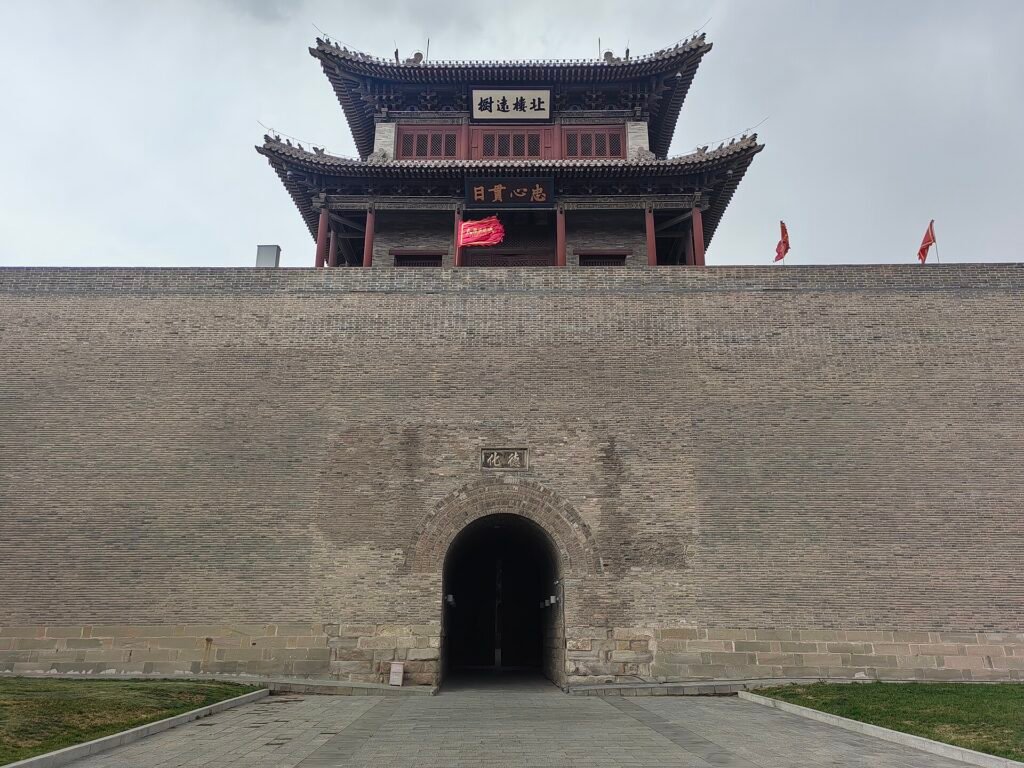
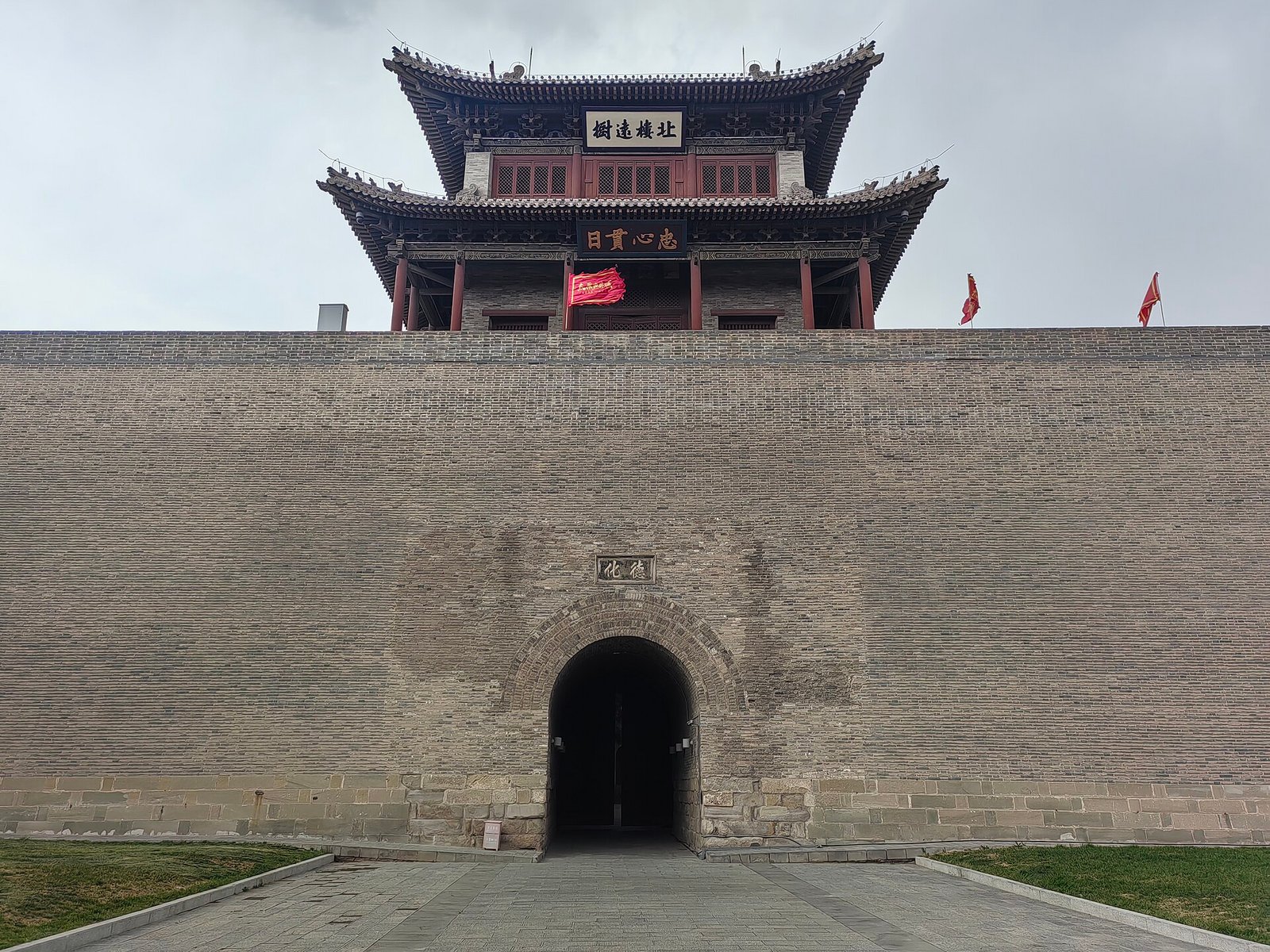
Almost all of the Full River Red filming locations fit inside one five-courtyard compound in the north-east corner of Taiyuan Ancient City — a walled town of 0.8 square kilometres on the southern edge of Taiyuan, in Shanxi.
That is the fact that makes this page worth writing. Most guides to Chinese film locations send you to a province and wave at a mountain range; the ones that do not usually send you to a purpose-built studio complex, which is a different experience again — see the studio comparison if that is what you are after. Here the location is a building you can walk through in twenty minutes, and the film you are standing in is a film that never leaves it. The corridors the characters run down are the corridors you walk down. The courtyard where the executions happen is the courtyard where people now rent costumes and take photographs.
But there is a second fact, and it is the reason this page has a section called Three cities called Taiyuan Ancient City. The town the compound sits inside is not ancient. It is a reconstruction that opened on 1 May 2021, after eight years of building, on the site of a Ming county seat founded in 1375, which was itself built on the ruins of a city founded around 497 BC and destroyed in 979 AD.
So: a 2022 film set, inside a 2021 rebuild, on a 1375 town, on a 2,500-year-old ruin. Four dates, one name, and every travel page you will read collapses them into the word “ancient.”
The short answer: go for the compound, not for the town. The Full River Red set is the only reason to make the 20-kilometre trip out of central Taiyuan, and it takes about forty minutes to see properly. The walled town around it is pleasant, free to enter, and almost entirely new — good for an evening walk and for the wall at sunset, not for anyone hoping to see six hundred years of wear. If you want the actual old thing, it is five kilometres away and it is a field.
What Full River Red is
Full River Red (满江红, Mǎn Jiāng Hóng) opened on 22 January 2023, the first day of the Lunar New Year holiday, and stayed in cinemas for almost four months through three separate extensions. It is directed by Zhang Yimou, written by Chen Yu, and scored almost entirely by Shanxi opera percussion — a decision that does more for the film’s tension than any line of dialogue.
The title is the name of a ci poem attributed to the Song general Yue Fei. The film is set four years after Yue Fei’s death, in the Shaoxing era, at a peace negotiation between the Song chancellor Qin Hui and envoys of the Jin. On the night before the talks, a Jin envoy is found dead in the chancellor’s residence, and a letter he was carrying is missing. A soldier and a junior officer have one night to find it.
That is a murder mystery, and it is played as one — with comedy, because two of the leads are Shen Teng and Yimou regular Zhang Yi, and with a great deal of walking, because the whole film is people moving through courtyards and corridors toward a room they are not allowed into.
| Detail | What it actually is |
|---|---|
| Chinese title | 满江红 (Mǎn Jiāng Hóng) |
| English title | Full River Red |
| Director | Zhang Yimou |
| Writer | Chen Yu |
| Leads | Shen Teng, Jackson Yee, Zhang Yi, Lei Jiayin, Yue Yunpeng, Wang Jiayi |
| Released | 22 January 2023, Lunar New Year day |
| Runtime | 159 minutes |
| Box office | ¥4.544 billion — sixth-highest in Chinese film history |
| Setting | Shaoxing era, four years after the death of Yue Fei |
| Shot at | One five-courtyard compound, Taiyuan Ancient City, Shanxi |
| Crew arrival | 26 April 2022 |
If you have not seen it, watch it before you go rather than after; the film is on most international streaming platforms with English subtitles, and it is worth the two and a half hours. our drama index lists it alongside the other Chinese films and series with real, visitable locations. The film’s whole method is spatial: the camera keeps returning to the same three or four courtyards from different angles, and the plot is essentially a map of who is allowed where. Standing in the compound without that map is standing in a nice old courtyard. Standing in it with the map is the entire point.
One warning for English-speaking viewers: the film’s final act depends on a recitation of the poem, and the poem is the most famous piece of patriotic verse in Chinese. Subtitles translate it. They do not carry the fact that a large part of the audience in 2023 already knew it by heart and was waiting for it. If you want that scene to land, read a translation of Yue Fei’s Man Jiang Hong first. It takes four minutes.
One compound, 7.5 mu, five courtyards
The full list of Full River Red filming locations is short because the production did not travel. The set is in the north-east quarter of the walled town, an area that historically held the town’s public buildings rather than houses. The production did not build a village. It took two existing courtyards and joined them, then dressed the result as a single residence with five successive courtyards running one into the next.
The numbers that circulate are these: 7.5 mu of ground — about 5,000 square metres — and 5,400 square metres of built floor area across the five courts. That combination is only possible because the compound has upper floors and covered galleries; it is not a flat 5,400 square metres of roof.
What that produces on the ground is the thing the film is famous for: a corridor system. You enter through a gate, and from that moment you are in a sequence of enclosed rectangles connected by covered walkways, with a wall always in front of you and a roof always overhead. There is no view out. Zhang Yimou shoots it exactly that way — long lenses down corridors, the camera at chest height, no sky. It is the same instinct that makes Raise the Red Lantern, shot thirty years earlier in a Qi County mansion, feel like a floor plan.
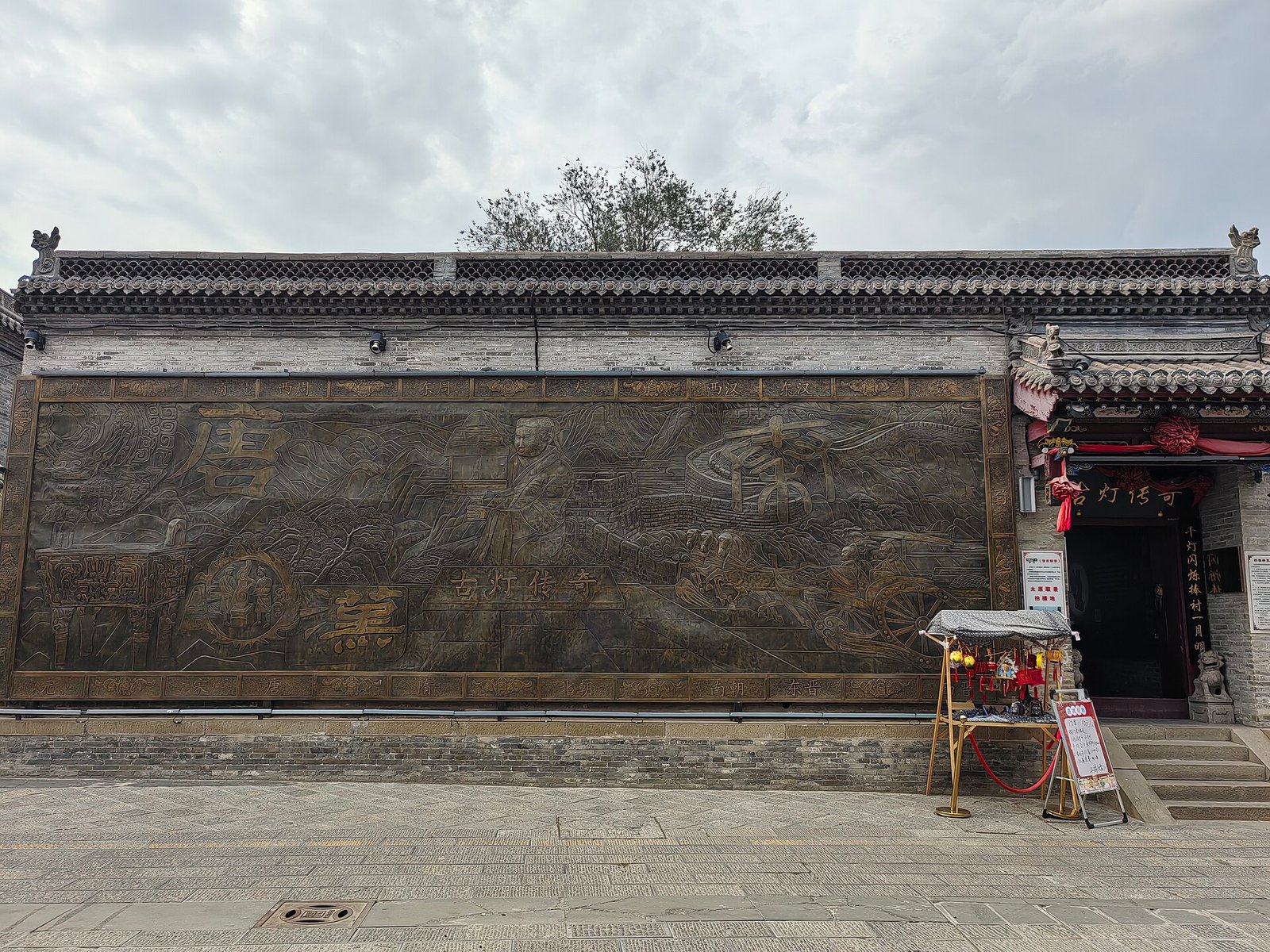
The walls are grey brick. The roofs are Shanxi-style pitched tile with deep eaves. Nothing here is a studio build in the Hengdian sense — there is no false façade, no backlot, no scaffolding behind the brick. It is a real courtyard that was dressed. The stone underfoot is flagstone, and in the film it is almost always wet, because the plot happens over one rainy night.
What is actually inside now
The compound reopened as a visitor attraction on the day the film came out, and it has been through at least one closure and refit since. What you walk through is the standing set, kept broadly as it was left: the courtyard where the characters eat, the kitchen, the room with Shen Teng’s character’s writing on the wall, and a display of costumes and props.
There is also a costume rental operation, which is the one thing about these Full River Red filming locations that the operator has clearly invested in. For an extra fee you can put on armour and a helmet and be photographed in the courtyards. On any given afternoon there will be several people doing this, and the effect is either charming or deflating depending on how much you wanted the place to yourself. Go at opening time.
What nobody tells you: the compound is small. Seven and a half mu is a large house, not a palace. If you have seen the film, your mental image of the place is bigger than the place — the film uses long lenses, tight framings and a lot of night to imply a maze that is really about four connected rectangles. Budget forty minutes, not half a day. The people who leave disappointed are the ones who expected a forbidden city.
Three numbers about the set that are all wrong in different ways
This is the part of the research that took the longest, because the Full River Red filming locations have been described in Chinese media with at least four different sets of figures, and three of them are wrong in interesting ways rather than boring ones.
| Claim in circulation | Status | What is actually going on |
|---|---|---|
| The compound covers 7.5 mu (≈5,000 m²) | Consistent | Matches the 5,400 m² floor area once you allow for upper floors |
| The compound covers 50 mu | Wrong | Ten times too large. This figure appears in short-form video content and gets copied |
| Floor area 5,400 m² | Consistent | Official-adjacent reporting; describes built area, not ground area |
| Entry was ¥20 | True, for 16 days | Valid 22 January to 6 February 2023, then the set closed for a refit |
| Entry is ¥60 | Current, as a bundle | Sold as a combined ticket with a nearby museum, not as a standalone |
The 50 mu figure is the clearest error: 50 mu is 33,000 square metres, which is larger than the entire north-east quarter. It circulates because a number that sounds impressive travels faster than a number that is right.
The ¥20 figure is the more interesting one, because it is not wrong. It was the actual price. The set opened to the public on 22 January 2023 at 20 yuan a head, from 11:00 to 22:00, and it was mobbed. On 7 February 2023 — sixteen days later — the operator closed it for “quality upgrade and renovation” and it did not reopen on the same terms. Every guide written in those sixteen days is still online, quoting a price that has not existed since.
This is the same failure mode we keep finding on this site: the number is real, but it belongs to a different column — here, a different year. A price is not a fact about a place. It is a fact about a place at a time.
What you actually walk through
Entry to the walled town is free and requires a real-name reservation, which surprises people who expect a filming location to be gated. Inside, the compound sits in the north-east quarter, a few minutes’ walk from the east gate. The route through it is fixed by the architecture: you go in one end and out the other, because there is nowhere else to go.
| Court | What the film used it for | What is there now |
|---|---|---|
| First court, inside the gate | The approach; guards, queues, the business of getting in | Ticket check and the costume rental desk |
| Second court | The working heart of the residence — where people wait | Props and set dressing, largely as left |
| Third court | The kitchens and the meal scenes | Kitchen set, tables, the food props |
| Fourth court | The rooms with writing on the walls | The calligraphy wall, the most photographed spot |
| Fifth court, at the back | The room nobody is allowed into | Costume and armour display |
The calligraphy wall is the single most photographed thing among the Full River Red filming locations, and the reason is worth knowing: it is the one place in the film where a character writes something down, and in a film about a missing letter, writing on a wall reads as a confession. People queue to photograph it. It is a wall with brush characters on it. Both things are true.
The costume display is better than it sounds. The armour in the film is a specific design choice — Song military dress filtered through a designer’s idea of Song military dress — and seeing it at body scale, rather than on Shen Teng, tells you how much of the film’s menace is tailoring.
How long, and in what order
Forty minutes for the compound, ninety minutes for the compound plus the wall, half a day for the whole town including the temples and a meal.
| Time | What | Why in this order |
|---|---|---|
| 10:00 | Enter at the east gate, go straight to the compound | The town opens at 10:00 and the compound is empty for the first half hour |
| 10:10–10:50 | The five courts, end to end | Walk it once without stopping, then go back and look |
| 11:00 | Confucian temple and the county office | Both are free, both are on the main cross-street |
| 12:00 | Lunch on the east street | Noodle shops, vinegar, and the only place in town with shade |
| 13:30 | Up onto the wall | Paid, and worth it for the shape of the town |
| 15:00 | Out, and on to Jinci | Five kilometres west; the two together make one day |
Do the compound first. It is the reason the Full River Red filming locations are worth the trip at all, and it is the only part of the town that has any relationship to a specific work of art. Everything else in the walled town is a rebuilt streetscape with shops in it, and if you do that first you will arrive at the compound already tired of grey brick.
The wall is a separate ticket and it is the best value in the town, because it is the only place where you can see the plan. The town is a rectangle with a cross-street through it, and from the wall you can see the whole thing at once — which is also the fastest way to understand that you are looking at something built recently. The wall walk is about 3.7 kilometres if you do the full circuit. Most people do one side.
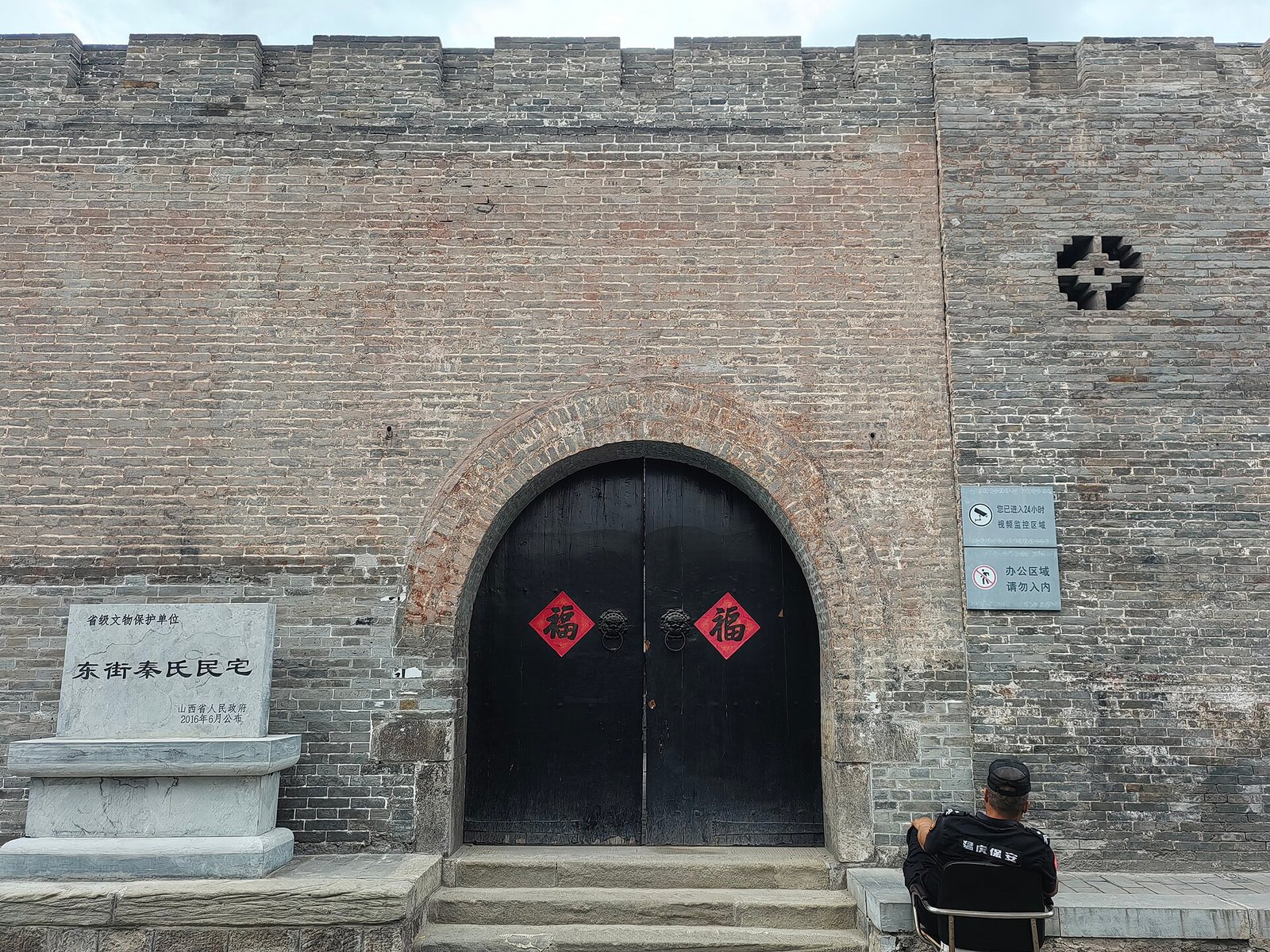
Three cities called Taiyuan Ancient City
Here is the thing that took the longest to get straight, and the reason this page about Full River Red filming locations exists in the shape it does.
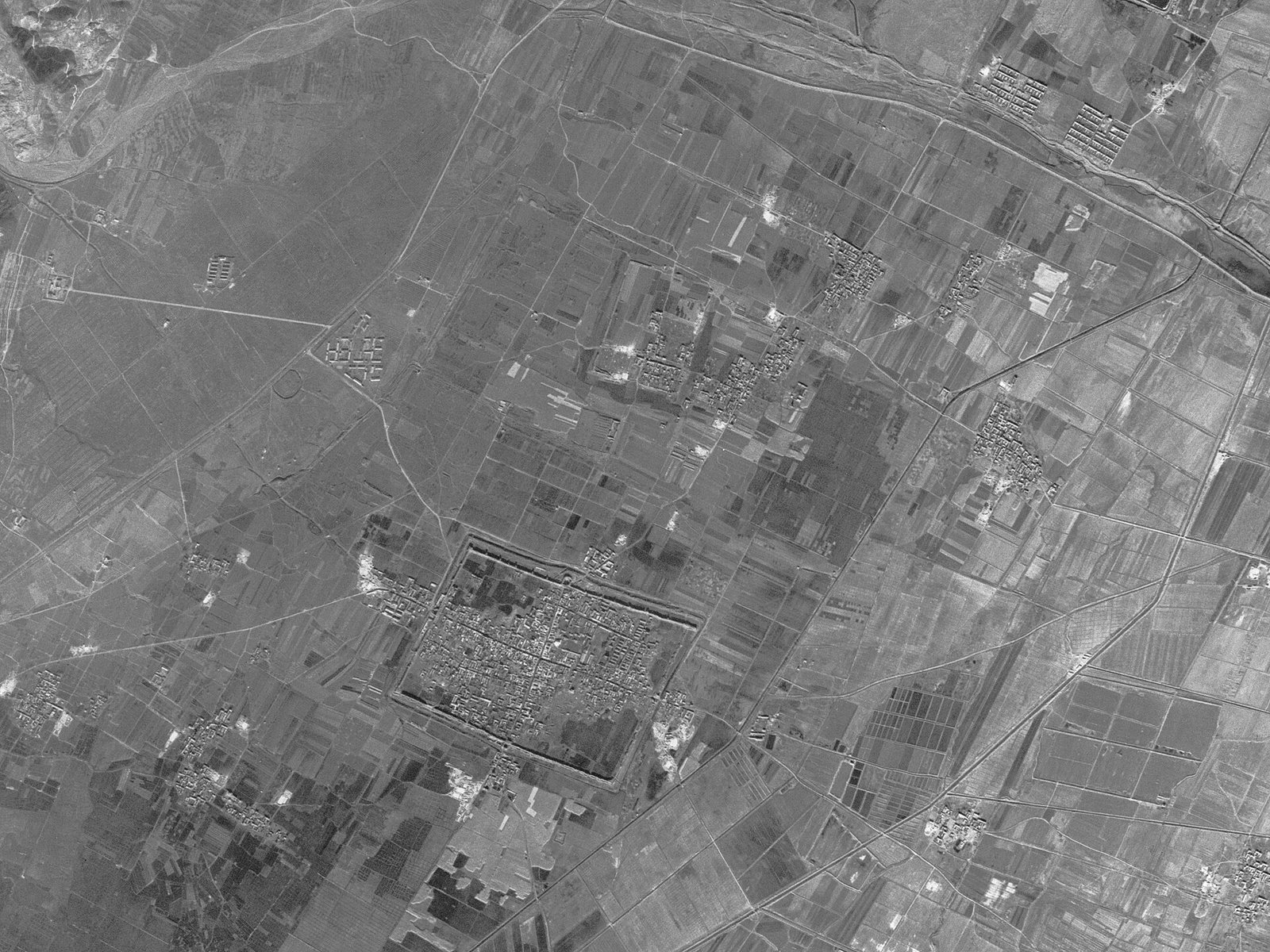
Search for “Taiyuan ancient city” and you get one place. Search in Chinese and you get three, all in Jinyuan district, all within a few kilometres of each other, all called some version of 古城 — “ancient city.” They are separated by roughly 2,500 years, and the one that tourists visit is the youngest by a wide margin.
| Jinyang | Taiyuan County Town | Taiyuan Prefectural City | |
|---|---|---|---|
| Chinese | 晋阳古城 | 太原古县城 | 太原府城 |
| Founded | c. 497 BC | 1375 | 982 |
| Ended | 979 AD, burned and flooded | Still standing, rebuilt 2013–2021 | Still standing, and is now downtown Taiyuan |
| Size | About 20 km² | 0.81 km² | The modern city core |
| What you see | Earthen walls under grass, excavation trenches, a museum | A complete walled town, 3,732 m of wall, rebuilt | Streets, towers, pagodas, a working city |
| Status | National protected site (2001), national archaeological park | Rebuilt heritage town, opened 2021 | Living city |
| Where | GuchengYing and neighbouring villages | Jinyuan, just south of the old city | Yingze and Xinghualing districts |
This is a different kind of confusion from the ones we usually write about. Nothing here is in the wrong province. No number is wrong. The addresses are all correct and the names are all correct. What is wrong is the assumption that one name points to one object. “Taiyuan ancient city” is a stack, and the tourist-facing layer is the top one.
When a visitor says they went to the ancient city of Taiyuan, they mean the 0.81-square-kilometre walled town with the film set in it. When a Chinese historian says 晋阳, they mean a city that was the northern capital of the Tang and the last stronghold of the Northern Han, and which is now a field with a museum next to it. Both are in Jinyuan. Both are real. They are not the same place, and the difference between them is about 1,900 years and one act of deliberate destruction.
The check that matters: when a Chinese place name contains 古城, do not ask “is it old?” Ask which old, and then ask when the walls you can touch were built. In Taiyuan the answer is 2013–2021 for the walls, 1375 for the street plan, and 497 BC for the dirt underneath. All three answers are true, and a guide that gives only one of them is not lying — it is just answering a different question.
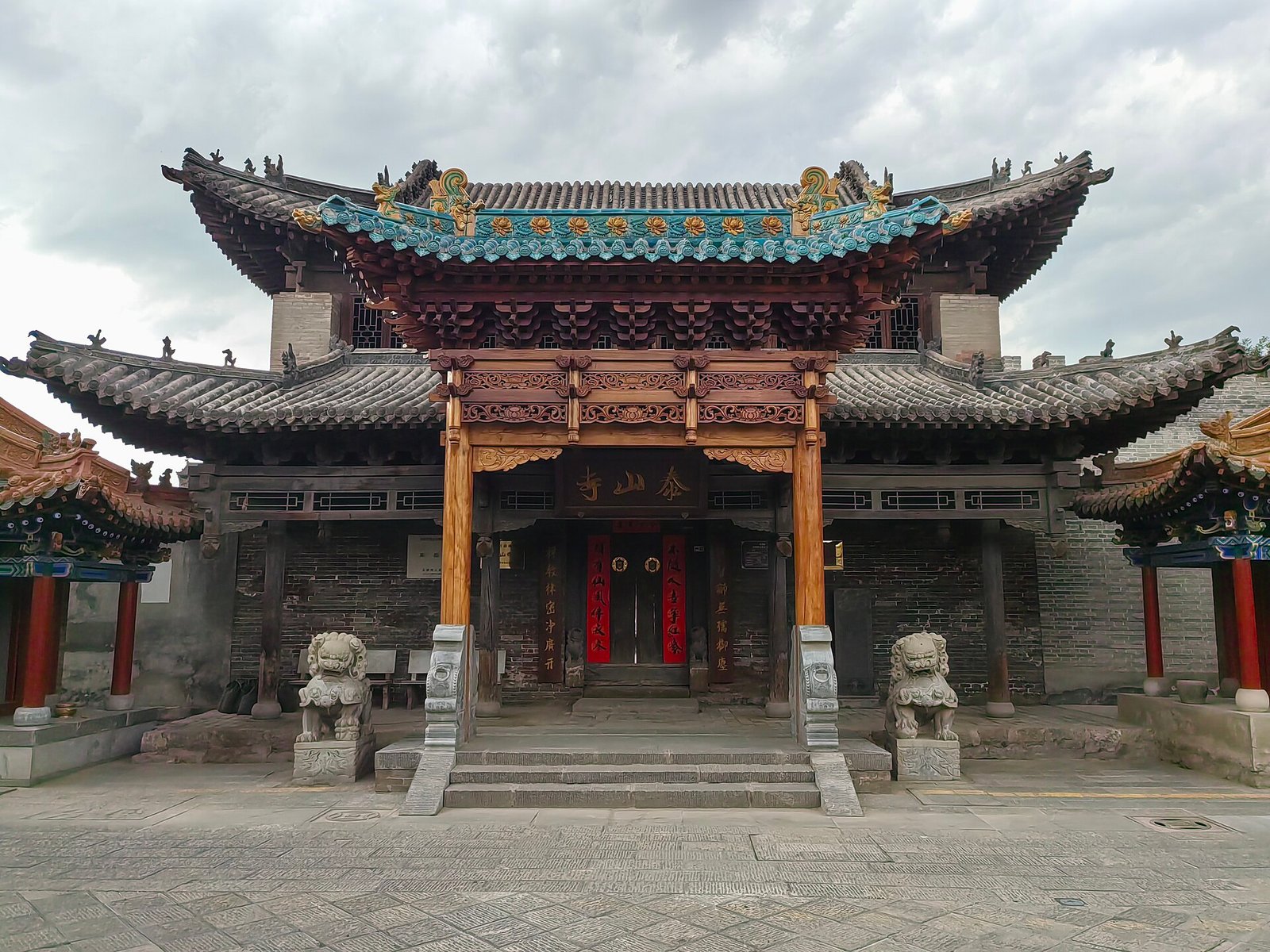
Jinyang: the city that was burned and then flooded
The original city was founded around 497 BC by Zhao Yang, a minister of the state of Jin, and over the next fifteen centuries it became one of the most important cities in northern China: capital of the state of Zhao at one point, the northern capital of the Tang, and finally the capital of the Northern Han.
In 979 AD the Song founder’s successor, Taizong, took it after a siege, and then did something unusual even by the standards of dynastic warfare. He burned it. When the fire did not finish the job, he had the Fen River and the Jinci springs diverted through the ruins to destroy the foundations. He then had a mountain levelled to break the city’s feng shui, and ordered the streets of the replacement town laid out in the shape of a nail, to pin down the dragon.
Whether the springs were actually diverted is debated. What is not debated is that the city was abandoned, that a new prefectural city was built some distance east — the ancestor of modern Taiyuan — and that the old site was left as farmland for a thousand years.
What is there now is extraordinary in a very quiet way, and almost nobody sees it. The site is not on the standard Shanxi circuit, which runs Beijing to Datong to Pingyao and treats Taiyuan as a station. The site covers about 20 square kilometres, and it is not a park with a gate. It is a working agricultural landscape with five villages on top of it, and the city walls survive as earthen banks — long, low ridges, two to four metres high, covered in grass and locust trees, running for kilometres between fields.
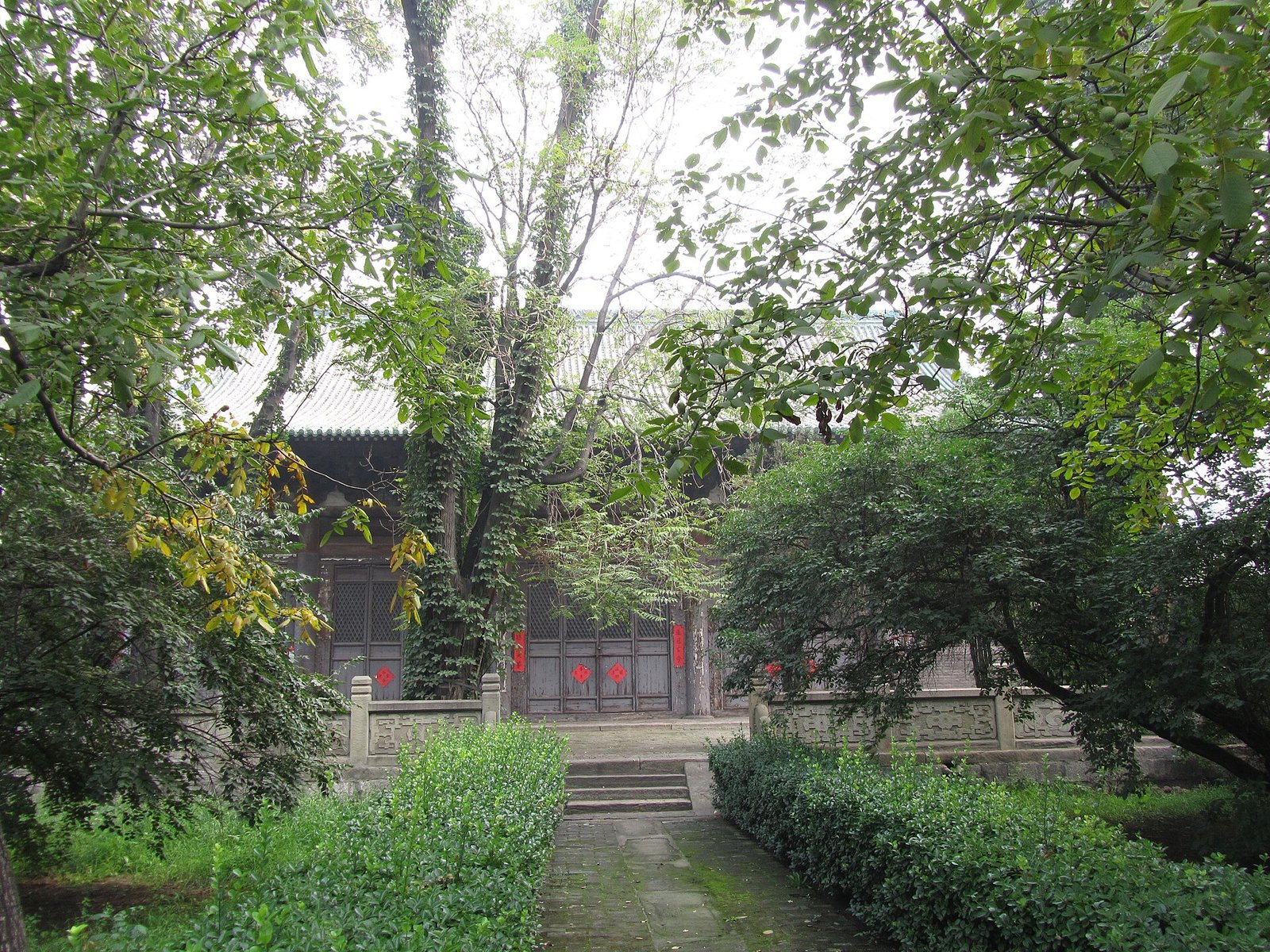
You can walk on them. There is no ticket. There is no interpretation board at most of them. In summer the wheat or the corn comes right up to the base of the rampart, and the rampart is the only thing in the frame that tells you a city was here.
| Detail | Value |
|---|---|
| Founded | c. 497 BC |
| Destroyed | 979 AD, by fire and deliberate flooding |
| Site area | About 20 km² |
| National protected site | Yes — fifth batch, announced 25 June 2001 |
| National archaeological park | Yes, among the first group designated |
| Villages on the site | Guchengying, Nanchengjiao, Beiyaoyao, Nanyaoyao, Xizhai |
| What survives above ground | Earthen wall banks, temple platforms, foundations |
| Tickets | None for the walls; the site museum charges |
The Jinyang Ancient City Archaeological Museum opened at the southern edge of the site, inside a reconstructed gate, and it is the right place to start if you want the archaeology rather than the view. It was the 101st museum in Taiyuan, which tells you something about how seriously the city takes this. The collection is excavation material — roof tiles, pottery, coins, foundation stones, a scale model of the Tang city — and it does the one thing a field cannot: it shows you what was under it.
Most visitors do not come here. That is not a reason to skip it, but it is a reason to be honest about what it is: a landscape, a museum, and a lot of walking in the sun, with almost no English signage. If you have a spare half-day and any interest in how Chinese cities are excavated, it is one of the best places in the country to see it. If you have one day in Taiyuan, spend it elsewhere.
The rebuild: eight years, 3,732 metres of wall
The Ming county town was founded in 1375, the eighth year of the Hongwu reign, by a magistrate named Pan Yuanying, on the southern part of the Jinyang ruins. It served as the seat of Taiyuan County through the Ming and Qing, which is why its Confucian temple is a national protected site rather than a local one — county-level Confucian temples were built to a specification that only the seat could carry.
The town’s plan is unusual and the reason for its nickname. It is not a square. It is described as a phoenix: the south gate is the head, the north gate the tail, and the four corner towers the wings — “the city pond, the phoenix soaring” (城池凤翔余). The result is a slightly irregular rectangle with a cross-street, and the shape is visible from the wall.
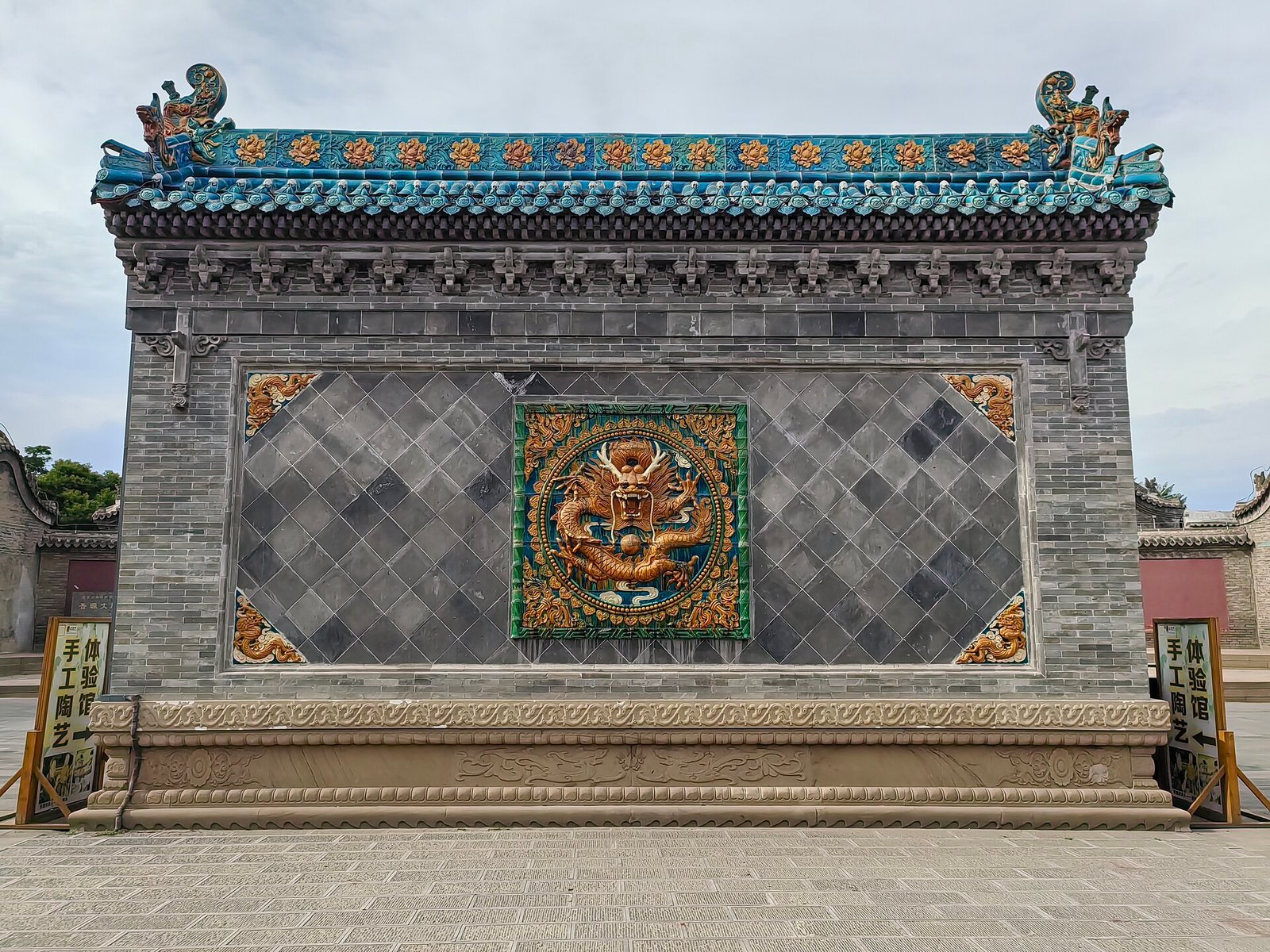
By the twenty-first century most of it was gone. What survived was a street pattern, a handful of temples, and a lot of low-grade housing. Reconstruction began in 2013, took eight years, and finished in time for an opening on 1 May 2021.
| Detail | Value |
|---|---|
| Founded | 1375, eighth year of Hongwu, by magistrate Pan Yuanying |
| Nickname | Phoenix City |
| Area inside the walls | 0.81 km² |
| Wall length | 3,732 m |
| Wall structures | 4 gate towers, 4 corner towers, 36 watch towers, 1 Kuixing tower, 1 lookout |
| Gate openings | 6 passages, 12 arches |
| Protected structures inside | 38 sites; the Confucian temple is national-level, the Qin family house on East Street is provincial |
| Reconstruction | 2013–2021 |
| Opened | 1 May 2021 |
| Entry | Free, with real-name reservation |
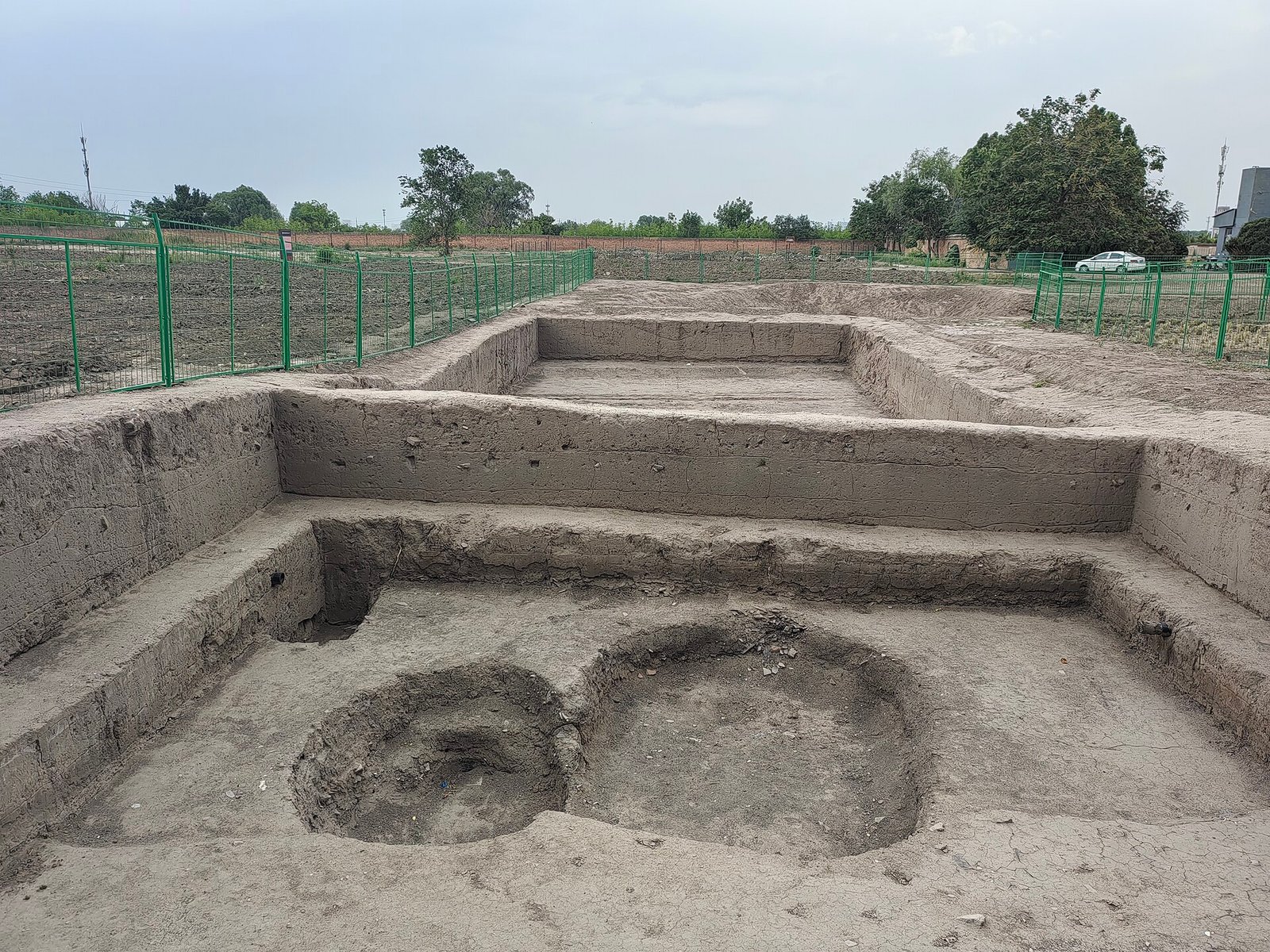
The 38 protected structures is the number to hold onto. It is the honest measure of how much is old. Thirty-eight buildings out of a whole town survived; the rest of what you see — the streets, most of the shopfronts, the wall itself, the gates — is new construction on the old plan, using old methods and old materials, in a way that is now standard practice in China and is neither a lie nor a restoration.
The number that tells you everything: 38 protected structures survive out of a whole county town. Everything else — the wall, the gates, the shopfronts, most of the streetscape — is new construction on the Ming plan. That is not a scandal; it is how almost every “ancient town” in China you have visited was made. But you should know it before you buy a ticket, because the alternative is standing on a 2021 wall and believing it is 1375.
What that means for a visitor is simple. The town is a good place to spend an evening. It is not a place to go looking for the wear of centuries, because there has not been time for any. The brick is new brick. The flagstones are new flagstones. The trees, in the courtyards, are young.
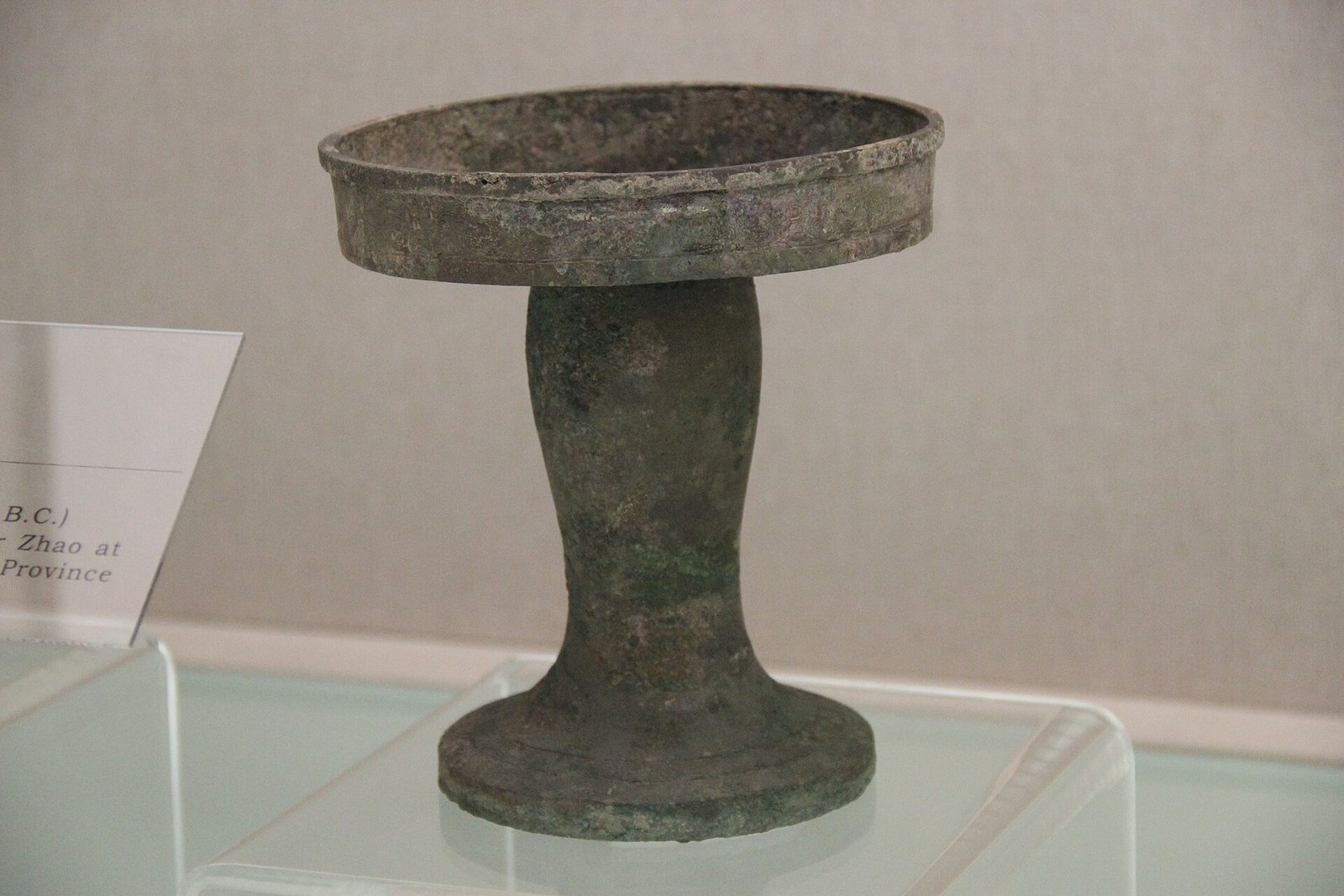
The one thing the rebuild did get right is the plan. Because the street grid is the Ming one, walking the town still tells you how a Chinese county seat was organised: government offices at the north, temple in the middle, market streets in a cross, houses in the four quadrants. That is real information, and you cannot get it from a photograph.
The third city: downtown Taiyuan
The city most visitors actually sleep in is the third one — the prefectural city founded after 979, which grew into modern Taiyuan. It is not walled any more. It has a metro, a bell tower street that has been rebuilt as a pedestrian shopping street, and one genuinely old thing that is worth a morning.
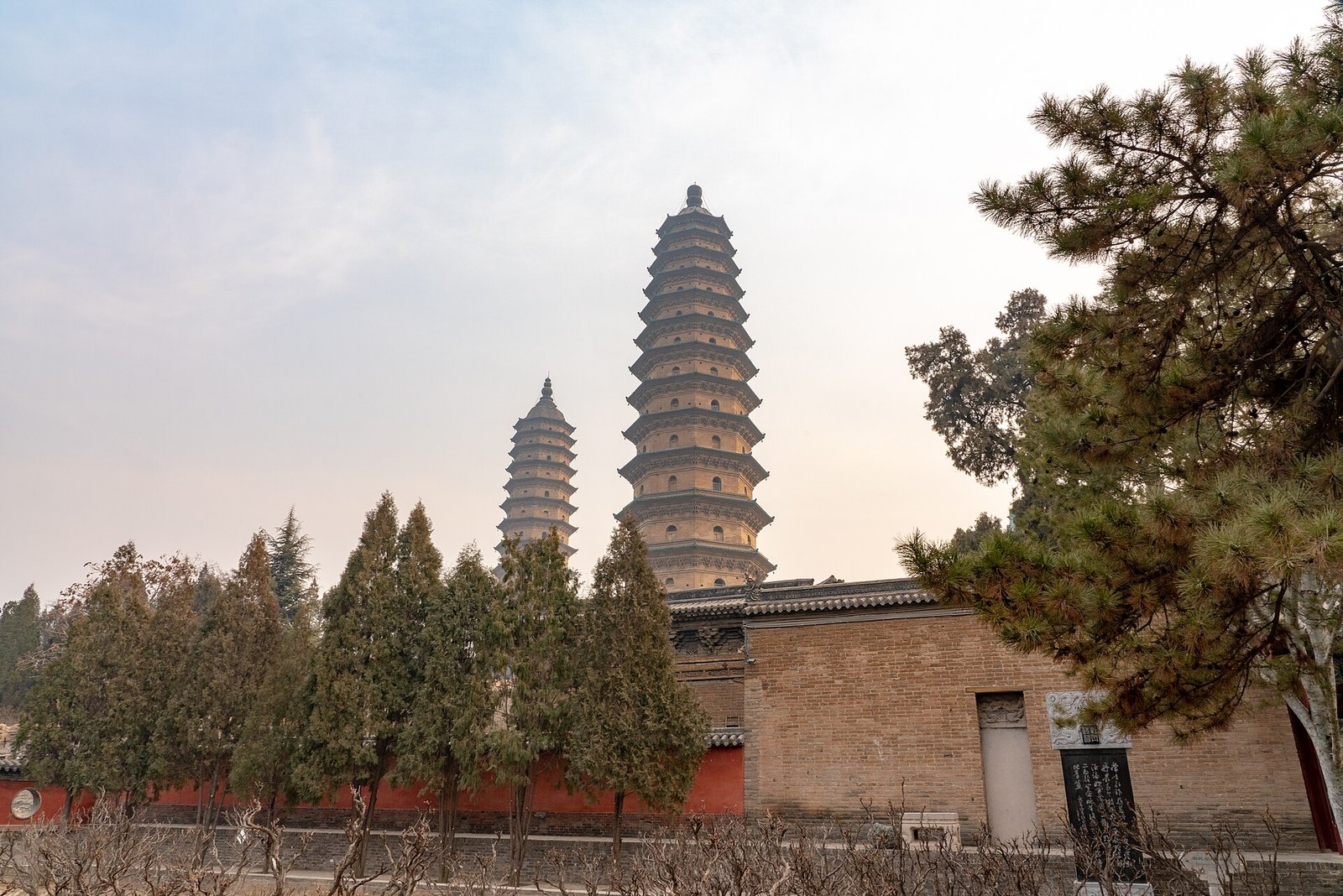
Yongzuo Temple, usually called the Twin Pagodas, is a Ming temple with two thirteen-storey brick pagodas, 54 metres each, built in 1599 and 1608. You can climb one of them. The staircase is a spiral inside a brick tube with no natural light, and the view from the top is the best in the city — the whole basin, the two rivers, and on a clear day the mountains on both sides.
Zhonglou Street is the rebuilt shopping street at the centre, and it is worth an evening rather than a visit: the façade is 1920s commercial Shanxi, the interiors are chains, and the effect after dark, with the lighting on, is better than it has any right to be. Liuxiang, the old commercial lane beside it, is where locals actually shop.
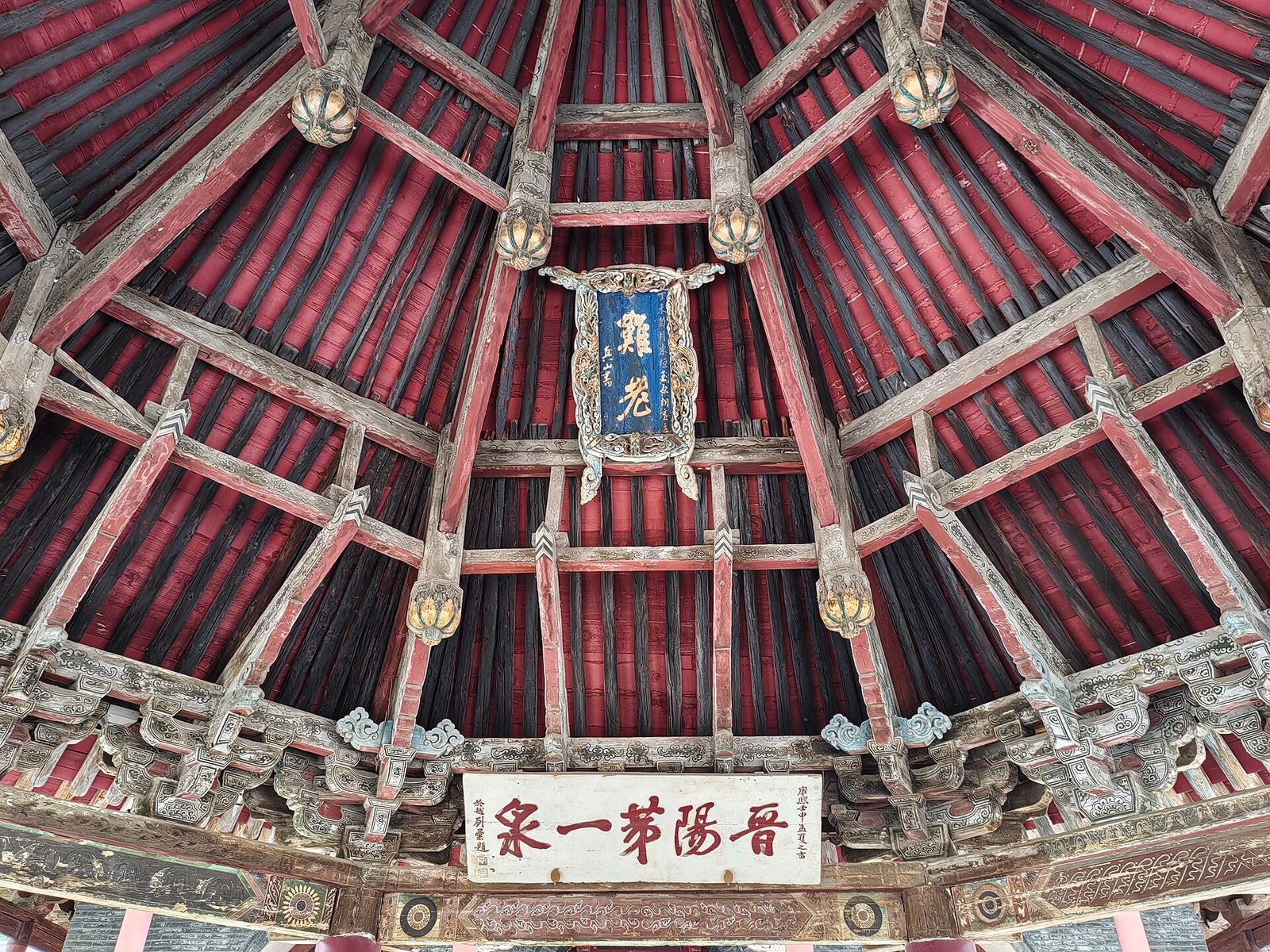
This is also where you eat. The food section below is mostly about this city, not the walled town.
Jinci: the reason to come to Jinyuan at all
Five kilometres west of the walled town, and the single best thing in Taiyuan, is Jinci — a temple complex built over a spring, added to for fifteen hundred years, and containing one of the great buildings of Chinese architecture.
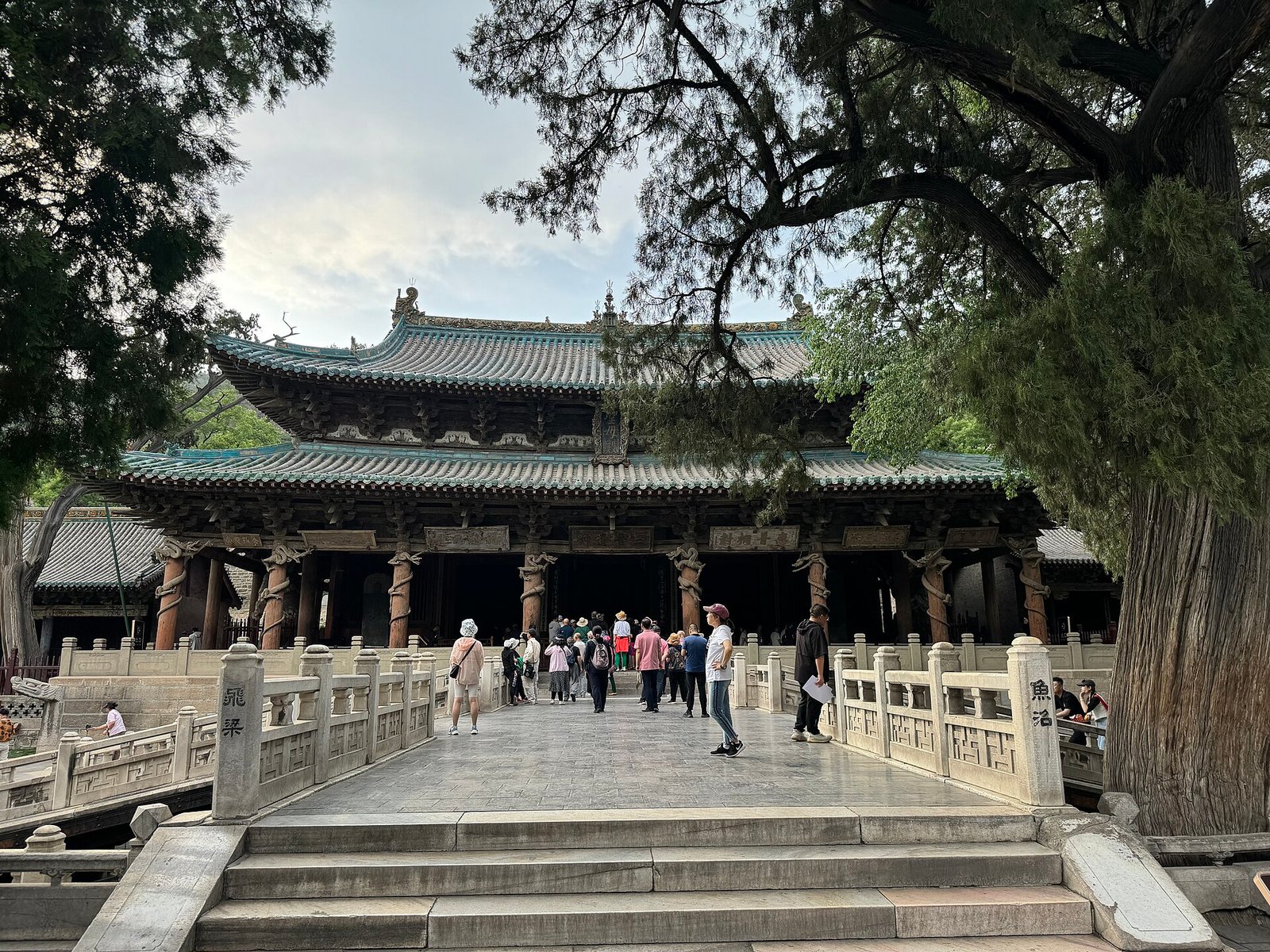
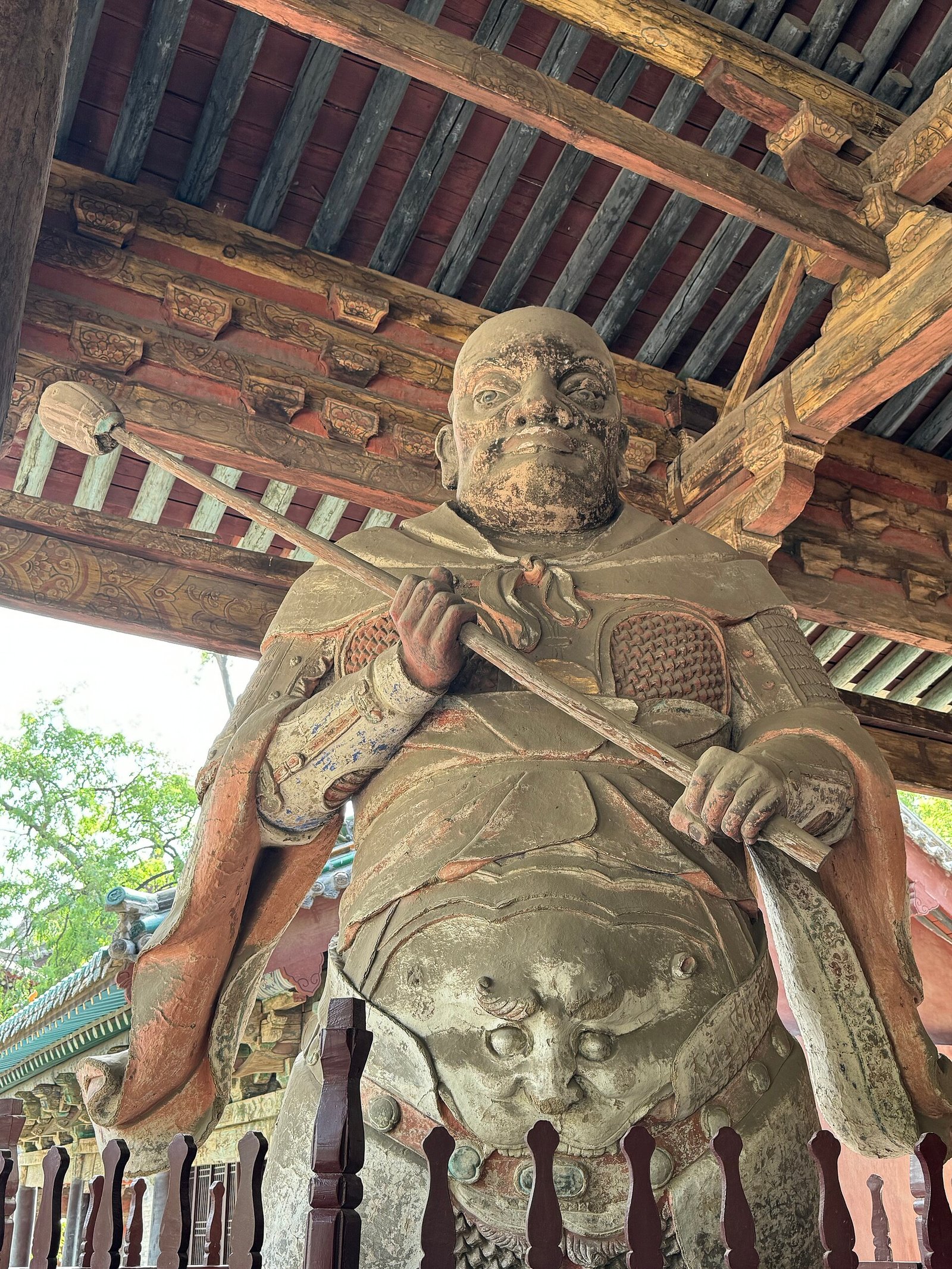
The Shengmu Hall is a Song dynasty timber hall from the eleventh century, and it is famous for two things: the curve of its roof line, which is gentler than anything built later, and the forty-three painted clay figures inside, which are original Song work. They are the reason people come. They are also, in the way of Chinese temple sculpture, considerably more human than you expect: the attendants have expressions, and several of them are clearly bored.
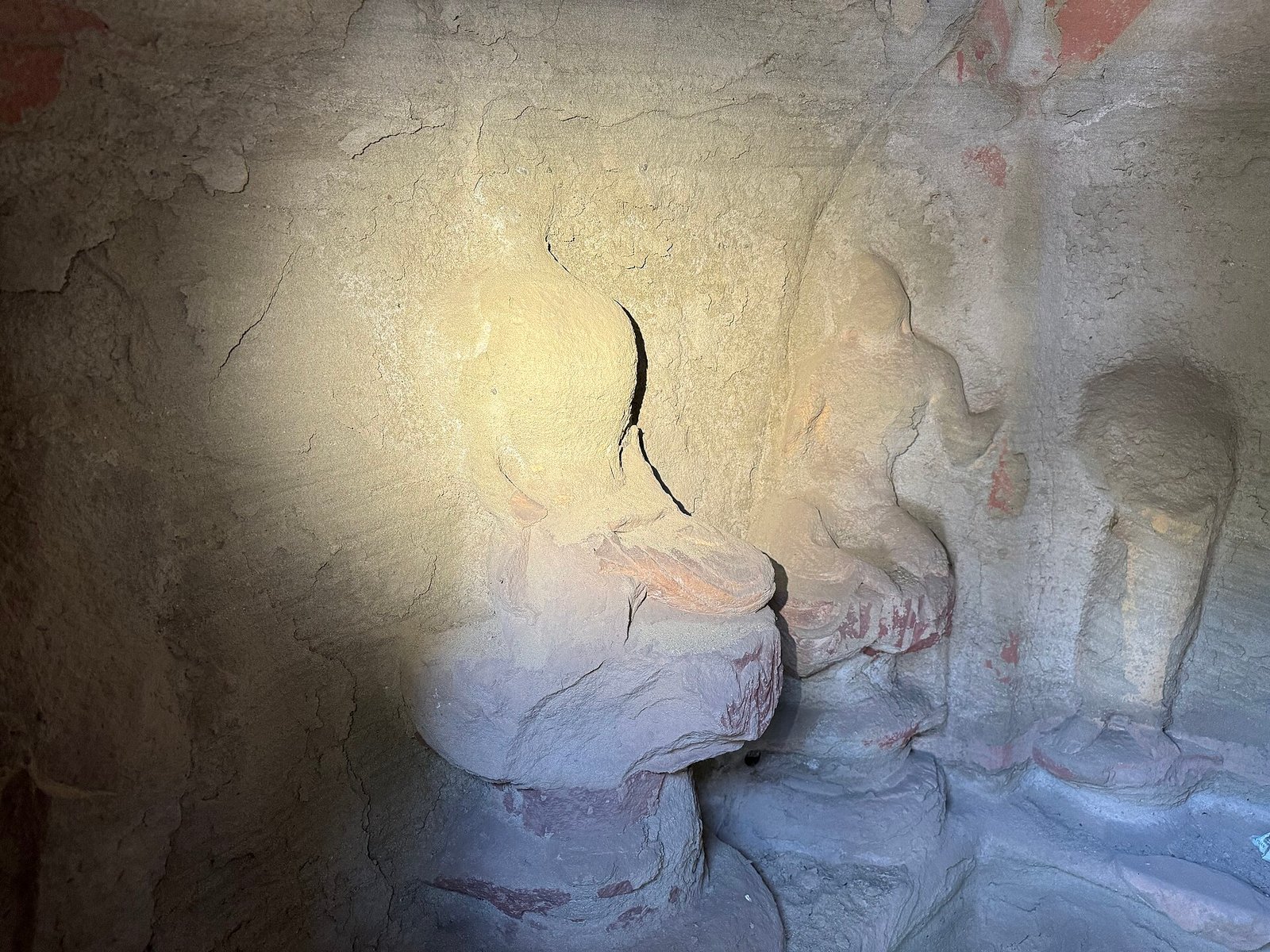
In front of the hall is the Flying Bridge over Fish Pond, a cross-shaped stone bridge on stone piers over a spring-fed pool, built in the Song and rebuilt many times, and structurally unlike anything else in Chinese architecture: four arms, meeting at a centre, with no railings on the cross axis.
The spring itself, Nanlao, still runs. It is the reason the temple is here and the reason Jinyang was here. The water comes out of the ground at a constant temperature and has been doing so since before the city existed.
| Detail | Value |
|---|---|
| Chinese | 晋祠 |
| Distance from central Taiyuan | About 25 km south-west |
| Distance from the walled town | About 5 km |
| Rating | National AAAAA scenic area; national first-grade museum |
| Full ticket | ¥80; half-price ¥40 — check which is in force on the day |
| Hours | 08:30–17:30 |
| Time needed | 2–3 hours, more if you like trees |
| Best single object | The 43 Song clay figures in Shengmu Hall |
Two practical notes. First, the ticket price is unstable: the full price is 80 yuan and a half-price concession of 40 has been running for long stretches, so do not build a budget around either number. Second, the complex is big and the signage is thin — the standard route runs from the water mirror terrace through the iron figures, the memorial arch, the offering hall, the flying bridge, and finally the Shengmu Hall, and if you follow it in that order the building lands as a climax rather than as one more hall.
Come here in the late afternoon if you can. The light comes in low from the west, through the old cypresses, and the courtyard in front of Shengmu Hall is one of the few places in Shanxi where the trees are as old as the building.
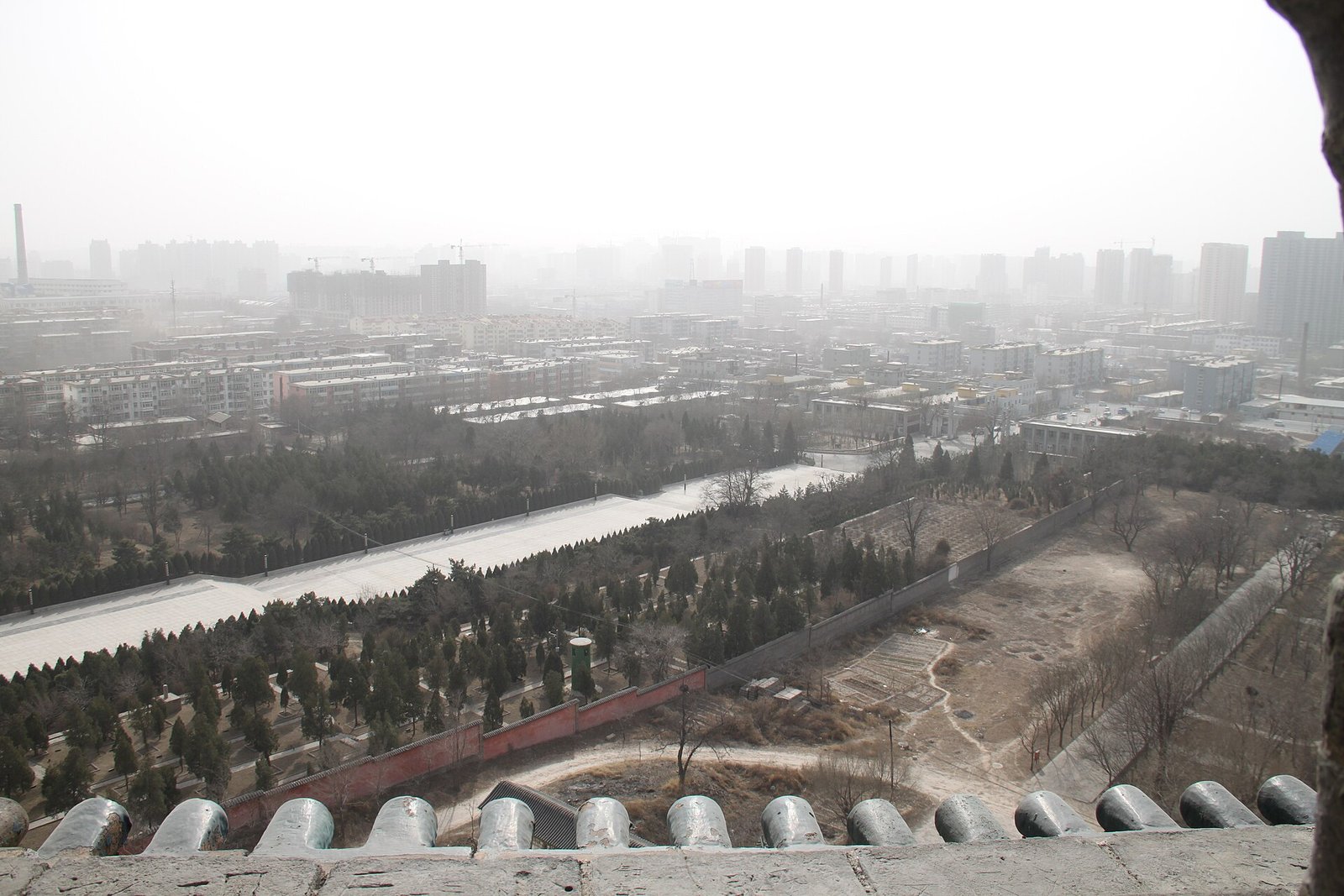
Tianlongshan: the grottoes and the head that came back
Forty kilometres south-west of the city, on the shoulder of a mountain, are the Tianlongshan Grottoes: twenty-five caves, more than five hundred figures, begun under the Eastern Wei and continued through the Northern Qi, Sui and Tang.
They are not Yungang and they are not Longmen. They are smaller, harder to reach, and in some ways more interesting, because the Tang sculpture here — the Bodhisattvas with the slight forward lean — is the point at which Chinese Buddhist carving stopped copying Central Asia and started doing something of its own. Art historians call it the Tianlongshan style.
The reason Tianlongshan is in the news, and the reason it is on this page at all, is a head. The main Buddha of the north wall of Cave 8 was decapitated and removed in the 1920s, along with most of the site’s portable sculpture, and the head surfaced in Japan. It came back in December 2020, was shown on the Spring Festival Gala in February 2021, and was formally returned in July 2021. It is 44.5 cm high, 33.7 cm wide, carved in the Sui dynasty, and it is now in the site museum.
What that means for a visit is that Cave 8 has its head back, and the museum has the story. The rest of the site is a steep walk up a mountain path with a lot of stairs, and the caves are behind iron grilles, which is frustrating and necessary.
| Detail | Value |
|---|---|
| Distance from Taiyuan | About 40 km south-west |
| Caves | 25 |
| Figures | 500-plus, plus 1,144 reliefs, caissons and murals |
| Earliest carving | Eastern Wei, 534–550 |
| The returned head | Cave 8 north wall main Buddha, Sui dynasty, 44.5 × 33.7 cm |
| Returned | December 2020; public display February 2021; formal ceremony July 2021 |
| Status of the head | National first-grade cultural relic, held at the site museum |
| Time needed | Half a day including the drive |
If you only do one thing in Taiyuan: make it Jinci, not this. The grottoes are extraordinary but they are behind grilles up a mountain, and the drive eats half a day. Jinci is twenty-five minutes from the city centre and contains a building from the eleventh century with its original sculpture still inside it. The film set is the fun stop. Jinci is the reason the trip was worth taking.
Getting there without a car is the hard part. There are buses from the Jinci area in season, but they are infrequent and the last one back leaves early. A taxi from Jinci and back, with an hour at the site, is the sane option and costs less than you would think if you agree the price first.
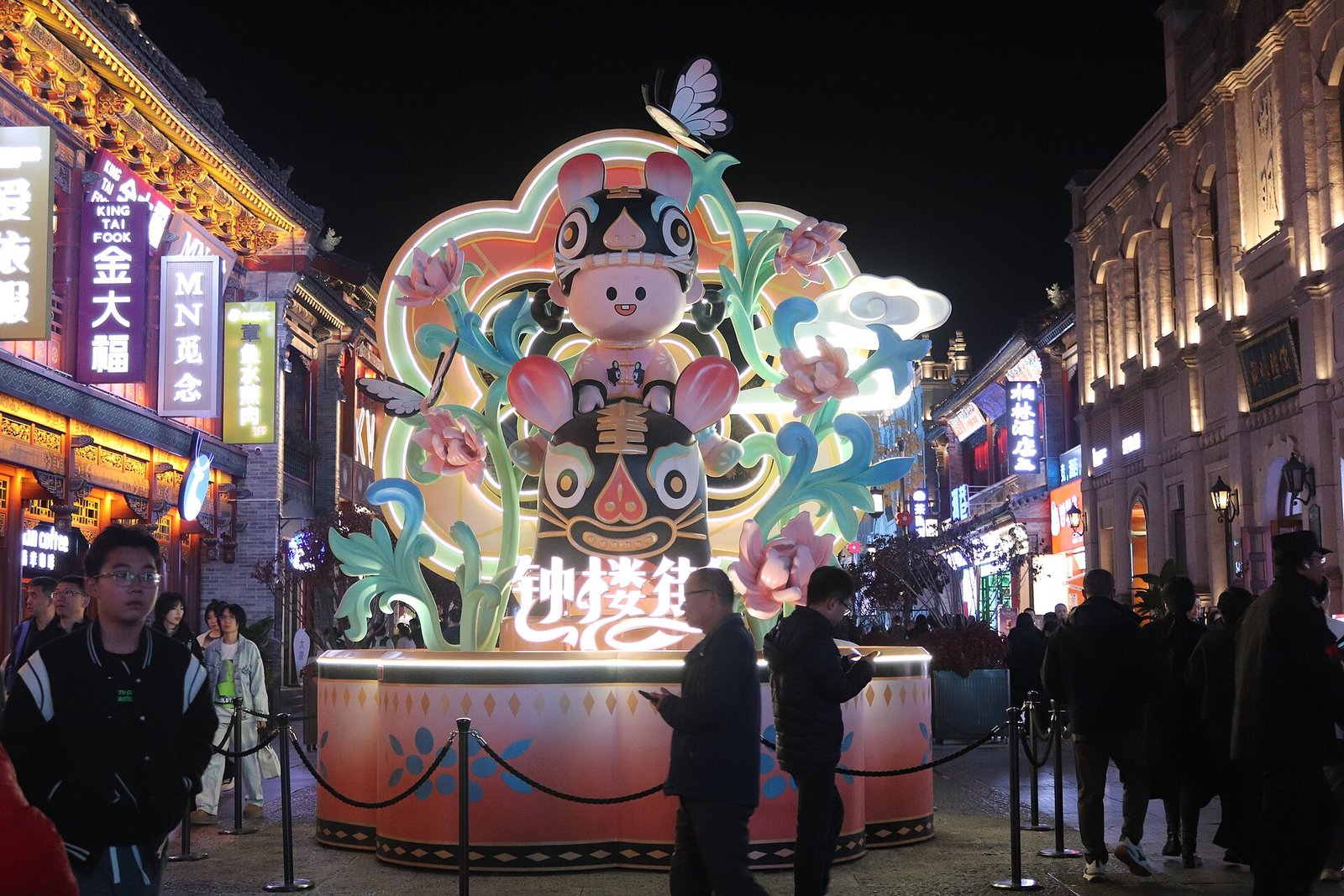
Mengshan: the other big Buddha
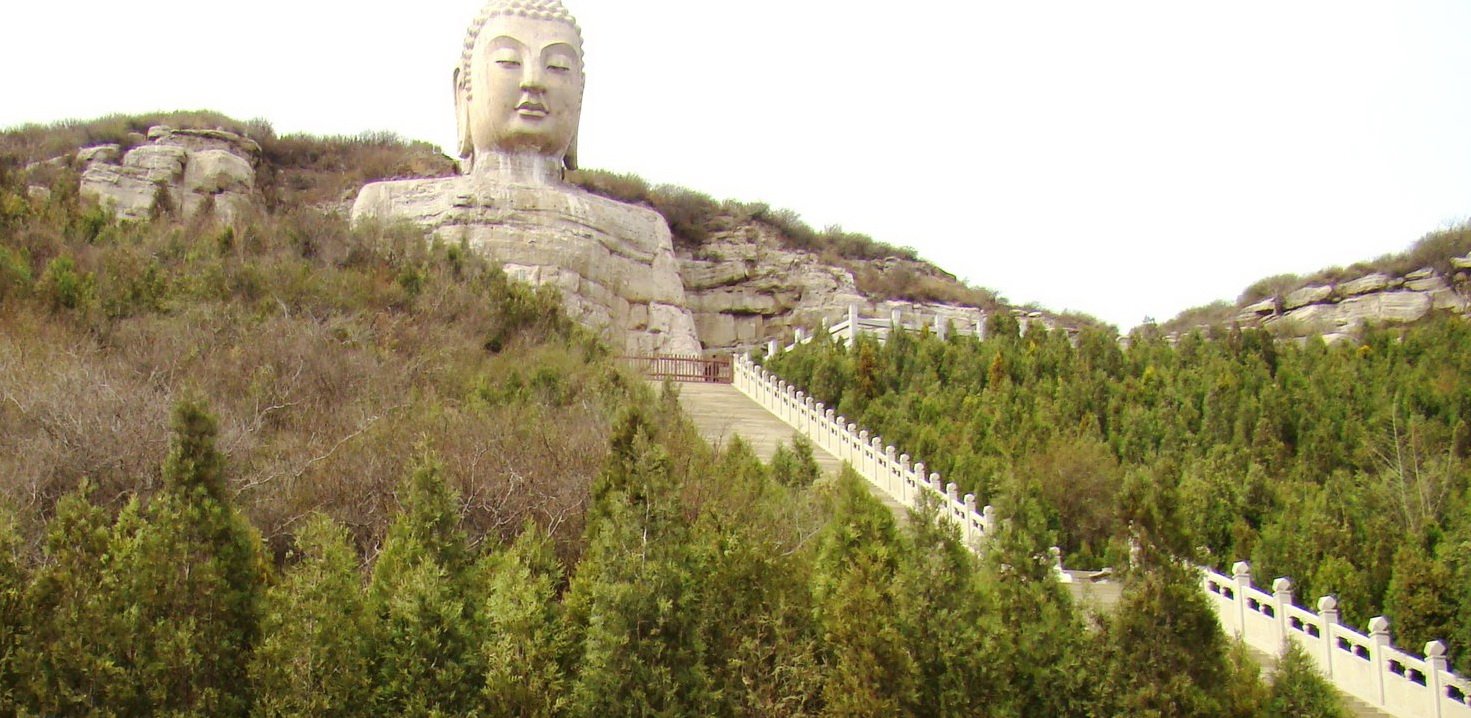
Northeast of Jinyang, on the mountain the Chinese call Mengshan, is a seated Buddha about 63 metres tall, cut into the cliff in the Northern Qi period and then — this is the interesting part — lost. It collapsed or was damaged, the cliff was quarried, and by the twentieth century the local memory of it had survived mainly as a place name.
It was rediscovered in the 1980s and re-carved in the 2000s, which makes it a useful comparison with the walled town: the same argument about reconstruction, at a much larger scale. That sentence is doing a lot of work: what you see now is a reconstruction, on the original site, at the original scale, using the original fragments as a guide. It is the largest such reconstruction in China and it is either magnificent or a very large piece of sculpture depending on your position on reconstruction, which in China is a live argument.
If you have seen the walled town and you are already uneasy about the difference between restoration and rebuilding, Mengshan is the place to think about it. The Buddha is enormous, the setting is a wooded valley with a stream, and the walk in takes about twenty minutes. There is no crowd, because there is no film.
What to eat, and the one dish you already know
Shanxi food is about wheat and vinegar, in that order. The province is also the reason the places index has a Shanxi section at all: Pingyao and Datong are here, and so is everything on this page. The province grows wheat, millet, sorghum and oats and not much rice, and it has been solving the problem of “what else can you do with dough” for two thousand years. The answer, it turns out, is about forty things.
Daoxiao mian — knife-shaved noodles — is the one you have heard of. A block of firm dough is held on the forearm and sliced directly into boiling water with a curved blade, producing short, thick, leaf-shaped noodles with one rough side and one smooth. It is a performance and it is also the correct way to make that noodle, because the rough face holds sauce and the smooth face does not.
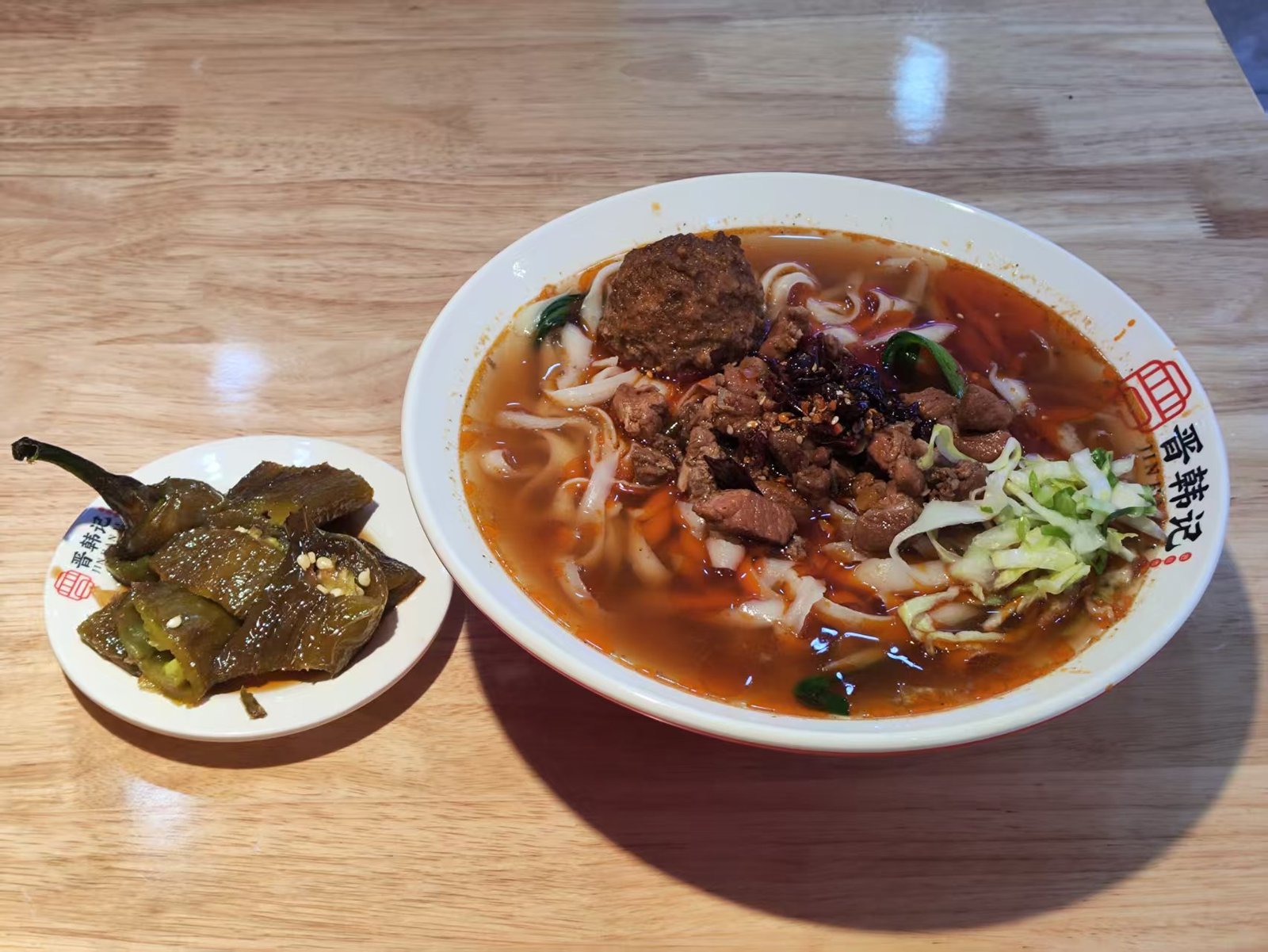
Touhao — “head” — is Taiyuan’s breakfast and it is not for everyone. It is a thick, pale, savoury soup made from mutton, yam, lotus root and a medicinal herb called huangqi, simmered for hours and served with a glass of liquor alongside it. Locals eat it at seven in the morning in winter. It tastes like a hospital that has decided to be kind to you. Try it once.
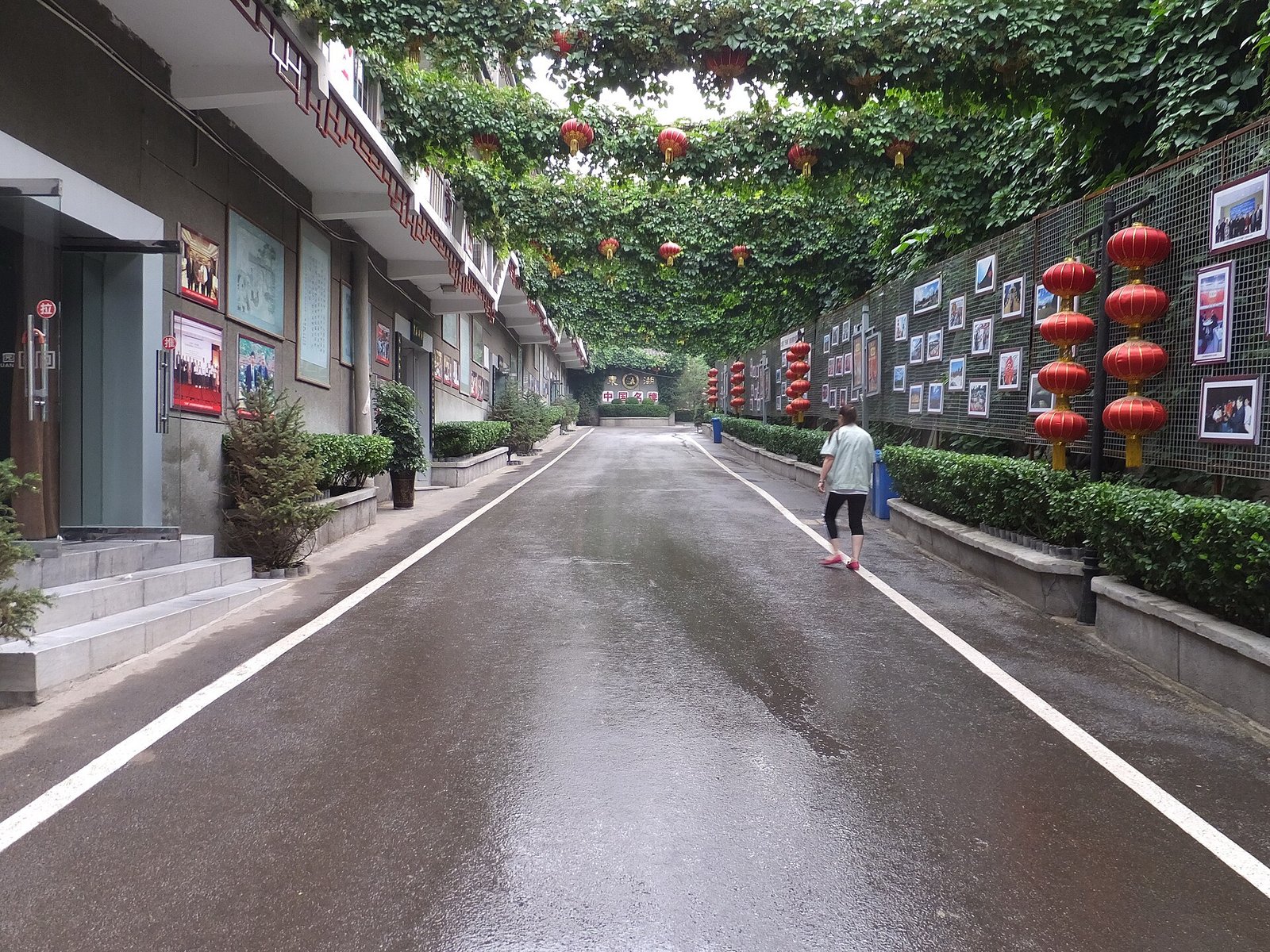
Vinegar is not a condiment here, it is a food group. Shanxi aged vinegar is dark, malty and slightly sweet, made from sorghum and aged for years, and it is on every table in a small jug. The Donghu vinegar works in Taiyuan runs a museum and a tour that ends, inevitably, in a tasting room, and it is a better hour than it sounds.
| Dish | Chinese | What it is | Where |
|---|---|---|---|
| Knife-shaved noodles | 刀削面 | Thick leaf-shaped noodles sliced into the pot | Everywhere; the chains are fine |
| Touhao | 头脑 | Mutton, yam and herb soup, with liquor | Breakfast shops, winter mornings |
| Aged vinegar | 老陈醋 | Sorghum vinegar, aged, on every table | Donghu works, or any supermarket |
| Youmian | 莜面 | Oat noodles, steamed in rolls | Northern Shanxi restaurants |
| Mutton soup | 羊杂割 | Offal soup, peppery, eaten at breakfast | Old-town side streets |
| Guo kui | 锅盔 | Hard flatbread, good for a train | Street stalls |
Inside the walled town, the east street is the food street and it is aimed at visitors: noodles, skewers, vinegar ice cream, the usual. It is fine and it is overpriced by about thirty percent. The better meal is a fifteen-minute taxi away in the old city, in any shop with plastic stools and a queue of people who are not holding cameras.
Getting there, and the airport that is not yours
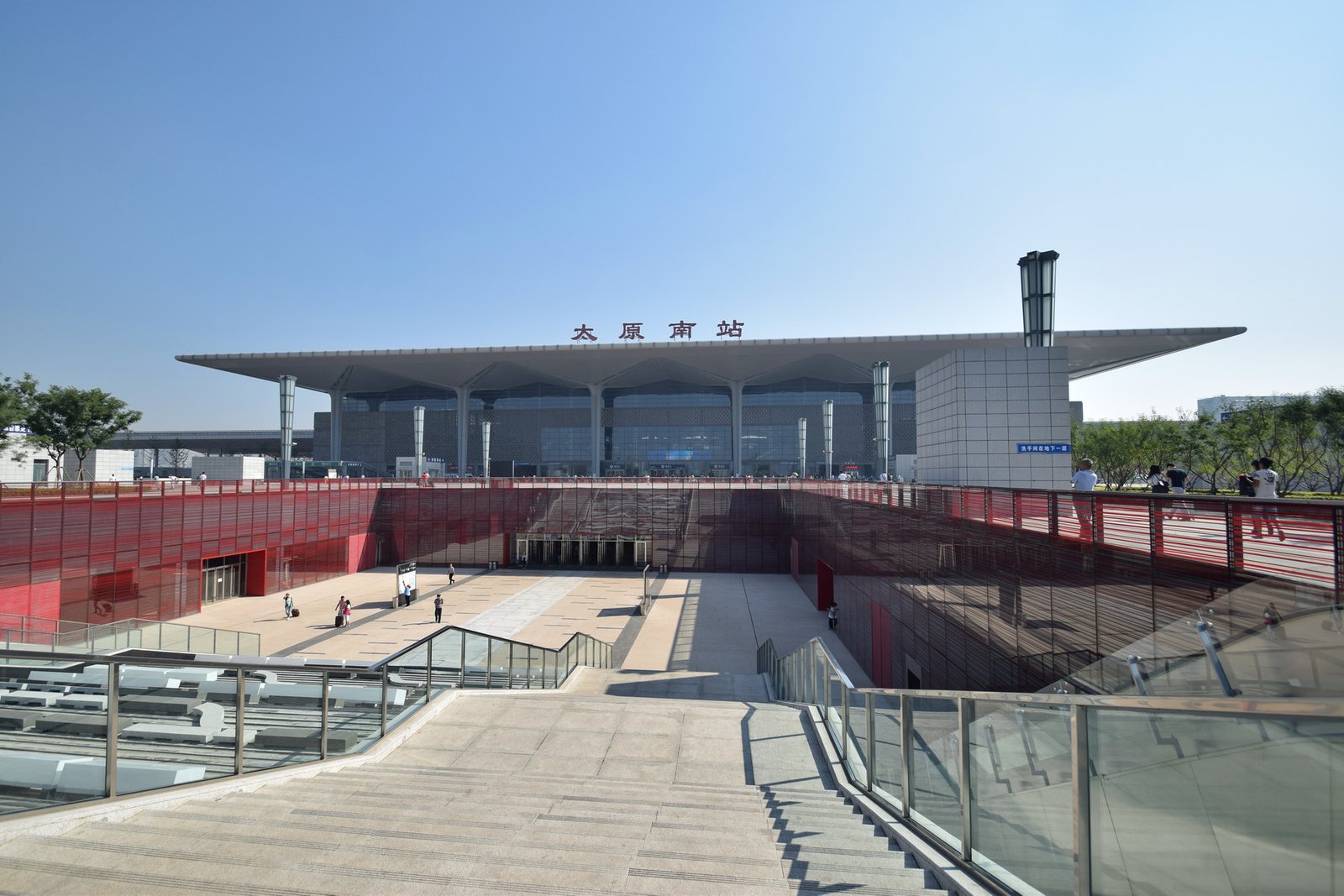
Reaching the Full River Red filming locations is easier than most foreign visitors assume: Taiyuan has an airport, two mainline railway stations and, since February 2025, a second metro line that connects them. It is easier to reach than most foreign visitors assume, and the reason they do not know that is a name collision that will genuinely cost you a flight if you are careless.
The Taoyuan trap
Taiyuan’s airport is Taiyuan Wusu International Airport, code TYN. Type “taiyuan airport” into Google and the autocomplete gives you ten suggestions. Eight of them are about Taoyuan Airport — a different airport, in a different place, about 1,800 km away, whose name differs from Taiyuan’s by one letter in romanisation and by nothing at all in a search box.
This is not a small inconvenience. People have booked the wrong flight. The two names are transliterations of different Chinese characters that happen to collide in pinyin-adjacent English, and search engines treat them as near-synonyms because enough people misspell one as the other.
The rule: search TYN, not the city name. Airport codes do not collide. If a booking site shows you a flight to TPE, you are looking at Taoyuan, in Taiwan, China, and you are three hours in the air from where you meant to be. The same applies in reverse: if you are flying to Taoyuan, do not let a cheap fare to TYN tempt you.
| Taiyuan Wusu | Taoyuan | |
|---|---|---|
| IATA code | TYN | TPE |
| City | Taiyuan, Shanxi | Taoyuan, Taiwan, China |
| Distance to this page’s subject | About 15 km from the walled town | About 1,800 km |
| Metro | Line 1, since 22 February 2025 | Airport MRT |
Trains and metro
Taiyuan South is the high-speed station, and it is the one you will use coming from Beijing (about 2.5 hours), Xi’an (about 3 hours), or Pingyao (about 40 minutes). See our rail guide for how the booking works. (about 2.5 hours), Xi’an (about 3 hours), or Pingyao (about 40 minutes). Taiyuan Station is the old central station, closer to the old city, used by slower trains.
Metro Line 1 opened on 22 February 2025 — not in December 2024, which is what the government’s own mid-2024 announcement said it would do. It runs 24 stations and 28.74 km from Helongwan to the airport terminals, and it connects Taiyuan Station, Taiyuan South and Wusu Airport on one line. Line 2, opened 26 December 2020, runs north–south through the city centre.
Neither line goes to Jinyuan. For the walled town, Jinci and Tianlongshan you need a bus, a taxi or a car. Bus 308, 856, 804 and 848 serve the Jinci area from the city; the walled town has its own bus connections from the Jinyuan direction. In practice, a taxi from central Taiyuan to the walled town is about 40 minutes and 60–80 yuan, and it is worth it.
| From | To the walled town | How |
|---|---|---|
| Wusu Airport (TYN) | About 40 min | Metro Line 1 to the city, then taxi; or taxi direct |
| Taiyuan South station | About 35 min | Taxi; metro to the centre then taxi |
| Taiyuan Station | About 40 min | Taxi |
| Central Taiyuan (Zhonglou Street) | About 40 min | Taxi, 60–80 yuan |
| Jinci | About 10 min | Taxi, 15–20 yuan |
| Pingyao | About 1 h 30 by road | High-speed rail to Taiyuan then road, or direct bus |
Two days, in order
Taiyuan is usually a transit stop between Beijing and Pingyao, and most itineraries give the Full River Red filming locations two hours at the end of a day., and treating the Full River Red filming locations as a two-hour add-on is a mistake, because the city has one of the best temple complexes in China and a film set nobody outside China knows about. Two days is the right amount.
| Day | Morning | Afternoon | Evening |
|---|---|---|---|
| One | Jinci, opening time, Shengmu Hall first | Walled town: the film compound, then the Confucian temple, then the wall | Back to the city; Zhonglou Street and dinner |
| Two | Tianlongshan, early, before the tour buses | Jinyang ruins and the archaeological museum | Twin Pagodas at sunset, then vinegar shop or Touhao for the brave |
If you only have one day, cut Tianlongshan and the ruins, and do Jinci in the morning and the walled town in the afternoon. That is the version that most people should do, and it is the version that gives you the film set without turning the trip into a heritage seminar.
If you have three days, add Mengshan and a day trip to Pingyao, which is 40 minutes away by high-speed rail and is the other walled town in Shanxi that people confuse with this one. It is worth knowing that Pingyao is a real Ming-Qing town with a continuous residential population, and the walled town here is not — which is the single biggest difference between them, and the reason some visitors find Pingyao moving and this place thin.
When to go
The Full River Red filming locations sit in a basin at 800 metres, surrounded by mountains on two sides. That gives it four sharp seasons and one specific problem: spring dust. March and April bring wind off the loess plateau to the west, and on bad days the sky is the colour of a paper bag and the mountains disappear. It is not dangerous and it is not constant, but if you are coming for photographs, avoid it.
| Season | What it is like | Verdict |
|---|---|---|
| March–April | Wind, dust, 5–18°C, bare trees | Avoid if you want photographs |
| May–June | Best light, 18–30°C, long evenings | The best window |
| July–August | Hot (up to 35°C), occasional heavy rain, crowded | Workable, start early |
| September–October | Clear, dry, 15–25°C, the basin turns gold | Equally good |
| November–February | Cold (−10 to 5°C), dry, very clear, no crowds | Good for buildings, hard on the hands |
The walled town is at its best after dark, when the lighting comes on and the newness of the brick stops mattering. It stays open until 21:00 or 22:00 depending on the season and the holiday, and the last two hours are when the day-trippers have gone.
Avoid the first week of the Lunar New Year and the first week of May. Both are national holidays, both are when every domestic tourist in Shanxi goes to the walled town, and the compound — which is small — becomes a queue.
One hour, one day, or two
| If you have | Do this | You will miss |
|---|---|---|
| One hour | The film compound, end to end, twice | Everything else in the town |
| Half a day | Compound, Confucian temple, the wall, lunch | Jinci, which is the better reason to be here |
| One day | Jinci in the morning, walled town in the afternoon | Tianlongshan, the ruins |
| Two days | Add Tianlongshan and the Jinyang site | Mengshan, Pingyao |
| Three days | Add Mengshan and a Pingyao day trip | Nothing much |
The honest recommendation is one day, structured as above. The compound does not need more than forty minutes and the town does not need more than two hours. Jinci needs three. That is a day, and it is a good one.
What a day here actually costs
Prices around the Full River Red filming locations are low by Chinese city standards and very low by European ones. The one thing that is not cheap is getting around without a car, because Jinyuan is spread out and the buses are slow.
| Item | Cost | Note |
|---|---|---|
| Entry to the walled town | Free | Real-name reservation required |
| Film compound | ¥20–60 | Standalone historically; now usually bundled |
| Wall walk | ¥15–20 | Government ceiling ¥15, on-site listings ¥20 |
| Jinci | ¥80, or ¥40 half-price | Concession has run for long stretches |
| Tianlongshan | About ¥25–50 | Varies with season and package |
| Taxi, city to Jinyuan | ¥60–80 | About 40 minutes |
| Taxi, Jinci to walled town | ¥15–20 | About 10 minutes |
| Lunch, east street | ¥30–50 | Noodles and a drink |
| Lunch, city | ¥15–30 | Better and cheaper |
| Costume rental at the set | ¥50–150 | Depends on the outfit |
| Whole day, one person, taxi | ¥250–350 | Jinci + town + compound + two meals |
Payment is almost entirely by phone. If you have not set up mobile payment yet, do it before you fly — our payment guide walks through the foreign-card route. WeChat Pay and Alipay are accepted at every counter including the ticket offices, and cash is accepted in principle and awkward in practice. Foreign cards work if you have linked one to Alipay or WeChat before you arrive; see our payment guide for how that is done.
One structural note on the tickets: the walled town, the wall, the film compound and the temples inside are four separate transactions. There is no single ticket. Budget for the compound and the wall, and treat the temples as optional extras you pay for at the door.
Four more things in the same district
Jinyuan is where Taiyuan keeps its history, and the walled town is one item on a list. If you have a car or a patient taxi driver, these are all within twenty minutes.
| Place | What it is | Time |
|---|---|---|
| Taiyuan Botanical Garden | Three glass domes built into a sunken valley, one of the more striking pieces of contemporary architecture in China | 2 hours |
| Jinyang Lake | A large artificial lake with a waterfront park; the city’s weekend breathing space | 1 hour |
| Taishan | A wooded hill with a Tang-era grotto and a temple, popular with local hikers | Half a day |
| Diantou village | A hillside village of stone houses and cave dwellings, partly abandoned, no ticket | 1 hour |
The botanical garden is the surprise, and it is the only thing in this district that is unambiguously of its own time rather than a copy of an earlier one. It is a Delugan Meissl project — three timber-lattice domes of different sizes, set into a former quarry, connected by a sunken walkway — and it is the kind of building that makes people who do not care about architecture stop and take a photograph. It is 10 minutes from the walled town and almost no foreign visitor knows it exists.
Diantou is the opposite: a village on a slope above the Jinci valley, built of local stone, with cave dwellings cut into the loess behind the houses. Part of it is empty, part of it is still lived in, and there is no gate, no ticket and no interpretation. Go in the late afternoon and walk up.
Signs, names, and the two characters you need
English signage in this district is thin. A translation app with camera mode will get you through, and our apps list covers which ones work offline in Shanxi. Jinci has some. The walled town has street names in pinyin and almost nothing else. The film compound has labels in Chinese only. Assume you will be reading with a phone.
Shanxi is inside the visa-free permitted area for most European passports, so a Taiyuan stop costs you nothing extra in paperwork — check the visa page for the current list. Two characters are worth learning before you arrive, because they appear on every sign and they mean opposite things.
| Characters | Pinyin | Meaning | Where you see it |
|---|---|---|---|
| 古城 | gǔ chéng | Ancient city / old walled town | Every sign in the district |
| 古城营 | gǔ chéng yíng | The village on the Jinyang ruins | Bus stops, maps — a different place |
| 县城 | xiàn chéng | County town | Historical descriptions of the 1375 town |
| 遗址 | yí zhǐ | Archaeological site | Jinyang, and every excavation in Shanxi |
| 影视基地 | yǐng shì jī dì | Film and television base | The compound’s official name on signs |
| 取景地 | qǔ jǐng dì | Filming location | What Chinese guides call the set |
The pair to hold onto is 古城 and 遗址. One means a town you can walk into; the other means a site you look at. In this district they are five kilometres apart and they are not interchangeable, and if you get in a taxi and say only “gucheng” you will be taken to the rebuilt one — which is probably what you want, but you should know that.
The compound is signed as 影视基地, not as a filming location, so a translation app pointed at the sign will give you “film and television base” and nothing more useful. Look for the arrow pointing north-east from the east gate.
Where to stay
Stay in the city, not in the walled town. If you are planning the wider province, see how many days you need before you book. There are guesthouses inside the walls and they are atmospheric for one night and inconvenient for everything else — no metro, few restaurants after nine, and a 40-minute taxi to anywhere you actually want to be at breakfast.
The best base is around Zhonglou Street and Liuxiang in the old commercial centre: walkable to food, on Metro Line 2, and 40 minutes from Jinyuan by taxi. The second-best is around Taiyuan South, which is convenient if you are arriving late or leaving early on a high-speed train, and has nothing else to recommend it.
Six photographs, and where to stand
- The compound gate, from inside. Shoot from the first court back toward the entrance, late morning, when the light comes over the roof and lands on the flagstones.
- A corridor, one-point perspective. Every courtyard has one. Put the camera at chest height and let the roofline converge — this is the shot the film is built out of.
- The calligraphy wall. It is the most photographed thing in the compound, which means you will wait. Go at opening.
- The wall at sunset, looking along it rather than off it. Everyone shoots the view out. The better frame is the wall itself running away from you, with the town on one side and the plain on the other.
- Shengmu Hall at Jinci, from the flying bridge. The cross-shaped bridge gives you a frame for the hall that no other position does.
- The Jinyang rampart in the wheat. Late afternoon, low sun, the earth bank as a dark line across a field. This is the photograph that shows people what an excavated city actually looks like.
Who this is for, and who should skip it
Most travel writing about filming locations pretends everything is for everyone. This is not.
| Come if | Skip if |
|---|---|
| You have seen Full River Red and want to stand in it | You have not, and will not |
| You are interested in how China reconstructs heritage, and want to see a case study up close | You want authentic old fabric and nothing else |
| You are already going to Jinci and have a spare afternoon | You have one day in Shanxi and it is Pingyao or Datong |
| You like Song architecture and want the Shengmu Hall figures | You are travelling with people who do not like temples |
| You want photographs of walls, corridors and courtyards | You want mountains, and would rather be at Tianlongshan |
The honest summary: the walled town is a good afternoon and a poor destination. Jinci is a destination. The film compound is a specific pleasure that only works if you have the film in your head, and it costs almost nothing, so the downside is small.
What you should not do is come here expecting Pingyao. Pingyao is a real town with families in it, and the difference between the two is not subtle — it is the difference between walking through a place where people live and walking through a place where people work. Both are worth visiting. They are not substitutes. If you have room for both, the Pingyao page covers the other one. Pingyao is a real town with families in it, and the difference between the two is not subtle — it is the difference between walking through a place where people live and walking through a place where people work. Both are worth visiting. They are not substitutes.
What this page does not know
Eight things we could not settle about these Full River Red filming locations, listed because a guide that hides its gaps is worse than one that admits them.
- Whether the compound was newly built or assembled from two existing courtyards. The most specific reporting says two independent courtyards were joined; at least one source says the five-courtyard structure was built for the film. The two claims can both be true — joined and rebuilt — but we could not confirm which parts are original fabric.
- The current standalone price of the film set. We found ¥20 (2023), ¥60 as part of a bundle (current listings), and one source describing the photo area as free. These may refer to different things: the set, the photo studio, and the museum bundle.
- The current wall ticket. The government-guided ceiling is ¥15; on-site listings say ¥20. Both may be correct at different counters.
- Whether entry is still free. Free entry with real-name reservation is what the official material says; some listings sell an “entry” ticket. Take the reservation route.
- How much of the 38 protected structures is open. The Confucian temple and the county office are; others are private or closed.
- The exact area of the Jinyang site. “About 20 km²” is the common figure; the protected zone and the archaeological zone are not the same boundary.
- Whether the Jinci springs were actually diverted in 979. The story is standard; the hydrology is contested.
- Opening hours for the film compound specifically, as distinct from the town. The town’s hours are published; the compound’s have changed more than once since 2023.
How to use this list: if you are planning around a price, treat every number above as a hypothesis and check the town’s official WeChat account the day before. If you are planning around the experience, none of these gaps matter — the compound is where it is, it is open, and it costs less than a museum.
How we checked this
Everything below was checked against primary material before it went on the page. Sources are tiered. For anything that changes — prices, hours, closures — we took the most official source available and then looked for the most recent, and where they disagreed we printed both rather than picking.
| Tier | Used for | Examples |
|---|---|---|
| Official | Founding dates, protected status, area, wall dimensions, metro opening | Jinyuan District government, Taiyuan municipal government, Shanxi Cultural Heritage Bureau |
| Official-adjacent | Set dimensions, ticket policy, opening dates | Scenic area announcements, provincial and municipal press |
| Trade | Current ticket bundles, hours | Booking platforms — used only for what is on sale today |
| Secondary | Context, film background | Encyclopaedic entries, film press |
| Not used for facts | — | Short-form video, aggregator reposts, anything quoting “50 mu” |
Two specific checks are worth describing, because both changed what this page says. Both were also the kind of thing that seasonal guides never catch, because they are about the calendar rather than the weather.
The metro. Taiyuan’s government announced in June 2024 that Line 1 would open in December 2024. It opened on 22 February 2025. If we had taken the announcement as fact — which is what most English-language pages did — we would have told you the airport had a metro eight months before it did.
The set’s area. The widely repeated “50 mu” figure is ten times the size of the compound and larger than the quarter it sits in. It is easy to check and almost nobody does, because the number is not load-bearing for anyone’s argument. It is load-bearing for yours if you are deciding whether to spend an afternoon there.
Questions people actually ask
Where was Full River Red filmed?
The Full River Red filming locations are all in a five-courtyard compound in the north-east quarter of Taiyuan Ancient City, in Jinyuan district, Taiyuan, Shanxi. The production arrived on 26 April 2022. Almost the entire film was shot inside that one compound.
Can I visit the Full River Red set?
Yes. It opened to the public on the film’s release day, 22 January 2023, closed for a refit on 7 February 2023, and has reopened since as a paid attraction inside the free-to-enter walled town.
How much does it cost?
Entry to the walled town is free with a real-name reservation. The film compound has been priced at ¥20 (2023) and is currently sold at around ¥60 as part of a bundle. The wall is a separate ticket, quoted at ¥15 (government ceiling) and ¥20 (on site). Check on the day.
Is Taiyuan Ancient City actually ancient?
The street plan is from 1375. The walls you can touch were built between 2013 and 2021. The ground under it holds a city founded around 497 BC. So: yes, no, and yes, depending on which layer you mean.
What is the difference between Taiyuan Ancient City and Jinyang Ancient City?
Jinyang is the original city, founded around 497 BC and destroyed in 979 AD; its site is about 20 km² of farmland and earthen walls with five villages on it. Taiyuan Ancient City is the Ming county town built on the southern part of those ruins in 1375 and rebuilt in 2021. They are a few kilometres apart and about 1,900 years apart.
Is the film set worth the trip from central Taiyuan?
If you have seen the film, yes, and combine it with Jinci. If you have not, go to Jinci and skip the set — the compound is a nice courtyard without the film and a very good one with it.
How long do I need at the set?
Forty minutes. It is 7.5 mu — a large house, not a palace. People who budget half a day are usually disappointed.
Do I need to book?
The walled town requires a real-name reservation for free entry, usually obtainable on arrival or through the official WeChat account. The film compound and the wall are ticketed separately.
When is the best time to visit?
May–June and September–October. Avoid March–April for the dust, and avoid the first week of the Lunar New Year and the first week of May for the crowds.
How do I get there from Beijing?
High-speed rail from Beijing to Taiyuan South, about 2.5 hours, then a 35-minute taxi to Jinyuan. Direct flights to TYN also exist and take about an hour.
Is there an airport trap?
Yes. “Taiyuan airport” autocompletes mostly to Taoyuan Airport, which is a different airport about 1,800 km away. Search TYN, not the city name.
Can I combine it with Pingyao?
Yes, and you should if you have a third day. Pingyao is about 40 minutes from Taiyuan South by high-speed rail, and it is a genuinely old walled town with residents in it — the thing this one is not.
What should I eat?
Knife-shaved noodles, Shanxi aged vinegar on everything, and touhao for breakfast if you are brave. The east street inside the walled town is fine and overpriced; the old city is better.
Your next move
If you are building a Shanxi trip around the Full River Red filming locations, the order that works is Beijing → Taiyuan (two days) → Pingyao (two days) → Datong (two days), by high-speed rail the whole way. Taiyuan is the stop most people cut, and it is the one with the Song dynasty hall. If you are coming from Beijing, the Beijing pages cover the other end of that line.
If you are here for the film, do this: watch it first, then come at 10:00, walk the compound once without stopping, then walk it again. Then go to Jinci and stand in front of the Song figures, which are nine hundred years older than anything in the town you just left, and were not rebuilt.
Start from the planning hub if you are still deciding how Shanxi fits into a longer trip. That contrast — a set built in 2022, a town rebuilt in 2021, a hall built in the eleventh century, and a city that was burned in 979 — is the actual experience of Jinyuan district. It is worth having, as long as you know which one you are standing in.
Last verified
Sources: Taiyuan municipal government portal — the 2024 provincial tourism conference feature on the rebuilt county town, which supplies the eight-year restoration period and the 1 May 2021 opening date, plus the separate heritage column entry giving the Ming county town’s dimensions (one kilometre east to west, 0.75 north to south, about 0.8 square kilometres) · Jinyuan District government portal, scenic-area page (September 2024) — the single most load-bearing source in the article. It states that the town was founded in the eighth year of Hongwu (1375), that it served as the seat of Taiyuan County until the Qing, that it stands on the Jinyang ancient city site, and that 38 protected structures survive inside it, of which the Confucian temple is national-level and the Qin family house on East Street is provincial. It also gives the figure of 2,500 years of cultural continuity, which is the basis for the article’s three-layer structure. Where other sources say 79 historic structures, we use the district government’s 38 · Shanxi Provincial Cultural Heritage Bureau and People’s Daily Shanxi — the Jinyang ancient city site: national protected site, fifth batch, announced 25 June 2001; one of the first group of national archaeological parks; site area about 20 square kilometres; the five villages standing on the protected area. The 2024 report on the park’s completion is the basis for the statement that the site now has a museum and a formal park designation · Taiyuan municipal government press office, June 2024, and the follow-up announcement of February 2025 — used as a pair, deliberately. The June 2024 briefing said Metro Line 1 would open in December 2024. It opened on 22 February 2025. Both dates are in the article because the gap is the point: it is the clearest example we found of an official plan being mistaken for an accomplished fact, and it is the kind of error that an English-language guide written from press releases would still be repeating · Taiyuan Evening News, January 2023, and scenic-area notices — the film set’s opening on 22 January 2023 at 20 yuan per person, 11:00 to 22:00, and its closure for upgrading from 7 February 2023. Those two dates together mean the widely quoted 20-yuan price was valid for sixteen days. The current bundled price of about 60 yuan comes from booking platforms and is marked as trade data rather than official pricing · Jinyuan District and Shanxi provincial tourism material on the film set — 7.5 mu of ground, a five-courtyard enclosed compound, 5,400 square metres of built area, formed by joining two independent courtyards in the north-east quarter. The claim that the compound was newly built for the film also circulates; the two are not necessarily contradictory and the article says so rather than resolving it. The 50-mu figure that appears in short-form video is ten times too large and is rejected · Jinci Museum and Taiyuan municipal material — the 80-yuan full ticket with a long-running 40-yuan concession, 08:30 to 17:30, national AAAAA rating, national first-grade museum, and the 25-kilometre distance from the city centre. The Shengmu Hall’s eleventh-century date and its 43 painted clay figures are from the museum’s own material · Tianlongshan Grottoes museum and Shanxi cultural heritage material — 25 caves, more than 500 figures, 1,144 reliefs, caissons and murals, Eastern Wei origin, and the Cave 8 north-wall head: Sui dynasty, 44.5 by 33.7 centimetres, returned in December 2020, displayed on the Spring Festival Gala in February 2021, formal ceremony July 2021, national first-grade cultural relic · Film trade press and the distributor’s own material — the 22 January 2023 release, 159-minute runtime, and the 4.544 billion yuan gross, sixth-highest in Chinese film history and the director’s highest. The 26 April 2022 crew arrival date is from local reporting on the production · Wikimedia Commons — all twenty photographs, under CC BY, CC BY-SA or public domain licences, credited individually in the captions. Two findings from the image search are recorded in the body rather than in these notes: the six files named “Taiyuan historic sites” are categorised on Commons as Pingyao City Wall, and the twelve files named “Jinyuan, Taiyuan” are categorised as Jinci, not as the walled town. The only free-licensed photographs of the town itself come from a single June 2025 upload series, and there are none at all of the film set
Spotted something out of date? Email us — or read how corrections work. We check every report against the source and update the page.
Ready to plan it? Turn the dramas you have watched into a day-by-day route with the C-drama route planner.
Not sure where to start? Take the drama-city quiz — seven questions, one city, and a route waiting at the end.