
742 photographs of a drama, none of its mountain
Something strange happens every time a C-drama makes a small place famous. The drama gets photographed to death; the place does not get photographed at all. Both statements are about the same internet, on the same day, and they do not contradict each other, because they are two different internets that happen to share a search box.
Here is what we mean. On 19 October 2026 we searched Wikimedia Commons — the free image library this site draws its own pictures from — for The Untamed (陈情令), the 2019 adaptation of The Founder of Diabolism whose fans turned a Guizhou mountain into a destination. 742 images of the show and its fandom. Then we searched for the mountain in Guizhou where its finale was filmed — Luosike Mountain, above Duyun. Zero usable photographs. The single image that answered was a sea snail.
That gap is the subject of this page. Not because the gap is a scandal — it is not — but because every traveller who has tried to look at a drama location before booking a flight has met it, and almost nobody writes down what it is. Filming location photos do not behave like any other kind of travel photography, and if you are planning a pilgrimage the difference decides what you can see before you go, what you can legally publish after you come back, and which searches will quietly burn your afternoon.
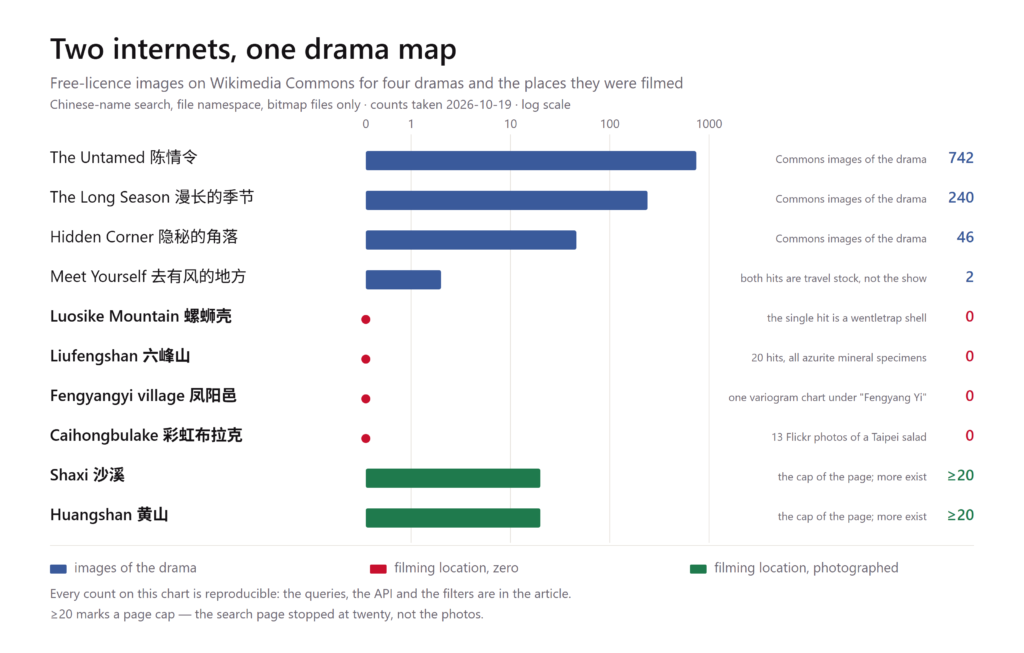
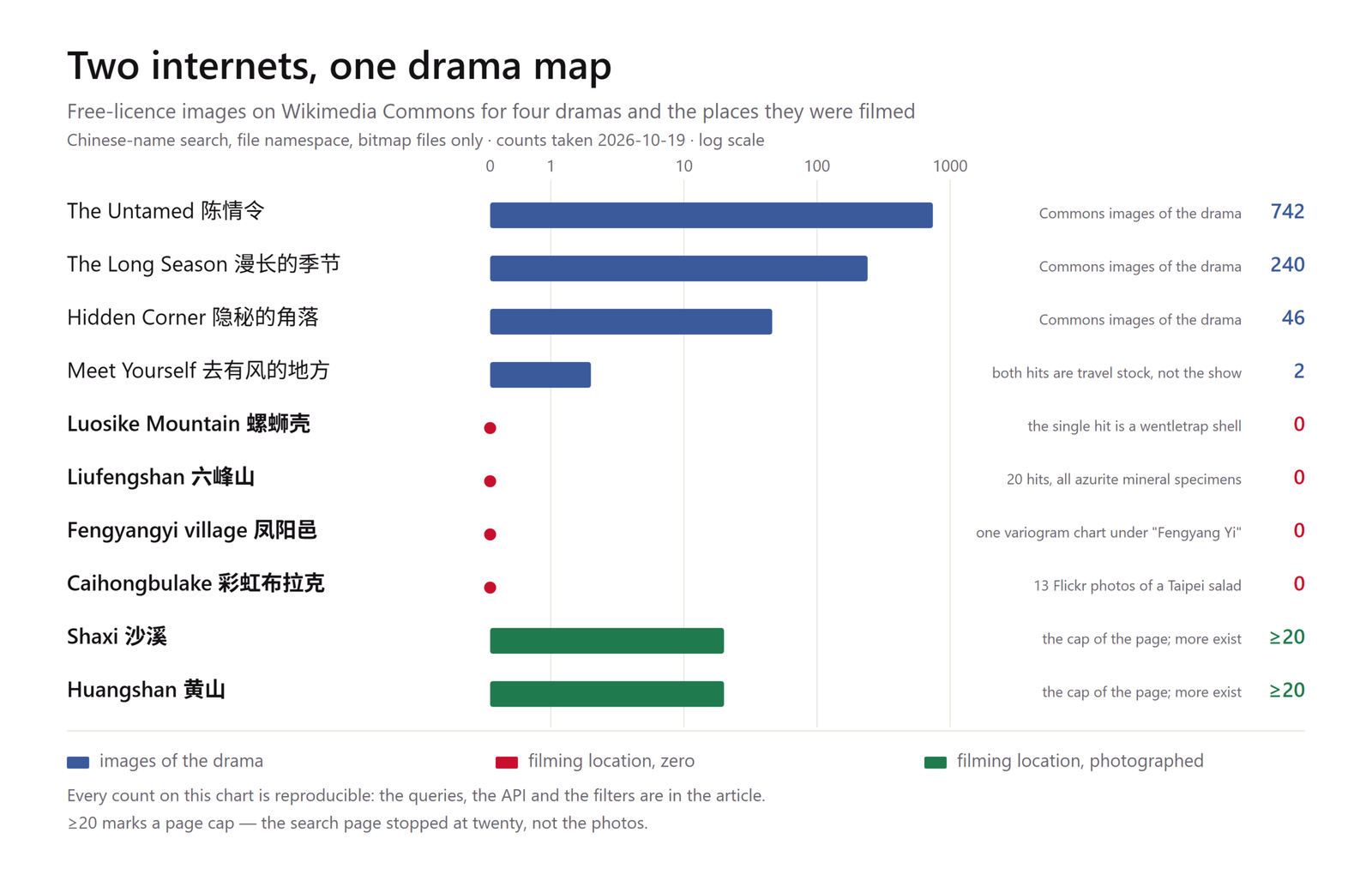
The short answer. A drama name is a search magnet; the village it was filmed in is not, because the two attract different photographers. On the day we counted, four popular dramas held 742, 240, 46 and 2 free-licence images on Wikimedia Commons, while three of their filming locations — a mountain above Duyun, a village outside Dali and a hamlet in northern Xinjiang — held none at all. What answers instead is almost predictable: a snail shell, a statistics chart, a Taipei steakhouse salad. Two places that do have photographs, Huangshan and Shaxi, earned them decades before any drama existed. Every count on this page is dated, every query is printed, and you can rerun all of them tomorrow.
Everything below is measured, dated and reproducible. Where we did not check something, we say so.
The search always answers something. That is the danger.
A missing result is a gift: it tells you the truth in one glance. A wrong result is the danger, because it looks like an answer. We ran five query families against each of the three empty places — the Chinese name, the pinyin, the name plus its county, the name plus its nearest city — and every family came back with something. Nothing came back with the place.
| The place | The drama | What the search returns | What it actually is |
|---|---|---|---|
| Luosike Mountain 螺蛳壳, above Duyun, Guizhou | The Untamed (2019) | 1 image on Commons; 1 on Openverse | A wentletrap shell — the sea snail Epitonium scalare, photographed in 2008. 螺蛳 means river snail, and the engine heard a snail |
| Fengyangyi village 凤阳邑, outside Dali, Yunnan | Meet Yourself (2023) | 1 image on Commons, reached under the pinyin “Fengyang Yi” | A statistics chart of variogram models, uploaded in 2024 by a geostatistics author. The village is not in it |
| Caihongbulake 彩虹布拉克, Habahe, Xinjiang | My Altay (2024) | 13 images on Openverse | Photographs of one Taipei steakhouse dish called Jack’s Rainbow Salad. 彩虹 means rainbow; the rainbow won and the village lost |
None of the three has a category on Commons either — there is no Category:Luosike Mountain, no Category:Fengyangyi, no Category:Caihongbulake. A category is how Commons organises photographs of a place; no category is how it doesn’t.
How we counted, so you can rerun it tomorrow
Wikimedia Commons has a search API that reports the total number of matching files, not just the first page. We used action=query&list=search with srnamespace=6 (files only), srinfo=totalhits, srlimit=20, and a search string of the place or drama name plus “filetype:bitmap”, which strips out video, audio and PDF uploads. Openverse, the aggregator that indexes Flickr’s Creative Commons material among others, was queried at /v1/images/ with license_type=all-cc. All counts were taken on 19 October 2026. Anyone can rerun both queries in a browser; the numbers on this page are not ours, they are the libraries’.
One methodological note matters. We searched in Chinese, not English, and the reason is that English drama titles are frequently ordinary English phrases. “To the Wonder” returns 54,341 files — a Terrence Malick film plus every waterfall, sunset and cathedral anybody has captioned with the phrase. “The Long Season” returns 21,339. Coined names survive translation (“The Untamed”, 732), but most do not, and a count taken under the wrong language is a count of the language. The Chinese titles behave: 陈情令 returns 742, 漫长的季节 240, 隐秘的角落 46, 去有风的地方 2.
Two honest details about the numbers as printed. A result of 20 is a page cap, not a census — the search page stopped at twenty and more files exist, so we mark those counts “≥20”. And one query behaved in a way we did not fully investigate: the Chinese name of My Altay, 我的阿勒泰, returns 39,706 files. We did not read those hits individually, so we make no claim about what they show — the number is printed for completeness and used nowhere in the argument.
Luosike Mountain loses to a sea snail
The Untamed filmed in two Guizhou areas, both day trips from Duyun: the Qin-Han Movie and TV City, which is a studio, and Luosike Mountain, which is a real mountain — waterfalls and cloud forest, reached by a hired car for a half-day. Our Guizhou leg of the Cloud Recesses guide covers the logistics in detail, including the rail connection from Guiyang; for the rest of the province see Guizhou on our China by region hub. What it cannot prepare you for is the photographic record, because there isn’t one.

Duyun, the city below the mountain, has a small but real presence on Commons: a category with a handful of files. The mountain itself has nothing. Search 螺蛳壳 and the library offers you Epitonium scalare, a wentletrap shell photographed in 2008 by a Californian contributor under CC BY 2.0 — a perfectly good photograph of a perfectly different subject. Search the pinyin and you get nothing at all. On Openverse, the single hit that matches is licensed NC-ND: no commercial reuse, no derivatives, which makes it useless to almost every professional who might have wanted it.
This is worth stating plainly, because it surprises people: the mountain is not unphotographed on the internet. Chinese travel platforms are full of pictures of it, taken on phones, in the last few years, by the same fans who made the drama famous. None of those pictures are free-licensed, none of them are on Commons, and the fan who took the best one almost certainly does not know that Commons exists.
One show, two villages, and only one has photographs
Meet Yourself (去有风的地方, 2023) has two home villages. One is Fengyangyi, a Bai village at the foot of Cangshan just outside Dali, where the crew built the show’s courtyard guesthouse in local style and where the tea-horse road still runs through the village for about 1,900 metres. The other is Shaxi, the ancient market town in Jianchuan County where the village storyline was largely filmed. Same show, same year, same crew, the same audience. On Commons, on the day we counted: Shaxi held ≥20 images — the page cap, with more beyond it — and Fengyangyi held zero. The rest of the province, including Shaxi’s neighbours, is on our Yunnan page.
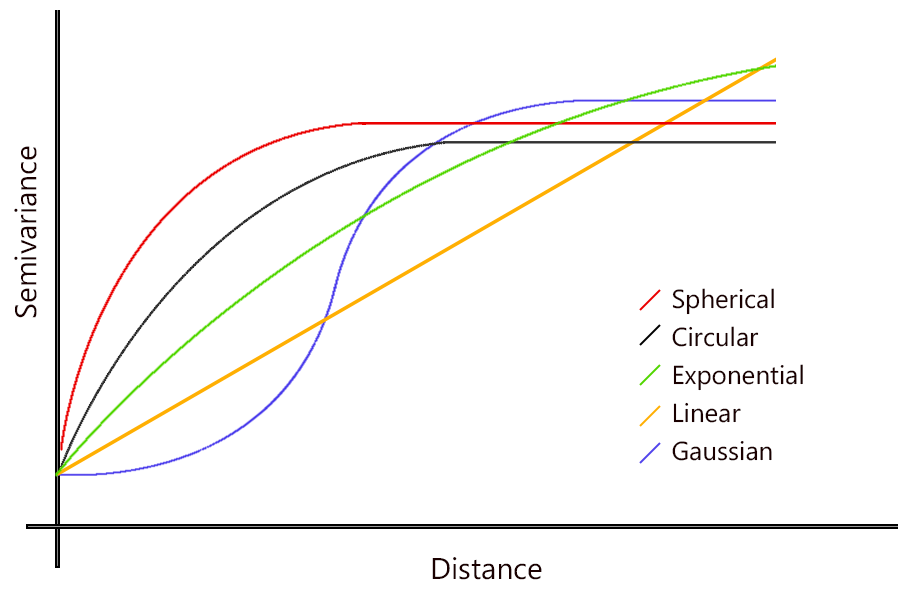
The single file that answers “Fengyang Yi” on Commons is a chart of variogram models, uploaded in 2024 by an author working in spatial statistics. It is a real, useful, well-licensed image of a subject that has nothing to do with Yunnan.
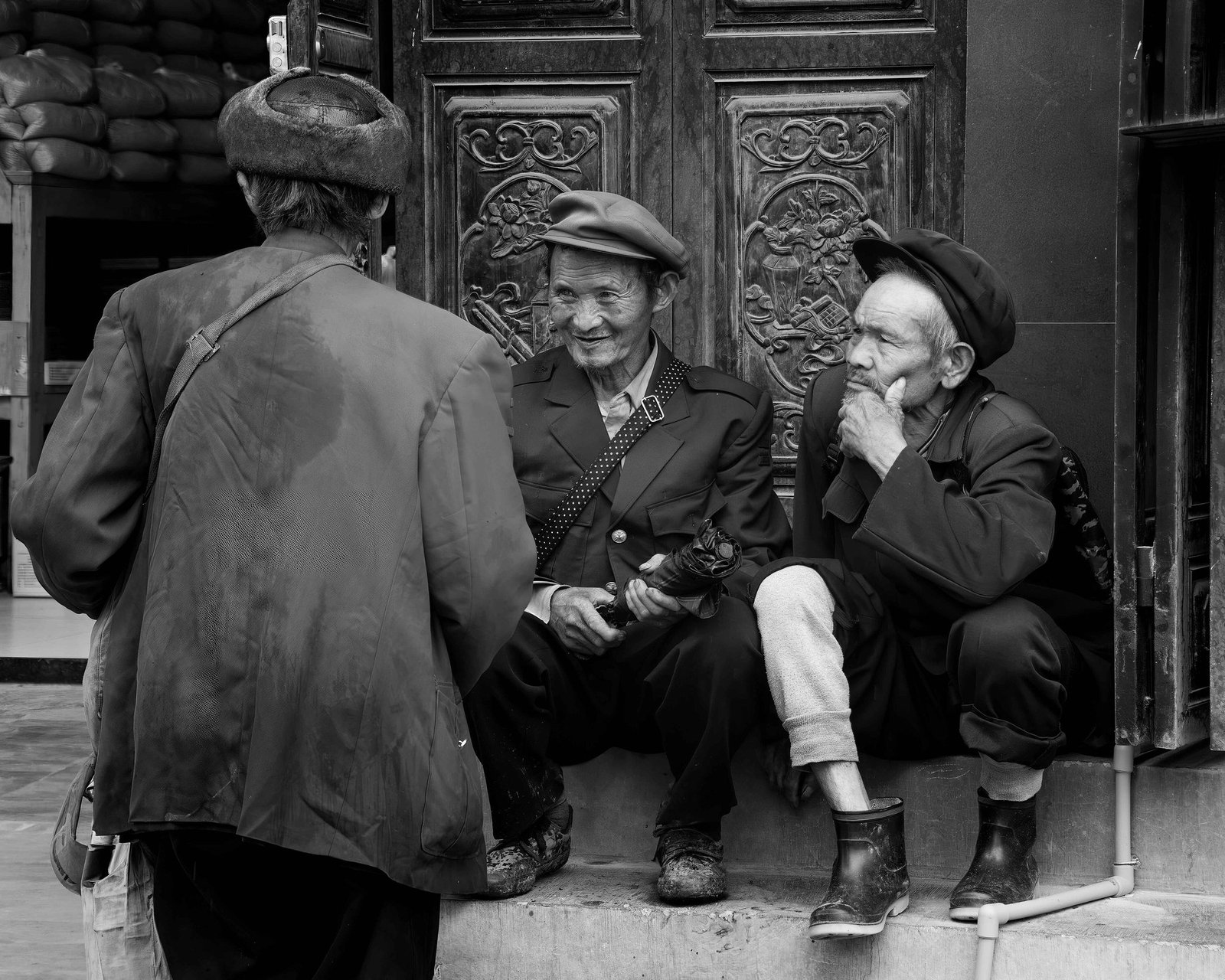
Shaxi had a twenty-year head start, and the reason has nothing to do with television. Sideng Street, Shaxi’s market square, is the last surviving marketplace on the old Tea Horse Road; in October 2001 it was named to the World Monuments Fund’s watch list of endangered sites, restoration followed with Swiss funding, and foreign backpackers have been walking through with cameras since the early 2000s. The Commons photographs of Shaxi are the filing cabinet of that traffic: a horseman on the square, a theatre stage, a street of wooden shopfronts.
Fengyangyi is also a tea-horse road village. What it did not have, until January 2023, was a reason for anyone with a camera and a licence to stand in it. Since the broadcast, its visitor numbers have multiplied many times over — by some counts past two thousand a day at peak. Those visitors carry better cameras than any Commons contributor, and their photographs stay on their phones and on platforms that are not free-licensed. Fame and photographic coverage are produced by different mechanisms, and only one of them answers to a search engine for free images.
The rainbow that beat the village
Northern Xinjiang, on the Kazakh side of the Altay mountains: Caihongbulake, a hamlet in Qibar Town, Habahe County. Before My Altay (我的阿勒泰, 2024) it was not on any map anybody outside the county had seen; our My Altay filming locations guide describes what the place became afterwards — a rebuilt film-themed hamlet with a shop, a bridge and a viewpoint. Travelling there is covered under Xinjiang on the regional hub. The free image record of the “before” is what we are here for, and it is empty in both directions.
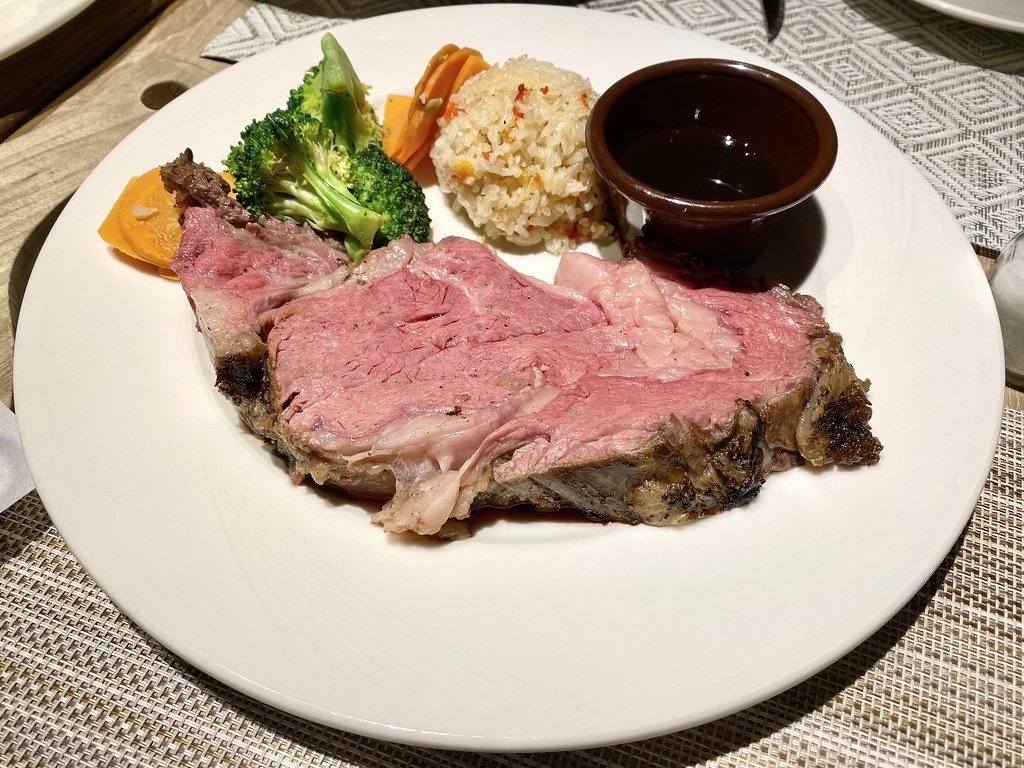
Thirteen results, and all of them the same restaurant. Search 彩虹布拉克 on Openverse and you get photographs of Jack’s Rainbow Salad at a steakhouse in Taipei — thirteen uploads of one dish, licensed CC BY-SA 2.0. The search engine did what search engines do: it found the common word. 彩虹 is rainbow, one of the most photographed colours on earth. 布拉克, from the Kazakh for spring, is a syllable string that almost no foreign photographer has ever typed. The rainbow won; the village lost; the algorithm was not confused, it was answering a different question.
On Commons the village has nothing at all — no files, no category. Which produces a small irony worth carrying into any trip: the most prominent object connected to this drama’s name in the free record is a bowl of salad in a city 4,000 kilometres from the filming location.
Five files, one of them from a different factory
The third case is not zero, and it is in some ways more instructive. The Long Season (漫长的季节, 2023) was shot mostly in Anning, south of Kunming, in the plant district of Kungang — the Kunming Iron and Steel company founded in 1939, which our Long Season filming locations guide treats as the show’s centre of gravity. On Commons the plant’s category, Category:Kunsteel, holds five files: the main gate, a lake inside the works, and three diesel locomotives.
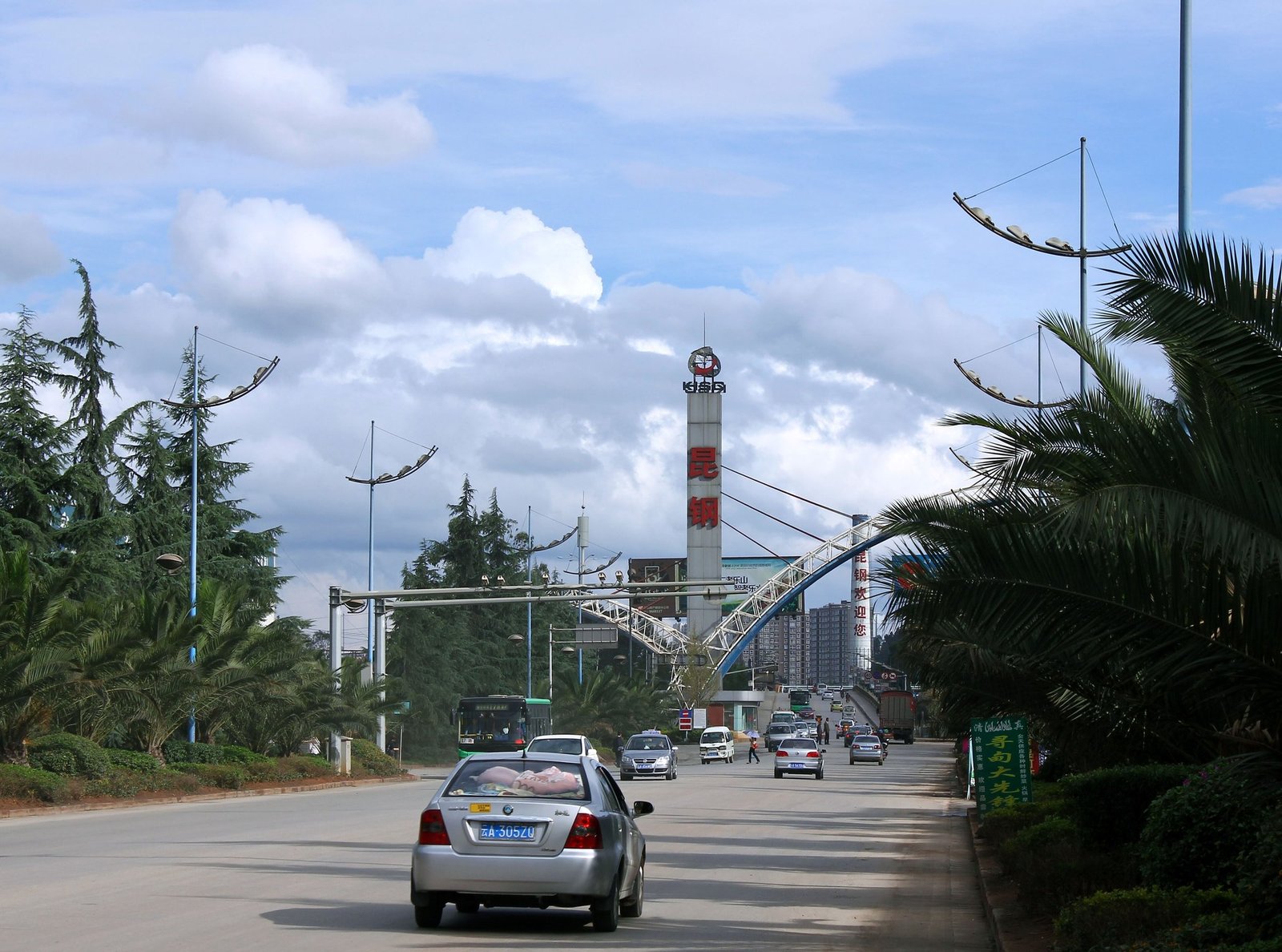
The only building photograph among them was taken on 3 June 2012, eleven years before the broadcast, by a contributor who photographed the factory as an industrial site, under CC BY-SA 3.0. It shows the works as they were in service. The show’s plant is the opposite story: a works that had been shut down and was being reopened as an industrial-culture park. So even the five existing files answer a question the reader did not ask. They document a factory that was alive; the drama is about the one that stopped.
And the English spelling behaves exactly as badly as you would fear: search “Kungang” and the library returns the work of a Polish painter whose series happens to share the syllable fragment. The show’s own promotional poster is a photograph of the plant’s gas pipes — a good image, a copyrighted still, and a reminder that the best pictures of these places are usually the ones you cannot reuse.
The mountain that lost to a mineral
None of this is new to one page on this site, and that page deserves the credit. Our Zhanjiang guide for The Bad Kids found, before we started counting, that searching Liufengshan on Commons returns specimens of azurite — the blue copper mineral recorded from a locality that shares the mountain’s name — and that the mountain itself does not exist in the free photographic record. We retested on 19 October 2026: twenty hits, the page cap, all of them mineral specimens. The mountain is fully present in the mineral record and absent from the photographic one.
We are not going to re-argue the case here; the point for this page is that the failure mode repeats. Five places, five different collisions: a snail, a variogram, a salad, a painter’s series, a mineral. The places lost all five, and in every case the engine was answering a real question — just not the traveller’s.
Who actually brings the cameras
So why does a hit drama not produce a single free photograph of its own filming location? Because the free image record is not a function of fame. The count of filming location photos is a function of who carried a camera, who understood the licence, and who bothered to upload. Count those three and you can predict the coverage of almost any place on earth.
The Chinese domestic travel web is the largest photographic archive of these locations in existence, and almost none of it is free-licensed. Photos on the OTAs and the short-video platforms are personal data, not free material; a hotel’s gallery is marketing. The free libraries are fed by a much smaller population: foreign backpackers, domestic hiking and industrial-heritage hobbyists, drone pilots who read licences, and the occasional institution. Their combined output looks less like a map of China’s beauty and more like a map of their holidays.
Three patterns fall out of the counts, and they are worth memorising before you plan a pilgrimage:
| What has photographs | What doesn’t | What the pattern predicts |
|---|---|---|
| Places on the international travel circuit for decades — Huangshan, Zhangjiajie, Wuyishan, Shaxi, Jiangmen’s diaolou country | Places whose fame arrived after 2015 — Fengyangyi, Caihongbulake, most single-drama locations | Coverage is a lagging indicator. It measures the previous generation’s holidays, not this year’s drama |
| Places with a narrow hobby constituency that files diligently — locomotives, industrial plants, temple architecture | Landscapes outside any hobby’s territory, however beautiful or famous | Five files in a category can be a whole subculture’s lifetime output. Kungang’s five files are not neglect; they are the complete harvest |
| Places with a hook name that survives translation into an unambiguous search term | Places whose Chinese names are ordinary words — 螺蛳 (snail), 彩虹 (rainbow) — or whose pinyin collides with anything else | Even where photographs exist, the search may not find them. The trap list is five collisions, not five absences |
One consequence should be stated flatly, because it corrects a common assumption about old coverage: drama fame never reaches backwards in time. No upload process converts 2019 phone photos into Commons files. The only photograph of a place that can exist today is one that someone with a camera and a licence actually took, and for most of the places this site writes about, that person has not arrived yet.
The photographed half of the same map
It would be misleading to imply that the free record is generally empty for famous Chinese places. It is not; it is uneven in a specific direction. We ran the same queries against the places this site has already written about — the same places catalogued show by show in our drama index — and the results split cleanly along the line the previous section predicts.
| Place | Why a reader might come | Commons files | Where the photographs come from |
|---|---|---|---|
| Huangshan | China’s most painted mountain range | ≥20 (page cap) | Four decades of national-park tourism |
| Zhangjiajie | The pillars Avatar borrowed | ≥20 (page cap) | National-park tourism predating the film by twenty years |
| Wuyi Mountains | Journey to the West’s most famous river scenes | ≥20 (page cap) | The same; national-park tourism, decades of it |
| Shaxi, Yunnan | Meet Yourself’s family-compound village | ≥20 (page cap) | Backpackers since the early 2000s, after the 2001 watch-list restoration |
| Jiangmen / Kaiping | The diaolou country of Let the Bullets Fly | ≥20 (page cap) | UNESCO inscription in 2007, plus a decade of film-driven visits since |
| Duyun | The base for The Untamed’s Guizhou leg | a small category, ~5 files | County-level coverage; real but thin |
| Luosike Mountain | The same show’s mountain | 0 | Nobody with a camera and a licence has stood on it |
The teaching case is Shaxi and Luosike sitting on the same page — one village in Yunnan with more free photographs than any of our readers will look at, one mountain in Guizhou with none, both made newly famous by the same mechanism, both within a day of a high-speed rail stop. What separated them was twenty years and a watch list.
What to do instead of searching for photographs
If you are planning a trip to one of these places, the absence of filming location photos is not a dead end. It just changes the order of operations. Four practical moves:
One, use the location guides for the logistics. Every place on this page has an existing guide with transport, booking and verified dates: Duyun and Luosike, Dali and Shaxi, Habahe and Caihongbulake, Anning and the Kungang plant, Zhanjiang and Liufengshan. They will tell you how to get there and what is open — the things photographs cannot tell you anyway.
Two, preview the road rather than the place. The large Chinese map services carry street-level imagery along most of the roads on this page, including the mountain road up to Luosike and the county road into Qibar Town. They are in Chinese, they are the closest thing to a free preview these villages have, and an empty result there would mean something quite different from an empty Commons search.
Three, accept that the drama stills are the only images of some of these places. They are copyrighted, they stay on the streaming platform, and no amount of searching will produce a licensed alternative. A pilgrimage whose destination has no free photographs is still worth taking; you will simply be the one holding the camera.
Four, and this is the honest next move: if you go, publish. Shoot the place, license it under Creative Commons, upload it to Commons. Every gap on this page is a gap exactly one traveller with a working knowledge of licences could close, and the five evidence images in this article are the model — not photographs of the places, but photographs of what the searches returned, released under a free licence so the next person does not have to rerun them.
If you write about these places
The counting method behind filming location photos is offered for reuse, with four rules attached:
Print the date with the count. Coverage changes the day somebody uploads. A number without a date is not evidence.
Print the query with the count. Namespace, filetype filter, language and the cap all change the answer. “742” under 陈情令 and “732” under “The Untamed” are different experiments.
Check for the same-name trap before you believe a zero. Five collisions met us in five places: a seashell, a statistics chart, a steakhouse salad, a mineral, a Polish painter. Read the titles of what actually answers. The trap is usually one ordinary word away — snail, rainbow, azurite.
Watch the licence, not just the count. The one Openverse file that matches Luosike Mountain is NC-ND: not commercial, no derivatives. A search result you cannot legally reuse is a dead end wearing a number.
What this page cannot tell you
Every count here was taken on one day, 19 October 2026, and any single upload invalidates it. The queries were run once, on the morning of 19 October 2026; the numbers may already have moved, and the honest test is to rerun them rather than to believe this page.
We did not read the 39,706 files that answer 我的阿勒泰. The number is printed because we measured it, not because we know what it contains, and it is used nowhere in the argument.
Commons and Openverse are not the whole free world. Flickr’s wider Creative Commons set, government and museum open-data collections and Wikimedia’s sister projects are outside this count, and a place can be present in one of them while absent here.
A zero means one thing only: on one day, under five query families, in two libraries, no freely licensed photograph of that place was found. It does not mean the place is inaccessible, unphotographed, or unknown. Liufengshan and Shaxi and Luosike Mountain are all visitable. They are simply unphotographed in the free record, which is a fact about volunteers and licences, not about beauty.
And the five images in this article are not photographs of the places. They are photographs of what the searches return — the snail, the chart, the salad, the factory gate, the street that did get covered. The absences are the finding, and the absences cannot be illustrated.
Your next move
The show this page opens with
742 files of The Untamed and none of its mountain is where we started. The main guide covers the other half of that question: the Hengdian sets where most of it was shot, the Guizhou mountains that made it look real, a five-day route and what it costs.
Where these places sit on one map
Photographed or not, every location we cover is pinned on the same map, so you can see which of them cluster into a route you could actually travel rather than four separate trips.
Ready to go?
A zero on this page means no free photograph, not no way in. Booking, payment, trains and the apps you need before you land are the four things you cannot sort out on the ground.
Last verified
Sources: Wikimedia Commons search API, all counts taken 19 October 2026 — action=query&list=search with srnamespace=6 (file namespace only), srlimit=20, srinfo=totalhits, and the search string set to the place or drama name plus "filetype:bitmap". Example queries, reproducible in any browser: https://commons.wikimedia.org/w/api.php?action=query&list=search&srnamespace=6&srlimit=20&srinfo=totalhits&srsearch=filetype:bitmap returns 742; the same call with srsearch=filetype:bitmap returns 1, and the one file is Epitonium scalare shell.jpg. Counts are the libraries’, not ours, and any single upload changes them · Openverse image API, 19 October 2026 — /v1/images/?q=&license_type=all-cc, page size 20. Used for 彩虹布拉克 (13 results, all photographs of one Taipei steakhouse dish, CC BY-SA 2.0, contributor bryan...) and for 螺蛳壳 (1 result, licensed NC-ND and therefore unusable for most commercial reuse) · The specific files named in the article, each checked on Commons on 19 October 2026 — File:Epitonium scalare shell.jpg (Steve Jurvetson, 16 April 2008, CC BY 2.0); File:Variogram Models.png (Ding Qile and colleagues, 2024, CC BY 4.0), the only Commons hit for the pinyin "Fengyang Yi"; File:The main gate of Kunming Iron & Steel Co. Ltd.jpg (Zhangmoon618, 3 June 2012, CC BY-SA 3.0), the only building photograph in Category:Kunsteel, which holds five files; File:Shaxi Street China.jpg (Rod Waddington, 3 August 2018, CC BY-SA 2.0). The Taipei steakhouse set is thirteen separate Flickr uploads, all CC BY-SA 2.0 · Category checks, 19 October 2026 — Category:Luosike Mountain, Category:Fengyangyi and Category:Caihongbulake do not exist; Category:Duyun holds a handful of files; Category:Kunsteel holds five; Category:Huangshan exists. A missing category is treated in the article as evidence of no organised coverage, not as proof that no photograph exists anywhere · Sideng Street, Shaxi — the World Monuments Fund listing: the market square was named on 11 October 2001 to the 2002 World Monuments Watch, described by the fund as the only surviving market on the Tea Horse Road, and restoration followed with Swiss funding. This is the twenty-year head start the article uses to explain why Shaxi has photographs and Fengyangyi does not. Source: the Baidu Baike entry for 寺登街, checked 19 October 2026, which quotes the WMF designation · Fengyangyi and the Youfeng courtyard — the guesthouse set built by the Meet Yourself crew in Bai architectural style, its location in 凤阳邑村, and the post-broadcast visitor figures (over 2,000 a day at peak, village traffic up twentyfold) come from the Baidu Baike entry for 有风小院 and from Dali municipal reporting, both checked 19 October 2026. The article uses these figures only to make the point that visitors with cameras arrived after the show, not before it · The five location articles this page links to, each of which owns the logistics for its place and was written earlier: The Untamed in Guizhou (Duyun, Qin-Han studio city, Luosike Mountain); Meet Yourself in Dali (Shaxi); My Altay (Habahe, Caihongbulake, rebuilt as a film-themed scenic area); The Long Season (Anning, the Kungang plant district, more than 70 per cent of the show); The Bad Kids (Zhanjiang, Liufengshan and the azurite collision). This page adds only the image-library finding and does not restate their conclusions · Drama names and years — The Untamed (陈情令, 2019); Meet Yourself (去有风的地方, 2023, first broadcast 3 January 2023); My Altay (我的阿勒泰, 2024); The Long Season (漫长的季节, 2023); The Bad Kids (隐秘的角落, 2020). Chinese titles are used for every Commons count because English titles that are ordinary phrases return polluted totals: "To the Wonder" 54,341 and "The Long Season" 21,339 against 去有风的地方 2 and 漫长的季节 240 · One count deliberately not used — the Chinese title 我的阿勒泰 returns 39,706 files on the same query. We did not read those results individually and make no claim about their content; the number is printed in the article for completeness and used nowhere in the argument
Spotted something out of date? Email us — or read how corrections work. We check every report against the source and update the page.
Ready to plan it? Turn the dramas you have watched into a day-by-day route with the C-drama route planner.
Not sure where to start? Take the drama-city quiz — seven questions, one city, and a route waiting at the end.