
Some cities have to be dressed for the camera. Hangzhou has spent a thousand years dressing itself. West Lake, the pagodas, the causeways, the canals threading the old town — this is the most painted and most filmed cityscape in China, and when a 2025 romance needed a city to play itself, the production simply pointed a camera at the real thing. The Hangzhou filming locations below are unusual in one respect: almost none of them are “locations” in the film-set sense. They are the city’s actual landmarks, open to anyone with a metro card.
The short answer: Hangzhou (杭州) is the capital of Zhejiang, a city of about twelve million on the Qiantang River — and the whole of The Best Thing (爱你), the 2025 iQIYI romance, was shot here. There is no studio layer and no invented city. Allow two full days: the trail runs from West Lake’s causeways to two canal lanes to a Ming-era canal town an hour north, and most of it is free. The one thing you should not skip costs ¥3 — a public water bus. And the one thing to plan around is not a ticket at all: it is West Lake’s spring traffic controls, which catch out anyone who assumes a public park is simple.
Why Hangzhou filming locations are worth the trip
Two things are true about Hangzhou at once, and they are not the same thing.
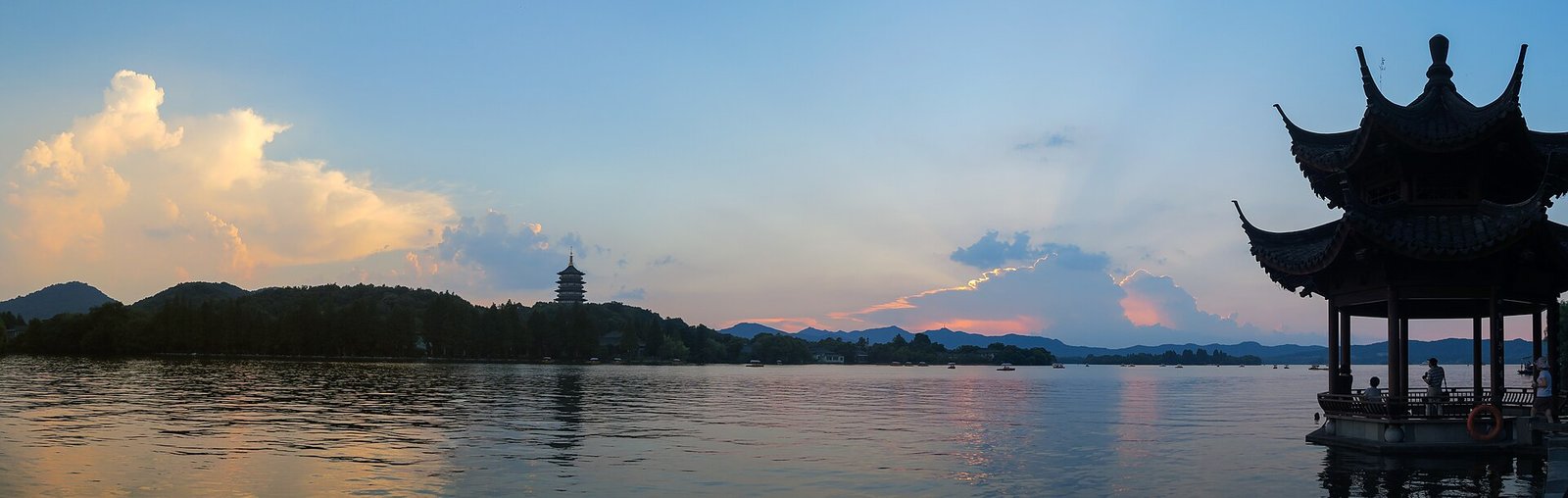
The first is that Hangzhou has been on screen far longer than any one drama. West Lake is China’s default image of beauty — the subject of a thousand poems, the setting of the White Snake legend, and a UNESCO World Heritage site since 2011. The Grand Canal that runs through the city joined that list in 2014, and the Liangzhu ruins north of town in 2019. Long before anyone set-jet for a streaming romance, this was the city Chinese television came to when it needed a landscape that already looked like a painting.
The second is the drama. The Best Thing (爱你) is a 2025 iQIYI romance directed by Che Liangyi, starring Zhang Linghe (张凌赫) as He Suye, a Chinese-medicine doctor, and Xu Ruohan (徐若晗) as Shen Xifan, a workaholic hotel manager. It was shot on location in Hangzhou from end to end, and it does not disguise the city: the heroine’s home is a real lane, her coffee shop is a real canal-side street, the accident that starts the plot happens on a real West Lake causeway. The show is a Hangzhou travelogue with a plot attached.
The local press noticed at once. When the drama aired in February 2025, Zhejiang’s own Tide News (潮新闻) ran a piece cataloguing the locations, and the phrase viewers kept reaching for was that the show had “extremely high Hangzhou content” — 含杭量超高. One line quoted in that coverage is the most useful review the city ever got: “I started watching for the idol, and got ambushed by Hangzhou’s spring.”
The practical consequence is simple, and it is the thing no glossy guide says plainly: you are not early. Hangzhou is one of China’s most-visited domestic destinations, and West Lake on a spring weekend is exactly as crowded as that implies. Go on a weekday if you can, avoid National Day week and Chinese New Year, and treat the spring blossom season as something to book around rather than wander into.
The Best Thing trail: the Hangzhou filming locations you actually see
Here is the honest version. Hangzhou is not a backlot; nothing was built for the show. What you visit are real places that happened to be in frame — which means the “trail” is really a list of good reasons to walk the city, grouped by district rather than by episode.
| Stop | What it is | The catch |
|---|---|---|
| Yang Gong Causeway 杨公堤 | The quiet third causeway of West Lake | Free; the show’s bicycle accident was shot here |
| Broken Bridge & Baochu Pagoda 断桥·保俶塔 | The two silhouettes on the lake’s north rim | Free; go at dawn, or after dark when the crowds thin |
| Wuliu Lane 五柳巷 | The heroine’s home street, a conservation block by the East River | Free; people live here — it is a lane, not a set |
| Xiaohe Zhijie 小河直街 | The coffee-shop lane, now famous for floral headdresses | Free; busiest at weekends |
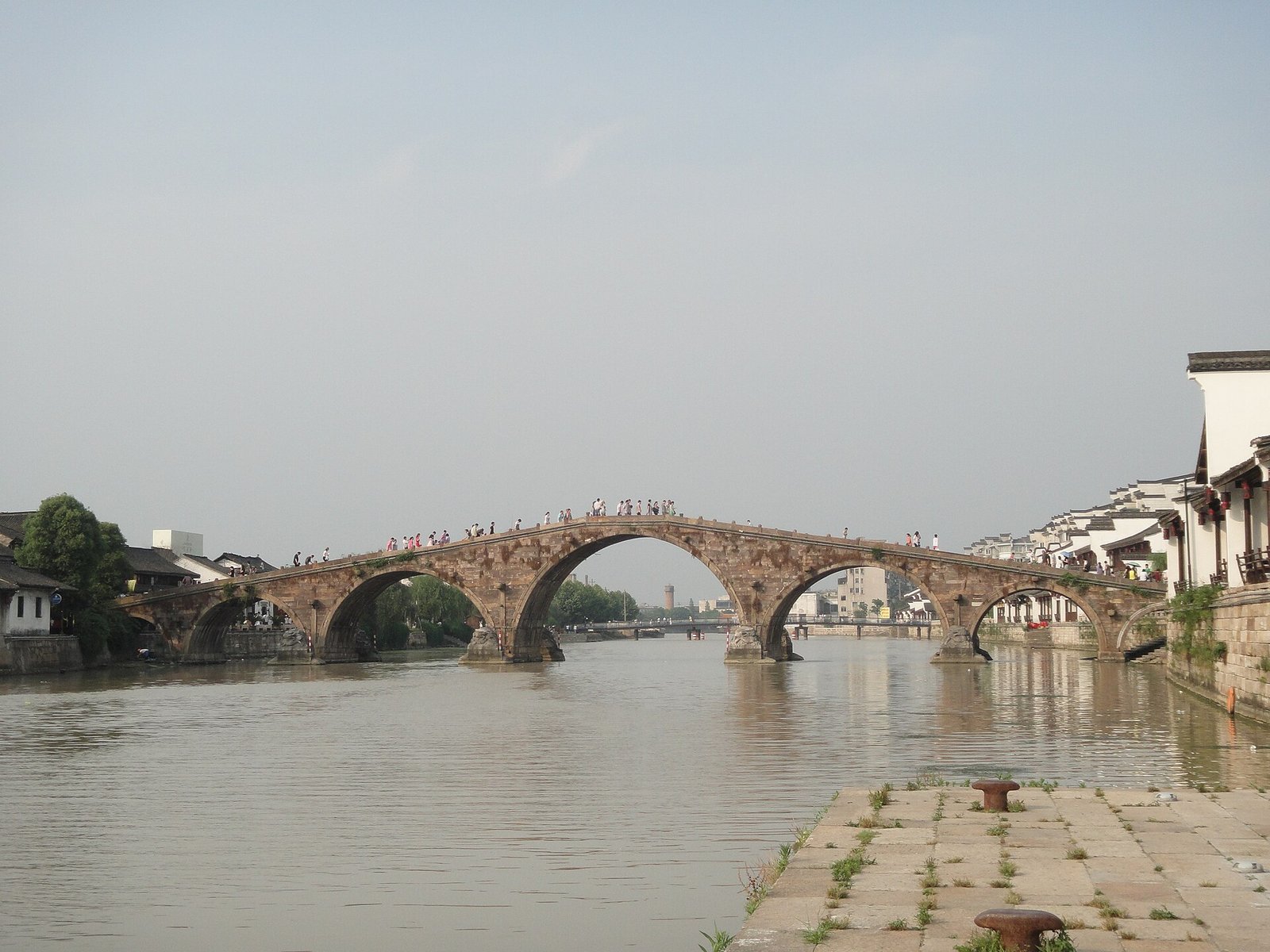
| Tangqi Ancient Town 塘栖古镇 | The grandfather’s canal town, with its seven-arch bridge | Free; about an hour north of the lake |
| Mengxiyuan 中国院子·梦溪苑 | The garden date spot, and the real cherry blossoms | ¥80; seasonal — the cherries are the point |
| Xianghu Xiaoyao Manor 湘湖逍遥庄园 | The hotel where the heroine works | A working hotel — visit as a guest or a diner |
| Baima Apartments 白马公寓 | The heroine’s home exterior, near Wulin Square | A private residential tower; exterior only, seen from the street |
| Hangzhou International Conference Centre 国际会议中心 | The gold sphere on the Qiantang riverside | A skyline shot rather than a scene |
Two of these deserve their own paragraphs, because they are the two stops that carry the most screen time — and the two that most reward simply being walked.
Wuliu Lane: the heroine’s street
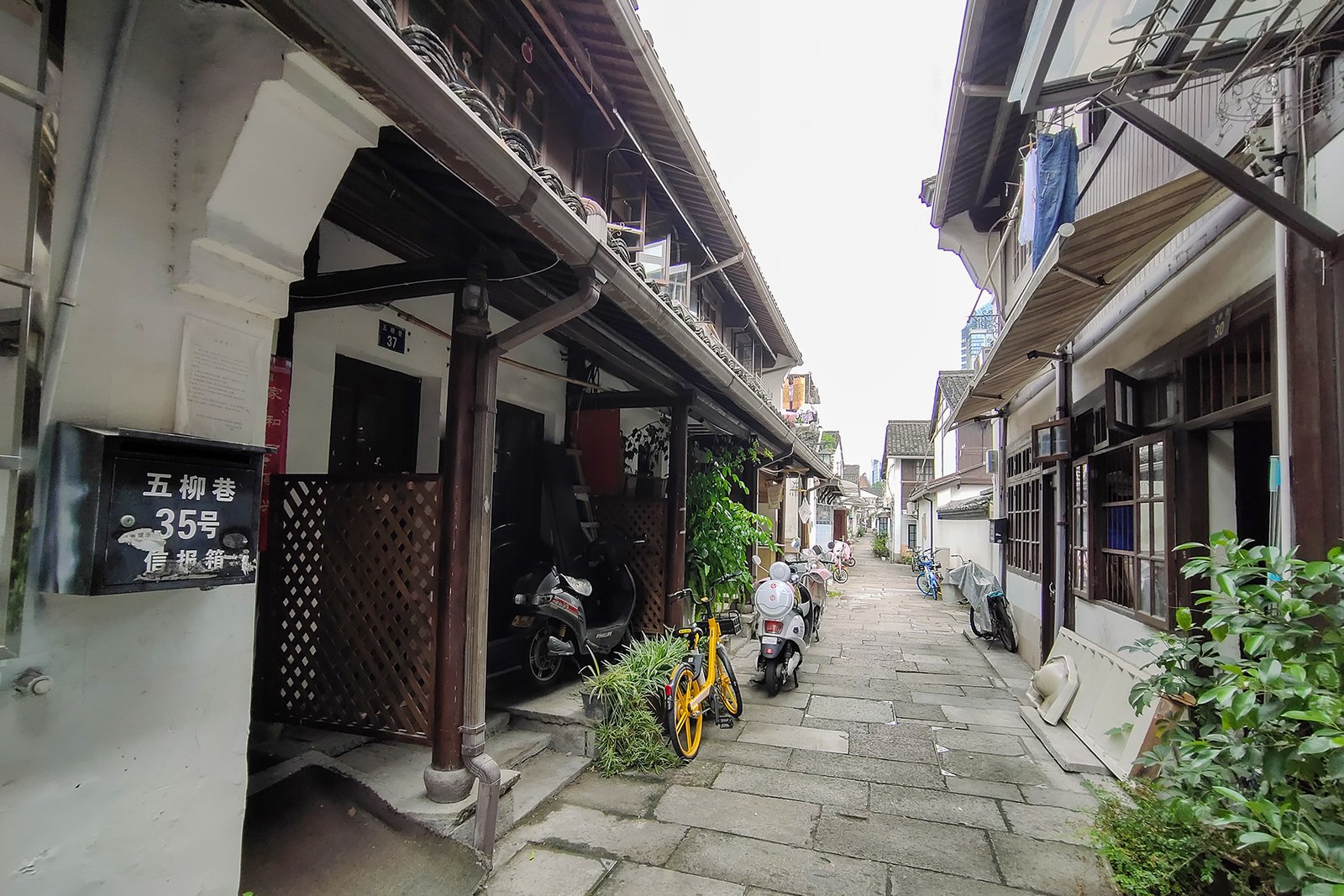
If you want one address from this show, it is Wuliu Lane (五柳巷), in Shangcheng district, a few minutes’ walk south of the Hefang Street quarter. This is where Shen Xifan lives, and the production did not have to dress it: Wuliu Lane is a genuine historic conservation block, a knot of lanes and canal-side houses where late-Qing and Republican-era alley housing sits beside 1970s and 1980s blocks, with small bridges over water that has been there for centuries. It is named for a Southern Song garden, and it still holds Republican lane houses along the East River.
It is also the most ordinary place on the list, and that is the point. There is no gate and no ticket. What there is: small independent shops that have moved quietly into the old courtyard buildings — cafés, a bookshop, flower shops, a handful of studios. The Chinese coverage of the show lists exactly this kind of tenant, which is a fair summary of what Wuliu Lane is now.
One practical note that matters more than it sounds: Wuliu Lane sits right beside the city’s water-bus network, which we will get to below. That is not a coincidence you should ignore when you plan a route.
Xiaohe Zhijie: the coffee-shop lane
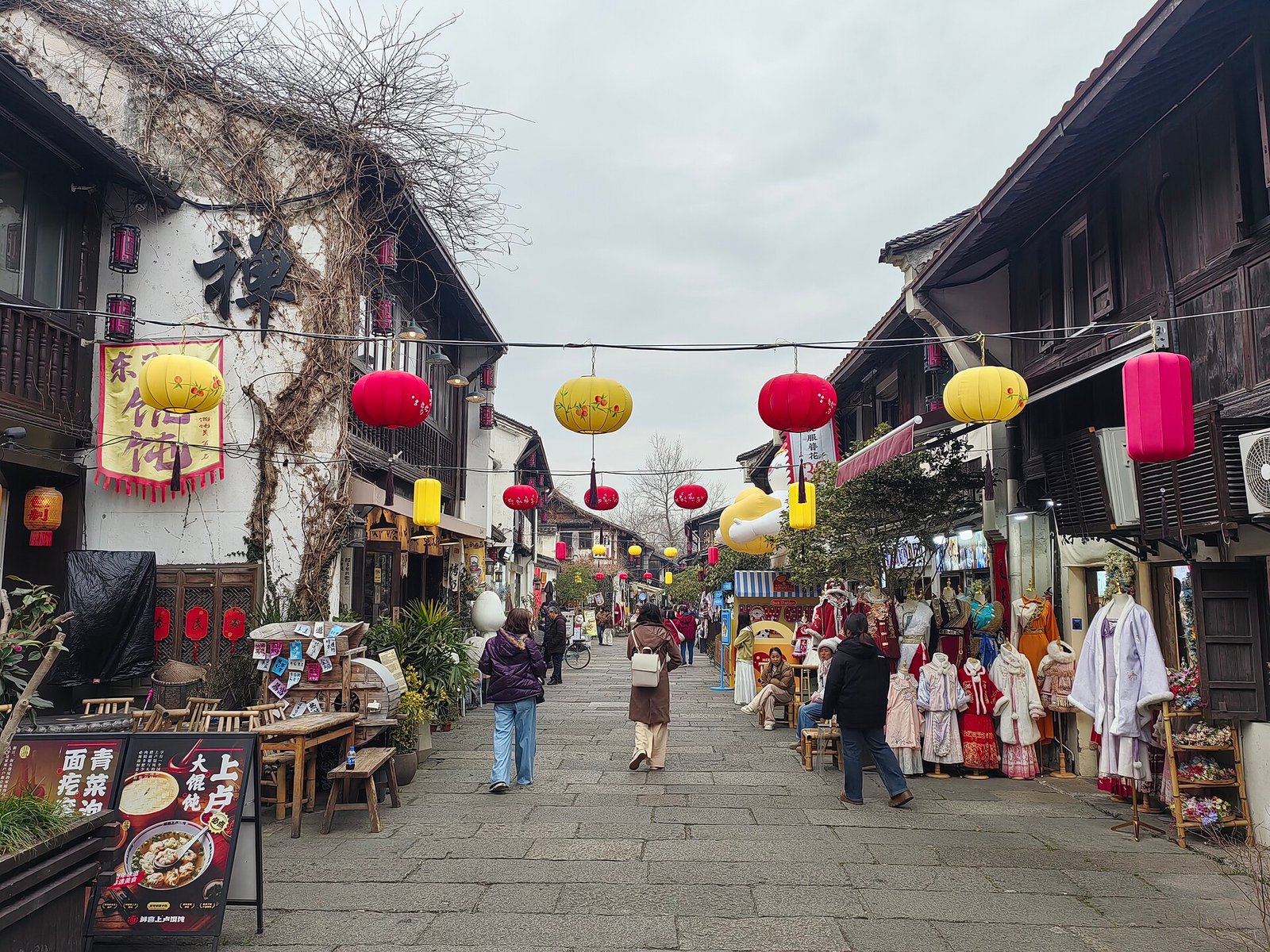
Shen Xifan works in a coffee shop in Xiaohe Zhijie (小河直街), and this is the stop that has done the most for the show’s reputation online. Xiaohe Zhijie is a historic lane on the Grand Canal in Gongshu district, at the point where the canal meets the Xiaohe and the Yuhang Tang rivers — a water junction, which is why it grew shops in the first place. What it looks like now is late-Qing and Republican lane housing, low and whitewashed, strung along the water.
The lane has since become famous for one thing in particular: zanhua (簪花), the floral headdresses that travelled from Quanzhou in Fujian and turned a lane a little over a kilometre long into a row of more than thirty studios where you can be dressed and photographed in them. Hangzhou’s own city media have written about the phenomenon, which tells you how much of the lane’s identity it now is. For a Best Thing trip this is the most efficient single stop in Hangzhou: the show’s coffee shop, a canal-side historic lane, and the city’s current most-photographed activity, all within ten minutes on foot. It is free and open all day.
The rest of the city, with no drama attached
Even if you have never watched a C-drama, Hangzhou earns three days on its own. And this is where the idea of Hangzhou filming locations gets interesting, because the best of them were on screen long before any drama found them.
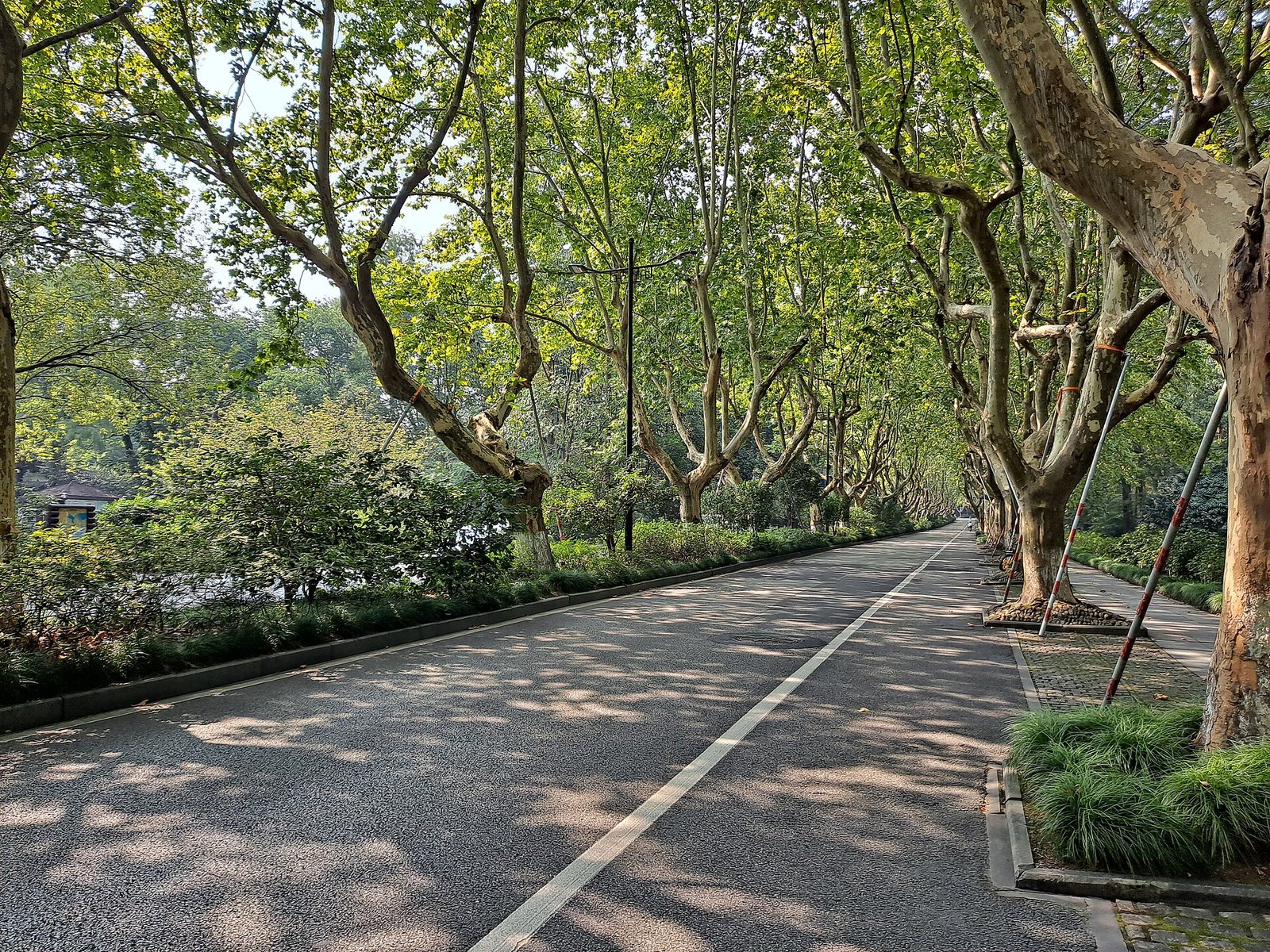
West Lake is the headline, and it is free — a public lake, open all day, every day. Its classical “Ten Views” are a set of named viewpoints rather than a route, but the ones worth your time are the two long causeways: the Su Causeway, which cuts north to south through the middle, and the Bai Causeway, which runs along the north shore past Broken Bridge. The third, the Yang Gong Causeway, is the quiet one the tour boats skip — and it is the one the drama chose.
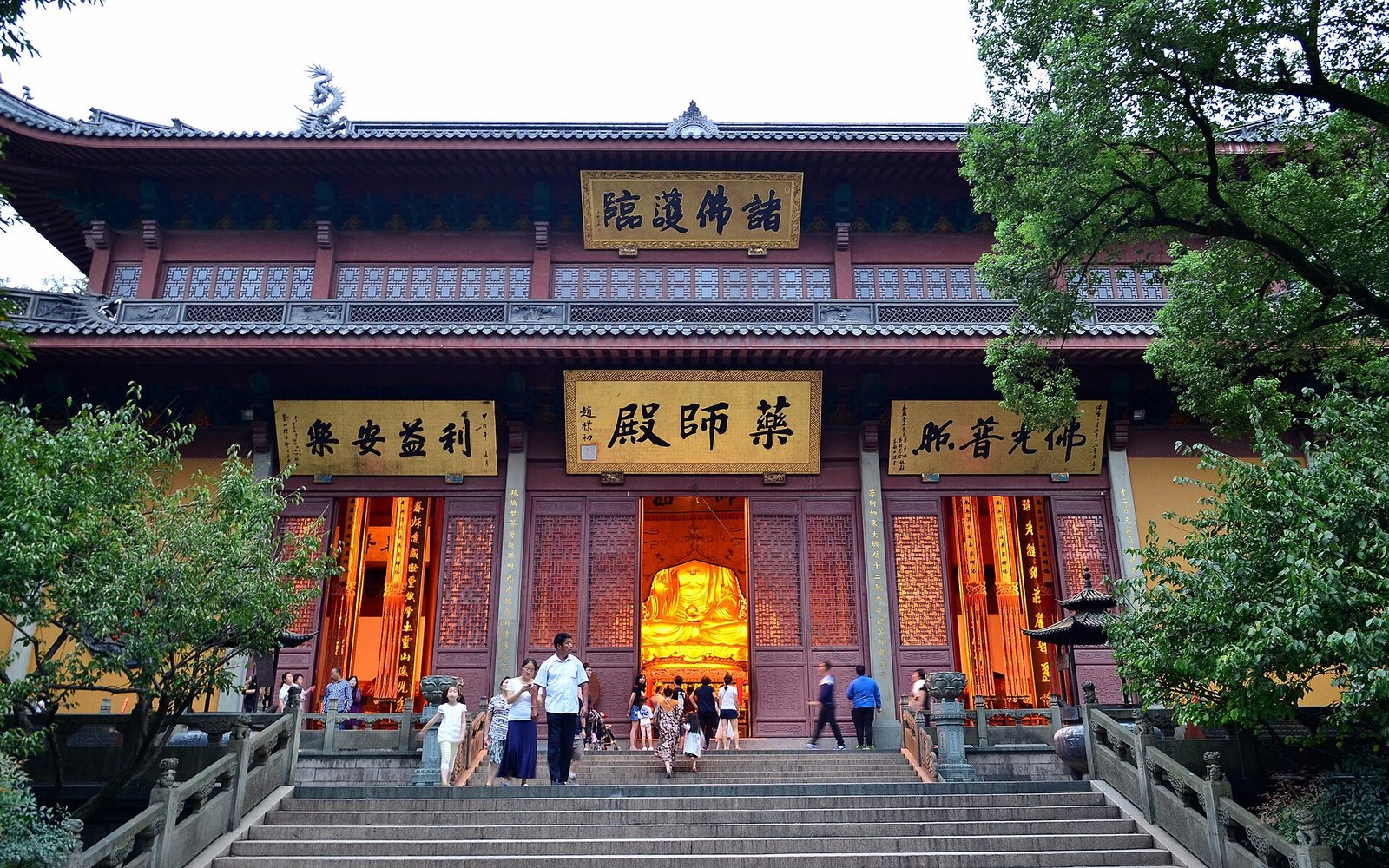
Lingyin Temple (灵隐寺), in the wooded hills west of the lake, is one of the oldest and largest Buddhist temples in China, founded in the fourth century and set among the grotto carvings of Feilaifeng. This is the biggest change in Hangzhou travel in years: since 1 December 2025 the whole Lingyin–Feilaifeng scenic area — the temple and the Yongfu and Taoguang temples with it — has been free, ending decades of a ¥45 plus ¥30 double ticket. The catch is that it is now reservation-only, and you cannot book on the day. More on that in the tickets section.
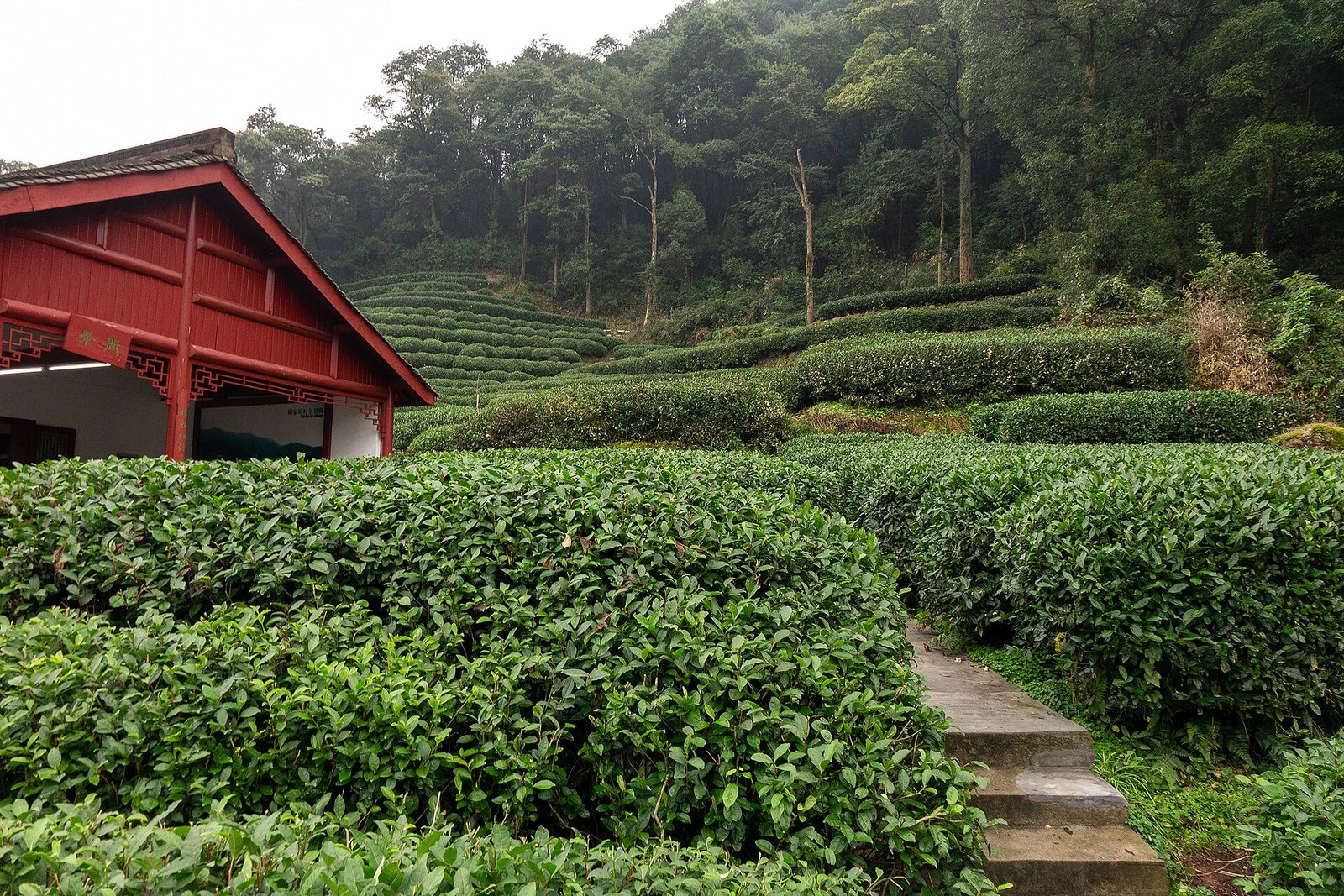
Longjing is the tea, and the terraces above the city are where it grows. The villages of Longjing and Meijiawu, a short hop southwest of the lake, are given over to Dragon Well: stepped green hillsides, tea-houses, and the pickers who work the spring flush. Walking the terraces is free; the tea is not, and the first-flush leaves sold in spring are among the most expensive in China. The China National Tea Museum, nearby, is free and explains what you are looking at.
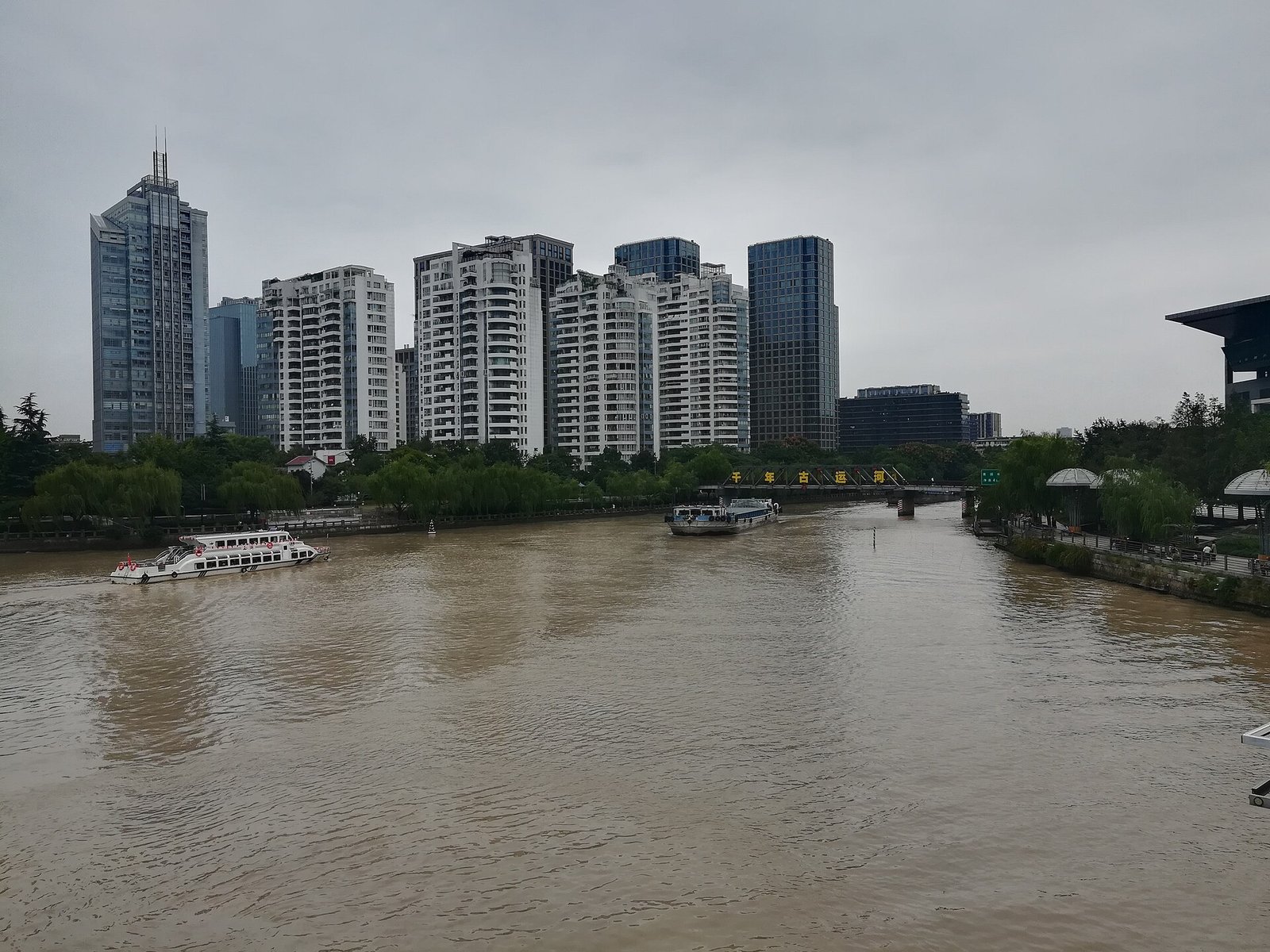
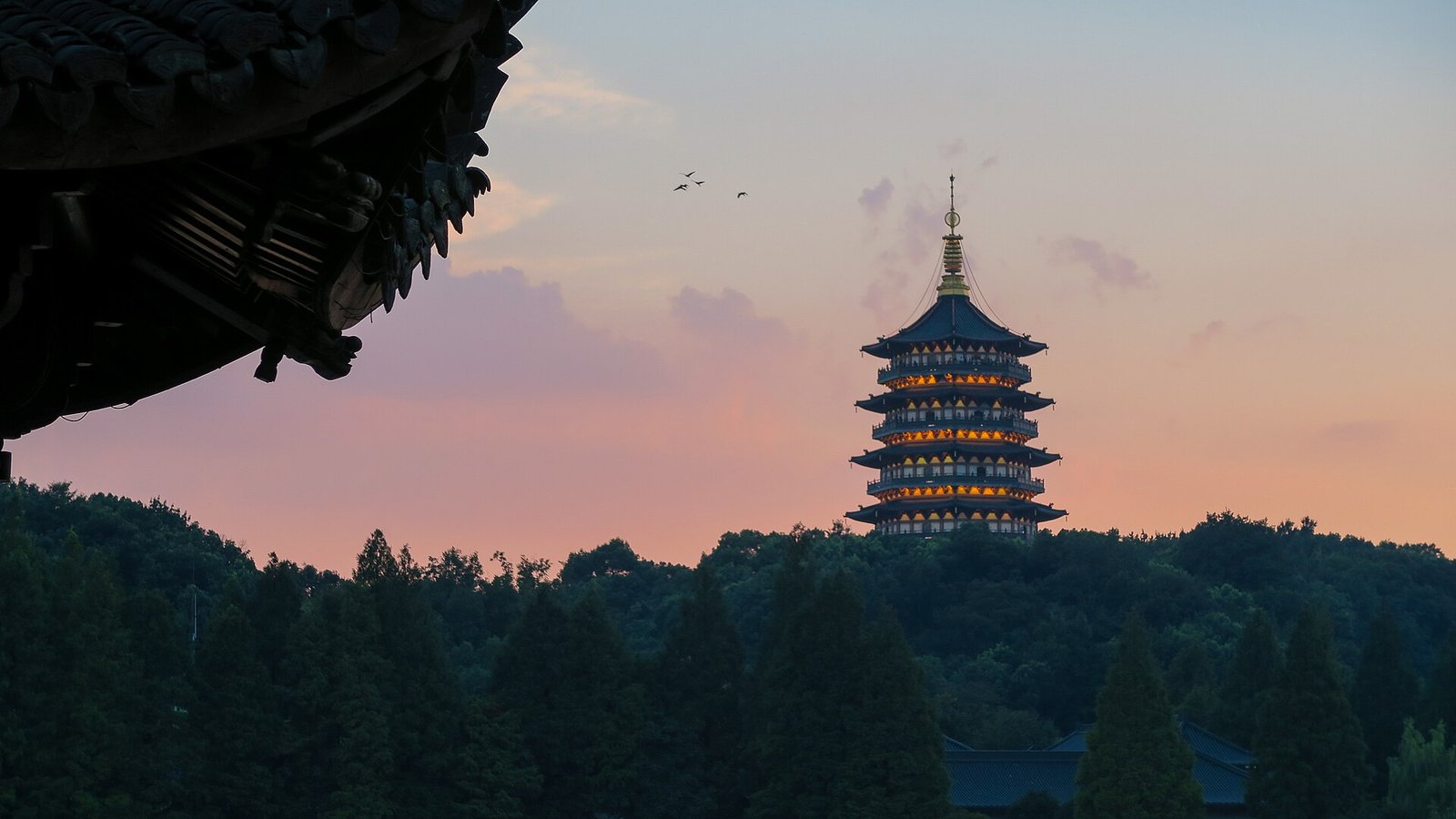
Leifeng Pagoda (雷峰塔), on the lake’s south shore, is the counterweight to Baochu in the north, and the pagoda of the White Snake legend — the one under which the story’s serpent-spirit is said to have been imprisoned. The original collapsed in 1924; what stands now is a 2002 reconstruction built over the excavated base, which you can see inside. It is the one paid stop on the lake itself, at ¥40, and it is worth it at dusk, when it lights up and the view back across the water opens up.
The Grand Canal is the other UNESCO landscape, and the reason the city’s lanes grew where they did. The Hangzhou stretch runs north from the Wulinmen area, past the night markets and the rebuilt Gongchen Bridge quarter, and the cheapest way to see it is the same ¥3 water bus that threads the old town. Hangzhou is the southern terminus of a waterway that once ran all the way to Beijing.
If you have a third day, two more names are worth knowing. Hefang Street (河坊街) and the Southern Song Imperial Street (南宋御街) run through the old commercial heart, busy and commercial but genuinely historic underneath. And Xixi National Wetland Park, west of the city, is the other classic screen landscape — a maze of waterways and reed beds that has stood in for the Jiangnan countryside in more films than anyone has counted.
Tickets, hours and what is free
Prices below are the operators’ own published rates as of 12 October 2026. Chinese attractions move their hours with the season and their prices with the holiday calendar, so check the day before you go.
| Place | Price | Hours and notes |
|---|---|---|
| West Lake and its causeways 西湖 | Free | Open all day, every day; a public lake |
| Broken Bridge & Baochu Pagoda 断桥·保俶塔 | Free | No ticket, no booking; the pagoda is a short uphill walk |
| Wuliu Lane 五柳巷 | Free | Open lane; people live here |
| Xiaohe Zhijie 小河直街 | Free | Open all day; the floral studios charge for their own service |
| Tangqi Ancient Town 塘栖古镇 | Free | Core streets, Guangji Bridge and Shuibei Street open around the clock |
| Lingyin–Feilaifeng 灵隐飞来峰 | Free, but reservation required — book with your passport | 07:30–17:30 (last entry 17:00); book 1–7 days ahead in the “杭州灵隐飞来峰” mini-program inside Alipay or WeChat; no same-day booking |
| Leifeng Pagoda 雷峰塔 | ¥40 adult | Roughly 08:00–18:00; best at dusk |
| Mengxiyuan 中国院子·梦溪苑 | ¥80 adult, children free | Seasonal garden in Yuhang; at its best when the cherries are out |
| Water bus, Line 7 水上巴士 | ¥3 flat | On the East River; pay on board with the Alipay or WeChat transit code; small boats, so turn up early in the day |
One live change worth knowing: Lingyin is the story of the year. From 1 December 2025 the Lingyin–Feilaifeng scenic area dropped its tickets entirely — the old ¥45 scenic-area fee and ¥30 temple fee are gone. In exchange it runs a real-name, timed reservation system with daily quotas of about 35,000 on weekdays, 50,000 at weekends and 65,000 on holidays. One booking covers both the scenic area and the temple; new slots are released each morning at 08:00 for the next seven days, and there is no same-day booking. Tickets are split into a morning window (07:30–12:00) and an afternoon one (12:00–17:00); miss your window and you are turned away. If your date is full, the mini-program runs a waitlist that clears automatically from 17:00 the day before. Entry is a person-to-document check, so bring the exact passport you booked under. Visitors aged 70 and over do not need to reserve. The operator runs a 24-hour line on 0571-87969691.
If you are travelling from outside China, two things about ticketing here matter more than the prices. First, the reservation systems live inside Chinese apps, but they are open to foreign documents: the Lingyin booking form accepts a passport — the operator’s own wording lists passports and travel permits for non-mainland visitors — and you enter by matching that same passport at the gate. There is no English-language booking website; the channel is the mini-program inside Alipay or WeChat. Second, transport runs on QR codes rather than cash: the metro and the ¥3 water bus both want the Alipay or WeChat transit code, which is a separate setting from the ordinary payment code and has to be activated once, either before you fly or on arrival. The stops that need no ticket at all — West Lake, Wuliu Lane, Xiaohe Zhijie and Tangqi — are the majority of this page, and they are the reason a Hangzhou trip can be cheap.
Getting around: metro, water bus and bikes
Hangzhou’s metro is fast, cheap and extensive, and it will get you within walking distance of almost everything on this page. The thing to understand is that the city is large: the lake, the canal lanes and the canal town are in three different parts of the municipality, and a route that ignores that spends its day in traffic.
- Pay with your phone. Hangzhou takes the national transit QR codes through Alipay, as well as its own app. The single most common mistake foreigners make is scanning the ordinary Alipay payment code at the gate. It will not work — you need the transit code, and the same one in and out.
- The water bus is the attraction. Hangzhou runs a public water-bus network on its canals, and Line 7 is the one that threads the old city. It is a commuter service rather than a sightseeing boat, which is exactly why it costs a flat ¥3 and has never been raised. Thirty-odd minutes on a small canal boat, through the middle of a historic city, for the price of a bottle of water. The stop you want is at Wuliu Lane, which puts the heroine’s street and the boat ride in the same ten minutes.
- Bikes are the local way. Hellobike and Meituan bikes are everywhere and cheap. The lake’s causeways are the best cycling in the city — and, in the show’s most faithful detail, also where you can fall off one.
- Taxis and DiDi. DiDi runs inside Alipay and is easier than explaining an address in Chinese. Cheap by Western standards, but the lake district is slow at weekends.
- Read the exit letter, not the floor. Hangzhou has few of Chongqing’s vertical puzzles, but its big interchange stations are genuinely large; when you leave a metro station, follow the exit letter on the sign, not the number on the escalator.
Visiting as a foreign visitor
Hangzhou is far more foreigner-ready than it was five years ago — it hosted the 2023 Asian Games — but it is still a domestic destination first. The mechanics are the same as anywhere in China; the friction is local.
- Your passport is your ID everywhere. Attractions, hotels and rail all key off an identity document, and yours is the passport. Carry the original. Hotel check-in for foreign guests is a registration procedure rather than a formality, and a handful of small guesthouses still do not hold the licence for it — if you book somewhere boutique, confirm in advance that they accept foreign passports.
- Expect ID and face-scan gates. Automated gates across China are built around the Chinese ID card, and a passport does not always open the lane. Look for the staffed lane and hand over the document. At Lingyin this is now the whole system: your reservation is checked against the passport you booked with.
- Free does not always mean unreserved. West Lake needs nothing. Lingyin is free and requires a booking made at least a day ahead. Assume nothing.
- Mobile payment first, cash second. Set up Alipay or WeChat Pay with an overseas card before you fly. On the metro and the water bus you need the transit code inside the app, not the ordinary payment code — activate it once and it works city-wide. Neither takes cash, so this is not optional here.
- English is thin, and the place names are the real problem. Save the characters you will actually need — 西湖, 灵隐寺, 五柳巷, 小河直街, 塘栖古镇, 雷峰塔 — and keep an offline translation app. Amap is a better map here than anything Western, and it has an English mode.
- Visa. Zhejiang is one of the provinces covered by China’s 240-hour visa-free transit, which gives eligible nationalities ten days without a visa when flying on to a third country. Hangzhou Xiaoshan International Airport is one of the ports you can use. If you are not transiting, check the current visa-free list first — most foreign visitors to China now arrive without a visa at all.
Before you go: the visa and entry guide, the payment guide, the apps guide and the high-speed rail guide cover the parts that are the same everywhere in China. This section covers only what is different in Hangzhou.
How many days, and where to sleep
Two days is the honest minimum, and it splits cleanly: one day for the lake and the lanes, one day for the canal town and a garden.
- Day one — the lake, then the lanes. Start at Broken Bridge, walk the north shore to Baochu Pagoda, then work west to the Yang Gong Causeway. After lunch, take the Line 7 water bus from Wuliu Lane north along the canal to Xiaohe Zhijie. This is the densest, cheapest and most rewarding day on the list.
- Day two — out of the centre. Tangqi Ancient Town in the morning, for the grandfather’s house and Guangji Bridge; then, in the afternoon, either Mengxiyuan (¥80, Yuhang) if the cherries are out, or Xianghu (Xiaoshan) if you would rather see the hotel and the lake it sits on. They are on opposite sides of the city — do not attempt both.
- Day three, if you have it. Lingyin and the Feilaifeng grottoes in the morning, the Longjing tea terraces after lunch, and Leifeng Pagoda at dusk. Book Lingyin the day before; it is the one stop that punishes spontaneity.
Base yourself near the lake if this is your first visit — around Hubin or Wulin Square, both on metro Line 1, which puts the lake, the canal and the water bus within reach and keeps the transfers short. If you would rather be beside the canal, the Wulinmen area is the other good base and puts you a few minutes from the Line 7 water-bus piers. Hotel rates are low by international standards; the expensive lake-view rooms are rarely worth it, because the best hour on the lake is one you will spend outside, not in the window.
What a day actually costs
This is the honest mid-range version: one person, one full day on the lake-and-lanes route, eating well without trying to impress anyone. Ticket and transit figures are the operators’ own published rates — the same ones listed above, checked 12 October 2026 — while food is a realistic mid-range estimate, not a published price. Your own day will land somewhere inside these numbers.
| Item | Per person | Notes |
|---|---|---|
| Metro, across a full day of rides | ¥4–10 | From ¥2 for the first 4 km; most lake-district rides are ¥2–5, and the network-wide maximum is ¥12. Pay with the transit code inside Alipay or WeChat — not the ordinary payment code |
| Water bus, Line 7 | ¥3 flat | Pay on board with the same transit code; the boats are small, so go early in the day |
| Public bike | ¥1.5–3 per ride (estimate) | Hellobike and Meituan; the causeways are the best cycling in the city |
| The lake, the lanes, the canal streets | Free | West Lake, Broken Bridge, Wuliu Lane, Xiaohe Zhijie and the core streets of Tangqi all take no ticket and no booking |
| Lingyin–Feilaifeng | Free with reservation | Book with your passport 1–7 days ahead in the mini-program; new slots are released each morning at 08:00 and there is no same-day booking, so if your morning is gone, pick another one |
| Leifeng Pagoda, at dusk | ¥40 adult | Optional; roughly 08:00–18:00 |
| Lunch | ¥25–60 | A bowl of pian’erchuan noodles or a plate of Dongpo pork in a local place; the lake-view restaurants are three to five times this |
| Coffee and a snack | ¥20–40 | Xiaohe Zhijie and the lanes near Wulin |
| Dinner | ¥50–120 | Hangzhou does sweet-and-sour and river fish well; both are cheap by international standards |
A realistic day one comes to roughly ¥105–235 per person — about US$15–34 at a round ¥7 per US$1 (check the live rate). Add ¥40 if you climb Leifeng Pagoda at dusk. Card payments through Alipay carry their own small international-card fee, which is covered in the payment guide.
Who this trip suits — and who should skip it
Not every itinerary is for every traveller. This is the honest version of who the lake-and-lanes day actually works for.
- First-time visitors who loved The Best Thing. The trail on this page is the show’s Hangzhou, and day one needs no car, no Mandarin and no advance bookings beyond Lingyin.
- Couples. The water bus at the end of the afternoon, Leifeng Pagoda at dusk and the lanes after dark are the three most romantic hours in the city, and together they cost less than one dinner.
- Families with children. Bikes, canal boats and free streets keep both the budget and the logistics simple; the climb up to Feilaifeng is the one part that is really a hike.
- Solo travellers. The city is safe, walkable and cheap, and the coffee shops around Xiaohe Zhijie are made for sitting alone with a book.
Skip it if you want a big-city nightlife or shopping break — this is a slow lake itinerary, not a city break; if you only have a single day in the city, because two days is the honest minimum; or if walking for several hours at a stretch is not for you, because day one is built around it.
Common questions
Was The Best Thing really filmed in Hangzhou?
Yes, and entirely so. The series used the real city rather than a studio backlot, which is why the locations are ordinary streets, parks and lanes rather than sets. There is no backlot to visit, and any guide that sends you to one for this show has confused it with a costume drama.
Where exactly is the heroine’s home?
The street is Wuliu Lane (五柳巷) in Shangcheng district, a few minutes south of Hefang Street; a separate exterior shot was taken at Baima Apartments near Wulin Square. The lane itself is public and free. Treat the apartment tower as a view from the pavement, not a place to enter.
Do I need to book West Lake?
No. West Lake is a public park, free and open all day. What you do need to plan around is access: from March to May, on weekends and public holidays, the scenic area runs traffic controls — alternating even-and-odd plate access, plus limited-access management around Lingyin and the southern route. Public transport, the metro and the water bus are the sane choices in peak season.
Is Lingyin Temple really free now?
Yes — since 1 December 2025 the Lingyin–Feilaifeng scenic area, including the temple and the Yongfu and Taoguang temples, has charged no admission. The trade-off is that it is reservation-only: you must book at least a day ahead, up to seven days out, and bring the passport you booked under. There is no same-day booking.
How do I get to Tangqi Ancient Town?
Tangqi is in Linping district, on the Grand Canal at the northern edge of greater Hangzhou, roughly an hour from West Lake. Metro plus a short taxi or bus is the usual route, and the core streets, Guangji Bridge and the riverside are free and open around the clock. It is a genuine half-day out rather than a quick stop.
Is Hangzhou worth visiting if I have not seen the drama?
Yes — arguably more so. Hangzhou was a destination for a thousand years before it was a filming location, and most of what makes it remarkable has nothing to do with any show. The drama is a good excuse to come; it is not the reason to stay.
Your next move
Still exploring?
Hangzhou plays itself in The Best Thing, the 2025 romance set in the city.
Worried about the practical stuff?
Visas, payment, trains and the apps you’ll need before you land — the four things you cannot work out on the ground. Each guide is dated and sourced.
Ready to go?
Hangzhou needs one to three days depending on whether you add a studio. The planning guide sizes it.
Last verified
Sources: Tide News (潮新闻, Zhejiang Daily Press Group), "《爱你》播出,取景地杭州多个打卡点被圈出", by 滕一韬, 2025-02-27 — the district-level location list: Baochu Pagoda and Broken Bridge, Baima Apartments, Wuliu Lane, the “three chopsticks” breakfast shop on Hushu South Road, Aoti Impression City, Yang Gong Causeway, Xiaohe Zhijie, the Hangzhou International Conference Centre, Xianghu Xiaoyao Manor, Mengxiyuan, the Lin’an and Shangcheng hospitals, and Tangqi Ancient Town; also the ¥3 / 30-minute water bus beside Wuliu Lane · Hangzhou city media (杭州网 / hznews.hangzhou.com.cn), "小河直街‘簪花如云’", 2024-05-14 — Xiaohe Zhijie’s zanhua trade and its canal-side late-Qing and Republican housing · Hangzhou city media (杭州网), 2024-10-03 — Xiaohe Zhijie is over 1,000 m long with 30-plus zanhua studios · Hangzhou West Lake Scenic Area Management Committee (杭州西湖风景名胜区管委会), "灵隐飞来峰景区免费开放│高频咨询问题全解答", 2025-11-21 — Lingyin–Feilaifeng free from 2025-12-01; real-name, timed reservation; no same-day booking; daily quotas ~35,000 weekday / 50,000 weekend / 65,000 holiday; 07:30–17:30 · Hangzhou city media (2025-02-26) — West Lake spring-peak traffic controls: single/double number-plate access across the scenic area, plus limited-access management around Lingyin and the southern route · Leifeng Pagoda operator (Hangzhou Leifeng Pagoda Cultural Tourism Development Co.) — ¥40 adult ticket · Mengxiyuan (中国院子·梦溪苑) ticket announcement, 2023-03-28 — ¥80 adult, children free; Yuhang district, Liangzhu, 良安路 118号 · Hangzhou water bus (杭州水上巴士) timetables and fares — Line 7 on the East River (东河) through the old city, flat ¥3 fare · Zhejiang Provincial Public Security Department (浙江省公安厅), 2024-12-25 — China’s 240-hour visa-free transit: Zhejiang is one of the covered provinces; the province’s ports rose to six, adding Wenzhou Longwan and Yiwu airports
Spotted something out of date? Email us — or read how corrections work. We check every report against the source and update the page.
Ready to plan it? Turn the dramas you have watched into a day-by-day route with the C-drama route planner.
Not sure where to start? Take the drama-city quiz — seven questions, one city, and a route waiting at the end.