
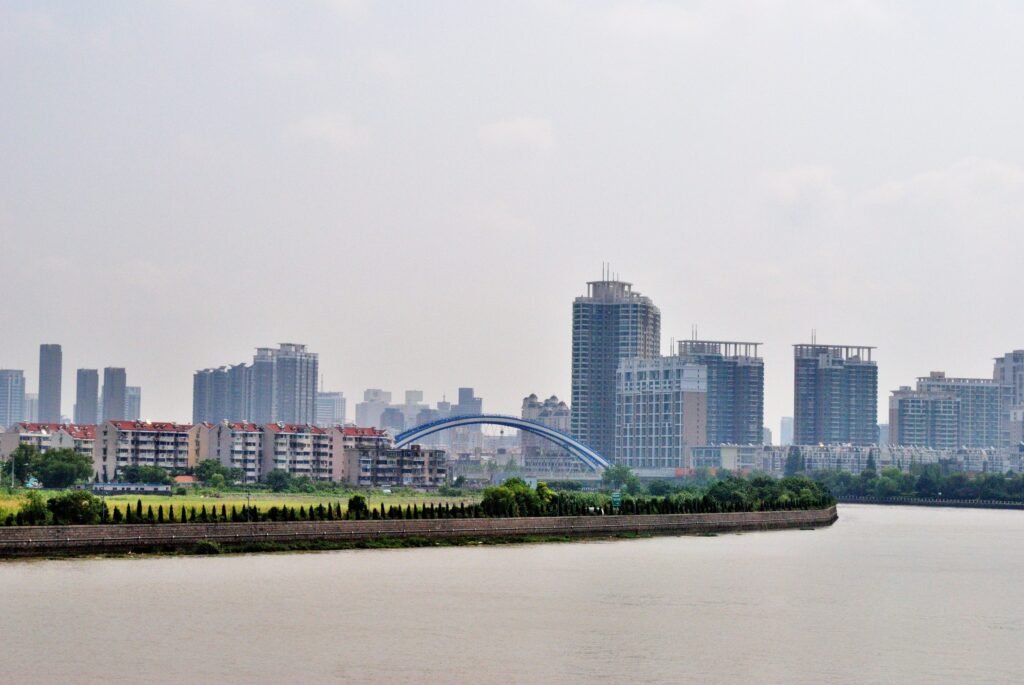
There is no backlot in Fireworks of My Heart. Every rooftop rescue, every hospital corridor, every late-night argument happens in a real Chinese city on the East China coast — and it is a city most viewers outside China have never heard of. That is exactly what makes these Fireworks of My Heart filming locations unusual, and unusually easy to visit.
The short answer: Fireworks of My Heart (我的人间烟火) was shot entirely in Ningbo (宁波) in Zhejiang province, over about five months from May to October 2022. There is no studio park to tour. The recognisable locations are the Ningbo Fortune Center — the tower everyone calls the corn building — the old lane of Guangren Street, Tianyi Square, Ningbo Grand Theatre, and the city’s metro. All of them are ordinary public places, all of them are free, and all of them sit within a couple of kilometres of each other.
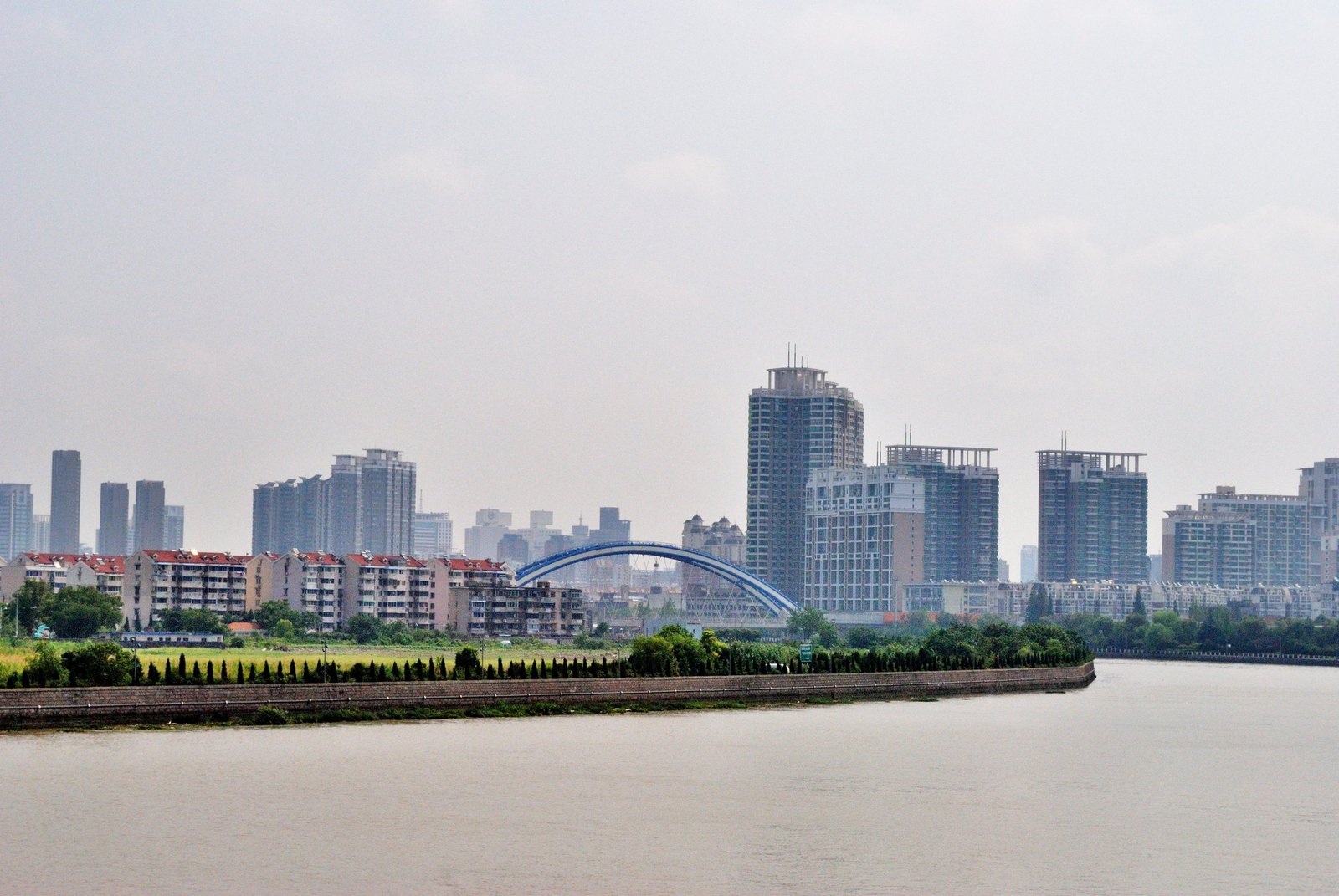
Why this one is different: a drama with no backlot
Almost every C-drama location guide on this site ends up at a studio park. Nirvana in Fire is a geopark plus two backlots. The Untamed is Hengdian plus a mountain in Guizhou. Joy of Life is a purpose-built Tang city. This one is not like that at all.
Fireworks of My Heart is a contemporary drama: Song Yan (Yang Yang) is a fire station chief, Xu Qin (Wang Churan) is an emergency-room doctor, and the show is about the two of them and the city they serve. It was directed by Li Mugo and adapted from the novel A City, Waiting for You (一座城,在等你) by Jiu Yuexi. It ran to 40 episodes and aired in July 2023 on Hunan TV and iQiyi, with English-subtitled versions on Viu, MangoTV and Bilibili’s international service — which is how most overseas viewers found it.
Because the story is about a working city rather than a mythical kingdom, the production did not build anything. It moved to Ningbo and filmed there for five months, using the city as it is. According to the Ningbo production-services centre that hosted the shoot, cameras rolled in May 2022 and wrapped that October, and the city is not a backdrop — it is the setting, named and unnamed at the same time.
What that means for a visitor is genuinely refreshing. There is no gate, no ticket, no opening hours and no face-recognition turnstile. You are not touring a set. You are walking around a Chinese city and noticing that you recognise it.
The Fireworks of My Heart filming locations at a glance
| Location | Where | What it is in the show | Cost |
|---|---|---|---|
| Ningbo Fortune Center (宁波财富中心) | Sanjiangkou, Haishu | The “corn building” — the first Ningbo landmark to appear, in the night scenes | Free (public street) |
| Guangren Street (广仁街) | Haishu old town | The show’s “Wufang Street” — the fire-rescue sequence | Free (public lane) |
| Tianyi Square (天一广场) | Haishu, Zhongshan East Road | A fire scene, staged in the city’s main plaza | Free (public plaza) |
| Ningbo Grand Theatre (宁波大剧院) | Jiangbei, Yaojiang riverside | The riverside cultural landmark | Free outside; tickets only for performances |
| Ningbo metro, Line 2 | City-wide | Cast were filmed at Qingshuipu station | Ordinary metro fare |
| Outer districts and Yuyao (余姚) | Greater Ningbo | Suburban and abandoned-village fire sequences | Free, but you will want a car |
Four of the six are walkable from each other. That is the whole trip, and it is a half-day.
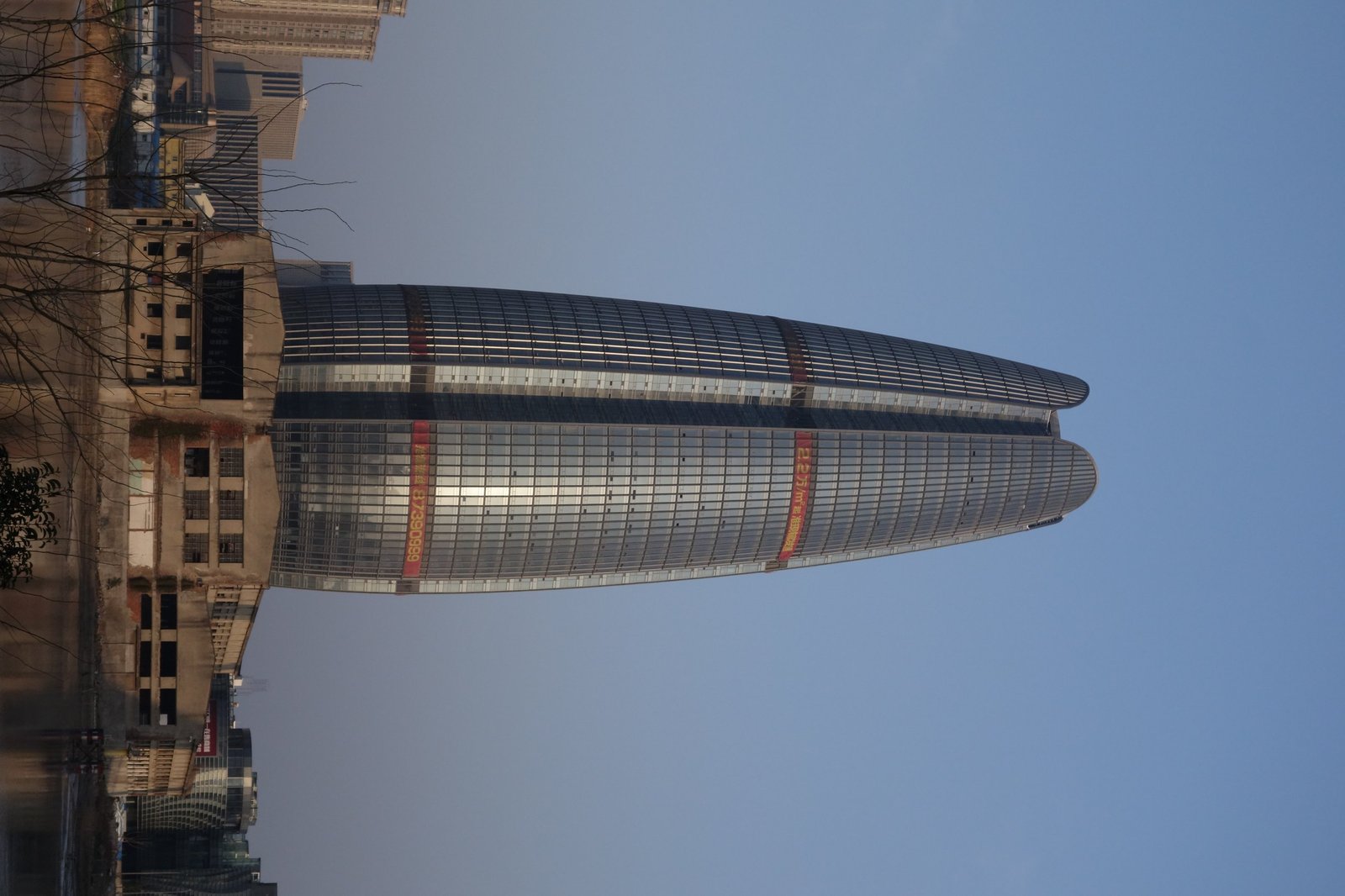
The corn building: Ningbo Fortune Center
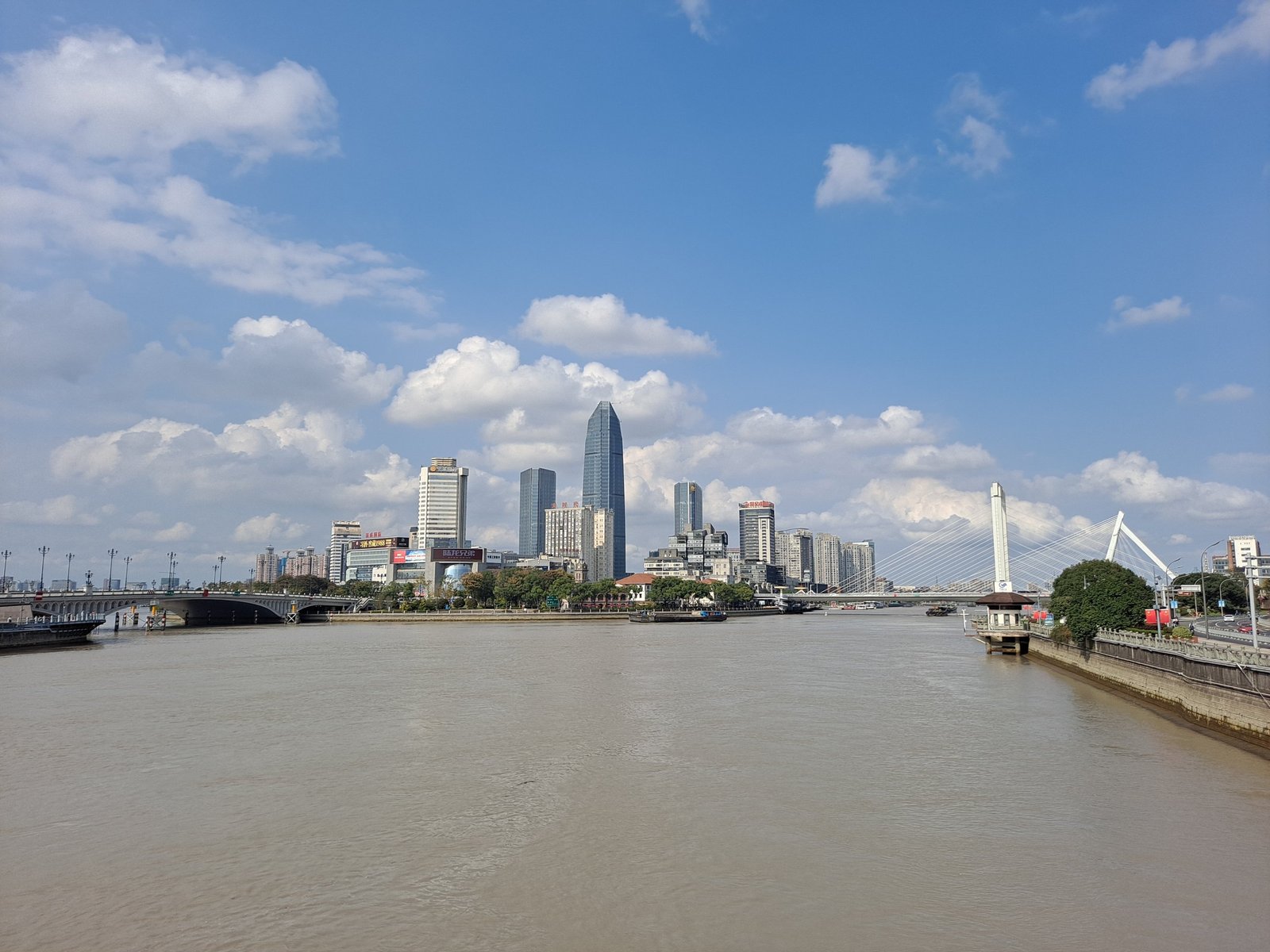
The first Ningbo landmark to appear on screen is the one viewers immediately asked about, because it does not look like anything else in China. The Ningbo Fortune Center is 188 metres of tower on the east bank of the Sanjiangkou — the point where three rivers meet at the centre of the city — with a facade of vertical ribs that give it an unmistakable ribbed silhouette. Ningbo residents have called it the corn building (玉米楼) since it went up, and the nickname has stuck so firmly that it is now more common than the official name.
It is worth knowing what it replaced. The tower stands on the site of the old Ningbo fishing-vessel yard (宁波渔轮厂), a piece of industrial waterfront that was cleared and rebuilt. Construction started in April 2010 and the building was completed in March 2015. In the show it appears at night, which is also when it looks best: the ribbing catches the lighting and the whole thing reads as a single lit object rather than a building.
How to see it: walk the Sanjiangkou riverside and the old bund (老外滩) after dark. You do not need to enter the building — it is an office tower — and the view from the opposite bank is the one the show uses.
Guangren Street: the show’s “Wufang Street”
The rescue sequence that the show calls the Wufang Street fire was filmed on Guangren Street (广仁街), a genuine old lane in the Haishu district. It runs about 400 metres, north-east from Henghe Street to Xiaowen Street, and it is the kind of street that Chinese cities have been steadily losing: low brick houses, laundry across the alleys, small shopfronts, trees that predate everyone living under them.
This is the single most useful location on the list, because it explains why the show looks the way it does. A studio can build an old street, and Hengdian has several. What it cannot build is the specific grain of a street that has been lived in continuously — the uneven paving, the wiring, the way the light drops between two rows of buildings that were not designed together. When the production wanted a fire in a dense old neighbourhood, it went to a real one.
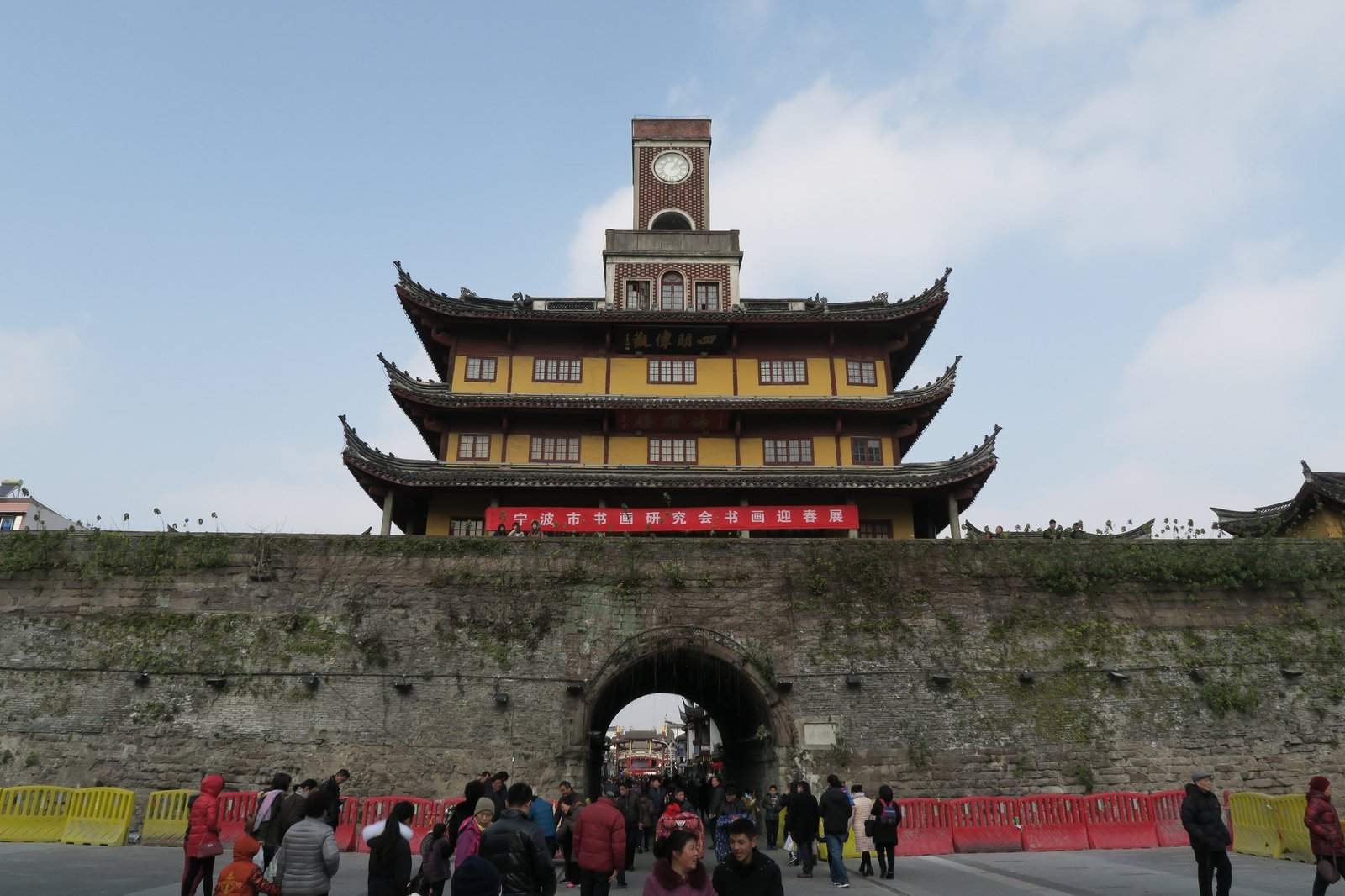
How to see it: Guangren Street is a public lane, free, and open at all hours. It is a few minutes’ walk from the Drum Tower, which is the natural place to start — climb the tower, then walk down into the old grid. Be aware that people live here; it is a residential street, not an attraction, and the neighbours have had a lot of photographers.
Tianyi Square and the Grand Theatre
Two more city landmarks carry scenes. Tianyi Square (天一广场) is Ningbo’s principal commercial plaza, at 188 Zhongshan East Road in Haishu, sitting on the core of the Sanjiangkou retail district. It is wide, paved and busy, and the production used it for one of the fire set-pieces — which is a strange thing to watch once you have stood in it, because there is nothing combustible about the place.
Ningbo Grand Theatre (宁波大剧院) is the other one, and it is the more photogenic. It sits at 1 Dazha Road in Jiangbei district, on the Yaojiang river at Wantou, at the head of what the city calls the three-rivers cultural corridor. It opened in 2004 and is built to be seen from the water — curved, low and reflective, with the river on three sides.
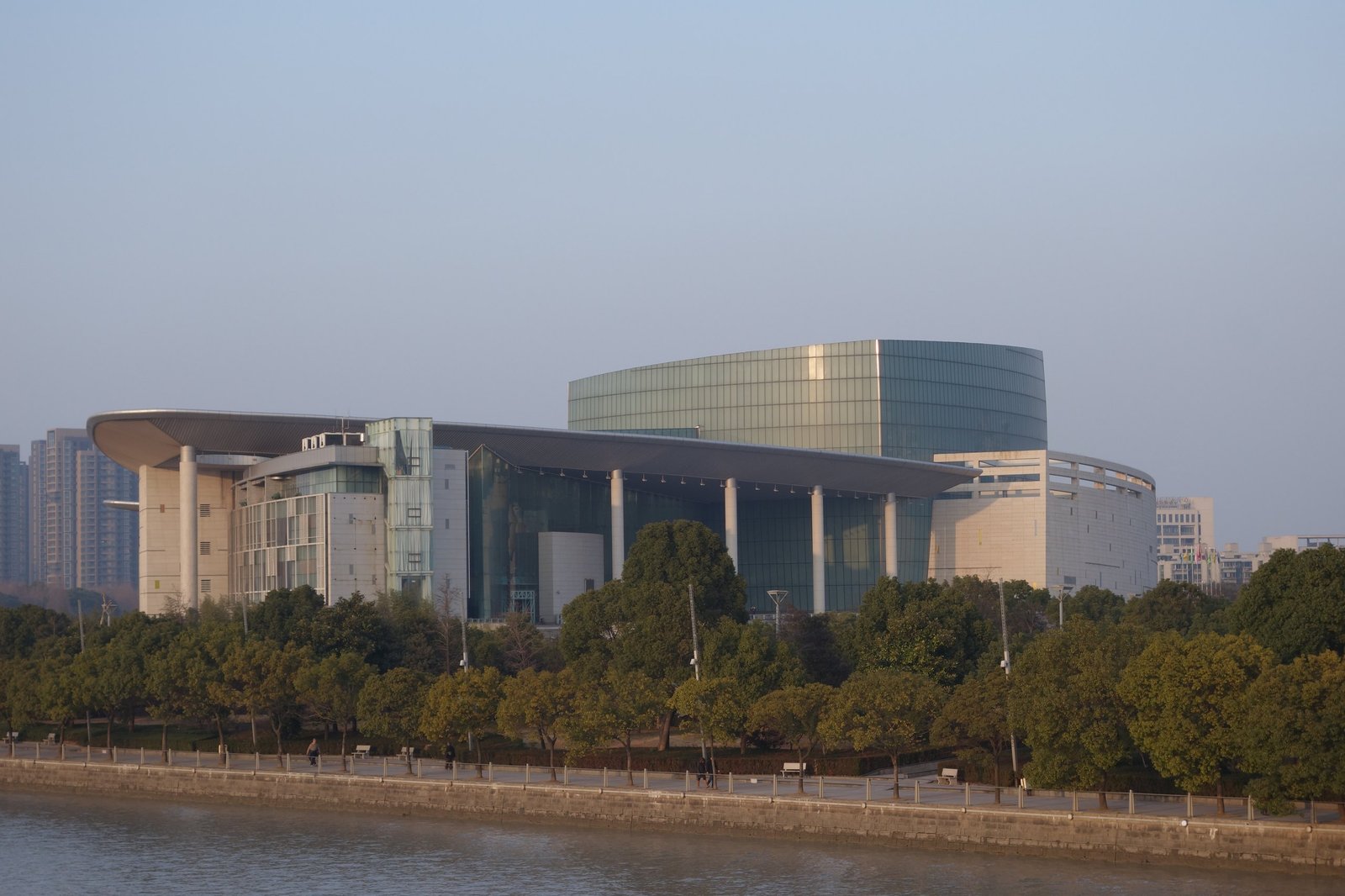
How to see them: Tianyi Square is free and always open; the surrounding streets have the best food in the city. The Grand Theatre’s exterior and riverside are free to walk; you only need a ticket if you are actually attending a performance, and those sell through the theatre’s own channels rather than a tourist desk.
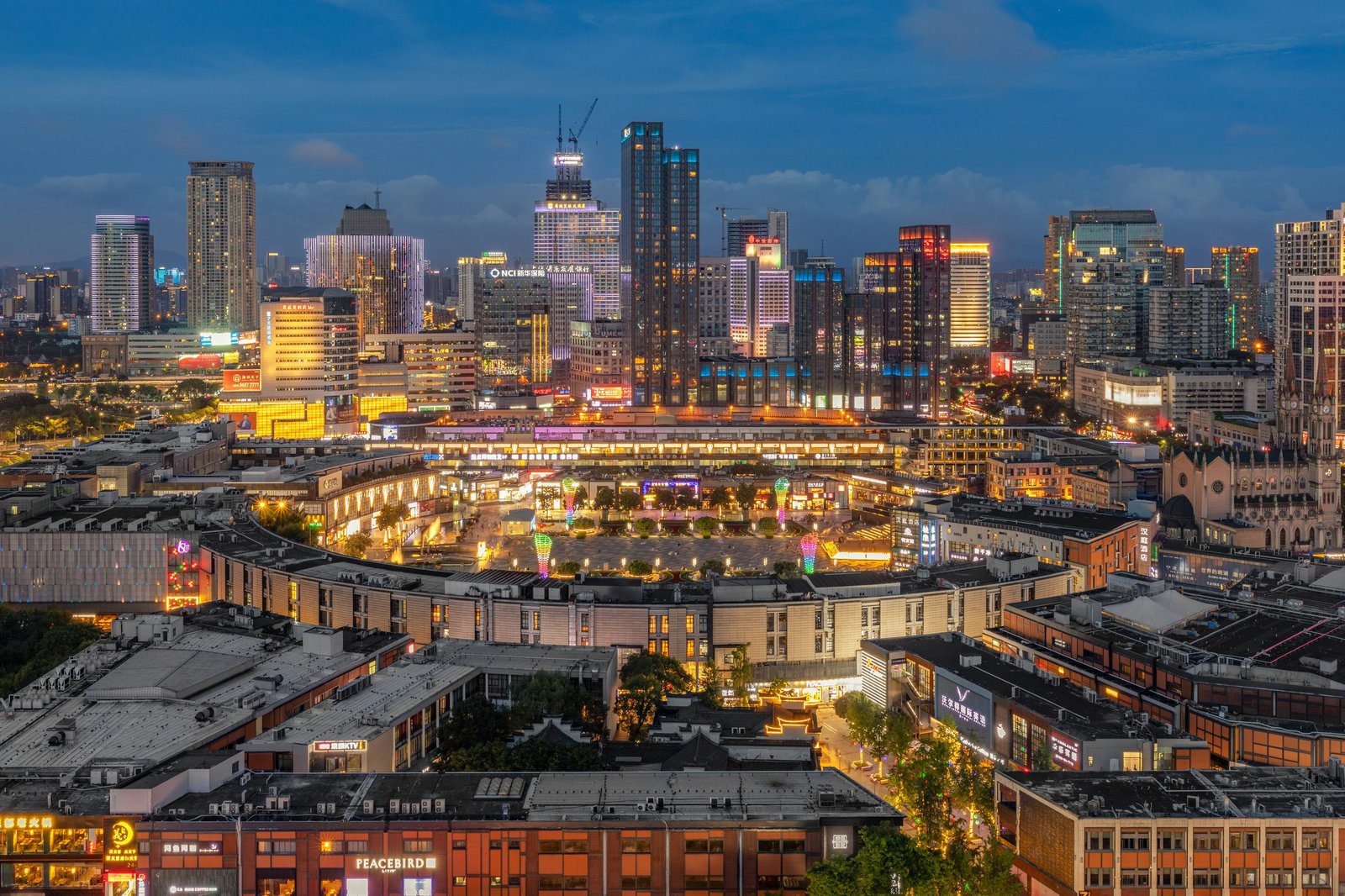
The metro, and the parts of the city the show keeps returning to
Ningbo has a metro, and the production used it — the cast were filmed on Line 2 at Qingshuipu station, and metro interiors appear in the show. For a visitor this is mostly a practical note rather than a sight: you will be riding these lines anyway.
The fire set-pieces also used harder-edged locations, including an abandoned village on the city’s edge and a suburban waste site. These are not places to plan a trip around. They were chosen because they looked like what the script needed, and several of them are not somewhere a visitor should be walking around unaccompanied.
One more thing worth knowing: the shoot spread into greater Ningbo, including Yuyao (余姚), the county-level city to the west. If you are basing yourself in central Ningbo, treat that as a separate half-day rather than something you will stumble into.
Getting to Ningbo
Ningbo is one of the easiest Chinese cities to reach without a car, which is part of why the walk works.
- By high-speed rail. Ningbo station sits on the coastal line. It is roughly two hours from Shanghai Hongqiao and about an hour from Hangzhou, with frequent departures through the day. Check 12306 for your date rather than trusting a printed timetable.
- By air. Ningbo Lishe International Airport (NGB) is south-west of the centre, connected to the city by metro and taxi.
- In the city. The metro covers the centre well, and the old town, Tianyi Square and the riverside are all walkable from each other once you are in Haishu.
If you are travelling from outside China: use your passport as your rail ID and enter its details exactly as printed — the ticket is linked to the document you book under, so carry that same passport to the station. Book on the official 12306 app or through Trip.com’s English interface. If app verification or a self-service machine will not accept a foreign document, ask at a staffed station ticket counter rather than assuming you need a Chinese ID card. Note the timing constraint too: rail tickets in China go on sale only 15 days before departure, so there is nothing to book earlier — set a reminder for the morning the window opens.
Tickets, hours, and what is actually free
This is the shortest ticket section on the site, because there is almost nothing to buy.
| What | Cost | Booking |
|---|---|---|
| Corn building, riverside, Sanjiangkou, old bund | Free | None — public streets |
| Guangren Street | Free | None — public lane |
| Tianyi Square | Free | None — public plaza |
| Ningbo Grand Theatre (exterior and riverside) | Free | None. Performances are ticketed separately |
| Metro | Ordinary fare | Tap in with the Alipay or WeChat transit code |
Two practical points. First, the metro gates in Ningbo, as in every Chinese city, read the transit code inside Alipay or WeChat — a separate setting from the ordinary payment code — and there is no cash option at the gate. Activate it before you fly. Second, nothing on this list needs a reservation, an ID check or an advance booking, which is the opposite of the studio-park experience elsewhere on this site.
Buying as a visitor from outside China: for the locations on this page you will not be asked for ID at all — they are public streets and squares. The two things that do involve your identity are the rail journey in and the metro: rail tickets are real-name and are issued against your passport, and the metro needs a transit code set up on your phone. Where a Chinese-language app or a self-service machine will not accept a foreign document, the staffed counter is the fallback.
What a day actually costs
Ningbo is the cheapest city on this list: every location on this page is a free public street, and the only money a trail day spends is the metro and your meals. Metro fares run from ¥2 for the first 4 km under Ningbo Rail Transit’s published distance schedule (checked 13 October 2026), with the network maximum at ¥10. Pay with the transit code inside Alipay or WeChat — not the ordinary payment code. Lunch is ¥25–60 and dinner ¥50–120, so a realistic trail day comes to ¥90–230 per person — about US$13–33 at a round ¥7 per US$1 (check the live rate).
Common questions
Where was Fireworks of My Heart filmed?
Entirely in Ningbo, in Zhejiang province on China’s east coast. The production moved to the city in May 2022 and shot for about five months, wrapping that October. There is no studio park involved — the show uses the real city, including the Fortune Center tower, Guangren Street, Tianyi Square and the Grand Theatre.
Was Fireworks of My Heart filmed in Ningbo?
Yes — and unusually for a Chinese drama of this size, nothing was faked. The locations the show calls by other names, such as the “Wufang Street” fire, were shot on real Ningbo streets. The city is credited by name in the local press coverage at the time of broadcast.
Can I visit the fire station or the hospital from the show?
No. Those are working facilities and interiors, not attractions, and the production did not open them to visitors. What you can walk is the city around them: the riverside, the old lanes, the plaza.
What is the corn building?
The Ningbo Fortune Center, a 188-metre tower on the Sanjiangkou waterfront, built on the site of the old Ningbo fishing-vessel yard. Its ribbed facade earned it the nickname “corn building” (玉米楼) long before the show aired. It is an office tower — you look at it, you do not go in.
How many days do I need in Ningbo?
One day covers everything on this list comfortably, on foot and by metro. Two days lets you add the Drum Tower properly, the old bund after dark and a meal in the Tianyi Square district without rushing. Add a third if you want to push out to Yuyao or to the film studios at Xiangshan.
Can I combine this with Xiangshan Film City?
Yes, and it is the obvious pairing. Xiangshan Film City — the studio complex that supplied the capital city sets for Joy of Life and Nirvana in Fire — is in Ningbo’s own Xiangshan county, on the coast. It is a genuine ticketed studio park, the opposite experience to this walk, and it sits on the same trip. See our Xiangshan Film City guide.
Is Ningbo worth visiting if I have not seen the show?
Yes. The old town, the three-rivers junction and the food are reason enough, and Ningbo is a far less-touristed city than Shanghai or Hangzhou while being an hour from both. The show is a good excuse, not a requirement.
Your next move
Still exploring?
Ningbo is the newest addition to the modern-drama map. See the rest.
Worried about the practical stuff?
Visas, payment, trains and the apps you’ll need before you land — the four things you cannot work out on the ground. Each guide is dated and sourced.
Ready to go?
Ningbo has no studio — the city is the set. See the Zhejiang and coastal guides.
Last verified
Sources: China Ningbo Net (中国宁波网 / Ningbo Daily Press Group), 7 July 2023, quoting the Dongfang 1910 film production-services centre that hosted the shoot — the drama was filmed entirely in Ningbo, starting May 2022 and wrapping that October after about five months; the Ningbo locations named are the Fortune Center tower, Guangren Street (for the Wufang Street fire rescue), Tianyi Square, Ningbo Grand Theatre, the metro and a suburban village. The same report gives the director (Li Mugo) and the source novel (一座城,在等你 by Jiu Yuexi) — http://news.cnnb.com.cn/system/2023/07/07/030502790.shtml · Ningbo Evening News (宁波晚报), 1 October 2019 — Ningbo Fortune Center: 188 m, built on the former Ningbo fishing-vessel yard (宁波渔轮厂), construction started April 2010 and the building was completed March 2015 — http://daily.cnnb.com.cn/nbwb/html/2019-10/01/content_1189033.htm · Encyclopaedic reference for 广仁街 — a historic lane in Ningbo's Haishu district, about 400 m long, running north-east from Henghe Street to Xiaowen Street — https://baike.baidu.com/item//19308569 · Encyclopaedic reference for 宁波大剧院 — 1 Dazha Road, Jiangbei district, on the Yaojiang river at Wantou, at the head of the three-rivers cultural corridor; opened 2004 — https://baike.baidu.com/item//5831094 · MangoTV (湖南快乐阳光) official English programme page for Fireworks of My Heart — 40 episodes, listed at over 3.18 billion views — https://w.mgtv.com/h/509691.html?lang=en · Viu (Singapore) programme page — Fireworks of My Heart available to stream with English subtitles outside mainland China — https://www.viu.com/ott/sg/en/vod/2203819/Fireworks-of-My-Heart · China Railway 12306 — ticket pre-sale window: 15 days including the day of purchase, for both online and station-window sales — https://help.12306.cn/cms/answer/h5/001531826595438842083440b580b2e0
Spotted something out of date? Email us — or read how corrections work. We check every report against the source and update the page.
Ready to plan it? Turn the dramas you have watched into a day-by-day route with the C-drama route planner.
Not sure where to start? Take the drama-city quiz — seven questions, one city, and a route waiting at the end.