
Xiamen is the rare C-drama city that is easier to love than to explain. It is an island — a real one, ringed by a causeway and two bridges — with a subtropical climate, a colonial waterfront, and a car-free island sitting in the middle of its own harbour. Hidden Love did not have to build anything. It pointed a camera at streets that were already photogenic and then left them alone. That is also why the Xiamen filming locations from Hidden Love are unusually easy to walk.
The short answer: Xiamen (厦门) is a city of about five million on the Fujian coast, facing the Taiwan Strait. Hidden Love (偷偷藏不住) — one of the two most-watched Chinese-language dramas on Netflix in 2025 — was shot here, and its fictional “Yihe University” is a real campus you can walk into. Allow two days on the island and half a day across the bay in Jimei. Almost everything the show used is free. The one thing that will catch you out is not a ticket price: it is the ferry, which leaves from a pier that no guidebook photograph shows you.
Why Xiamen filming locations are worth a trip now
Two things happened to Xiamen, and only one of them is the drama.
The first is the show. Hidden Love, adapted from Zhu Yi’s novel and starring Zhao Lusi and Chen Zheyuan, was the second most-watched Chinese-language series on Netflix in 2025, with roughly 3.3 million views — behind only The First Frost, and ahead of everything else on the platform. It is a slow, sunlit romance, and it is unusually honest about where it was made. The apartment, the university, the science museum and the beach where the story ends are all real addresses on the map below, not sets.
The second is the city itself. Xiamen has been one of China’s most popular domestic destinations for two decades, and the reason is architectural rather than dramatic. The island was a treaty port, so its waterfront carries the arcades, consulates and villas of the 19th-century foreign concessions; Gulangyu, the car-free island in the harbour, was inscribed as UNESCO World Heritage in 2017. Add a subtropical climate that keeps the streets green in December and you have a place that was always going to end up on camera.
What makes Xiamen worth a set-jetting trip, though, is that the show’s locations and the city’s sights overlap only partly. The crowd goes to Gulangyu and the university. The show went to a fishing harbour, a suburban campus and a science museum. The second list is quieter, cheaper and, for most people, better.
The Hidden Love trail: the Xiamen filming locations you actually see
Nine places, in the order most people do them. Everything on the island is within a 20-minute taxi of everything else.
| Location | District | Getting there | In the show |
|---|---|---|---|
| Shapowei (沙坡尾) | Siming | Bus: Shapowei | The leads’ neighbourhood — the old harbour and the lanes behind it |
| Baolong One City (宝龙一城) | Siming | Metro Line 2, Lingdou | Episode 2 — the brother-and-sister meal |
| Huachang Road / Sevenbus | Huli | Metro Line 3, Huli Park | Episode 9 — the meeting that goes wrong |
| Douxi Road (斗西路) | Siming | Bus: Douxi Road junction | The lane where Sang Zhi is cornered after school |
| Huaxin Road (华新路) | Siming | Bus: Taihu Xincheng | The old-villa lane — also used by Shining for One Thing and The Left Ear |
| Zengcuoan / OnlyOne café | Siming | Bus: Zengcuoan | The romantic scene by the sea |
| Xiamen Institute of Technology | Jimei | Metro Line 1, Jimei Avenue | “Yihe University” |
| Chengyi Science Discovery Centre | Jimei | Metro Line 1, Guanren | Episode 5 — the science museum |
| Tong’an Rainbow Beach | Tong’an | BRT: Fenglin | The proposal |
Three of these deserve their own sections, because three of them are where the show and reality diverge in ways you need to know about before you go.
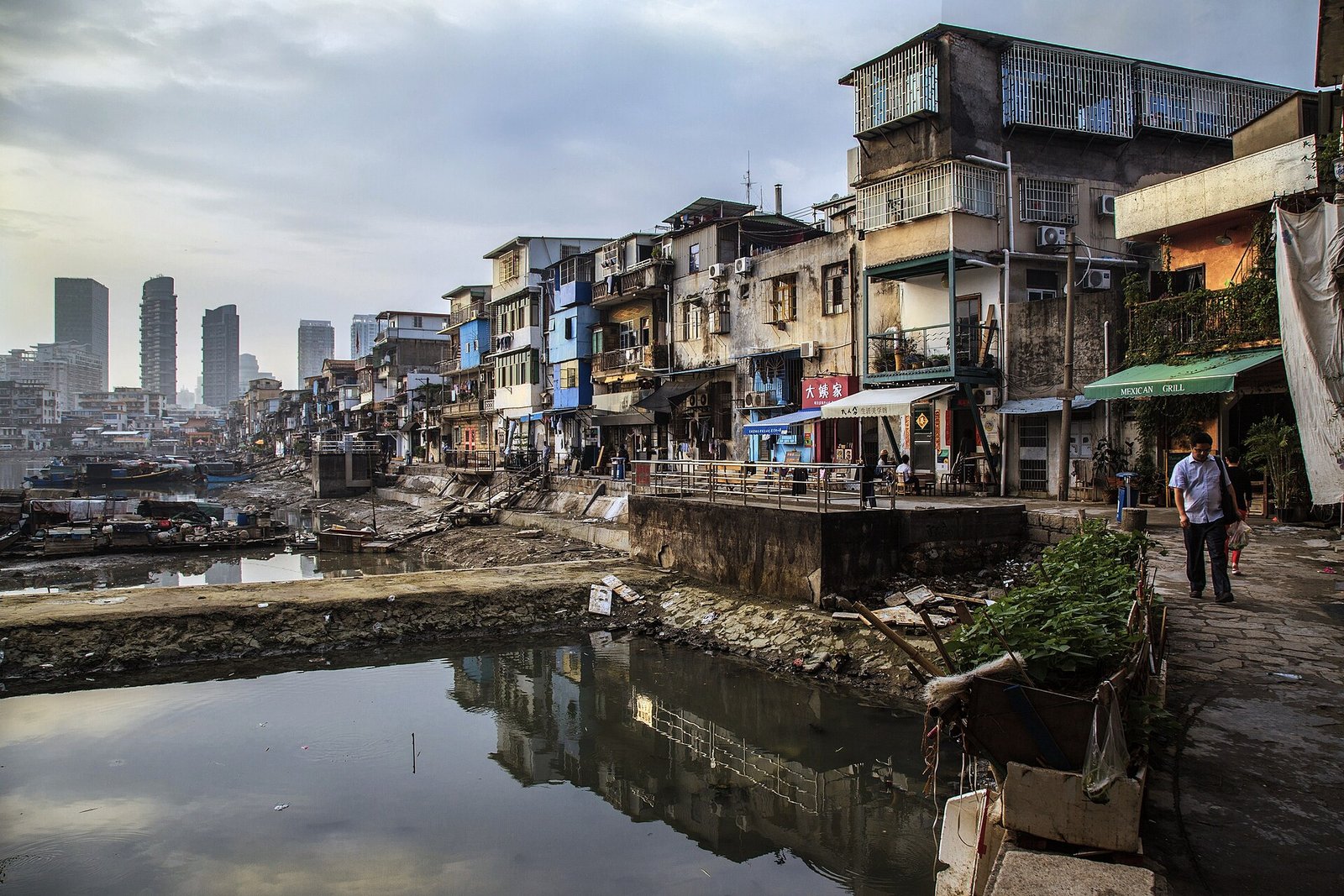
Shapowei: the harbour the show moved into
Shapowei is the last surviving original typhoon shelter in Xiamen — the boat basin where the city’s fishing fleet has sheltered since at least the Qing dynasty, on a stretch of coast that was the front door for cross-strait trade in the late Ming. For most of the 20th century it was a working fishing harbour attached to a fish-processing plant.
The show uses it as an ordinary residential neighbourhood, and in the drama it reads as slightly shabby, quiet and real. That version existed. It is also, largely, gone. The fish-processing plant was converted into Art West (艺术西区), a studio-and-market complex, and the quay around it has been rebuilt for the crowds that arrived afterwards. Go in expecting a pleasant, busy, photogenic waterfront and you will enjoy it. Go expecting to find the show’s empty lanes at noon and you will be disappointed before lunch.
The good news is that it costs nothing and never closes. There is no gate, no ticket and no opening time; the harbour is a public quay. Come early — before 09:00 — if you want the water without the queue for the water.
Gulangyu: the island you have to book like a flight
This is the part that catches people out, and it is the single most useful thing on this page.
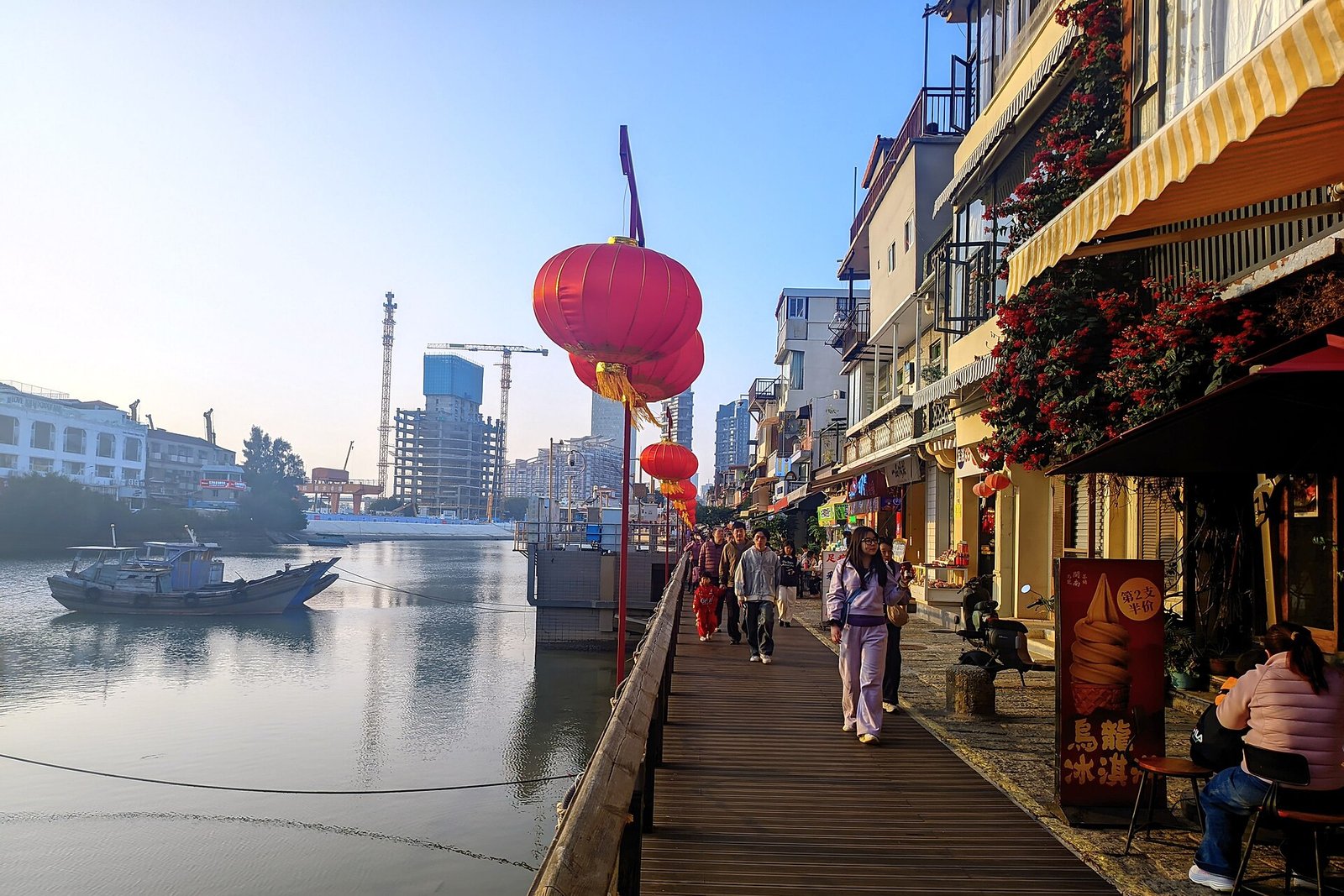
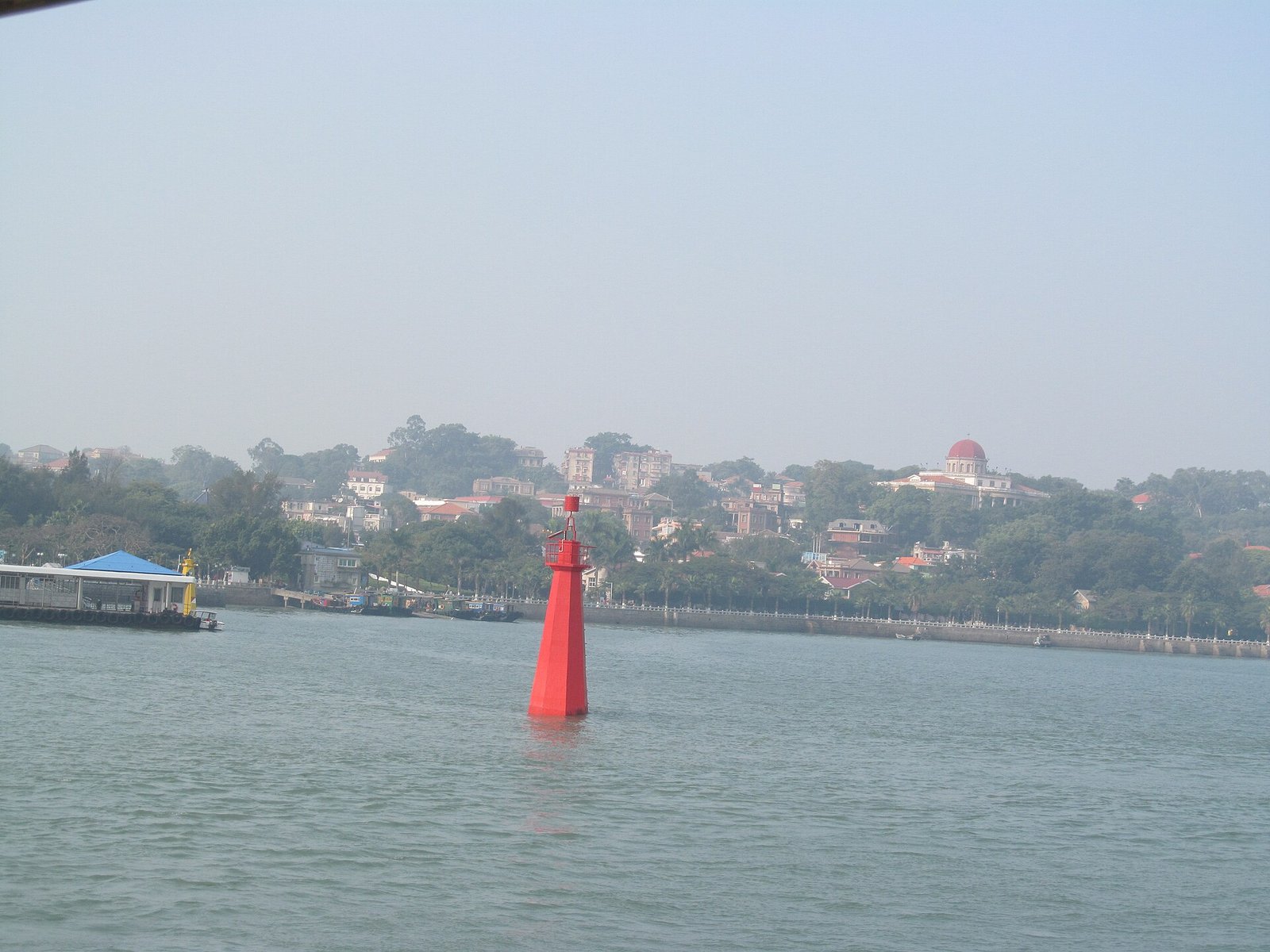
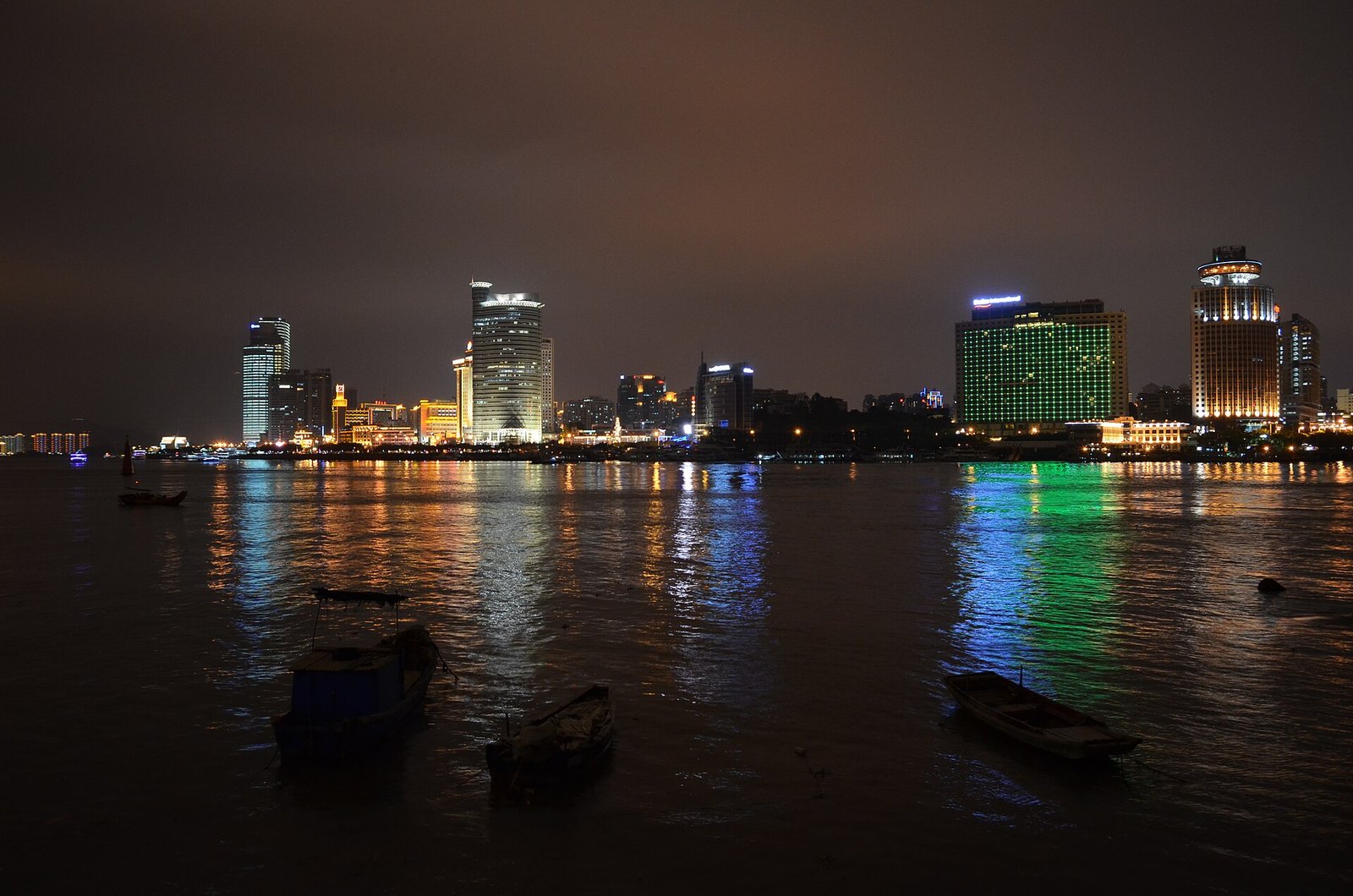
Gulangyu has no bridge and no cars. The only way in is the ferry, and the ferry for visitors does not leave from the pier you can see from Zhongshan Road. Since December 2022 the crossing has been split into separate tourist and resident routes, and during the day visitors must leave from Dongdu Passenger Terminal (东渡客运码头), on the far side of the island, for either Sanqiutian or Neicuo’ao pier. The pier opposite the old town — Xiamen Ferry Terminal — is the night pier, not the day one.
The tickets are also real-name, which means the name on the booking must match the document you carry. A passport is explicitly accepted, but foreign visitors usually have to buy at a staffed window or the self-service machines rather than completing the mini-program’s identity step.
| Route | From | Price |
|---|---|---|
| Day, standard | Dongdu Passenger Terminal → Sanqiutian / Neicuo’ao | ¥35 |
| Day, premium | Dongdu Passenger Terminal → Sanqiutian / Neicuo’ao | ¥80 |
| Day, via Songyu | First Pier → Songyu (¥2), then Songyu → Neicuo’ao (¥35) | ¥37 total |
| Day, direct | First Pier → Neicuo’ao (tourist line) | ¥80 |
| Night (17:50–06:30; June–September from 18:50) | Xiamen Ferry Terminal, Hall 2 → Sanqiutian | ¥35 |
The rules that matter:
- Your return trip is free, once, within 20 days. The outbound leg is tied to the date and sailing you booked; the way back is not. Keep the boarding pass. After 20 days you pay again.
- Buy in advance on the official channels — the WeChat account 厦门轮渡有限公司 or the 屿见厦门 mini-program (Alipay and WeChat both carry it). In peak season the Dongdu sailings sell out, and there is no walk-up option once they do.
- Dongdu’s ticket window is open 06:40–17:25 from 1 October to 31 May, and 06:40–18:25 from 1 June to 30 September. The last daytime sailing from Dongdu is 17:30 (18:30 in June–September).
- After that, it is the night pier. From 17:50 until 06:30 the following morning — from 18:50 in June–September — boats leave from Xiamen Ferry Terminal’s Hall 2, opposite Zhongshan Road, at ¥35. Overnight sailings run through the night on a fixed schedule.
- Children: under 1.2 m or under 6 years old travel free (collect the free ticket in the mini-program); 6–14 years old, or 1.2–1.5 m, pay half.
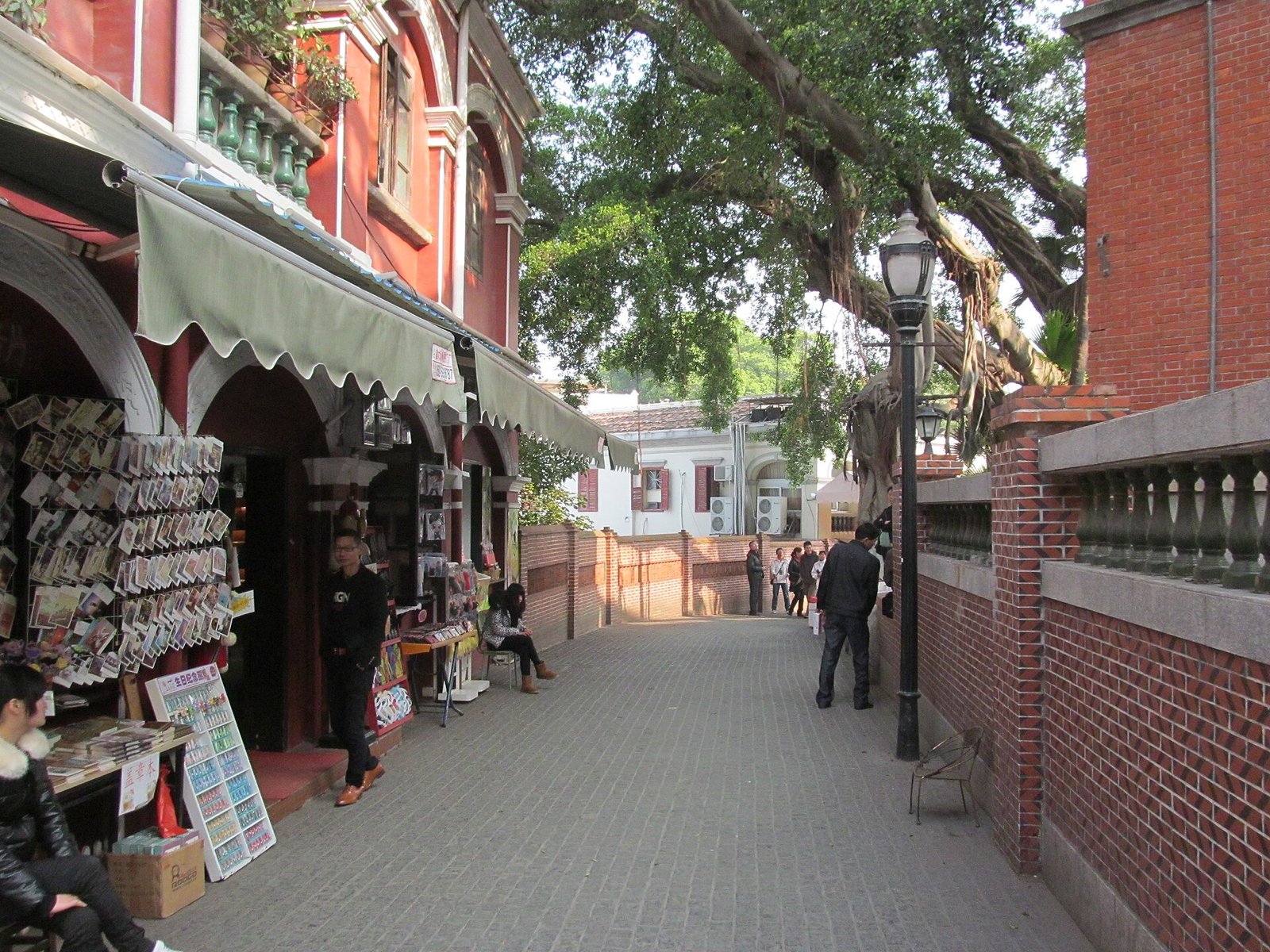
Once you are on the island, the point of it is that nothing moves. There are no cars, no scooters and no buses — only lanes, plane trees, the villas of the old concessions and, in the middle of it all, the piano museum that gave Gulangyu its nickname, “the island of pianos”. The main sights, such as Sunlight Rock, sell their own tickets on top of the crossing; the lanes themselves are free.
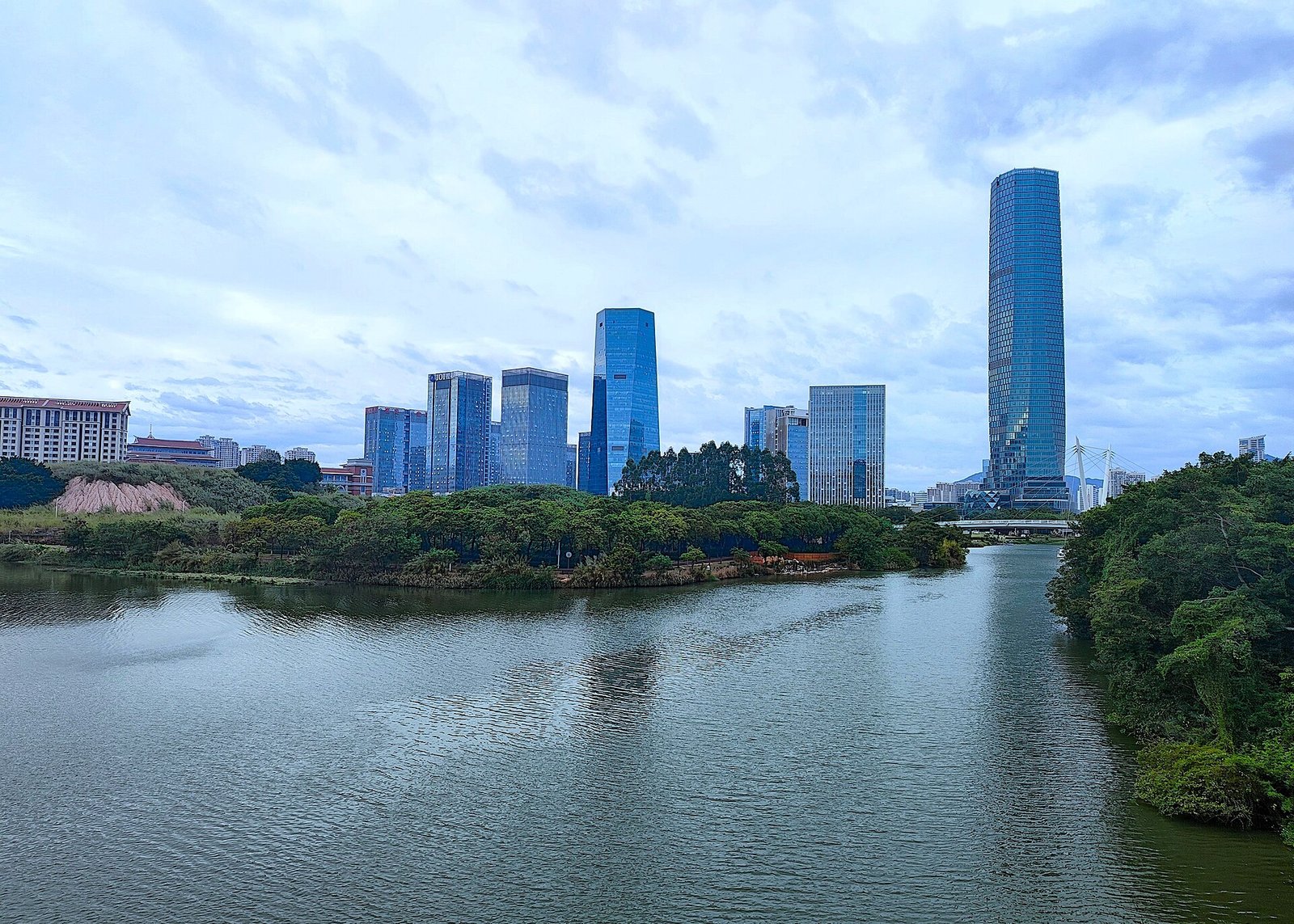
Xiamen Institute of Technology: the campus you can actually walk into
Here is a piece of advice that costs nothing and saves a day.
Most people who want to see “the university from Hidden Love” go to Xiamen University — the famous one, on the coast, with the beach and the reputation. It is the wrong campus. The show’s “Yihe University” was filmed at Xiamen Institute of Technology (厦门工学院), out in Jimei across the bay.
That mix-up matters, because the two campuses have almost opposite rules. Xiamen University is free but heavily rationed: visitors must book through its official reservation account between one and three days ahead, slots open three times a day, and the daily quota is 1,000 on weekdays, 5,000 at weekends and in the school holidays, and 10,000 on public holidays. There is no walk-up entry, and once you are in you cannot leave and come back.
Xiamen Institute of Technology, by contrast, simply opens its gates. Since 1 November 2025 the campus has been free to the public with no reservation at all:
- Hours: Monday to Sunday, 08:00–18:00. After 18:00 visitors can leave but not enter, and the school asks that you be off campus by 20:00.
- Entry: show an ID document at Gate 2 or Gate 4. No booking. If you have no document with you, there is an on-site online form.
- Guided walks: two a day, at 10:00 and 15:00, leaving from the visitor station at Gate 2 — library, museums, sports halls.
- Closed to visitors: offices, teaching areas and dormitories that are in use. Everything else is open.
For a foreign visitor this is one of the easiest “walk straight in” experiences in China, and it is the reason the campus is worth the metro ride out to Jimei. Bring your passport for the gate.
The rest of the city, with no drama attached
The show is a good excuse to come. It is a poor excuse to leave early.
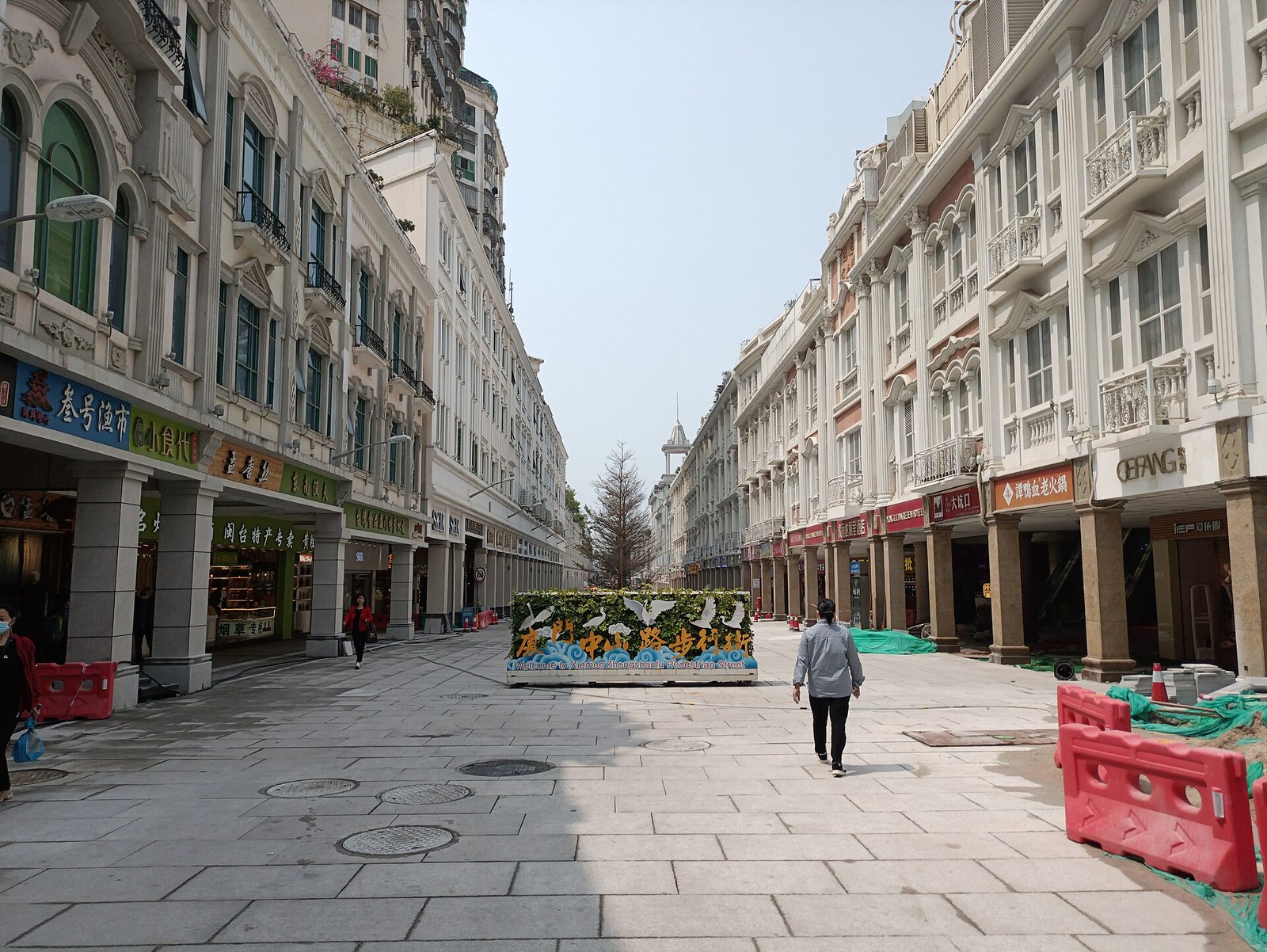
Zhongshan Road is the city’s pedestrian spine, an arcade street of shophouses running from the old town down toward the ferry piers. It is touristy in the way every Chinese city’s main street is touristy, and it is still worth an hour — the arcades themselves are the point, and it is five minutes from the night ferry pier. The lanes behind it, around Datong Road, are where the actual old town is.
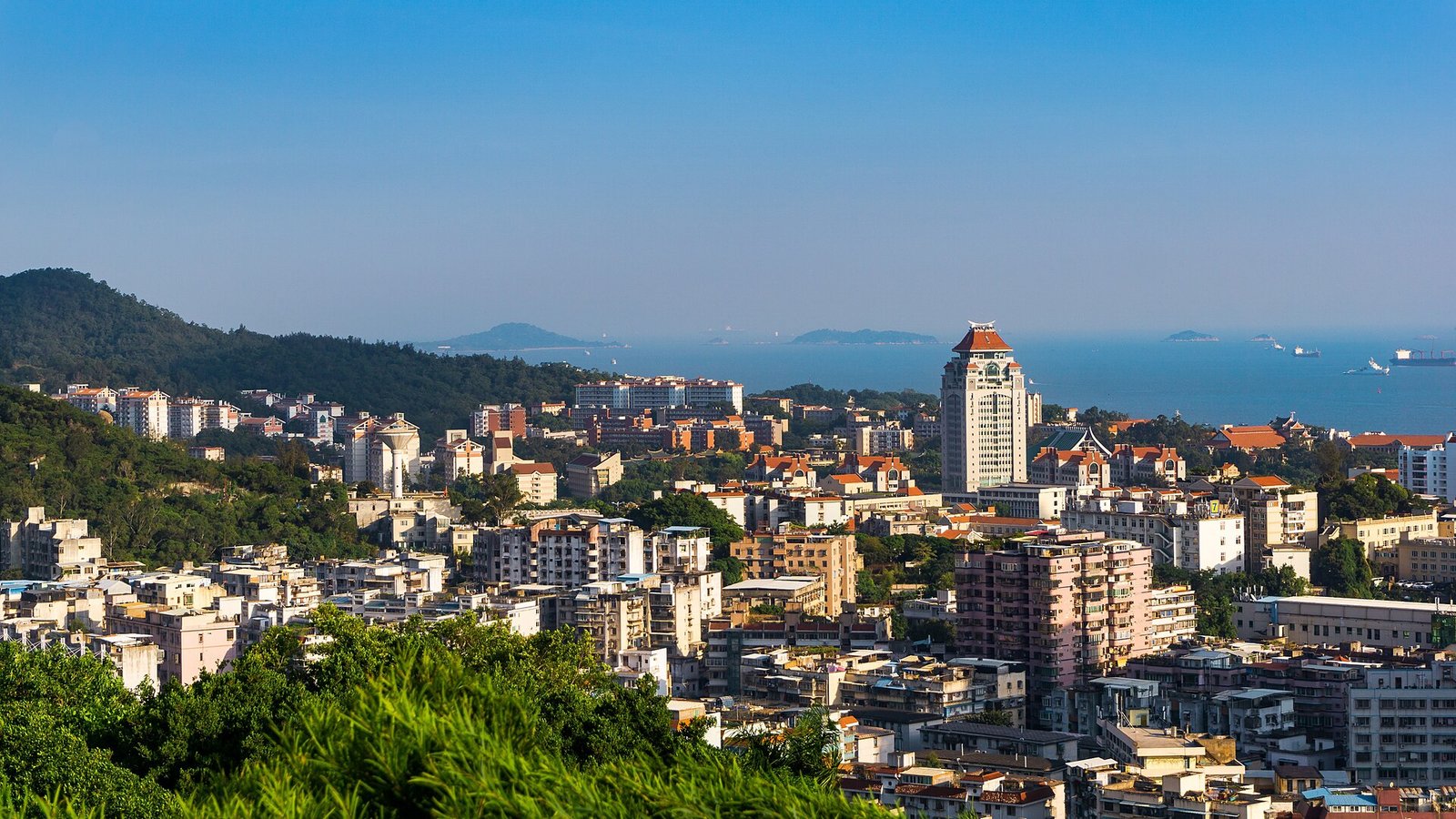
Xiamen University and Nanputuo Temple sit next to each other at the south end of the island, backed by the hill of Hongshan and facing the sea. The temple is a working Buddhist monastery with a famous vegetarian restaurant; the university is the one you need to book. Even if you do not go in, the walk along the coast road below them, past the beaches at Baicheng, is the best hour on the island.
Zengcuoan is a former fishing village turned snack-street-and-guesthouse district, and Tong’an Rainbow Beach out on the mainland side is where the show ends. Both are pleasant; neither is essential.
Tickets, hours and what is free
| Stop | Price | What to know |
|---|---|---|
| Shapowei | Free | Public quay, open 24 hours, no gate |
| Gulangyu ferry | ¥35 standard / ¥80 premium | Real-name; passport accepted; free return within 20 days |
| Gulangyu island | Covered by the crossing | Sunlight Rock and the other main sights charge separately |
| Xiamen Institute of Technology | Free | Open daily 08:00–18:00, no booking, Gate 2 or Gate 4, ID required |
| Chengyi Science Discovery Centre | ¥90 adult / ¥50 student | Closed Mondays, except public holidays and the summer holidays |
| Xiamen University | Free | Reservation only, 1–3 days ahead, daily quota |
| Zhongshan Road | Free | Pedestrian street, open all hours |
| Nanputuo Temple | Free | Working monastery; modest dress expected |
Two warnings. First, the science museum — the one in episode 5 — was renamed Xiamen Chengyi Natural Discovery Centre (厦门诚毅自然探索馆) in July 2024, so search for the new name or you will think it has closed. Its hours move with the school calendar, so check the official mini-program the day before rather than trusting a listing. Second, Xiamen University’s quota really does run out, especially at weekends; if seeing that campus matters to you, book the moment the slots open.
Buying as a visitor from outside China: the two real-name items above — the Gulangyu ferry and the Xiamen University quota — both accept a passport, and you carry the same passport on the day. The ferry and the university both sell through official mini-programs inside Alipay or WeChat; if a form will not take a foreign document, buy at the staffed window. Everything else on this list needs no booking at all.
Free, but not always open: the pattern that catches visitors across China applies here too. Shapowei and Zhongshan Road are genuinely always open. The campuses, the museums and the island are not — and the university one requires a booking that fills up. Assume nothing and check the day before.
Getting around
Xiamen is compact and the metro is good, which makes it one of the easier Chinese cities to do without a car.
- Line 1 crosses the bay to Jimei, which is how you reach the Institute of Technology (Jimei Avenue) and the science museum (Guanren). It is also the line with the sea view as it crosses the water.
- Line 2 and Line 3 cover Siming and Huli respectively — Line 2 for Baolong One City, Line 3 for the Huli Park area.
- The BRT is an elevated bus network that runs on its own roads; it is how you reach Tong’an and Rainbow Beach.
- Taxis and ride-hailing are cheap and everywhere, and often faster than the metro for the short hops between the show’s locations.
- The island itself is small: the airport, the old town, the ferry piers and the university all sit within about 20 minutes of each other.
The one place you cannot drive is Gulangyu — that is the whole point of it.
Visiting as a foreign visitor
Xiamen is a treaty-port city with a long history of foreign residents, and it shows: there is more English on signage here than in most Chinese cities of its size. The mechanics are still the same as everywhere in China.
- Your passport is your ID. Metro, hotels, campuses and the ferry all key off an identity document, and yours is the passport. Carry the original. Gulangyu’s ticket is real-name, so the name must match.
- Real-name booking is the thing that trips people up. Attractions in China increasingly require a reservation tied to a document, and the online systems are built around the Chinese ID card. Your passport is accepted — but expect to use a staffed window or a self-service machine rather than the app. Xiamen University’s booking system is the clearest example: free, but rationed and booked out days ahead.
- Expect ID and face-scan gates. Automated gates do not always open for a passport. Look for the staffed lane and hand over the document; having the word 护照 ready helps.
- Mobile payment first, cash second. Set up Alipay or WeChat Pay with an overseas card before you fly. The 屿见厦门 ferry mini-program lives inside them, which is another reason to have them working on arrival.
- English is thinner off the tourist trail. Save the characters you will need — 沙坡尾, 鼓浪屿, 东渡客运码头, 集美, 中山路 — and keep an offline translation app. Amap works better than Western maps here and has an English mode.
- Visa. Xiamen Gaoqi International Airport is one of the ports covered by China’s 240-hour visa-free transit policy, which gives eligible nationalities ten days without a visa when flying on to a third country. If you are not transiting, check the current visa-free list first — most foreign visitors to China now arrive without a visa at all.
Before you go: the visa and entry guide, the payment guide, the apps guide and the high-speed rail guide cover the parts that are the same everywhere in China. This section covers only what is different in Xiamen.
How many days, and where to sleep
Two days is the right answer, and it splits cleanly between the show and the island.
- Day one — the show. Shapowei early, then the old town and Zhongshan Road, then the ferry to Gulangyu in the afternoon and the night crossing back. If the ferry is sold out, this is the day to reshuffle.
- Day two — the city. The coast road and the beaches in the morning, Nanputuo and the university area at midday, then Line 1 across the bay to Jimei for the campus and the science museum in the afternoon.
- Half a day more if you want Tong’an and Rainbow Beach, or a slow morning on Gulangyu rather than an afternoon.
Stay in Siming district, near Zhongshan Road or the university, if this is your first visit: it puts the old town, the night ferry pier and the coast within walking distance. Xiamen hotel rates are moderate by international standards, and the sea-view rooms on the harbour are worth it only if you plan to be in them at sunset.
What a day actually costs
This is the honest mid-range version: one person, one full day on the Hidden Love trail, eating well without trying to impress anyone. Ticket and transit figures are the operators’ own published rates — the same ones listed above, checked 12 October 2026; the metro fare tiers are the distance-based rates published by the Xiamen rail operator — while food is a realistic mid-range estimate, not a published price. Your own day will land somewhere inside these numbers.
| Item | Per person | Notes |
|---|---|---|
| Metro, across a full day of rides | ¥4–8 | From ¥2 for the first 4 km, rising in distance bands; the network-wide maximum is ¥8. Pay with the transit code inside Alipay or WeChat — not the ordinary payment code |
| BRT, if you cross to Tong’an or Rainbow Beach | ¥1–4 per ride | ¥1 covers the first 5 km, with the fare capped at ¥4 for any single ride on the network |
| Gulangyu ferry | ¥35 standard (¥80 premium) | Real-name, passport accepted, return included within 20 days; book through the official mini-program and buy early — popular sailings sell out |
| Xiamen University | Free | Reservation only, 1–3 days ahead, daily quota; book with your passport the moment slots open |
| Nanputuo Temple, Shapowei, Zhongshan Road | Free | No ticket, no booking. The temple is a working monastery, so modest dress |
| Chengyi science museum | ¥90 adult (¥50 student) | Optional; closed Mondays except public holidays, and hours move with the school calendar |
| Lunch | ¥25–60 | A bowl of satay noodles or a plate of local seafood by the harbour; the old-town restaurants are the cheap ones |
| Coffee and a snack | ¥20–40 | Shapowei and the lanes around Zhongshan Road |
| Dinner | ¥50–120 | Xiamen does seafood and Fujian soups well; both are cheap by international standards |
A realistic day one comes to roughly ¥145–275 per person — about US$21–39 at a round ¥7 per US$1 (check the live rate), with the ferry included. Add ¥50 if you also climb Sunlight Rock on the island, and ¥90 for the science museum if that is on your list. The island itself takes no ticket beyond the ferry; the things that cost money on this route are the crossing and the one museum.
Who this trip suits — and who should skip it
Not every itinerary is for every traveller. This is the honest version of who the Hidden Love trail actually works for.
- First-time visitors who loved Hidden Love. Day one on this page follows the show’s Xiamen, and apart from the ferry it needs no car, no Mandarin and no advance booking.
- Couples. The crossing to Gulangyu at dusk and the walk back along the old town after dark are the two best hours of the day, and the ferry return is already paid for.
- Families with children. Bikes, free streets and boat rides keep both the budget and the logistics simple; the ferry is the one item to book ahead.
- Solo travellers. The city is safe, walkable and cheap, and Shapowei’s cafés are made for sitting alone with a book.
Skip it if you only have a single day in the city, because two days is the honest minimum; if walking for several hours at a stretch is not for you, because day one is built around it; or if you dislike crowds, because the Gulangyu sailings at weekends and Zhongshan Road after dark are the two pinch points.
Common questions
Was Hidden Love really filmed in Xiamen?
Yes, and unusually literally. The show used real addresses across the city — Shapowei, a suburban campus in Jimei, a science museum, a beach in Tong’an — rather than studio sets. The fictional “Yihe University” is Xiamen Institute of Technology.
Which campus was the university in the show?
Xiamen Institute of Technology (厦门工学院), in Jimei. Not Xiamen University, which is the famous one on the coast and which requires a reservation.
Can I visit Gulangyu without a reservation?
You can turn up, but you should not. Tickets are real-name and the daytime sailings sell out in peak season, and there is no walk-up option once they do. Book on the official WeChat account or the 屿见厦门 mini-program, and remember that during the day you leave from Dongdu Passenger Terminal, not the pier opposite Zhongshan Road.
Do I need a visa for Xiamen?
Most foreign visitors to China now arrive visa-free. If you are transiting, Xiamen Gaoqi International Airport is covered by the 240-hour visa-free transit policy. Check the current rules before you book.
Is Xiamen worth visiting if I have not seen the drama?
Yes. Gulangyu alone justifies the trip, and the treaty-port waterfront and the coastal road are the reasons the city was popular long before any show was filmed here.
Is it walkable?
On the island, mostly — Siming is flat and compact. Jimei and Tong’an are not, and you will want the metro or a taxi. Gulangyu is entirely walkable and entirely car-free, which is the best thing about it.
Your next move
Still exploring?
Xiamen is one of the coastal entries. See the rest of the filming map.
Worried about the practical stuff?
Visas, payment, trains and the apps you’ll need before you land — the four things you cannot work out on the ground. Each guide is dated and sourced.
Ready to go?
Xiamen works as a two- to three-day stop. The planning guide sizes it.
Last verified
Sources: Xiamen Ferry Co. (厦门轮渡有限公司), official visitor rules — daytime visitors depart from Dongdu Passenger Terminal (¥35 standard / ¥80 premium), night sailings from Xiamen Ferry Terminal Hall 2 (¥35); real-name tickets; passport accepted; free return within 20 days; Dongdu ticket window 06:40-17:25 (Oct-May) / 06:40-18:25 (Jun-Sep) — https://xmferry.com/wybm/wshlk/xchgpp/index.htm · Xiamen Institute of Technology (厦门工学院), official campus-opening notice, 25 Apr 2025 — free public access from 1 Nov, daily 08:00-18:00, no booking, enter via Gate 2 or Gate 4 with ID, guided walks at 10:00 and 15:00 — https://www.xit.edu.cn/gyjy/2025/0425/c893a56162/page.htm · Xiamen University Security Office (厦门大学保卫处), visitor reservation guide — reservation required since 28 Sep 2023, book 1-3 days ahead, daily quotas 1,000 weekdays / 5,000 weekends and school holidays / 10,000 public holidays — https://baowei.xmu.edu.cn/info/1003/1005.htm · Fujian Provincial People's Government, 13 Mar 2026 — Shapowei harbour regeneration and the "40/30/30" mix of new, renewed and retained businesses — https://www.fj.gov.cn/zwgk/ztzl/sxzygwzxsgzx/sdjj/hyjj/202603/t20260313_7109299.htm · Xiamen Tourism (厦门旅游, Fujian Tourism Board) — Chengyi Science Discovery Centre, renamed Xiamen Chengyi Natural Discovery Centre in July 2024; adult ¥90 / student ¥50; 339 Xinglinwan Road, Jimei — https://www.fjta.com/scenic/news/778 · Baidu Baike — Shapowei (沙坡尾): the origin of Xiamen's harbour, used as a typhoon shelter since the Qing dynasty — https://baike.baidu.com/item//7593741 · National Immigration Administration (国家移民管理局) — 240-hour visa-free transit policy and designated ports — https://www.nia.gov.cn/ · Embassy of the People's Republic of China — 240-hour transit visa-free eligible countries — https://sr.china-embassy.gov.cn/chn/lsfw/lszj/qzrgxk/202605/t20260528_11919258.htm
Spotted something out of date? Email us — or read how corrections work. We check every report against the source and update the page.
Ready to plan it? Turn the dramas you have watched into a day-by-day route with the C-drama route planner.
Not sure where to start? Take the drama-city quiz — seven questions, one city, and a route waiting at the end.