
Travelling in China as a foreigner is easier than it has ever been, and harder than the guidebooks imply. The difficulty is never the sights. It is the four or five administrative things you have to get right before you land, because none of them can be fixed easily once you are there. This is the hub for China travel planning: the four things to get right, in the order they matter.
The short answer: There are four things to sort, and they have a correct order: entry status → mobile payment → rail booking → apps. Get them in that sequence and the trip is straightforward. Do them out of order and you will discover the gap at the worst possible moment — at a ticket window, at the border, or in a mountain town with no signal.
Hesitant rather than curious? If what is holding you back is not how to plan but whether it is safe, whether your card will work, or whether you can use your usual apps, start with our first time in China guide — twelve common worries, each answered with a dated source and a fallback plan.
Already know which dramas you want to follow? Skip the reading and go straight to the C-drama route planner — tick the shows you have watched and it builds a day-by-day itinerary, in travel order, with the transport and passport notes for every stop.
Not sure which part of China is for you? Take the drama-city quiz — seven questions return one of twelve destinations, and it links straight into the planner so you can build the trip around your result.
Live fares come straight from Trip.com. Booking through this box earns us a small commission at no extra cost to you — see our affiliate disclosure.
China travel planning: the four things, in the order they matter
The four things, in the order they matter
Each step depends on the one before it. Do them out of order and the gap shows up at the worst possible moment — at a ticket window, at the border, or with no signal.
The order is not arbitrary. Each step depends on the one before it. You cannot book a sensible rail route until you know how many days you have, and how many days you have is decided by your entry status. You cannot set up mobile payment without a working phone number and a card, and you cannot use the apps until your payment is verified. Below, each item tells you what it is, what it actually costs you, and what happens if you skip it — because that last part is the bit that decides whether your trip works.
1. Entry status — do this first
Before you book anything, establish whether you need a visa at all. A growing list of nationalities can now enter China visa-free for up to 30 days, and if yours is not on it, the 240-hour (10-day) transit visa-free policy covers most filming-location itineraries — provided you fly onward to a third country. If neither applies, you need a standard L tourist visa — allow several weeks for the appointment, the submission and the return of your passport.
What it costs you: either nothing, or the visa fee plus several weeks of lead time. If you skip it: the whole trip ends at the check-in desk. This is the one item where a mistake is not expensive, it is fatal — a refused boarding is not a delay, it is a cancellation.
Read the full visa and entry guide — it covers who qualifies for visa-free entry, how the 240-hour transit rule works, and the mistakes that get people turned away at the border.
2. Mobile payment — set it up before you fly
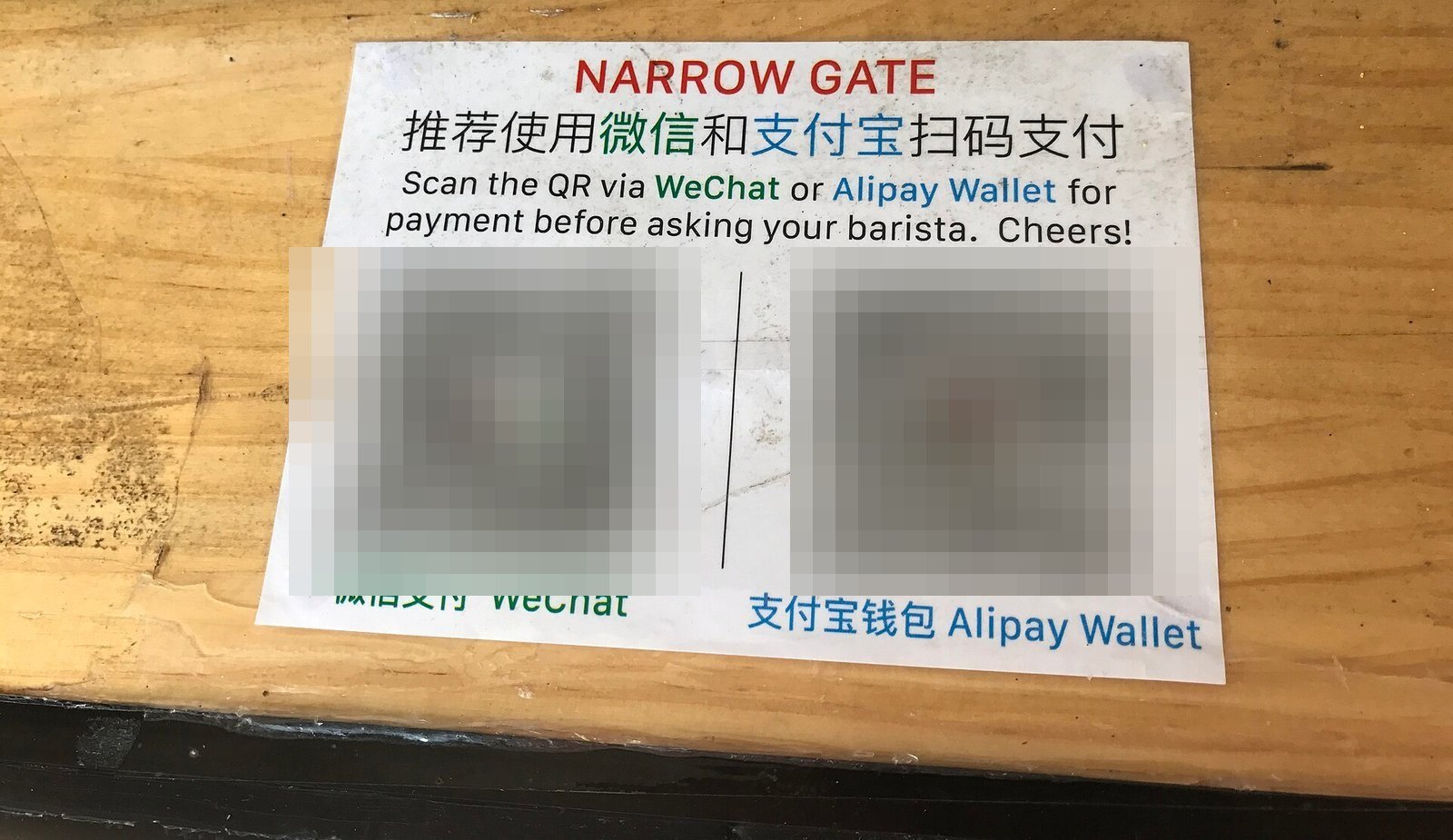
China is effectively cashless. The everyday economy — taxis, street food, small shops, temple tickets, rural guesthouses, the shuttle bus to a filming site — runs on QR codes, and the QR codes run through Alipay or WeChat Pay. Both accept an international Visa or Mastercard, but only after you have verified your identity, which needs a working connection and a phone that can receive SMS.
What it costs you: a small service fee on card payments — Alipay publishes a 3% rate for international cards — so roughly ¥50–150 across a week. If you skip it: you will be the person at the noodle stall counting out damp notes while the vendor waits for change nobody carries. Set up Alipay as your primary wallet and WeChat Pay as backup, and carry ¥300–500 in cash as genuine insurance.
Follow the payment guide — it walks through binding a foreign card step by step, and what to do when a card silently fails.
3. Rail booking — once your dates are fixed
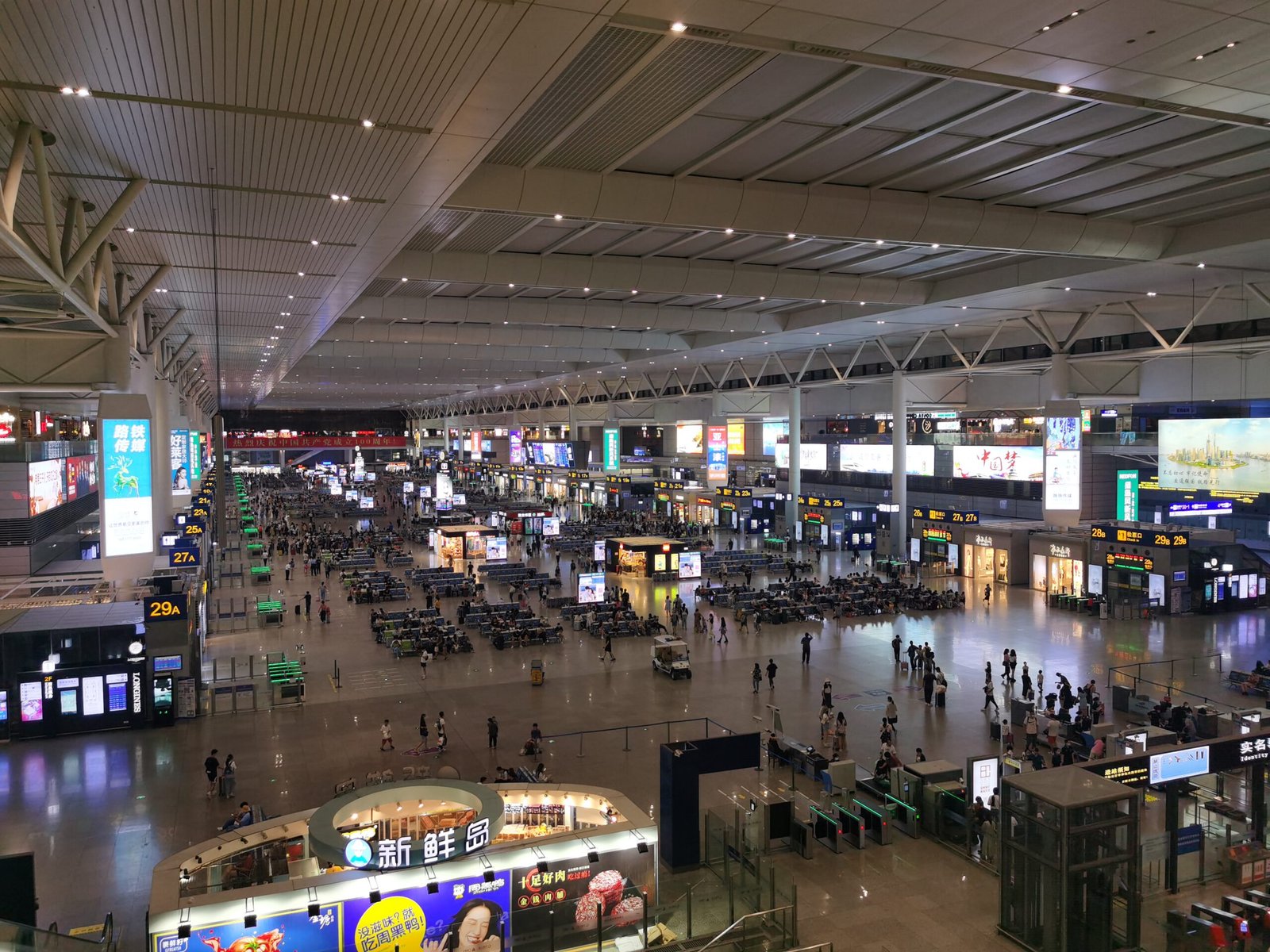
China’s high-speed rail network is what makes a multi-province filming-location itinerary realistic at all. It turns a 1,200-kilometre journey into a four-hour, ¥550 trip on a train that arrives on time to the minute. Your passport becomes your ticket; there is no paper ticket to collect at most stations.
What it costs you: nothing extra if you book on the official 12306 app; a small fee if you use Trip.com for the English interface. If you skip it: popular routes and holiday windows genuinely sell out, and you end up building your itinerary around whatever seats are left. Note the hard constraint: tickets go on sale only 15 days before departure, so there is nothing to book earlier — set a reminder for the morning the window opens for your date, and be ready to book the whole route the same day.
Read the high-speed rail guide for how to book with a passport, what boarding is actually like, and the change-and-refund rules.
If you are travelling from outside China: use your passport as your rail ID and enter its details exactly as printed. The official 12306 app is the direct booking channel; Trip.com is the English-language alternative. Your ticket is linked to the document used at booking, so carry that original passport to the station. If app verification or a self-service machine will not accept your foreign document, ask at a staffed station ticket counter rather than assuming you need a Chinese ID card. Attraction mini-programs have separate rules: check the relevant place guide for its passport route and on-site fallback.
4. Apps — install them, then go offline
You do not need twenty apps. You need five that work: Alipay for payment, Amap or Apple Maps for navigation, one translation app with an offline Chinese pack, 12306 or Trip.com for trains, and DiDi for taxis. Everything Google — Maps, Gmail, Translate’s live features — is unreliable or blocked on mainland networks, so plan around it rather than hoping.
What it costs you: twenty minutes of downloading, and an eSIM with 10–20GB if you want data that roams onto a Chinese network. If you skip it: you will be standing in front of a ticket machine with no way to read it, and no map to tell you where you are. The single highest-value prep step is photographing the Chinese names of every filming location you plan to visit — “Hengdian World Studios” means nothing to a taxi driver, but 横店影视城 does.
See the essential apps guide for the full list and what to skip.
颐园居 / Wikimedia Commons, CC BY-SA 4.0
The China travel planning pre-departure checklist
Print this, or copy it into your notes app, and work down it in order. Everything on it is something that cannot be fixed easily after you land.
Harald Groven / Wikimedia Commons, CC BY-SA 2.0 · QR codes blurred for privacy
| ☐ | Task | When |
|---|---|---|
| ☐ | Confirm your entry status against the latest official announcement — visa-free list, transit rule, or L visa | 6–8 weeks out |
| ☐ | Check your passport has 6 months validity and 2 blank pages | 6–8 weeks out |
| ☐ | Decide your route and total days — this fixes everything else | 6 weeks out |
| ☐ | Book flights, and a return or onward ticket if you are using transit entry | 6 weeks out |
| ☐ | Book high-speed rail legs (12306 or Trip.com) | 4–6 weeks out |
| ☐ | Book hotels, and screenshot each address in Chinese characters | 4–6 weeks out |
| ☐ | Install Alipay, bind your card, complete identity verification, and test it | 2–3 weeks out |
| ☐ | Install WeChat Pay as backup | 2–3 weeks out |
| ☐ | Install Amap / Apple Maps, a translation app, 12306 or Trip.com, DiDi | 2 weeks out |
| ☐ | Download offline maps and the offline Chinese language pack | 2 weeks out |
| ☐ | Photograph the Chinese names of every filming location on your route | 1 week out |
| ☐ | Get ¥300–500 in cash in small notes, and notify your bank | 1 week out |
| ☐ | Pack a power bank — your phone is your wallet, map and ticket | Day before |
| ☐ | Have your first hotel address and onward ticket accessible offline | Day before |
Flights and accommodation are the only two things on this list that get more expensive the longer you wait. Everything else — the apps, the sim card, the day-by-day route — can be decided after you land.
Search flights, hotels and trains on Trip.com
Booking through this link earns us a small commission at no extra cost to you. It never changes what we recommend — see our affiliate disclosure.
Also worth reading
Best Time and Budget
Season-by-season advice and realistic daily costs, including the parts people forget to budget for. Pick your month before you pick your region — the Chinese holiday calendar can turn a quiet backlot into a queue of three thousand people.
Pick your month first
The Zhejiang Film Route
A ready-made five-day rail itinerary through Hengdian, Xiangshan and Jinyun Xiandu — the three Zhejiang sets that carry the most C-dramas. Use it as a template even if you adapt the dates.
Then pick your route
How many days do you need?
Work out the length of your trip first, then choose the dramas that fit it. Five, seven, ten and fourteen-day plans, with real costs per day.
Then pick your length
Browse locations by drama
Once the logistics are sorted, choose what you are actually going to see. Every drama guide is organised by show, not by province.
Then pick the show
A note on accuracy
Visa rules, ticket prices and opening hours change regularly. Every guide in this section carries a last-updated date, and we re-check the official sources rather than repeating what other travel blogs say. If you spot something out of date, tell us — we would rather be corrected than be wrong.
Last verified
Sources: National Immigration Administration — unilateral visa-free list: 50 countries, stays up to 30 days (as at 17 Feb 2026) · National Immigration Administration — 240-hour transit visa-free: 57 countries, 24 provinces, 65 ports, up to 10 days (20 Aug 2026) · China Railway 12306 — official notice: ticket pre-sale window adjusted to 15 days including the day of purchase · China Railway 12306 — pre-sale FAQ: 15 days including the day of purchase, for both online and station-window sales · Alipay Help Centre — international card payment product: 3% service fee on Visa/Mastercard/JCB transactions
Spotted something out of date? Email us — or read how corrections work. We check every report against the source and update the page.